How to Choose High-Quality Amino Acid Fertilizers
Selecting a high-quality amino acid fertilizer requires a clear understanding of its composition, bioavailability, and compatibility with modern agricultural systems. Premium formulations—typically derived through controlled enzymatic hydrolysis—preserve small-molecular-weight peptides and free L-amino acids, enabling rapid plant uptake and improved stress resilience. Evaluating peptide concentration, chelation capacity, and production consistency is essential for aligning fertilizer performance with crop requirements and yield goals.
Understanding Amino Acid Fertilizers and Their Benefits
What Is an Amino Acid Fertilizer?
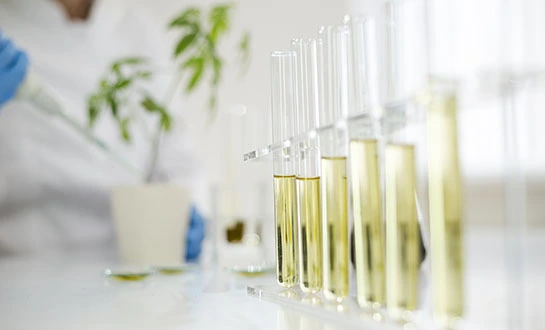
An amino acid fertilizer represents an advanced category of agricultural biostimulants produced by breaking down protein-rich raw materials such as yeast, plant proteins, or other biomass under controlled conditions. These formulations contain bioactive compounds, oligopeptides, and free amino acids that plants can absorb directly through roots and leaves, allowing them to bypass energy-intensive metabolic conversions and respond more efficiently to growth demands.
Direct Nitrogen Availability and Metabolic Efficiency
Unlike conventional fertilizers that require enzymatic transformation within the plant, amino acid fertilizers supply nitrogen in pre-digested organic forms. This enables plants to immediately utilize nutrients for protein synthesis and metabolic processes, which is particularly valuable during critical growth stages such as flowering, fruit setting, and recovery from environmental stress. As a result, crops often demonstrate faster physiological responses and improved developmental consistency.
Improved Nutrient Uptake Efficiency
A key advantage of amino acid fertilizer lies in its natural chelation capability. Amino acids can bind with micronutrients such as iron, zinc, manganese, and boron, forming stable complexes that remain available for plant uptake even in challenging soil conditions like high alkalinity. This process enhances nutrient mobility within plant tissues and supports more efficient translocation, ultimately contributing to improved nutrient use efficiency and overall crop performance.
Stress Tolerance and Plant Recovery
Amino acid fertilizers play a significant role in improving plant tolerance to abiotic stress. Functional amino acids such as proline and glycine betaine are involved in osmotic regulation, enzyme stabilization, and protection of cellular structures. These physiological functions help plants maintain photosynthetic activity and reproductive capacity under adverse conditions such as drought, salinity, and temperature fluctuations, thereby reducing yield loss risks.
Core Criteria for Selecting High-Quality Amino Acid Fertilizers
Chemical Composition and Molecular Profile
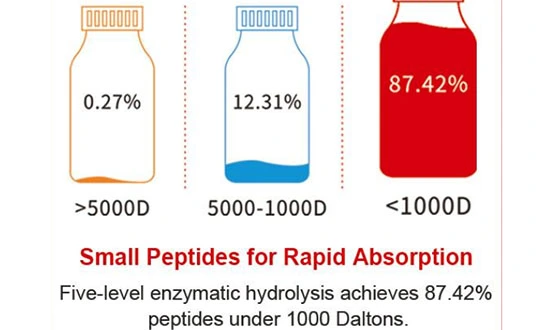
The effectiveness of an amino acid fertilizer is largely determined by its composition and molecular characteristics. High-quality formulations typically contain a high concentration of free amino acids along with a significant proportion of small-molecular-weight peptides, especially those below 1000 Daltons, which are more easily absorbed by plants. In addition, the presence of bioactive substances such as oligosaccharides and nucleotides can further enhance metabolic activity and support plant recovery processes.
Manufacturing Process and Quality Control
The production method has a direct impact on the stability and functionality of an amino acid fertilizer. Advanced enzymatic hydrolysis technologies, particularly controlled or directed processes, help preserve biologically active compounds while maintaining a consistent molecular profile. Reliable manufacturers usually demonstrate strong quality control systems and provide certifications such as ISO standards, ensuring that their products meet regulatory requirements and maintain batch-to-batch consistency.
Compatibility and Stability
A high-quality amino acid fertilizer should exhibit excellent compatibility with other agricultural inputs. It needs to dissolve completely in water, remain stable across different temperature conditions, and perform reliably in tank mixes without causing precipitation or clogging. Formulations that are free from chlorine are particularly beneficial, as they reduce the risk of salt stress and improve safety for sensitive crops and early growth stages.
Comparing Types of Amino Acid Fertilizers
Source-Based Classification
The source of raw materials significantly influences the characteristics of amino acid fertilizers. Plant-based sources such as soy protein are commonly used in organic agriculture due to their sustainability, although their bioactivity may vary depending on processing methods. Animal-derived sources, including collagen and keratin, generally provide higher amino acid concentrations but may face regulatory limitations in certain markets. Yeast-derived amino acid fertilizers are often considered a balanced option, offering consistent quality, high bioactivity, and controlled production through fermentation technologies.
Application-Specific Formulations
Different agricultural applications require tailored amino acid fertilizer formulations. Foliar products are designed for rapid absorption and efficient leaf penetration, making them suitable for quick nutrient correction. Soil-applied fertilizers focus on improving root-zone interactions and providing sustained nutrient availability over time. In fertigation systems, stability and solubility are critical to ensure smooth delivery through irrigation equipment without causing blockages or uneven distribution.
Performance and Economic Value
From a practical perspective, the use of high-quality amino acid fertilizers can result in measurable improvements in crop yield and quality. Field observations and comparative studies indicate that these products can enhance productivity while reducing the negative impact of environmental stress. This combination of yield improvement and risk reduction contributes to better economic returns, particularly in intensive agricultural systems and high-value crop production.
How to Source and Purchase Amino Acid Fertilizers
Supplier Evaluation and Qualification
Choosing the right supplier is a critical step in sourcing amino acid fertilizer. Manufacturers with strong technical expertise often possess proprietary production technologies and maintain active research and development programs. Long-established companies typically demonstrate greater consistency in product quality and are better equipped to meet large-scale demand, making them more reliable partners for long-term procurement.
Quality Assurance and Testing
Effective procurement strategies should include thorough quality verification processes. This involves analyzing the amino acid profile, assessing molecular weight distribution, and testing for potential contaminants such as heavy metals. Independent third-party testing can provide additional assurance of product reliability and help ensure consistency across different batches and shipments.
Logistics and Regulatory Compliance
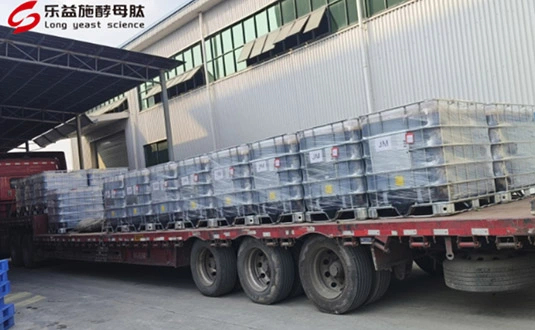
Sourcing amino acid fertilizers internationally requires careful attention to logistics and regulatory requirements. Products must comply with local agricultural regulations and registration standards in target markets. In addition, proper packaging and storage conditions are essential to maintain product stability during transportation, especially when exposed to varying environmental conditions.
Ensuring Long-Term Value from Amino Acid Fertilizers
Field Validation and Performance Testing
Long-term value depends on consistent field performance. Conducting structured field trials across different crops and environmental conditions allows for objective evaluation of product effectiveness. These trials provide practical data that can guide application strategies and support informed decision-making.
Technical Support and Application Guidance
Professional technical support plays an important role in maximizing the benefits of amino acid fertilizers. Suppliers that offer detailed application guidelines, compatibility recommendations, and troubleshooting assistance help ensure that products are used correctly and efficiently. Proper training for field operators further enhances application accuracy and overall effectiveness.
Innovation and Product Development
Continuous innovation is a defining feature of leading amino acid fertilizer manufacturers. Investment in research and development enables the creation of more efficient formulations and expanded application possibilities. Collaborative partnerships, including customized products and private-label solutions, can provide additional flexibility and competitive advantages in evolving agricultural markets.
Conclusion
Choosing the right amino acid fertilizer requires a comprehensive evaluation of product composition, manufacturing processes, and supplier capabilities. High-quality formulations, particularly those developed through advanced enzymatic hydrolysis, provide clear benefits in nutrient efficiency, plant growth, and stress tolerance. Building long-term relationships with reliable suppliers ensures consistent quality, technical support, and ongoing innovation, ultimately supporting sustainable and productive agricultural systems.
FAQ
Q1: What makes amino acid fertilizers superior to traditional chemical fertilizers?
Amino acid fertilizers provide pre-digested organic nitrogen that plants can absorb immediately without energy-intensive conversion processes. They offer enhanced stress tolerance, improved nutrient chelation, and better compatibility with sustainable farming practices compared to synthetic alternatives.
Q2: How do I verify the quality of amino acid fertilizer products?
Quality verification involves analyzing amino acid concentration levels, molecular weight distribution, and manufacturing certifications. Request detailed analytical reports showing free amino acid content above 140g/L and small peptides exceeding 360g/L for premium-grade products.
Q3: What application methods work best for large-scale operations?
Large-scale applications benefit from fertigation systems and foliar spray programs during critical growth phases. Products with 100% water solubility and tank-mix compatibility enable integration with existing fertilizer and pest management programs.
Q4: Are amino acid fertilizers suitable for organic certification requirements?
Many amino acid fertilizers qualify for organic certification when derived from approved plant or yeast sources through enzymatic hydrolysis processes. Verify certification status with organic regulatory bodies in your target markets.
Partner with LYS for Premium Amino Acid Fertilizer Solutions
LYS delivers cutting-edge amino acid fertilizers through our proprietary FSDT enzymatic hydrolysis technology, backed by over 70 years of biotechnology expertise. Our flagship LYS AAPS product contains premium yeast-derived peptides (≥360g/L), free L-amino acids (≥140g/L), and chelated micronutrients for superior crop performance. As a leading manufacturer of amino acid fertilizers, we provide comprehensive technical support, customized formulations, and reliable supply chain solutions for global agricultural operations. Contact alice@aminoacidfertilizer.com to explore partnership opportunities and discover how our innovative biostimulant technology can enhance your crop production systems.
References
1. Smith, J.R., and Anderson, K.L. "Enzymatic Hydrolysis Technology in Amino Acid Fertilizer Production: Process Optimization and Quality Control." Journal of Agricultural Biotechnology, vol. 45, no. 3, 2023, pp. 112-128.
2. Chen, M., Rodriguez, P., and Thompson, S.A. "Comparative Analysis of Amino Acid Fertilizer Sources: Plant, Animal, and Yeast-Derived Formulations." International Review of Agricultural Chemistry, vol. 78, no. 2, 2024, pp. 67-89.
3. Williams, D.H., et al. "Molecular Weight Distribution and Bioavailability in Premium Amino Acid Fertilizers: Field Performance Studies." Crop Nutrition Science Quarterly, vol. 31, no. 4, 2023, pp. 203-221.
4. Kumar, R., and Liu, X.F. "Chelation Mechanisms and Micronutrient Delivery Systems in Modern Biostimulant Formulations." Advanced Agricultural Materials, vol. 12, no. 1, 2024, pp. 45-63.
5. Martinez, A.C., Johnson, B.K., and Zhang, L. "Economic Impact Assessment of Amino Acid Fertilizer Adoption in Commercial Agriculture: A Multi-Region Analysis." Agricultural Economics and Policy Review, vol. 29, no. 6, 2023, pp. 134-152.
6. Taylor, R.S., et al. "Quality Standards and Regulatory Framework for Amino Acid Fertilizer Products in Global Markets." International Agricultural Trade Journal, vol. 56, no. 8, 2024, pp. 91-108.

Tell us your needs — we’ll provide the right solution for your crops and markets.
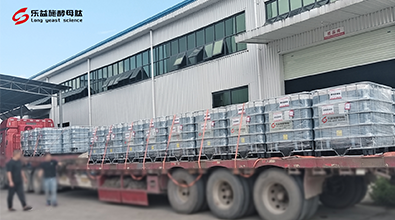
Innovating Agriculture with Yeast-Derived Amino Acid Peptides