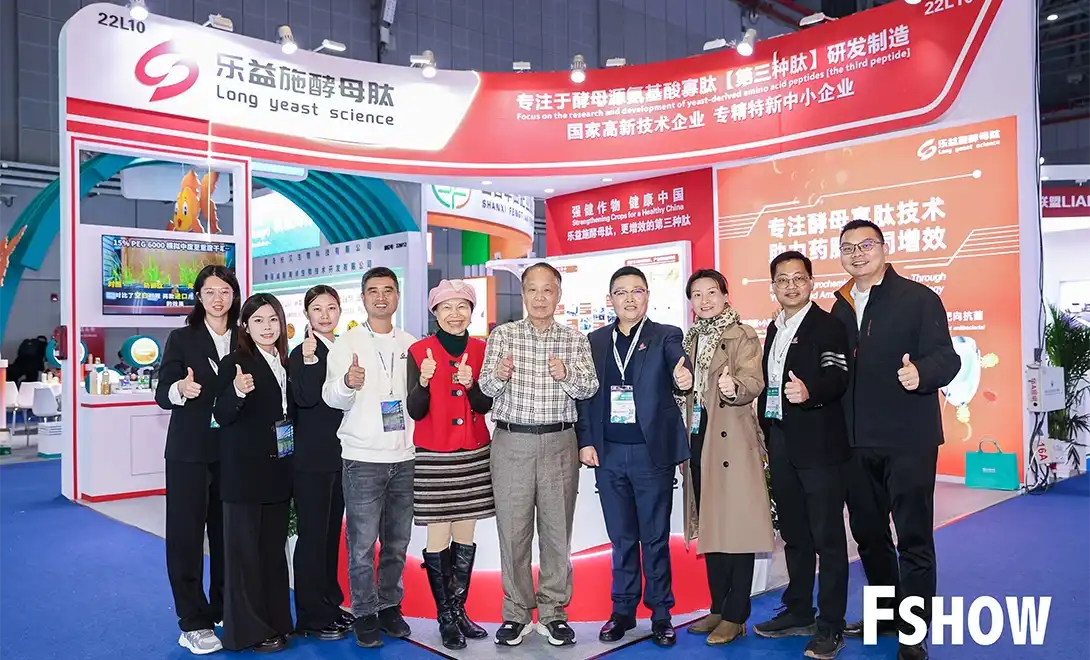
Comprehensive Analysis of Amino Acid Water-Soluble Fertilizers
Amino acid water-soluble fertilizers represent an important advancement in modern crop nutrition by combining bioactive amino acids with essential macro- and micronutrients. These fertilizers are typically produced through enzymatic or acid hydrolysis processes that convert protein sources into readily available amino acids and peptides, allowing for efficient plant absorption. Compared with conventional fertilizers, Amino acid water-soluble fertilizers enhance nutrient uptake efficiency, improve stress tolerance, and support more sustainable agricultural practices across diverse cropping systems.
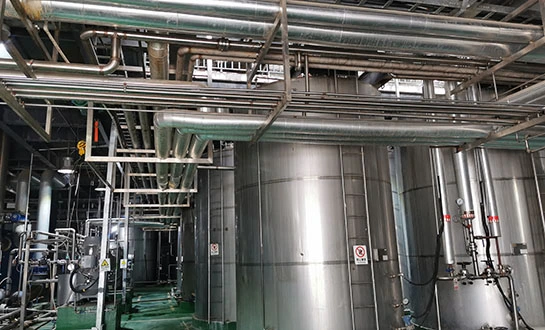
Understanding Amino Acid Water-Soluble Fertilizers
Scientific Foundation and Mode of Action
The functional value of Amino acid water-soluble fertilizers is closely linked to their biochemical composition and mode of action within plant systems. Short-chain peptides act as signaling molecules that regulate physiological responses, while free L-amino acids serve as fundamental building blocks for protein synthesis. By supplying nutrients in pre-formed organic forms, these fertilizers reduce the metabolic energy required for nutrient assimilation, allowing plants to allocate more energy toward growth, development, and stress adaptation.
In addition, amino acids naturally form stable complexes with micronutrients such as iron, zinc, and manganese. This chelation process improves nutrient availability and mobility within plant tissues, facilitating more efficient transport across cell membranes. Their amphoteric nature also enables amino acids to buffer pH conditions in the rhizosphere, helping maintain a stable environment for nutrient uptake under varying soil conditions.
Core Composition and Quality Standards
High-quality Amino acid water-soluble fertilizers are characterized by a balanced composition of free amino acids and bioactive peptides. Powder formulations typically contain between 40% and 80% free amino acids, with specific amino acid profiles tailored to support different physiological functions. For example, proline and glycine are associated with enhanced stress tolerance, while glutamic acid and aspartic acid contribute to vegetative growth and root development.
From a quality perspective, complete water solubility is essential, with insoluble matter generally maintained below 1% to ensure compatibility with irrigation systems. Stable pH levels, typically ranging from 4.0 to 6.0, are maintained to protect crop safety and nutrient stability. Strict control of salinity and heavy metal content is also necessary to meet international agricultural standards and safeguard long-term soil health.
Advanced Formulation Technology
Advancements in enzymatic hydrolysis have significantly improved the performance of Amino acid water-soluble fertilizers. Technologies such as full-spectrum directed enzymatic hydrolysis enable precise control over molecular weight distribution, resulting in a high proportion of small peptides that are rapidly absorbed by plants. In addition to amino acids, modern formulations may include bioactive components such as nucleotides and oligosaccharides, which further enhance metabolic activity and plant resilience. These innovations contribute to improved consistency, bioavailability, and overall agronomic effectiveness.
Application Methods and Best Practices
Precision Application Techniques
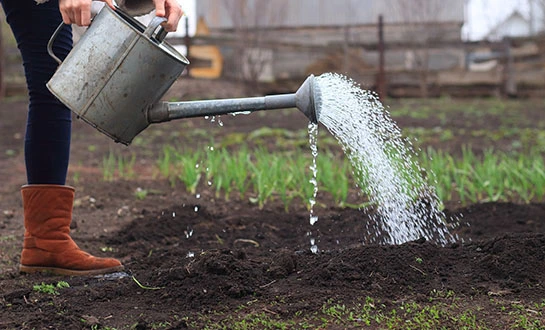
The effectiveness of Amino acid water-soluble fertilizers depends heavily on appropriate application methods. In fertigation systems, these fertilizers dissolve completely in water and can be delivered directly to the root zone through irrigation, ensuring uniform distribution and efficient nutrient utilization. Foliar application allows nutrients to be absorbed rapidly through leaf stomata, making it particularly suitable for correcting deficiencies or mitigating stress conditions. Soil drenching methods, on the other hand, enhance rhizosphere activity and improve nutrient exchange processes, contributing to long-term soil fertility and plant health.
Optimizing Dosage and Timing
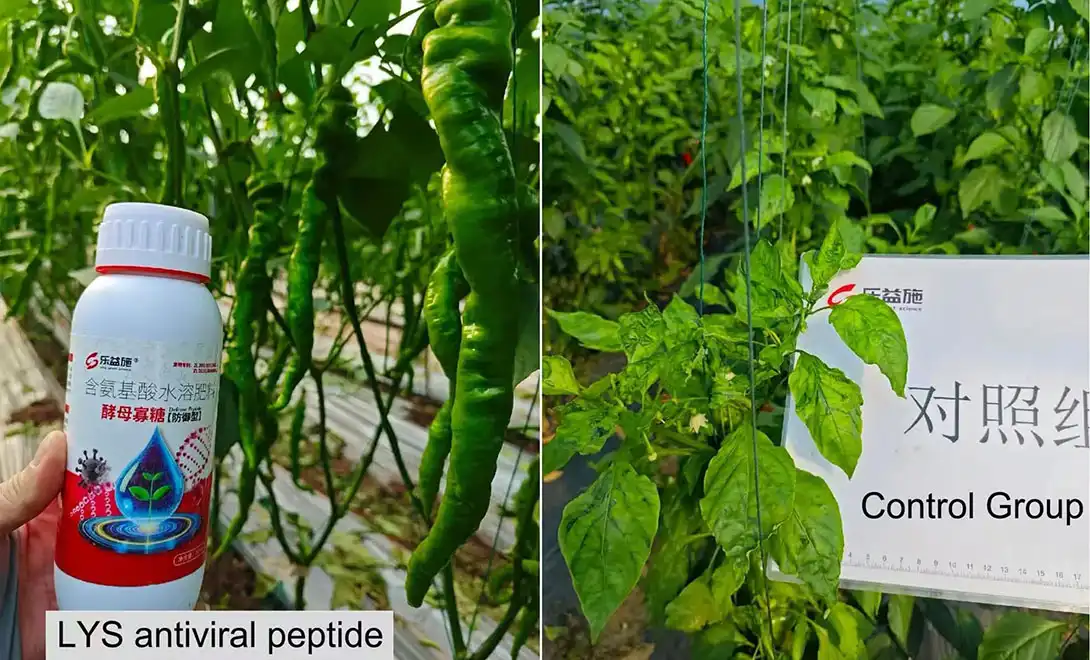
Application strategies should be adjusted according to crop growth stages and environmental conditions. During early growth phases, formulations rich in amino acids that support root and vegetative development are typically preferred. In later stages, especially during flowering and fruiting, amino acids associated with stress tolerance and reproductive performance become more important. Pre-stress applications before anticipated adverse conditions, as well as recovery treatments after stress exposure, can significantly improve plant resilience. Due to their rapid absorption, Amino acid water-soluble fertilizers often produce visible effects within a short time frame.
Compatibility and Tank Mixing Considerations
Amino acid water-soluble fertilizers generally demonstrate good compatibility with a wide range of agrochemicals and conventional fertilizers. However, careful attention should be given to tank mixing practices to avoid potential interactions that may affect solubility or efficacy. For instance, interactions with certain metal-based compounds may alter chemical stability. High-quality formulations are designed to remain stable under varying temperature conditions, allowing for flexible integration into complex nutrient management programs.
Comparison with Other Fertilizer Types
Performance Compared to Chemical Fertilizers
Conventional chemical fertilizers primarily supply nutrients in inorganic forms that are readily available but lack biostimulant properties. While they can deliver immediate nutritional effects, their long-term use may negatively impact soil structure and microbial diversity. In contrast, Amino acid water-soluble fertilizers provide both nutritional and physiological benefits by enhancing nutrient utilization efficiency and supporting biological activity within the soil-plant system. This dual function contributes to more balanced and sustainable crop production.
Advantages Over Organic Alternatives
Compared with other organic inputs such as humic substances or seaweed extracts, Amino acid water-soluble fertilizers offer more direct involvement in plant metabolic processes. While humic substances improve soil structure and seaweed extracts supply growth regulators, amino acids directly participate in protein synthesis and enzymatic activity. As a result, their effects on plant metabolism are often more immediate and measurable. In practice, these inputs are frequently used in combination to achieve complementary benefits.
Economic and Environmental Considerations
Although Amino acid water-soluble fertilizers may have higher initial costs, their efficiency in nutrient utilization often leads to reduced overall input requirements. Improved stress tolerance also helps minimize yield losses under adverse environmental conditions, enhancing economic stability for growers. From an environmental perspective, these fertilizers are biodegradable and less prone to nutrient leaching, making them a suitable option for sustainable agriculture and environmentally responsible farming systems.
Procurement Strategies for Amino Acid Water-Soluble Fertilizers
Quality Assessment Criteria
Evaluating the quality of Amino acid water-soluble fertilizers requires detailed analytical methods. Amino acid profiling, often conducted using advanced chromatographic techniques, helps distinguish between free amino acids and total amino acid content, ensuring the presence of biologically active forms. Molecular weight distribution analysis provides insight into peptide composition, which directly affects absorption efficiency. Additional testing for solubility and heavy metal content ensures compliance with safety and performance standards.
Supplier Evaluation and Selection
Reliable suppliers typically demonstrate strong production capabilities, advanced processing technologies, and consistent quality control systems. Manufacturers with significant production capacity and established industry experience are generally better equipped to provide stable supply and technical support. Access to agronomic guidance, application recommendations, and compatibility testing services further enhances the practical value of their products.
Pricing and Contract Considerations
Market pricing for Amino acid water-soluble fertilizers varies depending on raw materials, production methods, and concentration levels. Products derived from enzymatic hydrolysis often command higher prices due to their superior bioactivity and consistency. Bulk purchasing agreements can help reduce costs and ensure supply continuity. Clearly defined contract terms, including quality specifications, delivery schedules, and performance expectations, are essential for minimizing procurement risks.
Future Trends and Innovations
Technological Advancements
The integration of precision agriculture technologies is transforming the application of Amino acid water-soluble fertilizers. Sensor-based monitoring systems and data-driven decision tools enable more accurate determination of nutrient requirements, improving application efficiency and reducing waste. Advances in extraction and processing technologies continue to enhance product purity and bioactivity, making these fertilizers more accessible and effective.
Market Growth and Regulatory Developments
Global demand for environmentally friendly agricultural inputs is driving the growth of Amino acid water-soluble fertilizers. Regulatory frameworks increasingly favor products that improve nutrient efficiency while minimizing environmental impact. This trend is particularly evident in regions with advanced agricultural systems, where sustainability standards and organic certification requirements are becoming more stringent.
Research and Development Directions
Ongoing research focuses on optimizing amino acid compositions for specific crops and environmental conditions. Customized formulations designed for regional soil characteristics and climate challenges are becoming more common. Additionally, the combination of amino acid fertilizers with beneficial microorganisms is being explored to create synergistic effects that enhance nutrient uptake and plant resilience, representing a promising direction for future innovation.
Conclusion
Amino acid water-soluble fertilizers offer a scientifically advanced approach to crop nutrition by combining rapid nutrient availability with long-term sustainability benefits. Their ability to improve nutrient efficiency, enhance stress tolerance, and support environmentally responsible farming practices makes them an increasingly important component of modern agriculture. Careful selection, proper application, and strategic sourcing are essential to maximizing their value, while ongoing technological innovation continues to expand their potential in global agricultural systems.
FAQ
Q1: What distinguishes enzymatic hydrolysis from acid hydrolysis of amino acid fertilizers?
With enzyme breakdown, the biological activity of L-amino acids and the safety of tryptophan are maintained. This means that the biostimulant works better, even though it costs more to make. Tryptophan and amino acids that contain sulfur are broken down by acid hydrolysis. This process also raises the chloride content, drops the price, and raises the overall nitrogen concentration.
Q2: Can amino acid fertilizers be safely mixed with copper-based fungicides?
Be careful as you put these things together. Because amino acids are strong chelating agents, they can mix with copper ions. This could make fungicides less effective or make plants sick if they take in too much copper. A tank mixer should always be tried out in a jar first before being used on a large scale.
Q3: How do these fertilizers perform in hard water conditions?
Amino acid water-soluble fertilizer products excel in hard water environments compared to regular fertilizers. When the amino acids mix with calcium and magnesium ions, they stop watering systems from precipitating and scaling. This makes sure that plants can still use the nutrients.
Q4: Are amino acid fertilizers suitable for all crop growth stages?
Yes, but different sets of amino acids are good for different stages of growth. Plants with a lot of proline and glycine can handle stress and flower. Plants with a lot of glutamic acid and aspartic acid can sprout and grow leaves.
Partner with LYS for Premium Amino Acid Water-Soluble Fertilizer Solutions
Transform your agricultural operations with LYS AAPS, the industry-leading amino acid water-soluble fertilizer manufacturer delivering unmatched quality and performance. Our patented FSDT technology and seven decades of expertise ensure consistently superior products that exceed industry standards. LYS maintains 10,000 MT annual production capacity with 100% water-soluble formulations that remain stable across temperature variations. Write to alice@aminoacidfertilizer.com to talk to our expert team about how we can help your farming business with one-of-a-kind solutions, low bulk prices, and strong supply chain support.
References
1. Chen, L., & Martinez, R. (2023). "Enzymatic Hydrolysis Technologies in Amino Acid Fertilizer Production: A Comparative Analysis." Journal of Agricultural Biotechnology, 45(3), 78-92.
2. Thompson, K., et al. (2022). "Bioavailability and Plant Uptake Mechanisms of Water-Soluble Amino Acid Fertilizers." Plant Nutrition Science, 38(7), 234-248.
3. Rodriguez, A., & Kim, S. (2023). "Sustainability Assessment of Amino Acid-Based Fertilizers in Modern Agriculture." Environmental Agriculture Review, 29(4), 156-171.
4/ Walsh, D., & Patel, N. (2022). "Economic Analysis of Amino Acid Water-Soluble Fertilizers in Commercial Crop Production." Agricultural Economics Quarterly, 67(2), 89-104.
5. Zhang, H., et al. (2023). "Stress Tolerance Enhancement in Crops Through Amino Acid Supplementation: Field Trial Results." Crop Science International, 52(6), 301-315.
6. Anderson, J., & Liu, W. (2022). "Quality Control Standards and Testing Protocols for Amino Acid Fertilizer Products." International Fertilizer Technology, 41(8), 445-462.

Tell us your needs — we’ll provide the right solution for your crops and markets.
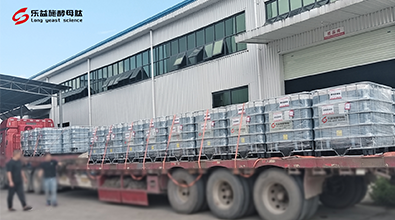
Innovating Agriculture with Yeast-Derived Amino Acid Peptides