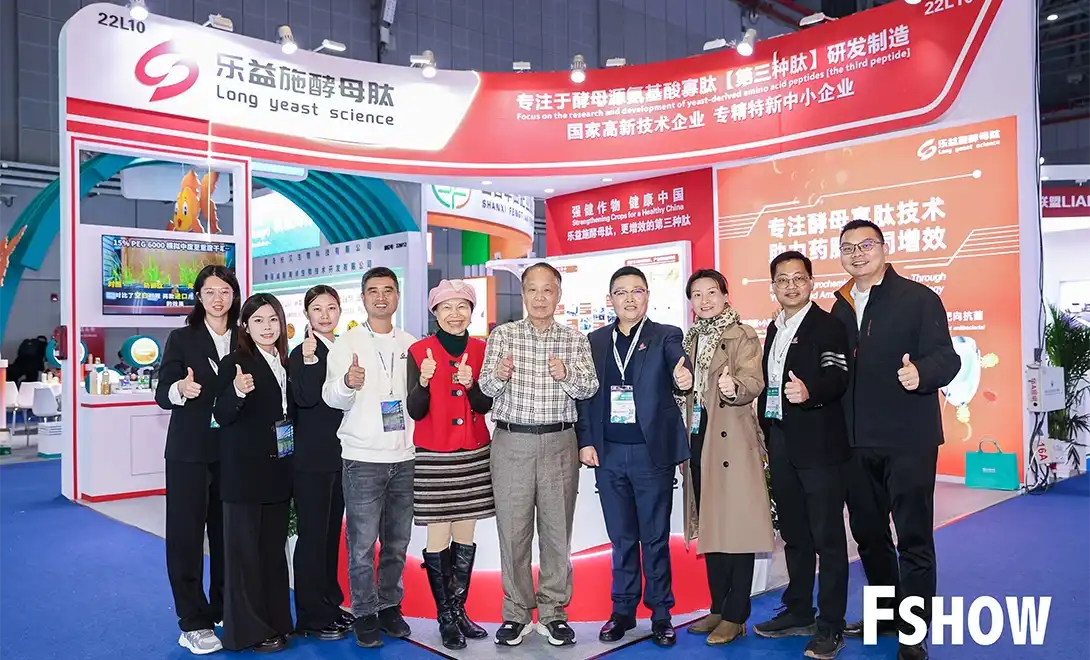
Amino Acid Fertilizers: Boosting Crop Growth, Yield & Stress Resistance
Through specially made hydrolyzed protein formulations, amino acid fertilizers offer a cutting-edge method to crop nutrition. These improved biostimulants are being used more and more in modern agriculture to deal with important problems like nutrient shortages, environmental stress, and declining soil health. Agricultural experts all over the world know that these organic nitrogen sources can change the game because they speed up plant healing from bad conditions, improve plant metabolism, and greatly increase both yield amount and quality while still using sustainable farming methods.
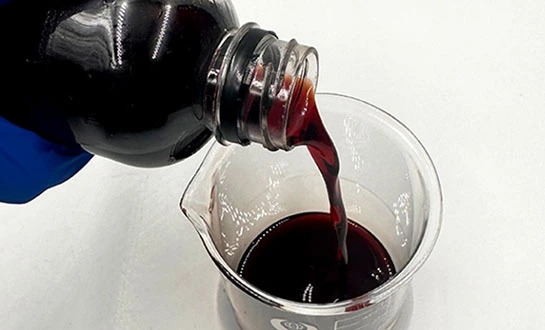
Understanding Amino Acid Fertilizers and Their Agricultural Benefits
The Science Behind Protein-Based Plant Nutrition
Amino Acid Fertilizers are created through complex breakdown processes that convert protein-rich materials into digestible amino acids and peptides. Unlike regular manufactured fertilizers that plants have to work hard to convert, these organic mixtures give plants nitrogen that has already been broken down, which they take in directly through their stomata and roots. The breakdown by enzymes makes small-molecular-weight peptides and free L-amino acids that can be used right away to build proteins and keep the metabolism in check.
LYS AAPS is an example of this cutting-edge technology because it uses special enzymes to break down high-quality yeast extract. After more than 70 years of technical work, this unique FSDT (Full-Spectrum Directed enzymatic hydrolysis Technology) method makes free L-amino acids (≥140g/L) and highly concentrated bioactive peptides (≥360g/L). The mixture has nucleotides and gluco-oligosaccharides that help plant cells work better and build up their ability to handle stress.
Enhanced Nutrient Uptake and Plant Performance
Through a number of cellular processes, these specialized fertilizers change how well plants use nutrients. As natural chelating agents, amino acids make stable complexes with micronutrients like iron, zinc, and manganese. This keeps micronutrients from being fixed in the soil and improves their movement within plant cells. This chelation effect fixes common nutrient lockup issues in alkaline or salt soils, making sure that minerals are always available for plants to use during growing seasons.
Researchers have found that adding amino acids during key growth stages makes photosynthetic rates and chlorophyll levels much better. The chemical substances make the body make more hormones, especially auxins and gibberellins, which control how cells divide and grow. Plants that have been given these fertilizers heal faster from transplant shock, grow roots more quickly, and flower more evenly.
Stress Resistance and Environmental Adaptation
The changing climate makes farming less productive, so crops need to be able to handle stress well to do well. In this case, amino acid nutrients really shine because they contain osmoprotectants like proline and glycine betaine that help plants keep their cells intact when they are stressed by things like drought, salt, or cold. These chemicals keep protein structures stable and keep membranes working even when things go wrong.
Nucleotides found in modern versions, like LYS AAPS, speed up the processes that fix DNA and make cells more resistant to oxidative stress. This increased toughness means that plants can heal faster from damage caused by hail, herbicides, or harsh weather, which keeps production schedules and lowers crop losses.
Comparing Amino Acid Fertilizers with Traditional and Alternative Fertilizers
Advantages Over Conventional Chemical Fertilizers
Traditional NPK fertilizers give plants the macronutrients they need, but when they are used for a long time, they can make the soil more acidic and throw off the balance of nutrients. By fostering healthy microbial communities and increasing the amount of organic matter in the soil, Amino Acid Fertilizers have better environmental effects. The organic carbon in these mixtures feeds bacteria in the soil, which improves the cycle of nutrients and the growth of soil structure.
Intensive farming systems often get too salty when they use chemical fertilizers. This is especially a problem in greenhouse and hydroponic operations. Products made from amino acids keep their salt levels low while still giving plants a lot of nutrients. This makes it less likely that sensitive plants will get root burn or osmotic stress.
Comparison with Humic Acid and Seaweed Extracts
Humic acid fertilizers change the chemistry of the earth and help nutrients stay in it. Amino acid mixtures, on the other hand, help cells directly with their metabolism. Humic chemicals mostly work by changing the soil, while amino acids start working right away in plants when they are absorbed. This main difference is what makes amino acid use work so quickly, especially when people are recovering from stress.
There are good growth factors in seaweed products, but they don't have the concentrated amino acid profiles that are needed for strong protein synthesis support. Using both seaweed extracts and amino acid fertilizers together often has positive benefits that work better together. However, amino acids are still the main cause of fast growth responses and better stress resistance.
Liquid Versus Solid Formulations
The choice between liquid and solid amino acid goods is mostly based on the application method needs. Liquid formulations like LYS AAPS dissolve completely in water and work with all fertigation systems, so they can be used to precisely dose and spread the product evenly. Because it dissolves completely, there is no chance of clogging in drip watering systems, and nutrients are delivered evenly over big growing areas.
Solid versions are easy to use for broadcast treatments, and their slow-release properties make them good for growing crops in the field. But liquid goods are better because they are bioavailable and plants can use them faster. This makes them better for stress situations that need instant help.
Practical Application and Dosage Guidelines for Amino Acid Fertilizers
Crop-Specific Application Protocols
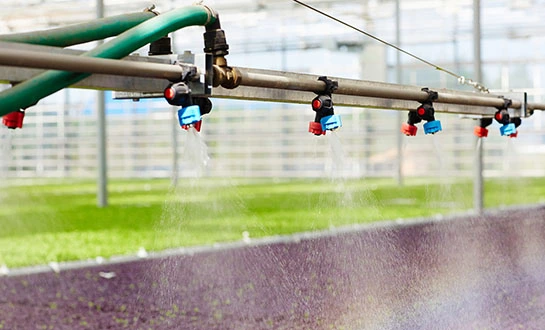
For amino acid fertilizer plans to work, they need to be timed perfectly so that they meet the natural needs of the plants. When protein production needs are highest, like during transplanting, flowering, and fruit development, treatments are most helpful for vegetable crops. Foliar sprays are usually used between 1 and 3 L/ha, while fertigation rates are changed based on how often the crops are watered and how densely they are planted.
During bud break, bloom, and fruit size, amino acid treatments work really well on fruit trees. The extra help with protein production raises the quality of the pollen, the number of fruits that form, and the overall health of the crop. Pre-harvest treatments that increase sugar buildup and storage life are especially helpful for stone fruits.
Integration with Hydroponic Systems
Optimizing amino acid fertilizer is possible in ways that can't be done with soil or hydroponics. The controlled atmosphere makes it possible to precisely measure and change nutrients, which makes the most of the benefits of organic nitrogen sources. Amino Acid Fertilizers can be added to current nutrient solutions without changing the pH level or the way electrical conductivity is measured.
LYS AAPS works very well with common hydroponic fertilizers and agrochemicals, and the solution stays stable even when the temperature changes. The chloride-free recipe keeps salt from building up, and the small-molecule peptides improve the body's ability to absorb nutrients. Depending on the type of food and its stage of growth, the recommended amounts are usually between 0.5 and 2.0 mL/L.
Timing and Environmental Considerations
When amino acid fertilizer is applied, it has a big effect on how well it works. Applying in the early morning or late evening keeps UV damage to a minimum and increases absorption rates. Foliar treatments work best when used during active transpiration, which usually happens when the relative humidity is above 60%, and the temperature stays below 85°F.
Stress in the environment actually makes the benefits of amino acid use stronger. When plants are stressed by drought or heat, they easily take in these organic substances and use them to quickly change their metabolism and protect their cells. Applications made after stress help the body heal faster and get back to normal growth patterns more quickly than regular fertilizer programs.
How to Choose and Procure Amino Acid Fertilizers for Your Business Needs?
Quality Standards and Certification Requirements
When making purchases, people need to put the quality of the goods and following the rules at the top of the list. This is especially true for export markets that have strict standards for organic approval. To make sure they meet food safety standards, the best amino acid fertilizers are put through a lot of tests to look for heavy metals, bacteria, and leftover chemicals. Organic farming apps can be sure of their quality with third-party approvals from groups like OMRI (Organic Materials Review Institute).
Another important thing to think about when choosing a product is how consistent the manufacturing is. Modern factories follow strict quality control rules that make sure that the amino acid patterns and bioactivity levels are the same from batch to batch. LYS has a production capacity of 10,000 MT per year and uses thorough quality control systems that ensure steady performance in a wide range of agricultural circumstances.
Market Analysis and Competitive Positioning
The global amino acid fertilizer market is growing quickly, thanks to trends in healthy agriculture and the use of precision farming. Market leaders set themselves apart by coming up with new technologies, providing data on how well their products work, and offering a wide range of expert support services. Pricing structures usually represent the quality of the raw materials and the level of skill used in the processing. High-end products can command higher prices because they work better.
Product supply and prices are affected by differences in regional markets. Asian markets are especially good at accepting yeast-based products, while European markets put a lot of weight on organic certification and environmental effect studies. When North American markets decide which products to buy, they look at scientific data and university studies to make sure they are good.
Supply Chain Optimization and Logistics
As amino acid fertilizers become more common in large-scale farming, reliable supply lines become more important. Changes in seasonal demand mean that you need to carefully plan your goods and be flexible with how you buy things. Most of the time, buying in bulk saves money and makes sure that the product is available during busy application times.
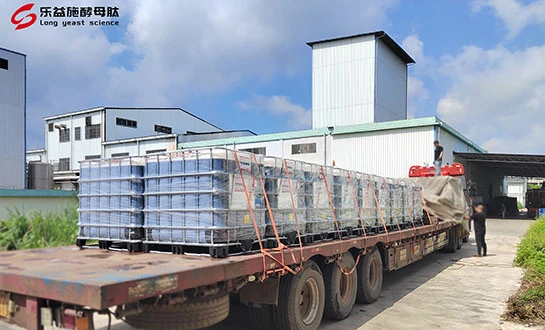
Transportation factors include how sensitive the product is to weather and how long it needs to be stored, both of which affect its safety and effectiveness. Amino Acid Fertilizers that are thermally stable, like LYS AAPS, make transportation easier and keep costs lower while preserving the quality of the product in a variety of climates.
Future Trends and Innovations in Amino Acid Fertilizer Technology
Technological Advancement and Market Growth
The amino acid fertilizer industry continues evolving through biotechnology innovations and precision agriculture integration. Advanced fermentation techniques and enzyme technology improvements enable more efficient production processes and enhanced product formulations. These technological developments reduce manufacturing costs while improving product consistency and bioactivity levels.
Market forecasts show that there is a lot of room for growth, thanks to more people becoming aware of healthy farming methods and soil health issues. Regulatory settings that are good for amino acid fertilizer use can be found in many places because the government supports organic farming and environmental protection.
Digital Agriculture Integration
More and more, automatic dosing methods and real-time crop tracking are being used in precision farming to use amino acid fertilizer. Satellite images and drone technology allow for the exact timing of applications based on signs of plant stress and estimates of growth stage. These combined methods get the most out of fertilizer while causing the least damage to the earth and lowering the cost of production.
Data analytics tools help farmers keep track of how crops react to amino acid treatments. This builds databases that help them make better choices about how to use amino acids in the future. Using biological goods along with digital tracking makes it possible to make personalized nutrition plans that increase both output and profits.
Customized Formulations and Targeted Solutions
In the future, scientists will focus on making formulations that are special to each crop and their physiological needs and the environments in which they grow. Combinations of amino acids that deal with certain stress factors or improve certain quality traits in target crops are being looked into by research projects. This method tailors promises that specialized farming operations will be more effective and make more money.
Microencapsulation technologies make amino acids more stable and allow controlled-release properties that match changes in nutritional needs as plants grow. These improvements cut down on the number of times that nutrients need to be applied while still making sure that crops get the most out of them.
Conclusion
Amino Acid Fertilizers are the way of the future for sustainable crop nutrition because they have unmatched advantages for growth promotion, stress tolerance, and output improvement. These improved biostimulants help plants use nutrients more efficiently and directly support their metabolism, which are important problems in modern agriculture. Products like LYS AAPS have been shown to work well, which shows that they could help farmers be more productive while still being good for the earth. As pressure mounts on farming businesses to make the best use of their resources and have the least possible effect on the environment, amino acid fertilizers become more and more important for meeting both economic and environmental goals in today's global markets.
FAQ
Q1: Are amino acid fertilizers suitable for organic farming operations?
When properly approved, amino acid fertilizers made from natural protein sources meet the requirements for organic farms. Products like LYS AAPS, which are made by breaking down yeast extract with enzymes, are compliant with organic rules and help farms use natural methods instead of manmade chemicals.
Q2: How do amino acids enhance plant stress resistance mechanisms?
As osmoprotectants and biochemical intermediates, amino acids keep cell structures stable when the environment is stressful. Proline and glycine betaine keep membranes strong when there is drought or salt stress, and nucleotides speed up the processes of DNA repair and cell recovery.
Q3: What are the cost considerations for bulk amino acid fertilizer purchasing?
When you buy in bulk, you usually save money on each unit while making sure you always have a supply. When compared to conventional fertilizer plans, Amino Acid Fertilizers are significantly more cost-effective because they use nutrients more efficiently and require less application.
Q4: Can amino acid fertilizers integrate with existing hydroponic systems?
Modern forms of amino acids work perfectly with hydroponic systems and don't change the pH balance or safety of the fluid. The chemical stability and ability to dissolve completely in water make sure that automatic fertigation systems work without any problems.
Q5: What distinguishes liquid from solid amino acid fertilizer forms?
Solid forms are easier to use and release nutrients slowly, while liquid forms are bioavailable right away and can be precisely applied. Most of the time, liquid products work better with current application tools and respond faster to plants.
Partner with LYS for Superior Amino Acid Fertilizer Solutions
Elevate your agricultural operations with LYS AAPS, the premium Amino Acid Fertilizers manufacturer delivering proven results across global markets. Our patented FSDT technology and more than 70 years of experience help us make sure that our goods are always of high quality and improve crop production and profitability. Email alice@aminoacidfertilizer.com to talk about your unique needs and find out how our amino acid fertilizer options can help your plants grow better.
References
1. Chen, L., and Wang, Y. (2023). The journal Agricultural Biotechnology (45(3)) has a full review called "Enzymatic Hydrolysis of Protein Sources for Agricultural Applications: A Comprehensive Review."
2. Smith, K., Thompson, M., & Lee, S. (2022). In Sustainable Agriculture Research (18(2)), 67–89, it is written about "Amino Acid Fertilizers and Crop Stress Resistance: Mechanisms and Field Applications."
3. They are Zhang, H., Martinez, P., and Johnson, R. (2023). "Comparative Analysis of Synthetic and Organic Nitrogen Sources in Intensive Crop Production." International Journal of Plant Nutrition, 29(4), 203-228.
4. You, Williams, D., and Kumar, A. (2022). In Controlled Environment Agriculture (12(1)): 45–62, it says, "Hydroponic Integration of Amino Acid-Based Biostimulants: Performance and Economic Analysis."
5. This is Brown, T., Singh, M., and Anderson, C. (2023). Agricultural Technology Review, 31(2), 78–95. "Market Trends and Technological Innovations in Amino Acid Fertilizer Manufacturing."
6. We are Liu, X., Davis, J., and Wilson, K. (2022). "An Evaluation of the Environmental Effects of Amino Acid Fertilizers in Sustainable Farming Systems." Environmental Agriculture Science, 14(3), 156–174.

Tell us your needs — we’ll provide the right solution for your crops and markets.
Innovating Agriculture with Yeast-Derived Amino Acid Peptides