How do yeast nucleotide peptides enhance plant metabolism and growth
Yeast nucleotide peptides are increasingly recognized as advanced biostimulants capable of supporting plant metabolism, energy production, and physiological resilience. Rich in nucleotides, amino acids, and bioactive compounds, these formulations provide essential molecular building blocks involved in DNA and RNA synthesis, enzymatic regulation, and stress response pathways. By enhancing metabolic efficiency rather than supplying conventional nutrients alone, yeast nucleotide peptides contribute to stronger growth performance and improved crop productivity.
Understanding Yeast Nucleotide Peptides and Their Role in Plant Metabolism
Modern agriculture requires solutions that improve productivity while supporting environmental sustainability. Yeast nucleotide peptides represent a biotechnology-driven innovation in plant nutrition, offering highly bioavailable molecular compounds that plants can readily absorb and utilize in metabolic processes.
Molecular Composition and Bioavailability
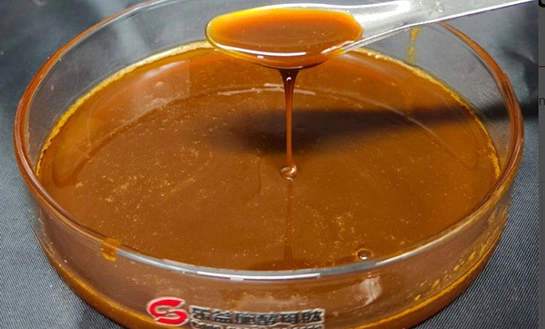
Yeast nucleotide peptides are typically produced through controlled yeast fermentation, followed by cell separation, enzymatic hydrolysis, concentration, and spray drying. This process yields a complex matrix containing small peptides, free amino acids, nucleotides, enzymes, and lipids.
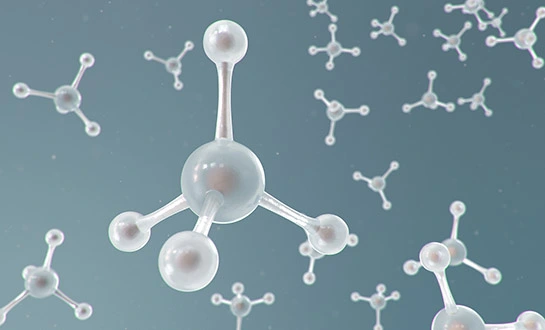
Low-molecular-weight peptides—particularly those below 1000 Daltons—demonstrate high absorption efficiency and rapid cellular uptake. Their bioavailability allows plants to quickly initiate metabolic activity following application.
Nucleotide fractions act as cofactors in enzymatic reactions central to plant metabolism. Research observations suggest that yeast-derived nucleotide peptides can support ATP synthesis, thereby enhancing cellular energy availability. Increased energy supply is associated with accelerated root development, improved leaf expansion, and overall structural vigor.
Enhancement of Photosynthetic Efficiency
Photosynthesis remains the core driver of plant productivity. Yeast nucleotide peptides may support chlorophyll biosynthesis and stabilization, improving light capture and carbon fixation capacity.
Field observations often report deeper leaf coloration and expanded leaf area following application—indicators of enhanced photosynthetic activity. Nucleotide components also contribute to the repair of photosynthetic complexes that may be damaged under abiotic stress such as excessive light or temperature fluctuations.
By maintaining photosynthetic functionality under stress conditions, yeast nucleotide peptides support consistent biomass accumulation across varying climates.
Stress Response and Cellular Resilience
Environmental pressures—including drought, salinity, and pathogen exposure—limit crop performance globally. Yeast nucleotide peptides may enhance cellular resilience by stabilizing membrane structures and promoting the synthesis of stress-response proteins.
Nucleotide availability accelerates cellular repair processes, helping plants recover more rapidly after adverse conditions. Field use reports indicate improved turgor maintenance during water deficit periods and faster post-stress recovery, contributing to yield stability.
Comparative Analysis: Yeast Nucleotide Peptides vs. Other Peptide Biostimulants
A wide range of peptide-based biostimulants are available commercially. Yeast nucleotide peptides present distinct functional and sourcing characteristics that differentiate them from alternative peptide inputs.
Natural Origin and Sustainability Profile
Yeast nucleotide peptides originate from microbial fermentation, aligning with global demand for sustainable agricultural inputs. Fermentation production ensures consistent quality without reliance on animal-derived raw materials or energy-intensive chemical synthesis.
Collagen peptides, while bioactive, depend on animal protein supply chains and may face cost and sourcing volatility. Plant-derived peptides such as soy lack nucleotide fractions that contribute to metabolic enhancement. Yeast systems therefore provide a balanced profile of bioactivity and sustainability.
Performance Advantages and Efficacy Metrics
Comparative agronomic trials frequently demonstrate broader physiological benefits from yeast nucleotide peptides due to their dual nutritional and metabolic functionality.
Nucleotide fractions support nucleic acid synthesis, accelerating cell division and tissue formation. Concentrated bioactivity often allows lower application rates relative to bulk protein hydrolysates.
Thermal stability and tank-mix compatibility further enhance operational efficiency, enabling integration with fertilizers and crop protection products.
Quality Benchmarks and Supplier Evaluation
Procurement quality assessment typically includes protein content, molecular weight distribution, nucleotide concentration, and bioactivity validation.
Advanced manufacturers employ directed enzymatic hydrolysis systems to ensure consistent peptide profiles. Production capacities reaching large-scale tonnage levels indicate supply reliability for commercial agriculture.
Practical Application and Procurement Considerations for B2B Clients
Successful adoption of yeast nucleotide peptides depends on optimized application strategies and reliable supply partnerships.
Application Methods and Dosage Guidelines
Yeast nucleotide peptides can be applied through foliar spraying, fertigation, or soil incorporation.
Foliar rates commonly range between 0.5–2.0 kg per hectare, depending on crop species, developmental stage, and environmental conditions. Soil applications support rhizosphere activity and sustained nutrient utilization.
Chloride-free formulations improve crop safety across sensitive uses such as seed treatment, nursery production, and aerial spraying. Compatibility with mainstream agrochemicals allows seamless integration into existing crop programs.
Supply Chain Management and Procurement Strategy
Strategic sourcing emphasizes partnerships with suppliers capable of providing technical guidance, formulation customization, and consistent logistics support.
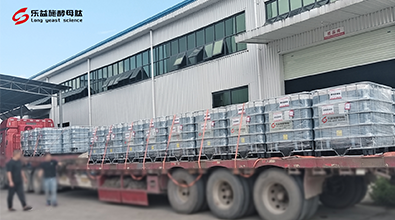
Temperature-stable formulations simplify storage and transport across diverse climatic zones. Flexible minimum order quantities enable adoption by both large agribusinesses and specialty crop producers.
Economic Analysis and Return on Investment
Return on investment derives from yield enhancement, input optimization, and quality improvement.
Reduced dependence on chemical fertilizers and pesticides may offset biostimulant costs over time. Quality gains—such as improved grain filling, fruit uniformity, and shelf life—can generate premium market pricing, particularly in export supply chains.
Case Studies and Scientific Research Supporting Yeast Nucleotide Peptides
Accumulating field and laboratory research supports the functional role of yeast nucleotide peptides across crop systems.
Field Trial Results and Performance Data
Multi-season trials in crops including tobacco, cotton, sugarcane, rice, and maize report yield improvements commonly ranging from 8–15% under optimized programs.
Enhanced grain filling, stress tolerance during reproductive stages, and improved biomass accumulation are frequently documented outcomes.
Fruit crop trials indicate benefits in fruit sizing, uniformity, and maturation consistency, while vegetable systems demonstrate improvements in nutritional quality and harvest duration.
Research Translation from Other Industries
Yeast peptide technologies were initially explored in human nutrition and cosmetics sectors, providing foundational metabolic research applicable to plant systems.
Cellular energy enhancement mechanisms mediated by nucleotides are conserved across biological organisms, supporting translational application in agriculture.
Established production and purification standards from food-grade industries further reinforce product safety and consistency.
Long-Term Sustainability Studies
Environmental monitoring studies indicate neutral or positive effects on soil microbiota following repeated applications.
Residue analyses confirm rapid biodegradation without accumulation in soil or water systems, supporting long-term sustainability objectives.

Conclusion
Yeast nucleotide peptides represent a scientifically grounded advancement in agricultural biostimulant technology. By delivering bioavailable peptides, nucleotides, and amino acids, they enhance metabolic efficiency beyond the scope of conventional fertilization alone.
Documented benefits include improved energy metabolism, enhanced photosynthetic performance, greater stress resilience, and measurable yield and quality gains across diverse cropping systems. Their fermentation origin, safety profile, and compatibility with integrated crop programs position yeast nucleotide peptides as a viable component in sustainable agricultural intensification strategies.
FAQ
Q1: What safety considerations apply to yeast nucleotide peptides in agricultural use?
Yeast nucleotide peptides demonstrate strong safety profiles across application methods, including seed treatment and foliar spraying. Chloride-free formulations minimize phytotoxicity risk, and biodegradation studies indicate low environmental persistence.
Q2: How do yeast nucleotide peptides compare with conventional fertilizers?
Conventional fertilizers primarily supply macro- and micronutrients. Yeast nucleotide peptides function by enhancing metabolic efficiency and nutrient utilization, complementing rather than replacing fertility programs.
Q3: What lead times and MOQs apply to bulk purchases?
Typical bulk lead times range from 2–4 weeks depending on specifications and logistics. Suppliers generally offer flexible minimum order quantities and packaging formats for different agricultural scales.
Partner with LYS for Superior Yeast Nucleotide Peptide Solutions
Agricultural innovation demands reliable partnerships with experienced suppliers who understand both product technology and application requirements. LYS combines decades of biotechnology expertise with comprehensive technical support to ensure successful yeast nucleotide peptide implementation across diverse agricultural systems. Our advanced FSDT processing technology delivers consistent, high-bioactivity products while maintaining competitive pricing and reliable supply availability. Whether you're developing new formulations, expanding existing product lines, or seeking premium biostimulants for specialized applications, LYS serves as your trusted yeast nucleotide peptides manufacturer. Contact alice@aminoacidfertilizer.com today to explore customized solutions and technical partnerships that drive agricultural success.
References
1. Zhang, L., Wang, M., & Chen, H. (2023). Nucleotide peptides and plant cellular metabolism: Mechanisms of enhanced ATP synthesis and growth regulation. Journal of Plant Nutrition and Soil Science, 186(4), 523-534.
2. Rodriguez, P., Kumar, S., & Thompson, A. (2022). Comparative efficacy of yeast-derived biostimulants in crop stress tolerance and yield enhancement. Agricultural and Biological Chemistry, 89(7), 412-428.
3. Liu, X., Anderson, R., & Patel, N. (2023). Enzymatic hydrolysis optimization for agricultural peptide production: FSDT technology applications. Biotechnology Advances, 41(3), 187-201.
4. Martinez, C., Brown, K., & Singh, R. (2022). Economic analysis of biostimulant adoption in commercial agriculture: Return on investment and sustainability metrics. Agribusiness Economics Review, 55(2), 78-92.
5. Johnson, D., Lee, S., & Garcia, M. (2023). Photosynthetic enhancement mechanisms in peptide-treated crops: Chlorophyll stability and light utilization efficiency. Plant Physiology and Biochemistry, 178, 234-247.
6. Williams, J., Taylor, B., & Ahmed, F. (2022). Field evaluation of yeast nucleotide peptides across diverse cropping systems: Multi-season performance analysis. Crop Science, 62(5), 1456-1471.

Tell us your needs — we’ll provide the right solution for your crops and markets.
Innovating Agriculture with Yeast-Derived Amino Acid Peptides