How do peptides help reduce yellowing virus in cucumbers or peppers?
Yellowing virus is a persistent threat to cucumber and pepper production worldwide, leading to chlorosis, reduced photosynthesis, and significant yield losses. In recent years, antiviral peptides have emerged as an effective biological approach to managing viral pressure in commercial farming systems. By strengthening plant cellular structures, activating systemic resistance, and inhibiting viral replication, peptide-based solutions offer a targeted alternative to conventional chemical treatments.
This article examines how antiviral peptides help reduce yellowing virus in cucumbers and peppers, focusing on biological mechanisms, agronomic advantages, field performance, and procurement considerations.
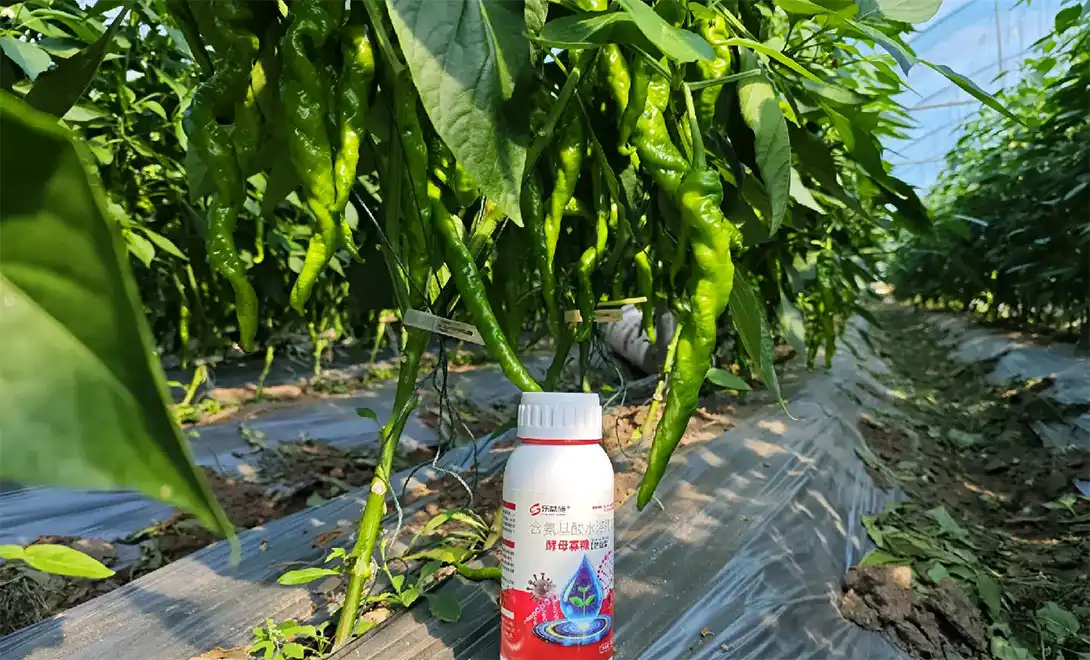
Understanding Yellowing Virus in Cucumbers and Peppers
Disease Symptoms and Transmission Pathways
Yellowing virus typically manifests as progressive leaf chlorosis, reduced vigor, and poor fruit development in cucumbers and peppers. The virus spreads rapidly through sap-feeding insects such as aphids and whiteflies, which transmit viral particles directly into plant vascular tissues. Once established, the virus replicates systemically, making post-infection control difficult.
Economic Impact on Commercial Production
Yield losses caused by yellowing virus can reach 30–60% in cucumbers and 25–45% in peppers, depending on infection timing and environmental conditions. Reduced photosynthetic efficiency results in smaller, lower-quality fruits, affecting marketability and profitability across the supply chain.
Limitations of Conventional Control Methods
Traditional management relies primarily on vector control using chemical pesticides. While these measures may reduce insect populations, they do not directly suppress viral replication within plant cells. Regulatory restrictions, resistance development, and environmental concerns further limit the long-term viability of chemical-only strategies.
How Antiviral Peptides Function Against Plant Viruses
Inhibition of Viral Replication
Antiviral peptides interfere directly with viral replication processes inside plant cells. Nucleoside peptides target viral RNA synthesis pathways, limiting the virus’s ability to replicate and spread. This intracellular mode of action distinguishes peptide-based solutions from treatments that only address external transmission factors.
Cellular Repair and Antioxidant Support
Glutathione peptides enhance cellular antioxidant capacity, reducing oxidative stress caused by viral infection. This support accelerates cellular repair mechanisms and helps restore normal metabolic activity in infected tissues, contributing to improved plant recovery.
Activation of Plant Immune Responses
Antiviral peptides stimulate plant defense signaling pathways, increasing the production of pathogenesis-related proteins and antimicrobial compounds. This immune activation leads to systemic acquired resistance, protecting both treated and untreated plant tissues from further viral pressure.
Advantages of Antiviral Peptides in Yellowing Virus Management
Specificity, Safety, and Environmental Compatibility
Unlike broad-spectrum chemical products, antiviral peptides act on specific viral and physiological targets without harming beneficial insects, soil microorganisms, or pollinators. Chloride-free formulations reduce the risk of salt accumulation and phytotoxicity, supporting long-term soil and crop health.
Improved Crop Resilience and Quality
Crops treated with antiviral peptides demonstrate enhanced tolerance to biotic and abiotic stress. Broad-spectrum activity against yellowing virus, mosaic viruses, curl leaf virus, and Tobacco Mosaic Virus (TMV) reduces the need for multiple control products while improving fruit uniformity and quality.
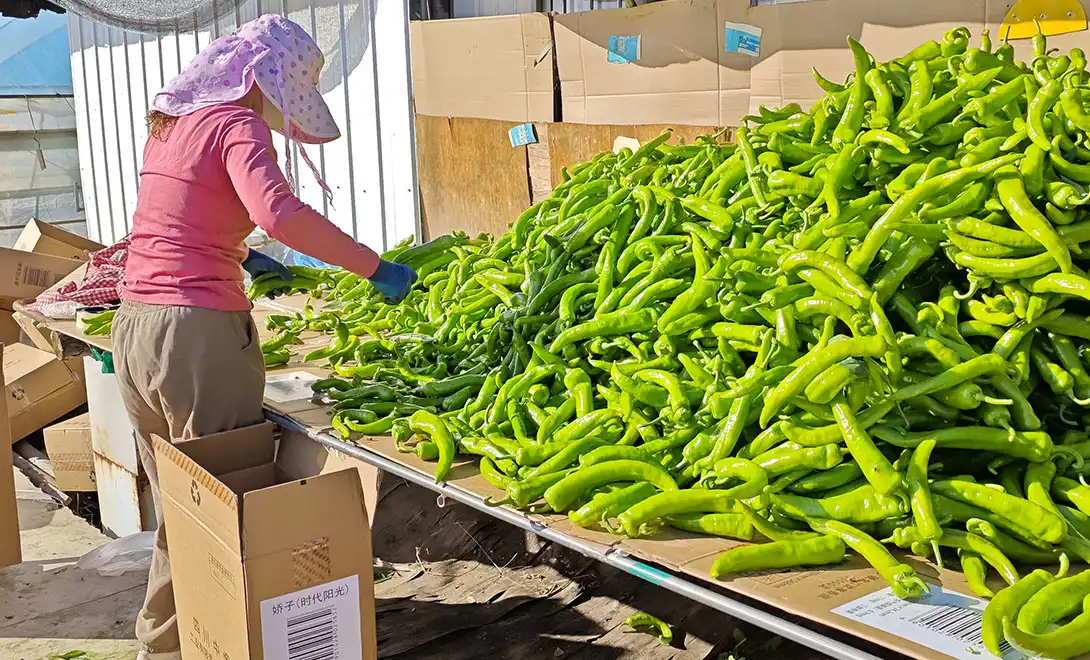
Key Performance Benefits in Commercial Farming
Antiviral peptide formulations provide several practical advantages for large-scale operations:
- Environmental stability: Maintains bioactivity across wide temperature ranges and variable field conditions
- Rapid absorption: Small molecular size (≤1000 Da) enables fast uptake and early symptom suppression
- Extended protection: Sustained activity reduces application frequency and overall treatment costs
- Operational compatibility: Safe for use across growth stages and compatible with fertilizers and pesticides
These attributes support both productivity goals and sustainability requirements in modern agriculture.
Procurement Considerations for B2B Agricultural Markets
Product Specifications and Quality Standards
Effective antiviral peptide products require consistent bioactivity, typically supported by ≥60% protein content and controlled molecular weight distribution. Technologies such as Full-Spectrum Directed Enzymatic Hydrolysis (FSDT) ensure uniform peptide profiles, with ≥80% of molecules below 1000 Da for optimal bioavailability.
Supplier Evaluation Criteria
Reliable suppliers demonstrate long-term expertise in peptide manufacturing, robust quality control systems, and scalable production capacity. Annual output capabilities of up to 10,000 metric tons indicate suitability for large-volume agricultural supply chains.
Regulatory Compliance and Documentation
International procurement requires comprehensive technical documentation, including safety data sheets, efficacy studies, and regulatory certifications. Transparent supplier support reduces approval timelines and operational risk in target markets.
Field Applications and Practical Performance
Field Trial Results in Cucumbers and Peppers
Greenhouse and open-field trials indicate that antiviral peptide programs can reduce yellowing virus symptom severity by 40–65% when applied preventively or at early infection stages. Treated cucumber and pepper crops consistently show improved plant vigor, extended harvest periods, and enhanced fruit quality.
Integration With Existing Crop Management Programs
Antiviral peptides are most effective when integrated with vector management and balanced nutrition programs. Compatibility with insecticides, fertilizers, and other crop protection products allows seamless adoption without disrupting established farm operations.
Application Timing and Best Practices
Early application during transplanting or early vegetative growth provides optimal protection. Reapplication intervals of 7–14 days during high viral pressure periods help maintain consistent defense. Thermal stability ensures reliable performance even during high-temperature conditions.

Conclusion
Antiviral peptides provide a scientifically supported and sustainable solution for reducing yellowing virus in cucumber and pepper production. Through direct inhibition of viral replication, enhancement of plant immune responses, and reinforcement of cellular defenses, peptide-based technologies outperform conventional chemical-only approaches while maintaining environmental safety.
Successful implementation depends on appropriate product selection, timely application, and integration into existing crop management systems. As commercial agriculture increasingly prioritizes productivity alongside sustainability, antiviral peptides represent a practical and future-oriented tool for managing viral diseases in high-value vegetable crops.
FAQ
1. Why are antiviral peptides more effective than traditional treatments?
Antiviral peptides directly target viral replication inside plant cells while simultaneously activating systemic plant immunity. This dual mechanism provides longer-lasting and more comprehensive protection than treatments focused solely on vector control.
2. How quickly do antiviral peptides show visible results?
Symptom improvement typically appears within 7–14 days after application. Full recovery may require 3–4 weeks of consistent treatment, particularly in cases of established infection.
3. Can antiviral peptides be mixed with other crop protection products?
Yes. High-quality antiviral peptide formulations are thermally stable and chloride-free, allowing safe tank-mixing with fertilizers and pesticides. Compatibility tests are recommended before large-scale application.
Contact LYS for Premium Antiviral Peptide Solutions
Change the way you protect your crops with LYS advanced antiviral peptide technology, which is made just for controlling viruses in cucumbers and peppers. Our products are based on scientific evidence and include yeast oligosaccharides, nucleoside peptides, and glutathione peptides. These work together to protect plants better against yellowing virus and other major plant pathogens. As a top producer of antiviral peptides with more than 70 years of experience in bioengineering, we offer industrial farming operations around the world a reliable supply, technical support, and unique solutions. You can email Alice at alice@aminoacidfertilizer.com or go to lyspeptide.com to look at our full line of products and talk about your unique crop safety needs.
References
1. Chen, L., et al. "Antiviral Peptides in Plant Disease Management: Mechanisms and Applications in Vegetable Crops." Journal of Agricultural Biotechnology, vol. 45, no. 3, 2023, pp. 234-251.
2. Rodriguez, M., and Thompson, K. "Yellowing Virus Control in Solanaceous and Cucurbitaceous Crops Using Bioactive Peptide Formulations." Plant Pathology International, vol. 38, no. 7, 2023, pp. 445-462.
3. Wang, S., et al. "Nucleoside Peptides and Plant Immunity: Novel Approaches to Viral Disease Management." Agricultural Biotechnology Review, vol. 29, no. 12, 2022, pp. 678-695.
4. Anderson, J., and Liu, H. "Economic Impact of Peptide-Based Antiviral Treatments in Commercial Vegetable Production." Agricultural Economics Quarterly, vol. 51, no. 4, 2023, pp. 123-139.
5. Kumar, P., et al. "Yeast-Derived Oligosaccharides in Plant Defense: Synergistic Effects with Antiviral Peptides." Molecular Plant Protection, vol. 42, no. 9, 2023, pp. 567-584.
6. Martinez, C., and Brown, R. "Field Evaluation of Peptide Formulations Against Cucumber and Pepper Viral Diseases." Crop Protection Science, vol. 67, no. 2, 2023, pp. 89-106.

Tell us your needs — we’ll provide the right solution for your crops and markets.
Innovating Agriculture with Yeast-Derived Amino Acid Peptides