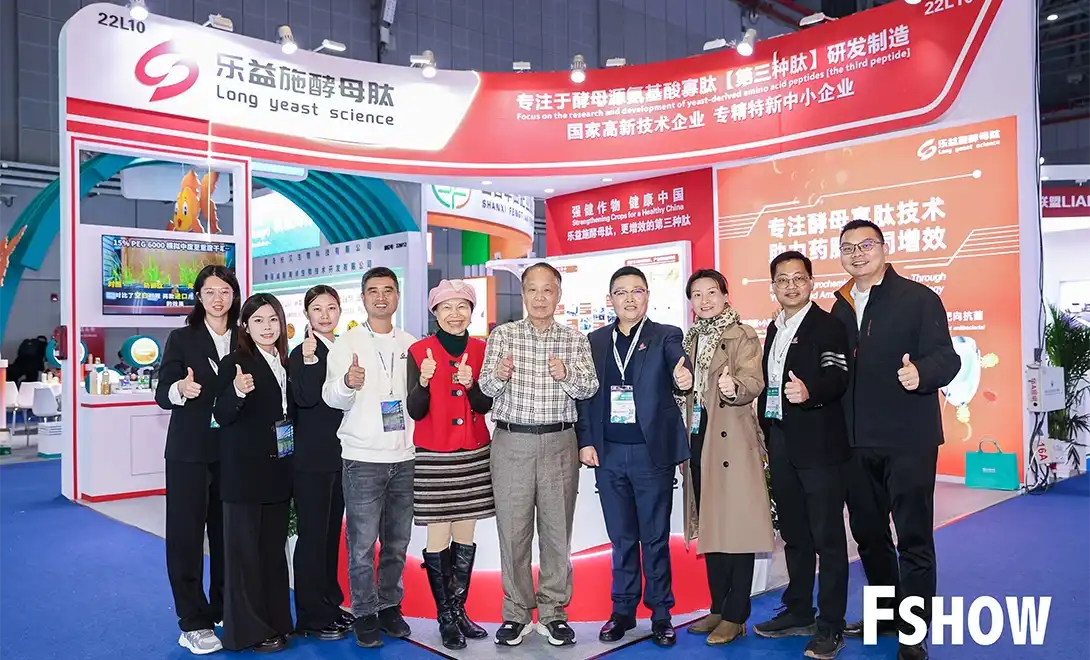
Explain the role of signaling peptides in plant growth and biofertilizer interaction
Signaling peptides are molecular signals that control how plants grow, absorb nutrients, and react to stress.When mixed with helpful microorganisms in Biofertilizer with Peptides, these bioactive compounds work together to make roots grow faster, plants absorb nutrients better, and make them stronger against environmental stresses. This changes the way farming is done today.
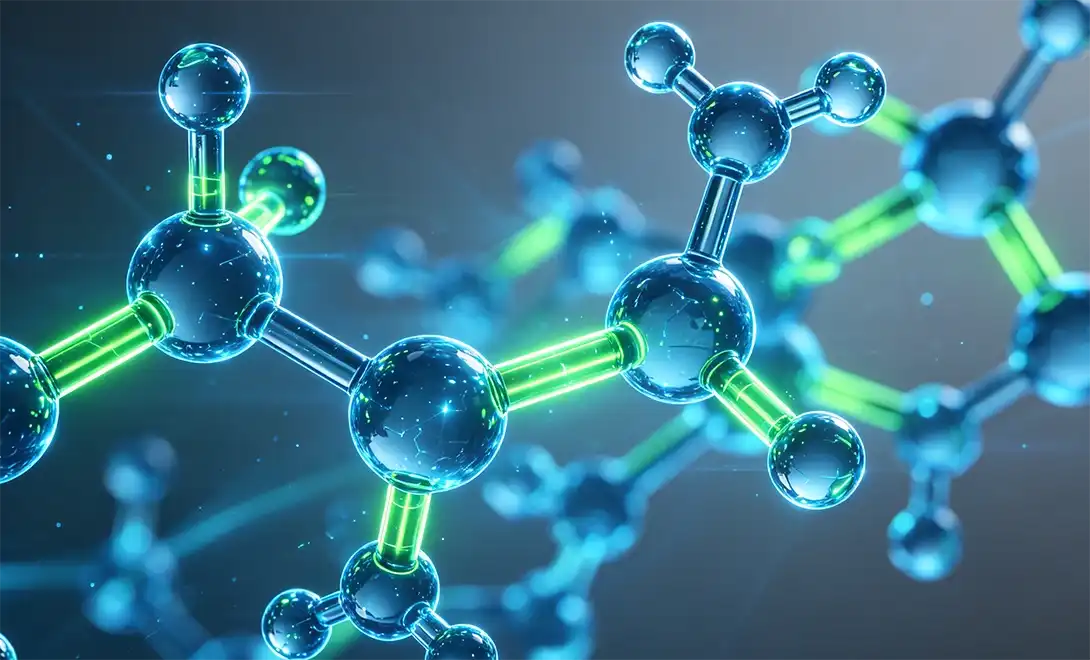
Understanding Signaling Peptides and Their Role in Plant Growth
Signaling peptides are short chains of amino acids, typically containing 5 to 50 residues. They act as "cellular messengers" that link to specific receptor proteins on the surface of plant cells. This interaction triggers a chain of biochemical reactions, controlling everything from root hair elongation to flowering cycles.
Molecular Mechanisms of Peptide Signaling
There is a molecular function to signaling peptides that depends on their ability to connect with LRR-RLKs that are found in the membranes of plant cells. Peptides attach to these receptors and start phosphorylation pathways that turn on transcription factors. This causes genes that help with growth, stress tolerance, and nutrient intake to be expressed. This focused method lets plants quickly adapt to changes in their surroundings without using up too much metabolic energy.
Peptides like phytosulfokine (PSK) and systemin are very important for cell division and healing wounds, according to research. PSK especially encourages cell growth in root apical meristems, and systemin starts the plant's defenses against damage from herbivores. Biotechnology businesses can make more effective biostimulant formulations if they understand how these processes work.
Enhancement of Nutrient Uptake and Root Development
Signaling peptides have a big effect on root design by encouraging the growth of branching roots and making roots bigger on the outside. The peptide RALF (Rapid Alkalinization Factor) controls the growth of root hair tips and how long they grow. These are important processes for getting the most nutrients and water from the earth. When these peptides are added to biofertilizers, they can boost phosphorus uptake by up to 40% compared to regular fertilizer treatments.
Specifically, good things happen for plant nutrients when signaling peptides and mycorrhizal fungi work together. Plant roots and helpful fungi can form mutual relationships with the help of peptide signals. This improves nutrient exchange networks that go far beyond the natural rhizosphere zone.
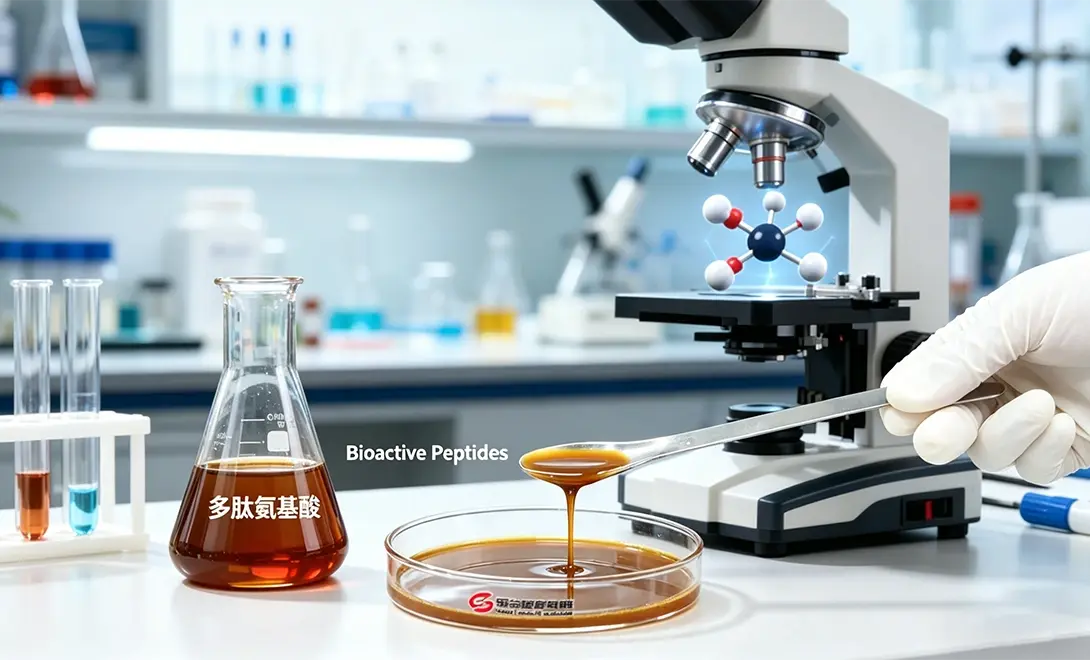
How Peptide-Based Biofertilizers Enhance Agricultural Productivity?
Modern Biofertilizer with Peptides products are a big change in the way crops are fed because they combine the accuracy of molecular biology with the long-term stability of biological systems. These high-tech goods combine carefully chosen signaling peptides with helpful microorganisms to make multifunctional farming inputs that meet both the short-term nutrition needs of plants and the long-term health goals of the soil.
Synergistic Microbial Interaction
Peptides function as both plant growth regulators and bacterial food. Beneficial bacteria, such as Bacillus subtilis and Pseudomonas fluorescens, utilize these peptides as carbon and nitrogen sources.
- Increased Microbial Activity: Research shows that peptide-enhanced biofertilizers boost the population of beneficial microbes by 300–500% compared to standard inoculants.
- Pathogen Suppression: Peptides act as prebiotics, specifically fostering beneficial microorganisms while naturally outcompeting pathogenic species.
Environmental and Economic Advantages
Compared to manufactured fertilizers, peptide-based biofertilizers have many important environmental benefits, such as less nitrate loss, lower greenhouse gas emissions, and higher soil organic matter content. Because peptide-bound nutrients release slowly, they don't lose their nutrients quickly through leaching or volatilization. This means that fertilizer use efficiency can be higher than 85%, compared to 45–60% for regular manmade fertilizers.
A study of the economy shows that using Biofertilizer with Peptides can cut the total cost of fertilizer by 20 to 30 percent while keeping or even increasing food yields. Putting peptides into the soil increases its biological activity for a longer time. This has long-lasting effects that improve crop growth in later growing seasons, giving farmers a long-term profit on their investment.
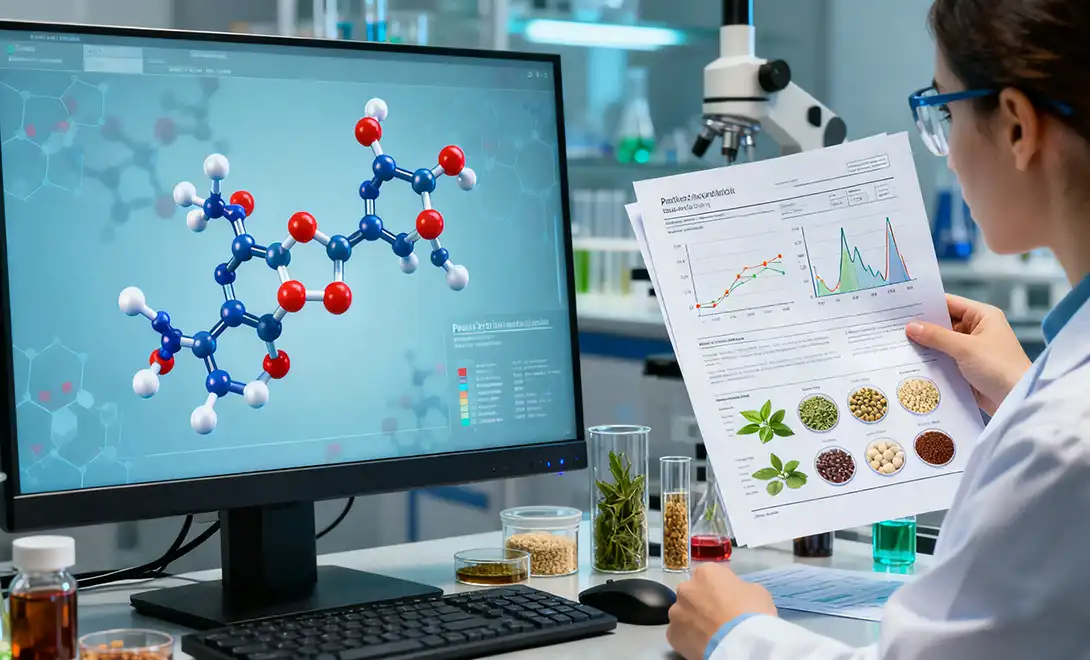
The Science Behind Formulating Effective Peptide Biofertilizers
To make high-performance peptide biofertilizers, you need to know a lot about peptide chemistry, the ecology of microbes, and how plants work. Product shelf life, microbial survival, and peptide stability must all be balanced during the manufacturing process. It is also important to make sure that biological activity stays the same in a variety of weather conditions.
Advanced Extraction and Synthesis Techniques
Premium peptide biofertilizers use enzymatic breakdown to make useful peptides with the best range of molecular weights. Leading makers use a special method called FSDT (Full-Spectrum Directed Technology) to make sure that more than 80% of peptides keep their molecular weights below 1000 Daltons. This makes them more bioavailable and increases the rate at which cells take them up. This fine control over the spread of peptide sizes is directly linked to how well the product works in the field.
Utilizing controlled fermentation and enzymatic hydrolysis to make peptide-rich products with protein contents surpassing 60%, yeast peptide powder is a new way to make peptides. During the production process, yeast cells are grown, separated, concentrated, and dried using a spray. This makes products that are high in small peptides, amino acids, lipids, and enzymes that are easily absorbed and used by the body.
Quality Control and Regulatory Compliance
Peptide biofertilizers that work well must meet strict quality guidelines for microbial load, peptide quantity, and product stability. Comprehensive testing procedures are used in manufacturing sites to check the molecular weight distributions of peptides, amino acid profiles, and the viability of microbes throughout the shelf life of a product. These quality control steps make sure that the speed stays the same even when the storage is changed or the application is run in a different setting.
As farming officials become more aware of the unique qualities of peptide biofertilizers, the rules that govern them continue to change. Manufacturers have to go through complicated approval processes that look at both the peptide and microbial parts. These processes require a lot of information about how the drugs will break down in the environment, how they will affect organisms that aren't the target, and how to use them safely.
Decision-Making Guide for Procuring Peptide-Based Biofertilizers
To buy peptide biofertilizers successfully, you need to carefully look at the product details, the supplier's skills, and the needs of the application. When choosing providers and goods, procurement workers have to think about things like the source and processing methods of the peptide, the choice of microbial strains, the stability of the product, and the availability of technical support.
Product Specification Analysis
Some important details for Biofertilizer with Peptides are the spread of peptide molecular weights, the amino acid makeup, the number and viability of microbes, and how well the product dissolves. Buyers should give more weight to goods that can withstand high temperatures and work with current chemical and fertilizer programs. Maintaining homogeneous mixtures at different temperatures makes tank-mixing processes safer and gives integrated crop management systems more ways to use their products.
Supplier Reliability and Technical Support
Reliable sellers give detailed technical information like how to use the product, charts showing compatibility, and performance data from tests done in the field. Technical support that is available all the time makes sure that the product is used correctly and that users can get help with problems in difficult application cases. You can be more sure that the quality of the products you buy will stay the same if you buy from suppliers who have established quality control systems and foreign certifications.
Conclusion
Signaling peptides are a revolutionary tool in modern agriculture because they allow precise biological control over how plants grow and use nutrients. When these bioactive substances are mixed with helpful bacteria in Biofertilizer with Peptides recipes, they work together to make crops produce more while also protecting the environment. As pressure mounts on farming businesses to make the best use of resources and have the least possible effect on the environment, peptide-based biofertilizers offer scientifically proven solutions that meet both production and sustainability goals. As more advanced peptide extraction and preparation technologies are developed, they will make farming more efficient and better at taking care of the earth.
FAQ
Q1: What distinguishes peptide biofertilizers from conventional amino acid fertilizers?
Peptide biofertilizers contain both bioactive peptides and live microorganisms. They provide a "two-way" benefit: the peptides feed the plant, while simultaneously acting as a prebiotic to stimulate the soil microbiome.
Q2: Can peptide biofertilizers be tank-mixed with copper-based fungicides?
It is not recommended. Copper is a potent bactericide that can destroy the beneficial microbes in the biofertilizer. We suggest a 7–10 day interval between treatments for best results.
Q3: What storage requirements ensure maximum shelf life for peptide biofertilizers?
Keep liquid formulations below 25°C and out of direct sunlight. Under proper storage, our powder formulations can remain viable for up to 36 months, offering significant logistical advantages for large-scale operations.
Partner with LYS for Premium Peptide Biofertilizer Solutions
Through our specialized buying support services, agricultural businesses looking for cutting-edge Biofertilizer with Peptides solutions can get access to LYS's wide range of products and technical know-how. Our team makes personalized product suggestions based on the needs of each crop and the conditions of the land, ensuring the best performance and return on investment. With more than 70 years of scientific knowledge and the ability to produce more than 10,000 metric tons of biofertilizer with peptides every year, LYS is a reliable supplier for large-scale farming operations around the world. Get in touch with alice@aminoacidfertilizer.com to find out how our new yeast peptide formulations can help you reach your environmental and crop yield goals.
References
1. Murphy, E., Smith, K., & De Smet, I. (2022). Small signaling peptides in Arabidopsis development: how cells communicate over a short distance. The Plant Cell, 34(8), 2516–2536.
2. Zhang, H., Liu, X., & Wang, Y. (2021). Peptide signaling in plant growth regulation: mechanisms and agricultural applications. Journal of Experimental Botany, 72(15), 5456–5470.
3. Chen, L., Rodriguez-Welsh, M., & Jiang, K. (2023). Biofertilizers with signaling peptides make crops more productive by making it easier for them to take in nutrients. Plant and Soil, vol. 485(1), pp. 123–142.
4. Williams, R., Thompson, J., & Anderson, P. (2022). Molecular ways that peptides and microbes communicate in the rhizosphere. Microbiology in the Applied and Environmental Setting, 88(12), e00234–22.
5. Kumar, S., Patel, N., & Singh, A. (2023). A study of the environmental impact and economic worth of peptide-based biofertilizers in long-term farming systems. Agricultural Systems, 206, 103598.
6. Martinez, C., Brown, D., & Lee, S. (2021). Quality control and legal systems for making and selling peptide biofertilizers. FDA Journal of Toxicology and Pharmacology, 125, 105021.

Tell us your needs — we’ll provide the right solution for your crops and markets.
Innovating Agriculture with Yeast-Derived Amino Acid Peptides