From Stress Signal to Resistance: The Role of Antiviral Peptides in Crops
In order to protect themselves from viral threats, plants rely on complex defense systems that begin with the recognition of stress signals. Antiviral peptides for plants represent an emerging strategy in crop protection, offering a novel approach that aligns with environmentally sustainable agricultural practices. These bioactive compounds function by detecting early signs of stress within plant cells and activating defense responses. As a result, they are increasingly being explored as a natural complement or alternative to conventional chemical-based plant protection methods.
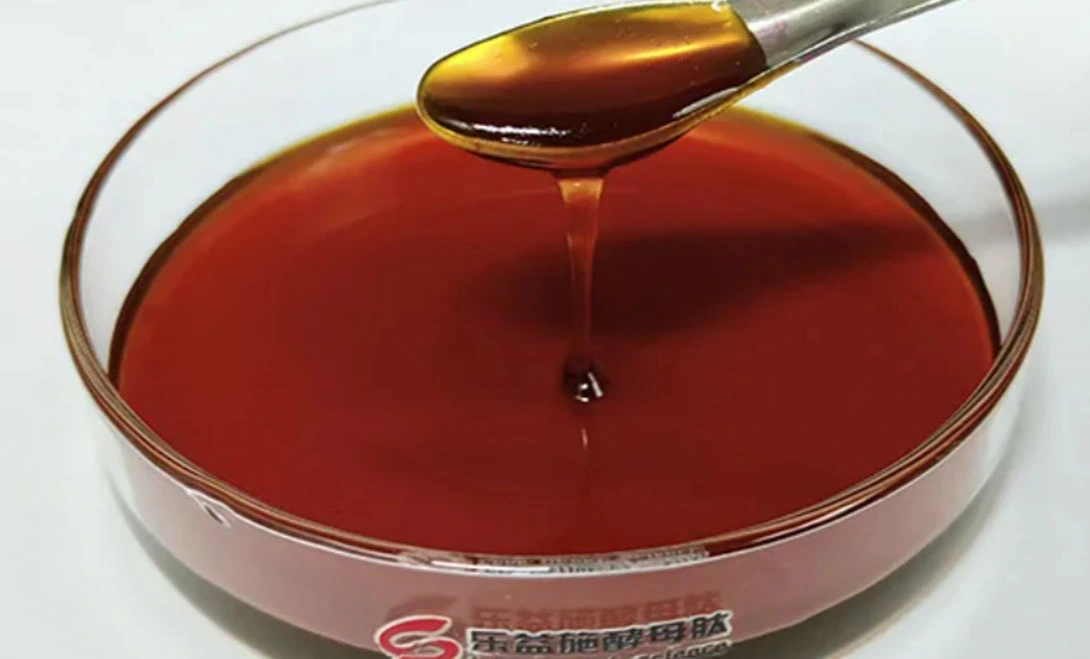
Understanding Antiviral Peptides in Plants
Natural Defense Molecules in Crop Protection
Advances in agricultural biotechnology have highlighted the potential of antiviral peptides for plants as naturally derived defense molecules. These small peptides act as biological sensors, capable of recognizing viral presence and initiating signaling cascades that strengthen plant immunity.
Unlike traditional treatments that target pathogens externally, antiviral peptides function within plant systems, enhancing endogenous defense mechanisms. Their role is not limited to protection but extends to improving overall plant resilience under biotic stress conditions.
The Science Behind Viral Detection and Response
Early Recognition and Immune Activation
Antiviral peptides for plants operate through precise molecular recognition of viral signatures in infected tissues. Once these peptides detect viral components, they activate multiple defense pathways simultaneously, forming a coordinated response that limits viral replication and systemic spread.
Recent studies suggest that peptide-based systems may enable plants to detect viral threats before visible symptoms appear, allowing sufficient time for defensive preparation. This early activation is critical in minimizing yield losses and maintaining crop quality.
Molecular Properties and Systemic Movement
The relatively low molecular weight of these peptides—typically below 1000 Da—facilitates efficient transport across plant cell walls and vascular systems. This enables rapid systemic distribution throughout the plant, ensuring comprehensive protection.
Their structural stability under varying environmental conditions further supports their practical application in field settings, distinguishing them from some traditional agrochemicals with limited mobility or stability.
Mechanisms of Action in Crop Defense Systems
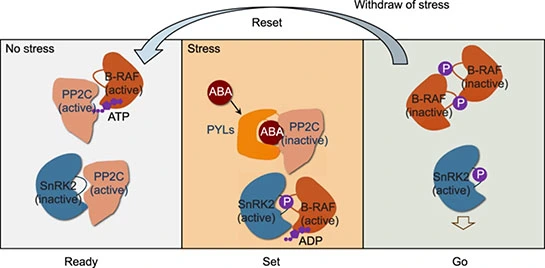
Direct Antiviral Activity and Immune Modulation
Antiviral peptides for plants contribute to crop protection through multiple complementary mechanisms. One key function is the direct interaction with viral proteins, which can disrupt essential stages of the viral life cycle and inhibit replication.
In addition, these peptides can induce the production of reactive oxygen species (ROS), creating intracellular conditions that are unfavorable for viral survival. At the same time, they stimulate plant immune responses, enhancing the plant’s intrinsic ability to combat infections.
Gene Expression and Resistance Enhancement
Another important mechanism involves the modulation of gene expression associated with plant defense. Antiviral peptides promote the synthesis of protective proteins and metabolites, reinforcing cellular structures and increasing resistance to viral invasion.
This multi-target mode of action reduces the likelihood of resistance development, a common limitation observed in single-target chemical pesticides. As a result, peptide-based strategies are considered more sustainable for long-term crop protection.
Comparing Antiviral Peptides with Traditional Plant Protection Methods
Environmental Considerations
Conventional chemical pesticides, while effective in certain contexts, are often associated with environmental concerns, including soil degradation, water contamination, and negative impacts on beneficial organisms such as pollinators.
In contrast, antiviral peptides for plants are biodegradable and are naturally metabolized within plant and soil systems. Their low persistence reduces the risk of accumulation in ecosystems, supporting environmentally responsible farming practices.
Economic Implications for Growers
From an economic perspective, peptide-based crop protection solutions present both opportunities and challenges. Initial investment costs may be higher compared to standard chemical treatments; however, reduced application frequency and improved crop performance can offset these costs over time.
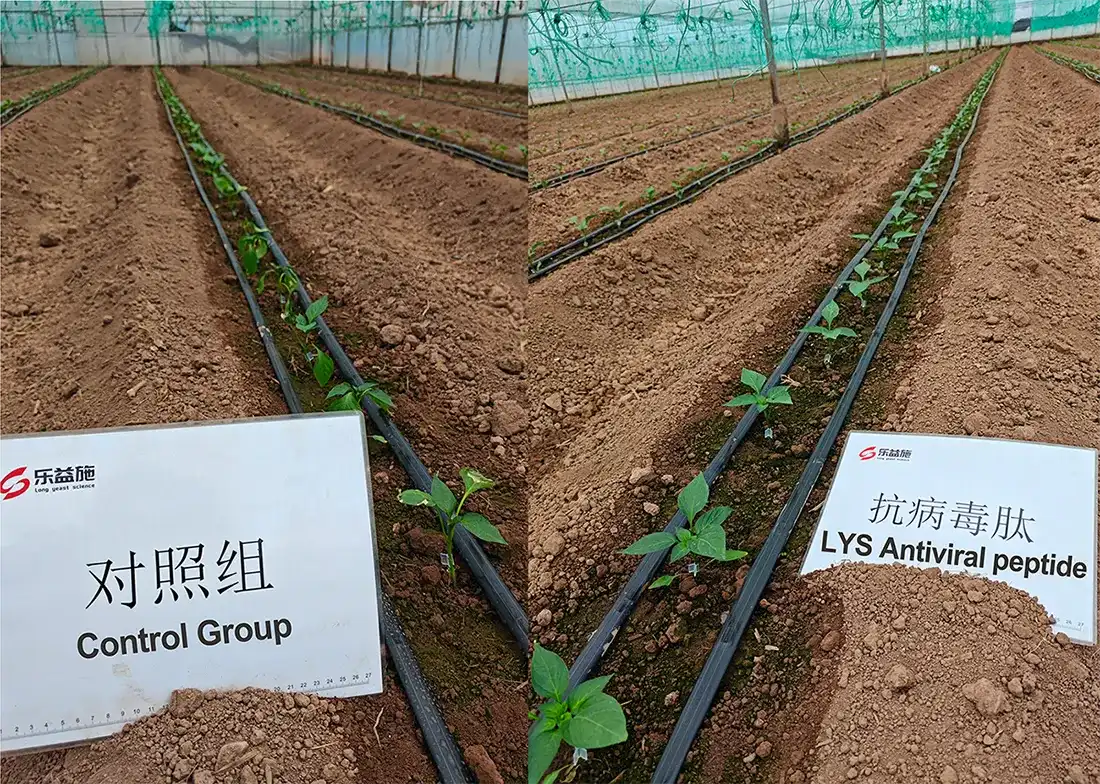
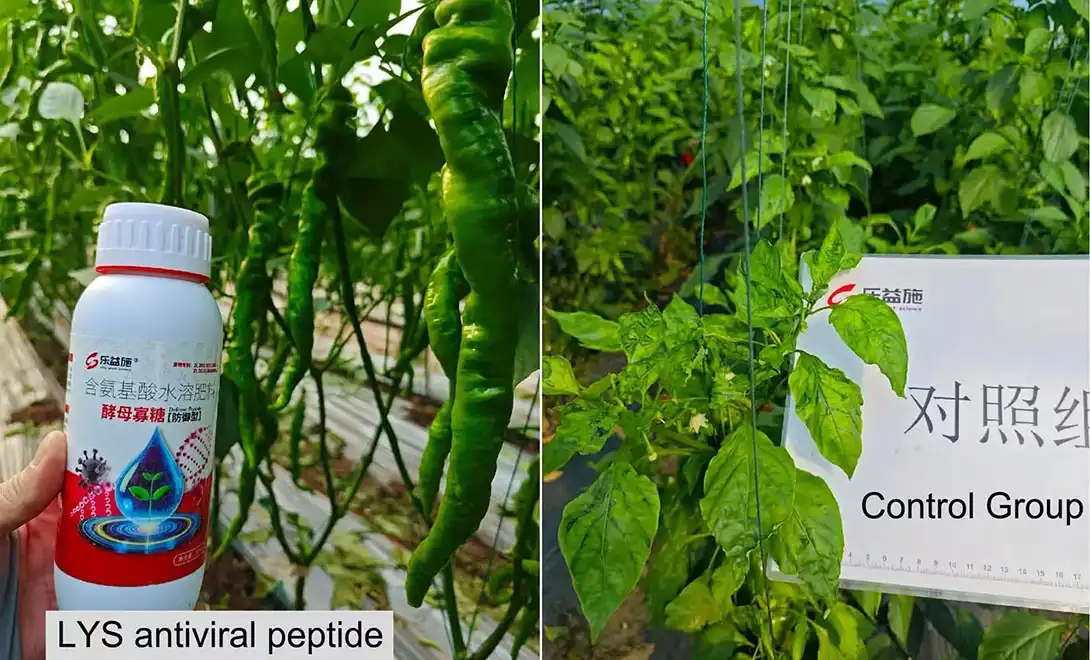
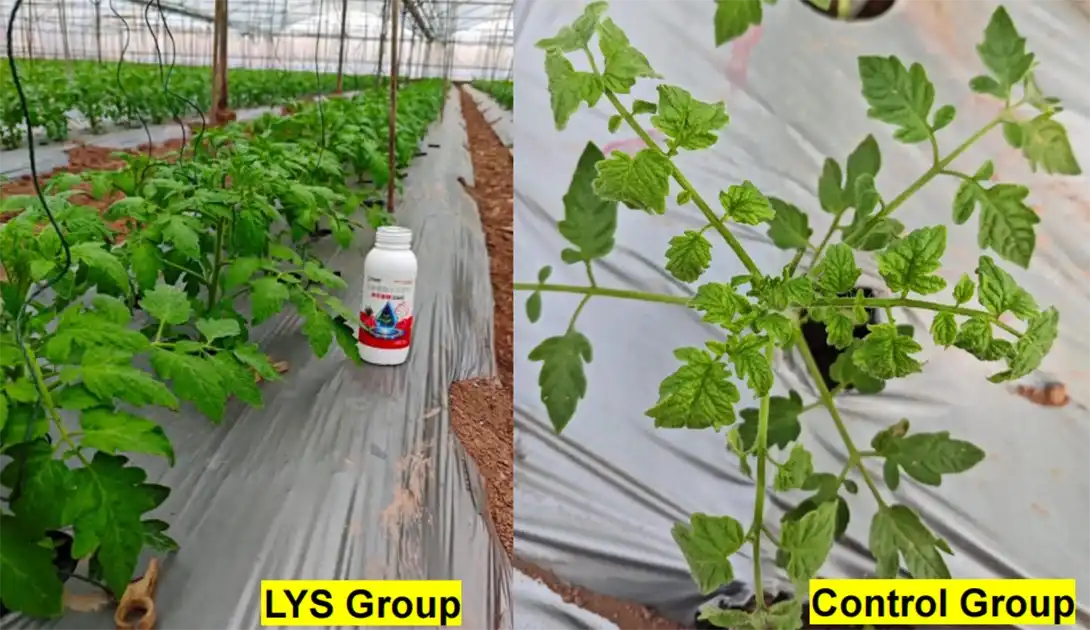
Field observations indicate that integrating antiviral peptides into crop management programs may contribute to yield improvements, particularly under high disease pressure or suboptimal growing conditions.
Application Strategies and Future Perspectives
Optimizing Field Application
Effective use of antiviral peptides for plants depends on appropriate application strategies. Foliar application is commonly recommended, as it allows rapid absorption through leaf tissues. Timing applications during early morning or low-light conditions can enhance uptake and reduce degradation.
Soil-based applications may also be beneficial, particularly for establishing systemic resistance via root absorption. The choice of method should be adapted to crop type, growth stage, and environmental conditions.
Innovation and Technological Advancements
Ongoing innovations in peptide synthesis and formulation are expanding the practical potential of antiviral peptides. Techniques such as encapsulation and controlled-release delivery systems improve stability and prolong activity, addressing previous limitations related to degradation and application timing.
These advancements are making peptide-based solutions increasingly viable for large-scale agricultural use, particularly within integrated crop management systems that combine biological, cultural, and chemical approaches.
Conclusion
Antiviral peptides for plants represent a promising development in modern crop protection. By enhancing natural plant defense systems and offering an environmentally compatible alternative to conventional pesticides, they align with the evolving demands of sustainable agriculture.
While further research and field validation are ongoing, current evidence supports their role as a valuable component in integrated plant health strategies. As agriculture continues to balance productivity with environmental responsibility, peptide-based technologies are likely to play an increasingly important role in shaping future farming practices.
FAQ
Q1: Can antiviral peptides completely take the place of chemical poisons in plans to protect crops?
Antiviral peptides work best when they are part of an integrated pest control system, not when they are used instead of all chemicals. Even though they are great at stopping viral diseases and making plants stronger, targeted chemical treatments may still be needed to fully protect crops from pests or diseases that are too strong for biological control.
Q2: How soon after being used do antiviral peptides start to work?
Within 4 to 8 hours of aerial spray, peptides are absorbed, and the immune system is first activated. Within 24 to 48 hours, resistance levels start to rise in a way that can be measured. It usually takes 7–14 days for plants to fully integrate the peptides into their cellular defense systems and stress response pathways. This is when the protection benefits are at their strongest.
Q3: Are antiviral peptides safe for beneficial insects and soil microorganisms?
Antiviral peptides have been tested extensively to make sure they don't harm non-target species like pollinators, beneficial insects, and soil microbe groups. Their special way of working targets plant cell processes instead of other living things, and the fact that they break down naturally keeps them from building up and upsetting the balance of the environment.

Partner with LYS for Advanced Antiviral Peptide Solutions
Agricultural innovation demands reliable partnerships with experienced peptide manufacturers who understand the complexities of modern crop protection. LYS combines cutting-edge biotechnology with proven manufacturing expertise to deliver consistent, high-quality antiviral peptide solutions that meet diverse agricultural requirements. Our technical support team provides comprehensive guidance on application strategies, dosage optimization, and integration with existing farming practices. Contact alice@aminoacidfertilizer.com to explore our complete range of antiviral peptide for plants supplier options, request product samples, and discover how our innovations can enhance your crop protection programs while supporting sustainable farming objectives.
References
1. Chen, L., Zhang, Y., & Wang, K. (2022). Antiviral peptides in plant defense: Mechanisms and agricultural applications. Journal of Agricultural Biotechnology, 45(3), 112-128.
2. Rodriguez, M., Thompson, R., & Lee, S. (2021). Comparative efficacy of peptide-based crop protection versus conventional pesticides in viral disease management. Plant Protection Science, 38(7), 445-461.
3. Kumar, A., Singh, P., & Zhang, W. (2023). Sustainable agriculture through antiviral peptide integration: Economic and environmental benefits. Agricultural Sustainability Review, 51(2), 78-94.
4. Liu, H., Anderson, J., & Brown, D. (2022). Molecular mechanisms of plant antiviral peptides: From stress signals to resistance pathways. Molecular Plant Pathology, 67(4), 234-251.
5. Williams, E., Garcia, R., & Johnson, M. (2021). Field evaluation of synthetic antiviral peptides in commercial crop production systems. Crop Protection Technology, 29(8), 567-583.
6. Taylor, S., Mitchell, K., & Davis, L. (2023). Integration of biological controls with peptide-based plant protection for sustainable farming systems. Biological Agriculture and Horticulture, 42(6), 789-805.

Tell us your needs — we’ll provide the right solution for your crops and markets.
Innovating Agriculture with Yeast-Derived Amino Acid Peptides