What distinguishes free amino acids from peptides in fertilizers?
The primary difference between free amino acids and peptides in fertilizer formulations lies in their molecular structure and size. Free amino acids consist of single, independent molecules, whereas peptides are formed by two or more amino acids linked by peptide bonds. This core difference leads to several important distinctions in agricultural performance.
Molecular Structure and Size
Free amino acids are small, simple molecules with low molecular weight, giving them high mobility inside plant tissues and allowing easy penetration across cell membranes. Peptides, being larger in size, may require additional processing by plant enzymes before they can be utilized, potentially slowing initial absorption.
Nutrient Availability
Free amino acids are immediately available for plant uptake because they require no further breakdown. This makes them highly suitable for rapid nutrient delivery, especially during early growth or plant stress conditions.Peptides, however, release amino acids gradually as they undergo enzymatic hydrolysis, offering a slow-release nutrient effect that supports plants over an extended period.
Stability and Storage
Peptides generally demonstrate higher stability during storage and application due to the protective nature of peptide bonds. This can extend the shelf life of peptide-based fertilizer products.
In contrast, free amino acids—although highly bioavailable—may be more susceptible to environmental and microbial degradation.
Uptake dynamics: rapid amino acid absorption vs slower peptide hydrolysis
The absorption pathways of free amino acids and peptides differ considerably, directly influencing their efficiency in various agricultural situations. Understanding these uptake dynamics is critical for designing effective, crop-specific fertilizer programs.
Free Amino Acid Absorption
Free amino acids are absorbed quickly through plant roots and leaves due to their low molecular weight and lack of peptide bonds. This fast uptake is facilitated by specialized amino acid transporters located in plant cell membranes. Because of this rapid assimilation, free amino acids are especially effective for addressing immediate nutrient deficiencies or supporting plants during critical development stages.

Peptide Hydrolysis and Absorption
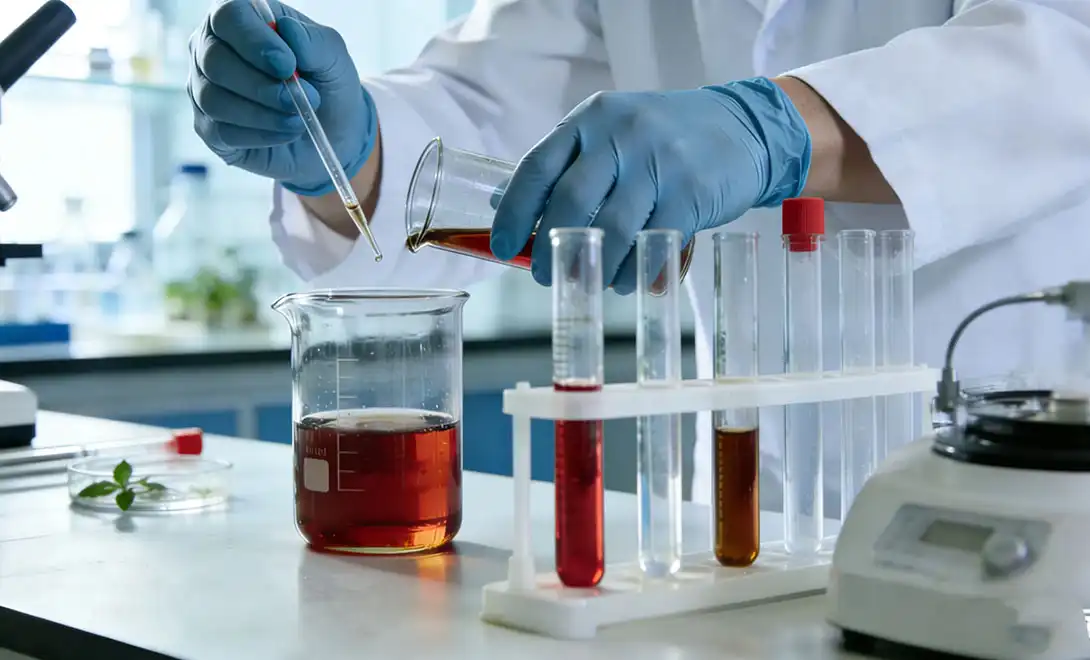
Peptides follow a two-step pathway before plants can fully utilize them:
- Hydrolysis: Plant peptidase enzymes break peptides into smaller units.
- Absorption: The resulting free amino acids or small peptides are absorbed by plant cells.
This process leads to a slower, more sustained nutrient release compared to the direct uptake of free amino acids. The steady supply of amino acids may reduce the frequency of fertilizer applications.
Implications for Nutrient Efficiency
Because of their rapid availability, free amino acids are more prone to leaching or microbial degradation in the soil. Peptides, however, act as a slow-release source, potentially improving nutrient retention and reducing losses. Selecting between the two forms—or using a combination—can greatly influence nutrient-use efficiency in different soil and climate conditions.
Which form suits different crop needs: seedlings, leaves, or fruits?
Choosing between free amino acids and peptides in fertilizer formulations should depend on crop type, developmental stage, and nutrient objectives. Different plant growth phases benefit from different nutrient-release patterns.
Seedlings and Young Plants
Free amino acids are generally preferred for seedlings and young plants due to their fast absorption and immediate availability. Early growth stages require quick access to nutrients to support vigorous cell division, root establishment, and shoot development.
Leaf Applications
Both free amino acids and small peptides can be effective in foliar sprays.
- Free amino acids penetrate the leaf surface rapidly and quickly correct nutrient deficiencies.
- Small peptides may provide longer nutrient availability on leaf surfaces, reducing application frequency.
Fruit Development
During fruit development, using a balanced combination of free amino acids and peptides can be advantageous. Free amino acids support immediate metabolic demands, while peptides ensure a sustained nutrient supply throughout the fruiting period. This approach may enhance fruit size, quality, and nutritional value.
Stress Tolerance
Under abiotic stress such as drought, salinity, or extreme temperatures, combining both free amino acids and peptides can be beneficial. Free amino acids offer immediate support for stress-response pathways, while peptides maintain prolonged nutrient availability to improve recovery and overall productivity.
Conclusion
The decision to use free amino acids or peptides in agricultural applications depends on multiple factors—including crop type, growth stage, environmental conditions, and specific nutrient goals. A clear understanding of their distinct properties and uptake dynamics enables the development of tailored fertilizer formulations that maximize performance and resource efficiency.
For fertilizer manufacturers, distributors, and large-scale growers seeking to leverage the benefits of free amino acids and peptides, collaborating with experienced suppliers is essential. Shenzhen LYS Biotech provides a full range of innovative biostimulant and specialty fertilizer solutions built on more than 70 years of expertise in yeast-enzyme technology. LYS ECO is committed to delivering high-performance, sustainable inputs that meet the evolving needs of modern agriculture.
To learn how LYS ECO’s advanced amino acid and peptide-based solutions can enhance your product portfolio or improve crop yields, contact our team of specialists today. We are dedicated to offering efficient, science-driven agricultural inputs that support long-term productivity and success.
FAQs
Q1: How do free amino acids differ from peptides in terms of plant absorption?
A:Free amino acids are rapidly absorbed through specialized plant transporters because they require no enzymatic breakdown. Peptides, may first be hydrolyzed by plant enzymes before absorption, resulting in a slower, more gradual release of amino acids. This makes free amino acids suitable for rapid nutrient delivery, while peptides provide sustained nutrient availability.however, small peptides(≤ 1000 Da) can enter plant tissues through dedicated peptide transporters (PTR/OPT systems), enabling faster, more efficient nutrient assimilation.
Q2: Are free amino acids or peptides more stable in fertilizer formulations?
A: Peptides generally offer greater stability due to the presence of peptide bonds that protect amino acids from rapid degradation. This contributes to a longer shelf life for peptide-based products. Free amino acids, while highly bioavailable, may be more sensitive to environmental and microbial activity.
Q3: Can a combination of free amino acids and peptides be beneficial in crop nutrition?
A: Yes. Blending both forms can provide complementary advantages—free amino acids supply immediate nutrient support, while peptides deliver long-term availability. This balanced approach enhances overall crop performance, improves resilience, and supports efficient nutrient-use across different growth stages and environmental conditions.
Advanced Amino Acid and Peptide Solutions for Agriculture | LYS
At LYS Biotech we specialize in developing cutting-edge amino acid and peptide-based solutions for the agricultural industry. Our products leverage the unique benefits of both free amino acids and peptides to enhance crop growth, yield, and quality. Whether you're an agrochemical manufacturer looking to expand your product line, a distributor seeking innovative biostimulants, or a large-scale farming operation aiming to optimize crop performance, our team is ready to assist you.
Experience the LYS difference with our scientifically formulated, high-quality amino acid and peptide products. To learn more about how our solutions can benefit your business or agricultural operations, please contact us at alice@aminoacidfertilizer.com. Our experts are ready to provide personalized recommendations and support to help you achieve your agricultural goals.
References
1. Smith, J.A. and Brown, T.L. (2022). "Comparative Analysis of Free Amino Acids and Peptides in Plant Nutrition." Journal of Agricultural Biochemistry, 45(3), 312-328.
2. Garcia, M.R. et al. (2021). "Uptake Mechanisms of Amino Acids and Peptides in Crop Plants." Annual Review of Plant Biology, 72, 415-440.
3. Johnson, K.P. and Lee, S.Y. (2023). "Biostimulant Formulations: Optimizing Free Amino Acid and Peptide Ratios for Enhanced Crop Performance." Advances in Agronomy, 168, 201-230.
4. Zhang, X. et al. (2020). "Effects of Free Amino Acids and Peptides on Stress Tolerance in Major Crops." Plant Physiology and Biochemistry, 156, 498-512.
5. Ramirez, A.D. and White, C.M. (2022). "Stability and Efficacy of Amino Acid-Based Fertilizers: Free Forms vs. Peptides." Journal of Soil Science and Plant Nutrition, 22(4), 1875-1890.
6. Patel, R.K. and Suzuki, H. (2021). "Innovative Applications of Amino Acids and Peptides in Sustainable Agriculture." Trends in Plant Science, 26(7), 648-662.