Foliar Fertilizer Sprays with Amino Acids and Peptides
Foliar fertilizer sprays enriched with amino acids and peptides represent an advanced approach to plant nutrition delivery. Unlike traditional soil-applied fertilizers, foliar fertilizer sprays supply nutrients directly through leaf tissues, allowing plants to absorb and utilize them with greater efficiency. By combining bioactive peptides with free amino acids, modern formulations provide both rapid nutritional support and longer-term physiological stimulation.
This dual-function system supports metabolic activity, improves nutrient use efficiency, and enhances plant tolerance to environmental stress. As agricultural systems increasingly emphasize precision, sustainability, and performance, foliar fertilizer sprays have become an important complementary tool within integrated nutrient management programs.
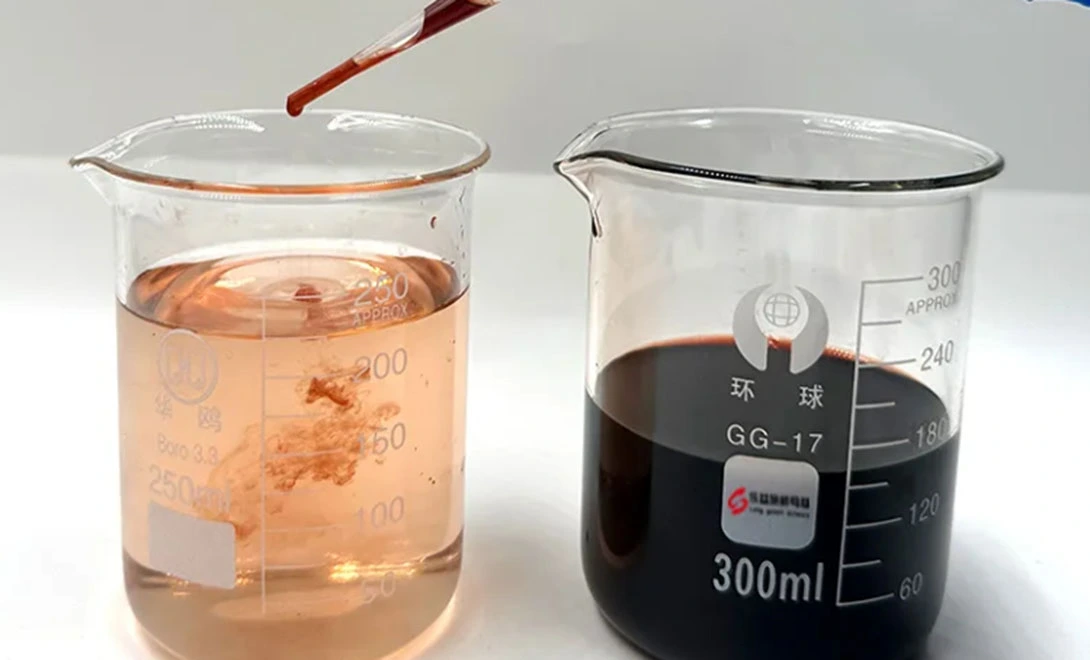
Understanding Foliar Fertilizer Sprays in Modern Crop Nutrition
Targeted Nutrient Delivery Through Leaf Uptake
Foliar fertilizer sprays are designed to deliver nutrients directly through leaf surfaces, bypassing many of the limitations associated with soil-based fertilization. Nutrients enter the plant via stomata and the cuticular pathway, enabling rapid participation in metabolic processes. This targeted delivery is particularly effective when root uptake is restricted by soil pH, moisture imbalance, nutrient fixation, or microbial competition.
Role in Sustainable and Efficient Agriculture
Modern agricultural systems demand nutrient strategies that maximize efficiency while minimizing environmental impact. Foliar fertilizer sprays support these objectives by reducing nutrient losses, improving uptake efficiency, and allowing precise correction of nutrient deficiencies. When used appropriately, they enhance productivity without increasing nutrient runoff or soil accumulation.
Functional Role of Amino Acids and Peptides in Foliar Fertilizer Sprays
Amino Acids as Metabolic Building Blocks
Amino acids are fundamental components of plant metabolism, serving as precursors for proteins, enzymes, hormones, and stress-response compounds. L-form amino acids, which occur naturally in plant systems, can be readily assimilated without requiring additional metabolic conversion. This reduces energy expenditure and supports rapid physiological responses during critical growth stages.
Peptides as Nutrient Transport and Bioactive Agents
Low-molecular-weight peptides (≤1000 Da) play an important role in enhancing nutrient transport across cell membranes. Their small size allows efficient penetration into plant tissues, while their biological activity supports enzymatic function and nutrient mobilization. In foliar fertilizer sprays, peptides act as both carriers and stimulators, extending nutrient bioavailability and improving performance under stress conditions.
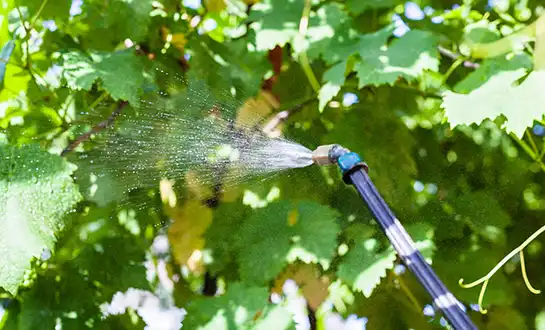
Comparative Advantages of Foliar Fertilizer Sprays Over Soil Applications
Avoiding Soil-Based Nutrient Limitations
Soil-applied fertilizers are often affected by pH imbalance, nutrient fixation, leaching, and root-zone competition. Foliar fertilizer sprays bypass these constraints entirely, ensuring that nutrients reach plant tissues regardless of soil conditions. This makes them especially effective for micronutrient delivery and rapid deficiency correction.
Rapid Response During Critical Growth Stages
Nutrient absorption through leaves occurs significantly faster than through roots. In many cases, measurable uptake occurs within hours rather than days. This rapid response makes foliar fertilizer sprays particularly valuable during flowering, fruit set, early vegetative growth, and post-stress recovery periods when plants have immediate nutritional demands.
Application Best Practices for Foliar Fertilizer Sprays
Timing and Environmental Conditions
Optimal foliar absorption typically occurs during early morning or late afternoon, when stomata are more open and ambient humidity is higher. Temperatures between 65°F and 75°F support efficient uptake by reducing evaporation and minimizing heat stress. Calm wind conditions are essential to ensure uniform coverage and reduce spray drift.
Application Techniques and Solution Management
Proper calibration of spray equipment ensures adequate leaf coverage without excessive runoff. Fine droplets improve surface contact while minimizing accumulation that could lead to leaf injury. Solution pH management is critical, as nutrient permeability across leaf membranes is strongly influenced by pH levels. Professional formulations often include surfactants or penetrating agents to enhance wetting and absorption on waxy leaf surfaces.

Quality and Formulation Considerations for Commercial Use
Organic Versus Synthetic Formulations
Organic foliar fertilizer sprays derived from natural protein sources offer advantages in bioavailability, environmental compatibility, and crop safety. Yeast-derived amino acid peptide formulations provide concentrated nutrition without synthetic residues, making them suitable for organic and sustainable farming systems. Synthetic formulations may offer cost and shelf-life benefits but often lack the broader biological activity associated with naturally derived compounds.
Liquid Versus Powder Formulations
Liquid foliar fertilizer sprays offer immediate solubility and consistent mixing, simplifying field application and reducing preparation errors. Powder formulations provide logistical advantages such as lower transportation costs and extended storage stability, though they require precise mixing and may present solubility challenges if not properly managed.
Supplier Evaluation and Advanced Formulation Technologies
Supplier Reliability and Quality Assurance
For large-scale or commercial operations, supplier evaluation should focus on production capacity, quality control systems, regulatory compliance, and technical support capabilities. Independent laboratory testing, batch consistency verification, and field trial data provide objective assurance of product performance and safety.
Advances in Amino Acid Peptide Production
Innovations in enzymatic hydrolysis technology have enabled the production of high-purity amino acid peptide solutions with consistent molecular weight distribution. Full-spectrum enzymatic processes ensure balanced peptide profiles, high free amino acid content, and excellent formulation stability across temperature variations. Chloride-free formulations further enhance crop safety, particularly for salt-sensitive applications such as seed treatment, seedlings, and overhead spraying.
Conclusion
Foliar fertilizer sprays containing amino acids and peptides represent a significant advancement in plant nutrition technology. By combining rapid nutrient delivery with biological stimulation, these formulations enhance nutrient use efficiency, support metabolic activity, and improve plant resilience under stress. While foliar fertilizer sprays do not replace soil fertilization programs, they play a critical complementary role in modern, precision-based agriculture. Successful implementation depends on appropriate product selection, correct application practices, and reliable supplier partnerships that ensure consistent quality and performance.
FAQ
Q1: What makes foliar fertilizer sprays with amino acids and peptides more effective than standard formulations?
Amino acids and peptides work synergistically to enhance nutrient absorption and metabolic efficiency. Peptides facilitate nutrient transport across membranes, while amino acids support protein synthesis and stress-response pathways, resulting in faster uptake and improved plant resilience.
Q2: How do environmental conditions influence foliar fertilizer spray performance?
Temperature, humidity, and wind strongly affect foliar uptake. Moderate temperatures (65–75°F), high humidity, and calm conditions maximize nutrient absorption while reducing evaporation and plant stress.
Q3: Are amino acid peptide foliar sprays safe for different crops?
High-quality formulations generally exhibit strong crop safety due to their natural composition, low molecular weight peptides, and chloride-free profiles. Application rates and timing should still be adjusted to specific crop needs and growth stages.
Q4: Can foliar fertilizer sprays fully replace soil-applied fertilizers?
No. Foliar fertilizer sprays are designed to complement soil nutrition programs by providing rapid, targeted support during critical growth phases or stress conditions, while soil fertilizers remain essential for long-term nutrient supply.
Partner with LYS for Premium Foliar Fertilizer Solutions
LYS delivers cutting-edge amino acid peptide technology through our proprietary FSDT enzymatic hydrolysis system, creating high-performance foliar fertilizer ingredients that transform plant nutrition programs. Our yeast-derived formulations provide unmatched stability, bioavailability, and crop safety for demanding agricultural applications. With 10,000 MT annual production capacity and over 70 years of technical expertise, LYS serves as your trusted foliar fertilizer spray supplier for bulk procurement needs. Contact alice@aminoacidfertilizer.com to discuss custom formulations and OEM opportunities that enhance your product portfolio.
References
1. Zhang, H., Chen, W., & Liu, K. (2023). "Bioavailability and Plant Uptake Mechanisms of Amino Acid-Enhanced Foliar Fertilizers in Agricultural Systems." Journal of Agricultural and Food Chemistry, 71(8), 3421-3435.
2. Rodriguez, M., Thompson, J., & Park, S. (2022). "Comparative Efficacy of Peptide-Based Foliar Nutrition Versus Traditional Soil Applications in Vegetable Production." Plant Nutrition Review, 15(3), 187-203.
3. Kumar, A., Williams, R., & Foster, D. (2023). "Environmental Factors Affecting Foliar Nutrient Absorption: Temperature, Humidity, and Application Timing Optimization." Agricultural Science Quarterly, 28(2), 95-112.
4. Chen, L., Brown, M., & Davis, P. (2022). "Yeast-Derived Amino Acid Peptides: Molecular Weight Distribution and Plant Metabolic Integration." International Review of Plant Biology, 44(7), 512-528.
5. Martinez, C., Johnson, K., & Lee, S. (2023). "Economic Analysis of Foliar Fertilizer Programs: Cost-Benefit Evaluation for Commercial Agricultural Operations." Farm Business Management Journal, 19(4), 267-284.
6. Taylor, R., Anderson, G., & White, J. (2022). "Safety and Environmental Impact Assessment of Organic Foliar Fertilizers in Sustainable Agriculture Systems." Environmental Agriculture Review, 33(6), 445-462.

Tell us your needs — we’ll provide the right solution for your crops and markets.
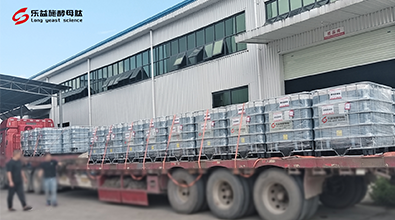
Innovating Agriculture with Yeast-Derived Amino Acid Peptides