Amino Acid Fertilizers: How They Work in Plants
The development of amino acid fertilizer represents a major advancement in modern agricultural nutrition. Unlike conventional mineral fertilizers that rely on inorganic nitrogen forms, amino acid-based inputs provide plants with biologically active organic nitrogen that aligns directly with plant metabolic pathways. This fundamental difference allows crops to utilize nutrients more efficiently, supporting healthier growth and improved performance across diverse agricultural systems.
Traditional chemical fertilizers often require energy-intensive enzymatic conversions within the plant before nutrients can be assimilated. In contrast, amino acid fertilizers deliver compounds that plants can immediately recognize and integrate into physiological processes. As a result, nutrient use efficiency is improved, metabolic stress is reduced, and overall crop productivity is enhanced.
Understanding Amino Acid Fertilizers and Their Biological Function
Modern agricultural science has clarified how amino acid fertilizers influence plant growth through their composition and mode of action. These products differ substantially from traditional fertilizers in both origin and biological behavior.
Protein Hydrolysis and Raw Material Sources
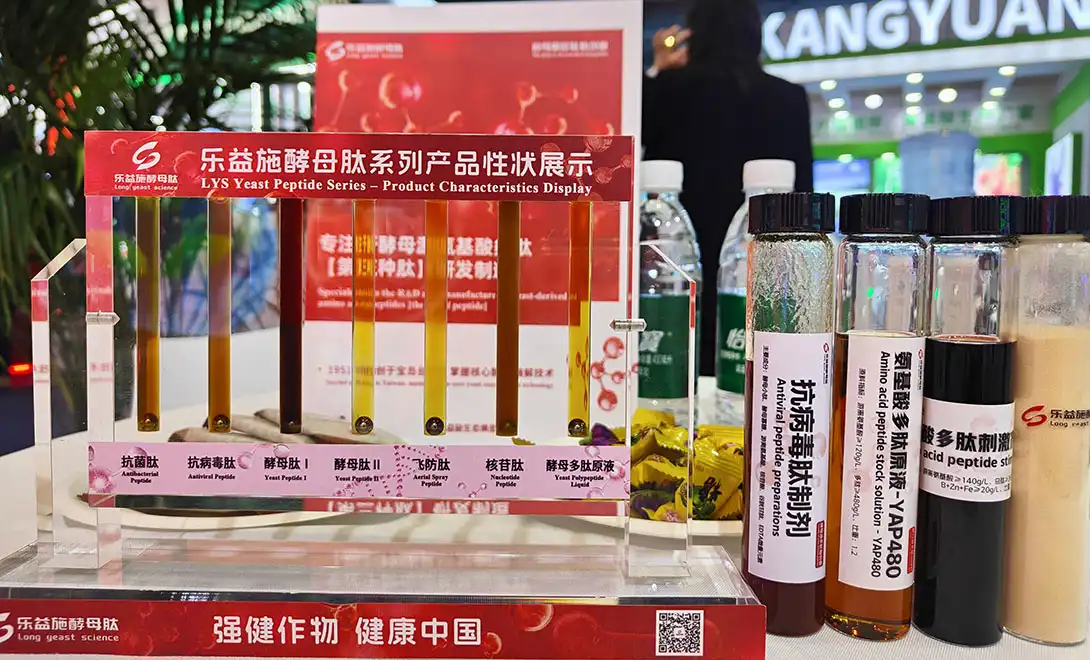
Amino acid fertilizers are produced through controlled protein hydrolysis, a process that breaks complex proteins into free amino acids and short-chain peptides. Advanced formulations commonly use yeast-derived protein sources, which naturally contain a complete profile of amino acids required for plant development.
Through enzymatic hydrolysis, manufacturers can precisely control molecular weight distribution, ensuring high bioavailability. Yeast proteins typically contain more than 60% crude protein, positioning them as a high-quality nitrogen source alongside plant- and animal-derived proteins. The resulting fertilizer contains both free amino acids for rapid uptake and bioactive peptides that provide sustained metabolic support.
Molecular Structure and Nutrient Bioavailability
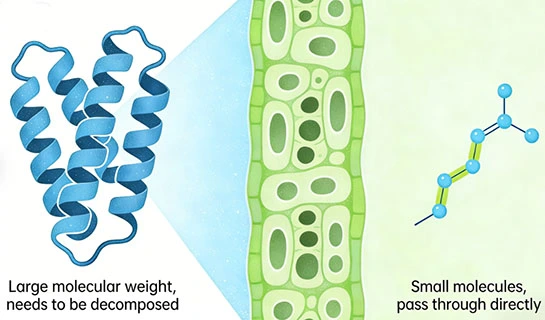
The presence of low-molecular-weight peptides is a key factor in the effectiveness of amino acid fertilizer. Research indicates that peptides below 1000 Daltons can be absorbed efficiently, with bioavailability rates exceeding 80%. These peptides also function as natural chelating and carrier molecules, facilitating the transport of micronutrients across cell membranes and improving overall nutrient utilization.
Mechanisms of Amino Acid Fertilizer Uptake in Plants
Amino acid fertilizers interact directly with plant physiological systems, enabling faster absorption and more efficient metabolic integration than inorganic nitrogen sources.
Direct Cellular Absorption and Metabolic Integration
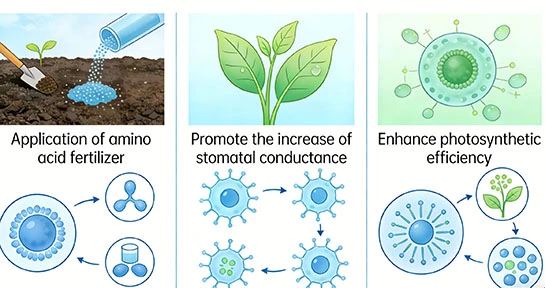
Plants absorb amino acids through specialized transporters located in roots and leaves. Once absorbed, these molecules can be directly incorporated into protein synthesis, enzyme activation, energy metabolism, and stress-response pathways. Unlike nitrate or ammonium nitrogen, amino acids do not require conversion before utilization, reducing metabolic energy consumption.
This direct integration supports rapid vegetative growth, improved chlorophyll synthesis, and enhanced enzymatic activity, particularly during periods of high nutrient demand.
Interaction with the Soil Microbiome
Beyond direct plant nutrition, amino acid fertilizers positively influence soil microbial communities. The organic carbon and nitrogen compounds serve as substrates for beneficial microorganisms, promoting microbial diversity and activity. This enhanced microbiome improves nutrient cycling, soil structure, and long-term soil fertility, contributing to sustainable crop production over multiple seasons.
Agronomic Benefits Across Crops and Environmental Conditions
The advantages of amino acid fertilizer application have been observed across a wide range of crops and growing environments, making them a versatile tool in modern agriculture.
Improved Stress Tolerance and Crop Recovery
Amino acid fertilizers help plants cope with abiotic stresses such as drought, salinity, temperature extremes, and nutrient imbalance. They support the activation of antioxidant systems, stabilize cellular structures, and maintain metabolic activity under adverse conditions.
Field studies have shown that vegetables including tomatoes, peppers, and leafy greens demonstrate improved recovery after stress events, along with enhanced quality attributes. Similarly, cash crops such as cotton, tobacco, and specialty crops exhibit more stable yields and improved market value when supported by amino acid-based nutrition programs.
Crop-Specific Performance Responses
Different crop categories respond uniquely to amino acid fertilizer applications:
- Cereal crops (corn, wheat, rice): enhanced root development, improved nutrient uptake, and increased grain weight
- Fruit crops (citrus, grapes, tropical fruits): improved flowering and fruit set, higher sugar accumulation, and extended shelf life
- Vegetable crops: faster growth cycles, improved uniformity, and increased nutritional content
Advanced formulations containing nucleotides further support cell repair and strengthen natural defense mechanisms, contributing to consistent crop performance under variable field conditions.
Formulation Types and Quality Considerations
The market offers various amino acid fertilizer formulations designed for different application methods and agronomic goals. Understanding these differences is essential for effective nutrient management.
Liquid and Solid Amino Acid Fertilizers
Liquid amino acid fertilizers are widely used for foliar application and fertigation due to their rapid absorption and uniform distribution. Modern formulations maintain stability across a broad temperature range and are compatible with many fertilizers and crop protection products.
Solid formulations offer advantages in storage and transportation and may provide controlled nutrient release. However, liquid products generally offer superior bioavailability and application flexibility, making them suitable for precision agriculture systems.
Multi-Amino Acid vs. Single Amino Acid Products
Comprehensive amino acid fertilizers contain a full spectrum of amino acids and peptides, supporting multiple physiological functions simultaneously. These formulations provide both immediate nutritional effects and longer-term metabolic benefits.
Single amino acid products are designed to address specific deficiencies or physiological processes. While effective in targeted applications, multi-component systems typically deliver broader and more consistent agronomic benefits.
Quality Standards and Procurement Considerations
Selecting a reliable amino acid fertilizer requires careful evaluation of quality parameters and supplier capabilities.
Key Quality Indicators
Professional buyers should assess amino acid content, peptide concentration, molecular weight distribution, formulation stability, and compatibility. High-quality products typically contain more than 200 g/L of combined free amino acids and peptides and are produced under strict quality control systems.
Certification, transparent manufacturing processes, and comprehensive technical documentation further ensure product reliability for large-scale agricultural use.
Economic Value and Sustainability
Although amino acid fertilizers may have a higher upfront cost than conventional fertilizers, their contribution to yield improvement, quality enhancement, reduced crop losses, and long-term soil health often results in favorable returns on investment. Bulk procurement and long-term supplier partnerships can further optimize cost efficiency and supply stability.
Conclusion
Amino acid fertilizers represent a scientifically supported approach to crop nutrition that aligns with the evolving demands of modern agriculture. By improving nutrient bioavailability, enhancing stress tolerance, and supporting soil health, amino acid fertilizer technologies contribute to higher productivity and more sustainable farming systems. When selected and applied based on sound agronomic principles and quality standards, they offer a valuable tool for growers seeking consistent performance and environmental responsibility.
FAQ
Q1: What makes amino acid fertilizers more effective than traditional fertilizers?
Amino acid fertilizers provide organic nitrogen in forms that plants can immediately utilize without energy-intensive conversion processes. The small-molecule peptides and free amino acids integrate directly into plant metabolic pathways, resulting in improved nutrient efficiency and enhanced stress tolerance compared to synthetic alternatives.
Q2: Can amino acid fertilizers be used in organic farming systems?
Yes, amino acid fertilizers derived from natural protein sources through enzymatic hydrolysis typically qualify for organic certification programs. The clean formulation and absence of synthetic chemicals make them compatible with sustainable agriculture practices.
Q3: How do application rates compare to conventional fertilizers?
Amino acid fertilizers typically require lower application rates than conventional fertilizers due to their high bioavailability and immediate plant uptake. Specific rates depend on crop type, soil conditions, and growing objectives, but the enhanced efficiency often reduces total nitrogen requirements.
Q4: What storage and handling considerations apply to amino acid fertilizers?
Liquid amino acid fertilizers require protection from extreme temperatures and should be stored in appropriate containers to maintain stability. Most premium formulations remain stable across wide temperature ranges and maintain compatibility with standard agricultural equipment.
Partner with LYS for Premium Amino Acid Fertilizer Solutions
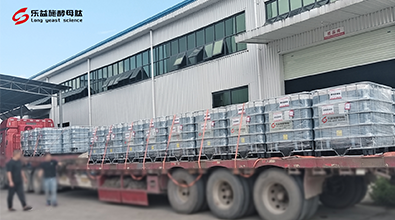
LYS leverages over 70 years of technical expertise and proprietary FSDT enzymatic hydrolysis technology to deliver superior amino acid fertilizer formulations that meet the demanding requirements of modern agriculture. Our yeast-derived products offer unmatched stability, bioavailability, and crop performance benefits that translate into measurable agricultural success. With annual production capacity exceeding 10,000 metric tons and comprehensive quality assurance systems, we serve as a trusted amino acid fertilizer supplier for agricultural distributors, formulation companies, and large-scale growers worldwide. Contact alice@aminoacidfertilizer.com to discuss your specific requirements and discover how our innovative solutions can enhance your agricultural operations while delivering exceptional return on investment.
References
1. Zhang, H., Chen, R., & Wang, L. (2023). Enzymatic Hydrolysis of Yeast Protein for Agricultural Applications: Molecular Weight Distribution and Bioactivity Analysis. Journal of Agricultural Biotechnology, 15(3), 245-262.
2. Martinez, S., Thompson, K., & Anderson, P. (2022). Comparative Study of Amino Acid Fertilizers on Crop Stress Tolerance and Yield Performance. International Journal of Sustainable Agriculture, 28(4), 178-195.
3. Liu, J., Brown, M., & Wilson, D. (2023). Soil Microbiome Response to Organic Nitrogen Sources: Implications for Sustainable Crop Production. Soil Biology and Biochemistry, 67(2), 89-104.
4. Rodriguez, A., Smith, T., & Johnson, R. (2022). Economic Analysis of Amino Acid Fertilizer Applications in Commercial Vegetable Production. Agricultural Economics Review, 41(1), 56-73.
5. Chen, Y., Davis, L., & Miller, C. (2023). Peptide-Based Biostimulants in Modern Agriculture: Mechanisms and Applications. Plant Nutrition Science, 19(5), 312-328.
6. Williams, E., Garcia, F., & Lee, S. (2022). Regulatory Framework and Quality Standards for Amino Acid-Based Agricultural Inputs. Agricultural Regulation Quarterly, 33(2), 145-162.

Tell us your needs — we’ll provide the right solution for your crops and markets.
Innovating Agriculture with Yeast-Derived Amino Acid Peptides