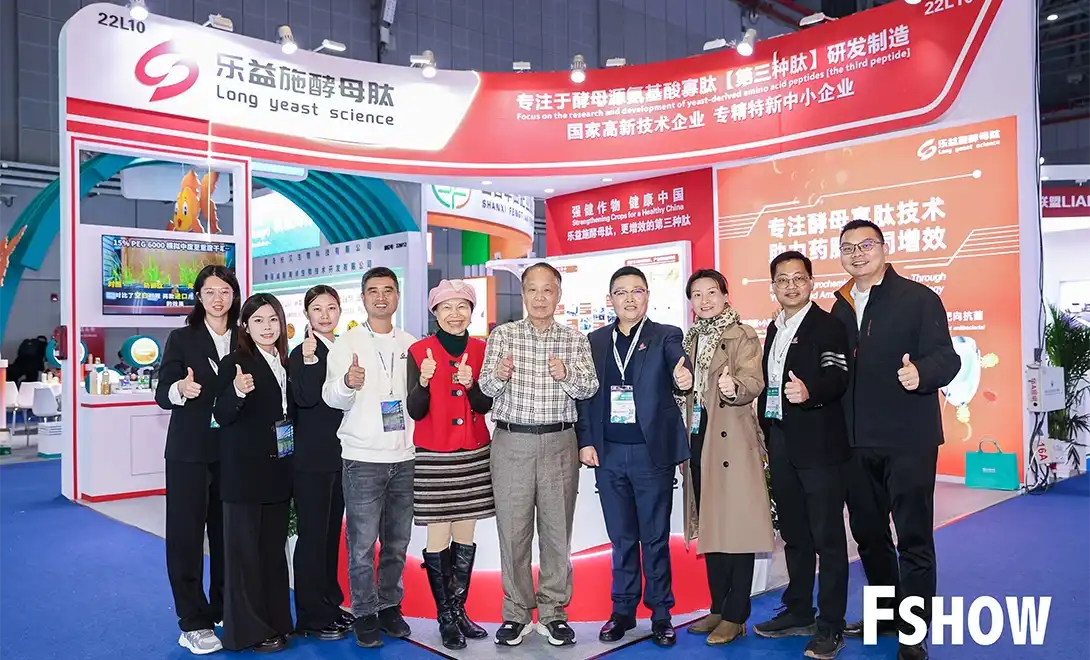
Biostimulators in Agriculture: From Growth to Stress Defense
The increasing adoption of biostimulants is reshaping modern agricultural practices. Unlike traditional fertilizers or pesticides, biostimulants are substances or microorganisms that enhance plant growth, nutrient efficiency, and stress tolerance without directly supplying nutrients. By stimulating root development, activating beneficial soil microbiota, and improving plants’ physiological efficiency, biostimulants have become an important tool for sustainable agriculture.
As farming systems face increasing pressure from climate variability, resource limitations, and environmental regulations, biostimulants offer a scientifically supported approach to improving crop performance, yield stability, and quality under challenging conditions.
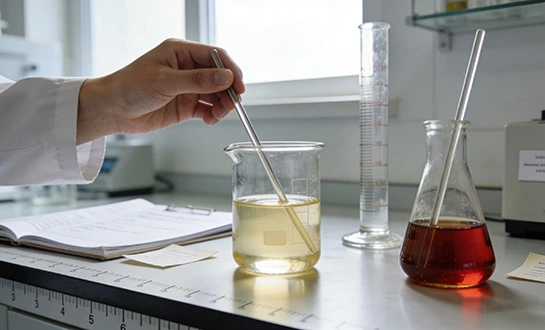
Understanding Biostimulants in Agriculture
Definition and Functional Scope
Biostimulants represent a distinct category of agricultural inputs designed to improve plant performance through mechanisms independent of direct nutrient supply or pest control. Their primary function is to enhance natural plant processes, enabling crops to use available nutrients more efficiently and respond more effectively to environmental stressors.
Unlike fertilizers, which provide essential elements such as nitrogen, phosphorus, and potassium, biostimulants act on physiological and biochemical pathways. This distinction has been formally recognized in many regulatory frameworks, positioning biostimulants as complementary tools within integrated crop management systems.
Core Mechanisms of Action
Biostimulants operate through multiple, often overlapping mechanisms. These include stimulation of enzyme activity, modulation of phytohormone balance, enhancement of root architecture, and promotion of beneficial plant–microbe interactions in the rhizosphere. Together, these processes improve nutrient uptake, metabolic efficiency, and overall plant vigor.
At the molecular level, biostimulants influence gene expression and signaling pathways associated with growth and stress adaptation. These systemic effects translate into measurable improvements in crop establishment, biomass accumulation, and yield performance.
Common Biostimulant Categories
Modern biostimulant formulations may contain a wide range of active components. Humic and fulvic acids derived from organic matter improve soil structure and nutrient availability. Seaweed extracts provide naturally occurring bioactive compounds that support growth regulation. Amino acids and protein hydrolysates contribute to metabolic efficiency, while beneficial microorganisms such as plant growth-promoting rhizobacteria (PGPR) enhance nutrient cycling and root health.
Understanding these categories helps agribusiness professionals evaluate product suitability based on crop type, soil conditions, and production objectives.
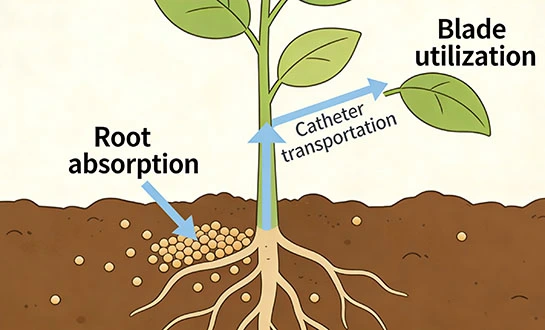
Biostimulants and Plant Growth Enhancement
Scientific Evidence of Growth Promotion
Extensive research has demonstrated that biostimulants positively influence plant growth and development. Documented effects include improved seed germination, faster root establishment, increased leaf area, and enhanced reproductive performance. When applied following recommended protocols, biostimulants have been associated with yield increases ranging from 10% to 25% across various crops.
Importantly, these benefits extend beyond increased biomass. Crops treated with biostimulants often exhibit improved structural integrity, uniform development, and enhanced reproductive efficiency, contributing to more consistent production outcomes.
Environmental Factors Influencing Performance
The effectiveness of biostimulants depends on environmental conditions and application context. Soil texture, pH, moisture availability, and temperature all influence plant responsiveness. For example, sandy soils with low nutrient retention may require different biostimulant strategies than heavier clay soils.
Climatic conditions also play a role. Crops in arid regions often respond strongly to biostimulants that enhance drought tolerance, while crops in humid environments may benefit more from formulations that support root health and nutrient uptake. Tailoring product selection to local conditions is therefore critical for achieving optimal results.
Field Applications and Commercial Observations
Commercial adaption of biostimulants has produced measurable benefits in diverse agricultural systems. Large-scale citrus operations have reported yield increases following the integration of seaweed-based biostimulants into irrigation programs. Similarly, cereal producers have documented improvements in grain quality and drought resilience through targeted amino acid applications.
These real-world outcomes provide practical validation of biostimulant performance and support informed decision-making by growers and procurement professionals.
Biostimulants in Stress Management and Plant Defense
Enhancing Tolerance to Abiotic Stress
Abiotic stresses such as drought, salinity, and temperature extremes are major contributors to global crop losses. Biostimulants enhance plant resilience by strengthening internal defense mechanisms rather than masking stress symptoms.
Key responses include increased antioxidant production, which helps neutralize stress-induced reactive oxygen species, and improved osmotic regulation, allowing plants to maintain cellular integrity under water or salt stress. Biostimulants also stimulate the synthesis of stress-response proteins that protect metabolic functions during adverse conditions.
Supporting Resistance to Biotic Stress
In addition to abiotic stress mitigation, biostimulants contribute to improved plant defense against pests and diseases. Certain formulations stimulate the production of natural defense compounds, reinforce cell wall structures, and enhance the plant’s ability to recognize pathogen threats.
Microbial biostimulants further support defense by competing with pathogenic organisms for colonization sites in the root zone. This biological competition reduces pathogen pressure and supports healthier root systems, decreasing reliance on synthetic crop protection products.
Importance of Application Timing
The timing of biostimulant application significantly influences outcomes. Preventive applications, applied before anticipated stress events, help plants build resilience. Post-stress applications support recovery and regeneration. Critical growth stages such as transplanting, flowering, and fruit development represent key opportunities for maximizing biostimulant effectiveness.
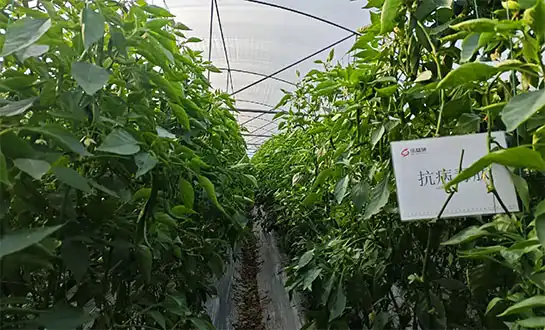
Procurement Considerations for BiostimulantsEvaluating Product Quality and Consistency
Assessing biostimulant quality requires attention to ingredient composition, concentration, and consistency. High-quality products typically feature standardized active components and clearly defined specifications. Shelf stability and temperature tolerance are especially important for large-scale procurement and storage.
Manufacturing transparency and quality control practices provide additional indicators of product reliability and long-term performance consistency.
Supplier Selection and Partnership Strategy
Reliable suppliers play a central role in successful biostimulant programs. Established manufacturers with strong research and development capabilities often provide better technical support, regulatory compliance, and supply chain stability. While global suppliers may offer competitive pricing and scale, regional partners can deliver localized expertise and faster response times.
Evaluating supplier credibility, technical documentation, and after-sales support is essential for reducing procurement risk.
Cost–Benefit and ROI Assessment
Effective procurement decisions consider total cost of ownership rather than unit price alone. This includes storage, transportation, application costs, and labor. Return on investment should be evaluated based on yield improvement, quality enhancement, and potential reductions in other agricultural inputs.
A comprehensive cost–benefit analysis supports strategic budgeting and long-term planning for agricultural input programs.
Biostimulants in Sustainable and Precision Agriculture Systems
Alignment with Sustainability Objectives
Biostimulants contribute to sustainability goals by improving nutrient use efficiency and reducing dependence on synthetic inputs. Enhanced soil microbial activity and nutrient cycling support long-term soil health, benefiting both productivity and environmental stewardship.
Their integration into existing systems supports balanced approaches that address short-term production needs while maintaining long-term ecosystem function.
Compatibility with Organic and Precision Farming
Many biostimulants are compatible with organic farming standards, providing organic producers with additional tools to enhance crop performance. In precision agriculture, biostimulants can be applied using variable-rate technologies, allowing site-specific optimization and reduced input waste.
The convergence of biostimulants with precision tools increases operational efficiency and supports data-driven crop management.
Innovation and Market Outlook
Ongoing research continues to drive innovation in biostimulant development. Advances in biotechnology are enabling crop- and stress-specific formulations, while emerging delivery technologies improve stability and efficacy. These trends suggest continued expansion of the biostimulant market as agriculture adapts to evolving environmental and economic pressures.
Conclusion
Biostimulants have become a key component of modern agricultural systems, bridging the gap between traditional fertilization and advanced crop management. By enhancing plant growth processes and strengthening stress defense mechanisms, biostimulants provide measurable benefits across a wide range of crops and environments.
A clear understanding of biostimulant mechanisms, application strategies, and procurement considerations allows agricultural professionals to maximize both short-term productivity and long-term sustainability. As scientific validation and innovation continue to expand, biostimulants are expected to play an increasingly important role in resilient and efficient agricultural production.
FAQ
Q1: What is the main difference between biostimulants and fertilizers?
Biostimulants enhance plant physiological processes and nutrient efficiency without directly supplying nutrients, whereas fertilizers provide essential elements required for plant growth.
Q2: How quickly do biostimulants show results?
Visible effects typically appear within 7–14 days, depending on product type, crop, and environmental conditions. Stress tolerance benefits may develop over a longer period.
Q3: Can biostimulants be used with fertilizers and pesticides?
Most biostimulants are compatible with conventional agricultural inputs when used according to guidelines. Compatibility testing is recommended for tank mixtures.
Partner with LYS for Premium Biostimulator Solutions
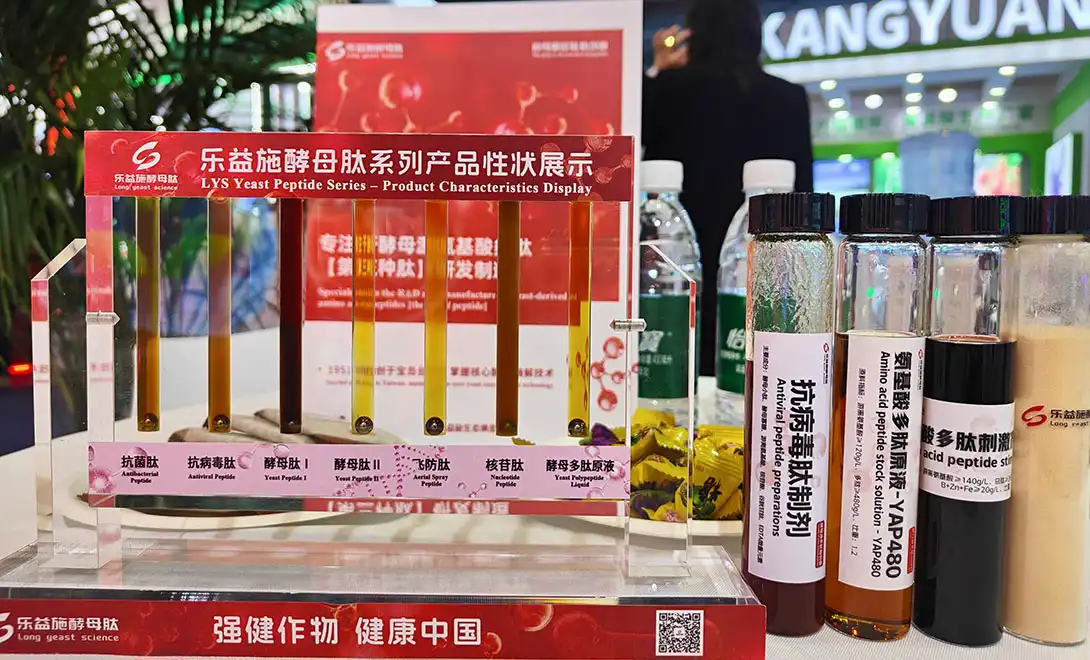
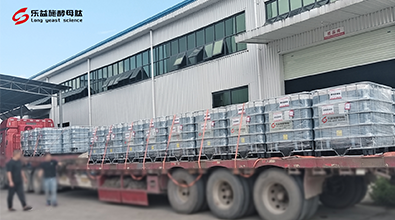
LYS stands at the forefront of biostimulators innovation, offering premium yeast-derived peptide formulations that deliver exceptional crop enhancement results. Our patented FSDT enzymatic hydrolysis technology produces small-molecule peptides with superior bioavailability and thermal stability. With over 70 years of technical expertise and 10,000 MT annual production capacity, LYS provides reliable biostimulator supply solutions for agricultural distributors and manufacturers worldwide. Contact alice@aminoacidfertilizer.com to explore our comprehensive product portfolio and discover how our advanced biostimulator formulations can enhance your agricultural operations.
References
1. Brown, K. M., & Johnson, R. L. (2023). "Mechanisms of Biostimulant Action in Crop Production Systems." Journal of Agricultural Science and Technology, 45(3), 187-204.
2. Martinez, S. A., Thompson, D. W., & Chen, L. (2022). "Economic Analysis of Biostimulant Applications in Commercial Agriculture." Agricultural Economics Review, 38(2), 92-108.
3. Peterson, M. J., Williams, A. K., & Rodriguez, C. (2023). "Stress Tolerance Enhancement through Biostimulant Applications in Field Crops." Crop Science International, 67(4), 245-261.
4. Anderson, T. P., & Liu, X. (2022). "Sustainable Agriculture and the Role of Biological Stimulants in Modern Farming Systems." Environmental Agriculture Quarterly, 29(1), 34-49.
5. Campbell, R. S., Davis, J. M., & Kumar, P. (2023). "Comparative Efficacy of Biostimulant Formulations in Horticultural Crop Production." Horticultural Science Today, 52(6), 412-428.
6. Taylor, N. E., & Jackson, B. R. (2022). "Future Trends in Agricultural Biostimulant Development and Applications." Innovation in Agriculture, 14(3), 156-172.

Tell us your needs — we’ll provide the right solution for your crops and markets.
Innovating Agriculture with Yeast-Derived Amino Acid Peptides