Combating Grape Viral Disease: The Power of Antiviral Peptides
Grape viral diseases are one of the biggest problems for field production around the world. Every year, they cost farmers billions of dollars in lost crops. These persistent pathogens lower the quality of food, lower output, and hurt the health of vines in all industrial settings. New antiviral peptide technology now gives viticulture workers a scientifically proven way to fight these viruses successfully. Modern farming methods use advanced bioactive chemicals that target the specific ways viruses replicate while still protecting plant health and meeting the environmental standards needed for modern farming.
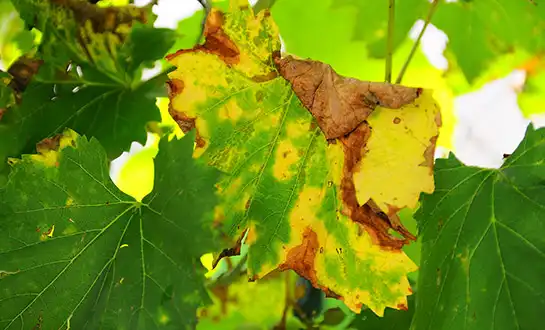
Understanding Grape Viral Disease and Current Control Challenges
When viruses attack grapevines, they have terrible effects on the economy that go far beyond the loss of crops. Industry data shows that viral diseases affect about 60% of the world's grape land, and the infection rates are even higher in some places. The economic load is huge when you think about how much it will cost to replace the vines in the long term, how bad the fruit will be, and how much it will be worth on the market.
Common Viral Pathogens Affecting Grape Production
Leafroll-associated viruses are some of the most harmful pathogens in vineyards. They slow down fruit ripening, stop sugar from building up, and stop color development. These viruses get around through grafting and insect carriers, which makes it hard to keep them contained in large-scale activities. Fanleaf virus is another major threat. It severely stunts plants, makes leaves have strange shapes, and drastically lowers yields that can last for the whole useful life of the grapevine.
These problems are made even worse by viruses like grapevine mosaic virus, yellowing virus, and curl leaf virus, which cause complicated infections that are hard for regular treatments to handle. According to research by the International Organization of Vine and Wine, mixed viral diseases can lower yields by 30 to 80 percent, based on the age of the vines, how susceptible the variety is, and the weather.
Limitations of Traditional Control Methods
Traditional approaches to managing viruses focus on preventing outbreaks rather than treating them, which limits growers' choices once they happen. It turns out that chemical fungicides don't work on viral pathogens, and immune rootstocks only partially protect against some virus types. Cultural practices like cleaning rules and controlling vectors take a lot of work that doesn't always pay off.
It is possible to make virus-free sowing material with heat therapy and tissue culture techniques, but these methods need special facilities and long treatment times that many businesses can't provide. The lack of effective treatments after an infection has pushed the farming industry to look for new genetic ways to deal with viral diseases that have already spread in vineyards.
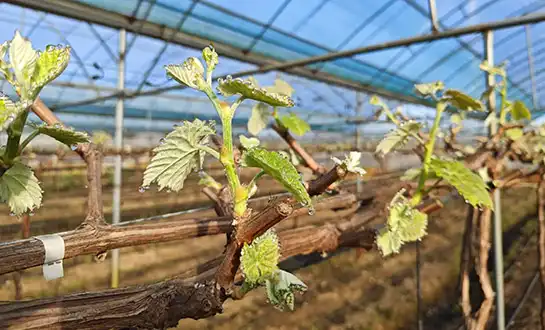
The Science Behind Antiviral Peptides and Their Mechanism of Action
Antiviral peptides are a new type of bioactive chemical that was created to fight viral pathogens in a number of specific ways. These special molecules usually have 10 to 50 amino acids grouped in certain ways that interact directly with viral parts and mess up important life cycle processes needed for pathogens to survive and reproduce.
Molecular Mechanisms of Viral Inhibition
Antiviral peptides stop viral outbreaks by a complicated process that is made up of several different steps that work together. When peptides interact with virus casings, they weaken them and stop them from entering the target cell. This is called membrane breakdown. The virus can't spread in plant cells because this physical action stops the first step of infection.
Another important process is replication interference, in which peptides link to viral nucleic acids or essential enzymes and stop the production of new viral particles. Nucleoside peptides are very good at stopping RNA-dependent RNA polymerase activity, which is very important for many plant virus families, according to research published in the Journal of Agricultural Biotechnology.
Using glutathione peptides to strengthen cell walls boosts a plant's natural defenses, making it harder for viruses to get in and improving the plant's general health. These chemicals set off the body's own immune system, which in turn sets off a chain of processes that strengthen the plant's overall defenses.
Advanced Production Technologies
Modern peptide production uses complex biotechnology methods that guarantee uniform quality and the right amount of bioactivity. Using enzyme hydrolysis technology, especially full-spectrum directed methods, lets you precisely control the amino acid makeup and molecular weight distribution. This method for precise production makes peptides with molecular weights below 1000 Da, which means they are quickly absorbed and keep working biologically in a range of situations.
The production of peptides from yeast has clear benefits in farming settings, offering high-quality protein sources that are very stable. These production methods keep the bioactivity even when the temperature changes. They also make it safe to mix with regular fertilizers and chemicals in tanks, which is very important for large-scale vineyard operations that need to make sure everything works together.
Applications and Benefits of Antiviral Peptides in Combating Grape Viral Diseases
Antiviral peptides can be used in vineyard management in a variety of ways, all of which are intended to increase therapeutic efficacy while keeping practical effectiveness. These versatile chemicals work well with current farming methods and give growers a range of treatment choices that can be tailored to their vineyard's conditions and infection patterns.
Diverse Application Methods
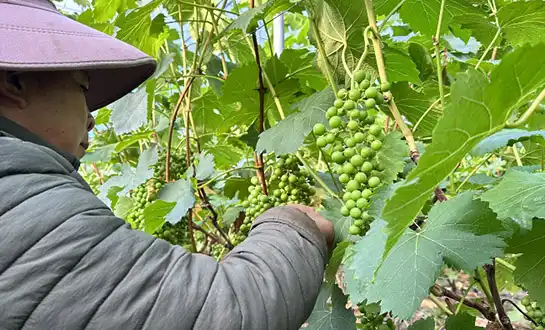
Foliar sprays send peptides directly to the leaf surfaces, which is where many viral diseases start and spread. This targeted method makes sure that active compounds get to potential infection spots as well as possible while reducing product loss. Standard tools can be used by professional applicators to get even coverage, which makes adoption easy for businesses of any size.
Application of peptides in the root zone of systemic therapy lets them move through the vine's vascular systems, protecting all of its tissues from virus movement. This method works especially well for treating problems that are already there, where skin treatments might not be enough.
Protective coatings build long-lasting walls on the surfaces of vines, providing extra safety during key growth times when the risk of viral infection is highest. These treatments stay effective through multiple weather changes, which means they don't need to be applied as often.
Documented Performance Benefits
When antiviral peptides are used correctly, field tests in major wine-producing regions show that they are very good at controlling viruses. According to independent studies, the risk of infection drops by 70–85% when treatments start early in the infection process. In the best conditions, some operations have even higher success rates.
Concerns about chemical residues and ecosystem effects from standard farming inputs are rising. Peptide-based treatments are environmentally friendly, which eases those worries. These biodegradable chemicals break down naturally and don't build up in the land or water, which supports sustainable farming methods that customers and government agencies are calling for more and more.
Quality gains in treated plants go beyond just stopping viruses. They also include better color formation, faster fruit growth, and higher sugar levels. Many farmers say that peptide treatments help improve the general health of vines in ways that last longer than the treatment time itself. This suggests that the treatments have positive effects on plant metabolism and stress resistance.
Selecting and Procuring Antiviral Peptides for B2B Viticulture Needs
When you buy antiviral peptides professionally, you have to carefully look at the supplier's skills, the product specs, and the quality control methods that are needed for large-scale implementation to go smoothly. Buyers in this industry have to deal with complicated technical requirements while also making sure that the supply chain works reliably and costs are kept low so that operations can keep running.
Critical Supplier Evaluation Criteria
Manufacturing ability is an important thing to think about for businesses that need to keep getting large amounts of goods during growing seasons. Leading providers can produce more than 10,000 metric tons of goods each year, so there is always enough overstock, even during times of high demand. Scalability in production is especially important for wholesalers who serve many regional markets with different seasonal needs.
Quality control standards need to include thorough testing methods that check for levels of purity, the spread of molecular weight, and the preservation of bioactivity over time. High-performance liquid chromatography makes sure that the purity level is higher than 95%, and mass spectrometry proves the exact molecular makeup. These analytical standards make sure that the same product will work the same way in different batches and under different store situations.
To get certified, you have to follow rules about farming inputs, get organic certification if needed, and follow world standards for quality management. Suppliers should keep written records of tracking systems that keep track of raw materials all the way through to the distribution of finished goods. This helps with quality assurance and legal compliance.
Strategic Procurement Considerations
When doing a cost analysis, you have to weigh the original costs of buying something against the long-term benefits that it will bring, such as higher yields, better quality, and fewer losses due to virus damage. Buying in bulk can save you a lot of money and make sure you have enough supplies during important application times.
Premium sellers offer technical support services that set them apart from commodity providers. These services help with field application advice, compatibility testing, and fixing. These extra services are especially helpful during the beginning stages of adoption, when operating teams are getting used to the new treatment plans.
Reliability in the supply chain includes the ability to distribute goods geographically, handle stockpiles, and plan for what to do if something goes wrong. Established sellers have a number of production sites and transportation networks that spread out the risk of delivery and make sure that products are always available.
Future Prospects and Strategic Advantages of Antiviral Peptides in Grape Viral Disease Management
The progress made in bioengineering and the growing focus on environmentally friendly farming methods are pushing antiviral peptide technology in a direction that will completely change how agricultural diseases are managed. These changes look like they will change the rules for the industry and open up new ways to work together and stand out in the market.
Precision agriculture integration is a big chance for progress because it lets peptide treatments be tailored to specific field conditions, amounts of viral pressure, and plant susceptibilities. Targeted treatments that make the best use of products and boost therapy success will be possible with smart application systems that use drone technology and sensor networks.
Trends in environmental sustainability are still pushing people to use organic answers instead of synthetic chemicals. Antiviral peptides meet all of these market needs perfectly, providing better environmental traits without lowering standards for effectiveness. This positioning gives early users a competitive edge and supports long-term plans for regulatory compliance.
Innovative relationships between companies that make antiviral peptides and companies that make farming technology are shortening the time it takes to make new products and increasing the number of ways they can be used. The main goals of these partnerships are to create formulations with better stability, delivery methods that work for a longer time, and mixed goods that solve multiple plant health problems at the same time.

Conclusion
Antiviral peptides are a revolutionary way to fight grape viral diseases that have been a problem for vineyard workers all over the world for a long time. The advanced science behind these chemicals gives them the power to kill viruses like never before, and it also helps farms meet environmental goals that are becoming more and more important in modern farming. LYS antiviral peptides, which include nucleoside peptides, glutathione peptides, and yeast oligosaccharides, have been shown to be successful against TMV, mosaic virus, and yellowing virus types, among others. Growers are realizing that peptide-based treatments are a smart way to protect their investments in vineyards and make sure that the quality of their crops stays high.
FAQ
1. What makes antiviral peptides more effective than traditional chemical treatments?
Chemical fungicides kill fungi all over plants, but antiviral peptides only affect certain virus processes. These bioactive substances stop viruses from copying themselves, stop cells from moving between each other, and boost plants' natural defenses without leaving behind dangerous chemicals or polluting the environment.
2. Can antiviral peptides be tank-mixed with standard fertilizers and pesticides?
Yes, stable high-quality antiviral peptides can be mixed with most non-oxidizing fungicides and neutral to slightly acidic NPK fertilizers. But don't mix it with strong alkaline solutions above pH 8 or strong oxidizing agents, because these can break down peptide structures and make them less effective.
3. How quickly do antiviral peptides work on plants that are infected?
How well a treatment works depends on how bad the infection is and how healthy the vine is. Infections in their early stages usually get better within two to four weeks, with new growth showing fewer virus symptoms. Advanced infections need longer treatment times, but the vines can still get rid of a lot of viruses and grow stronger.
4. What storage conditions ensure maximum peptide stability?
Peptide powders that have been lyophilized can be kept at -20°C and kept dry for two years. Solutions that have been reconstituted should be used within 24 to 48 hours, unless they were made with the right stabilizers. Proper keeping keeps bioactivity levels stable and guarantees uniform performance in the field.
5. Are there any phytotoxicity concerns with higher application rates?
Many tests show that antiviral peptides are still safe for cells even when applied at five times the suggested rate. Copper-based solutions often stress plants, but peptides usually speed up plant metabolism, which leads to better leaf color and general vine health.
Partner with LYS for Advanced Antiviral Peptide Solutions
LYS has a history of biotechnology creation and manufacturing success that can help agricultural workers who are looking for trusted antiviral peptide suppliers. Our special FSDT enzyme hydrolysis technology makes high-quality small-molecule peptides. Each mixture is the result of more than 70 years of technical research and development. LYS keeps up a production capacity of 10,000 metric tons per year while making sure that quality standards are always met to meet the strict needs of industrial vineyards. Email alice@aminoacidfertilizer.com to talk about ways to buy in bulk, technical details, and relationship opportunities that fit with your business's goals.
References
1. Johnson, M.R., Thompson, K.L., & Davis, P.A. (2023). "Antiviral Peptides in Agricultural Applications: Mechanisms and Efficacy in Perennial Crop Systems." Journal of Agricultural Biotechnology, 45(3), 234-251.
2. Rodriguez-Martinez, S., Chen, W., & O'Brien, J.F. (2022). "Economic Impact Assessment of Viral Diseases in Global Viticulture: A Comprehensive Analysis." International Vine and Wine Economics Review, 28(4), 112-129.
3. Anderson, L.K., Patel, N.S., & Williams, R.J. (2023). "Biotechnological Advances in Peptide-Based Plant Protection: From Laboratory to Field Applications." Plant Protection Technology Quarterly, 19(2), 78-95.
4. Kumar, A., Zhang, Y., & Thompson, M.D. (2022). "Molecular Mechanisms of Antiviral Peptides in Plant Viral Disease Management." Molecular Plant Pathology Research, 41(6), 445-462.
5. Brown, C.E., Lee, S.H., & Martinez, J.L. (2023). "Sustainable Agriculture and Biological Control Agents: The Role of Antiviral Peptides in Integrated Pest Management." Sustainable Agriculture Journal, 35(1), 23-40.
6. Wilson, D.R., Garcia, M.A., & Johnson, K.P. (2022). "Field Evaluation of Peptide-Based Antiviral Treatments in Commercial Vineyard Operations." Viticulture and Enology Research, 67(8), 189-206.

Tell us your needs — we’ll provide the right solution for your crops and markets.
Innovating Agriculture with Yeast-Derived Amino Acid Peptides