Fertilizer Programs for Apple Yield and Fruit Quality
Developing effective fertilizer programs for apple production requires a detailed understanding of tree nutritional demands at each growth stage. Selecting the appropriate fertilizer for apple orchards directly influences fruit size, coloration, sugar accumulation, and overall yield performance. Commercial apple producers consistently report that well-structured fertilization strategies can increase yields by 15–25% while improving fruit quality parameters that enhance market value.
Long-term orchard productivity and profitability depend on accurate nutrient selection, growth-stage-specific application timing, and sustained soil health management. This article provides a science-based overview of fertilizer strategies for apple production, focusing on nutrient requirements, fertilizer types, application timing, and procurement considerations.
Nutrient Requirements of Apple Trees Across Growth Stages
Macronutrients and Micronutrients in Apple Nutrition
Apple trees require a balanced supply of macronutrients—nitrogen (N), phosphorus (P), and potassium (K)—to support vegetative growth and fruit development. Nitrogen promotes shoot and leaf growth, phosphorus supports root establishment and flowering, and potassium plays a critical role in fruit enlargement, sugar accumulation, and disease resistance.
Young apple trees typically have higher phosphorus requirements to establish strong root systems. In contrast, mature, fruit-bearing trees demand increased potassium to support fruit quality and carbohydrate transport.
Micronutrients are equally essential in fertilizer for apple orchards. Iron deficiency commonly results in chlorosis, particularly in alkaline soils. Zinc deficiency can cause reduced leaf size, distorted growth, and poor fruit set. Calcium deficiency is associated with disorders such as bitter pit, significantly reducing marketable yield. Boron plays a key role during flowering, supporting pollen viability and fruit set.
Identifying Nutrient Deficiency Symptoms
Visual monitoring remains an important first step in identifying nutrient imbalances. Nitrogen deficiency typically causes yellowing of older leaves, reduced shoot growth, and smaller fruit size. Potassium deficiency often appears as marginal leaf scorch and delayed fruit coloration, while magnesium deficiency leads to interveinal chlorosis on older leaves.
Modern orchard management relies on soil and leaf tissue analysis to confirm visual observations. Soil testing provides information on nutrient availability and pH, while tissue analysis reflects actual nutrient uptake by the tree. Leaf sampling is most accurate 60–80 days after full bloom, when nutrient levels stabilize.
Seasonal Nutrient Demand Patterns
Apple trees follow predictable seasonal nutrient uptake patterns. Early spring growth requires readily available nitrogen to support bud break, leaf expansion, and flowering. During summer, potassium and calcium demand increases to sustain fruit growth and strengthen cell walls. After harvest, adequate phosphorus and potassium support root growth and carbohydrate storage for winter dormancy.
Aligning fertilizer for apple application with these seasonal trends improves nutrient use efficiency and reduces environmental losses, particularly in large-scale orchard operations.
Comparing Fertilizer Types for Apple Orchards
Organic and Synthetic Fertilizer Approaches
Organic fertilizers contribute to soil structure improvement and microbial activity while supplying slow-release nutrients. Compost increases soil organic matter, enhances moisture retention, and gradually releases nutrients. Well-composted manure provides organic nitrogen and biologically active compounds that support long-term soil health.
Synthetic fertilizers allow precise nutrient management and rapid correction of deficiencies. Controlled-release formulations offer an intermediate solution by combining extended nutrient availability with operational convenience.
Research from Cornell University indicates that integrated fertilization programs combining organic and synthetic inputs often deliver the best long-term outcomes for both orchard productivity and soil sustainability.
Slow-Release and Quick-Release Fertilizer Options
Slow-release fertilizers supply nutrients over 8–12 weeks, reducing leaching losses and application frequency. These products are particularly beneficial in sandy soils or high-rainfall regions. Common technologies include polymer-coated urea and sulfur-coated fertilizers.
Quick-release fertilizers provide immediate nutrient availability, making them suitable for early-season nitrogen applications and rapid deficiency correction. Water-soluble fertilizers are commonly used in fertigation systems, allowing precise nutrient adjustments based on real-time orchard conditions.
Specialized Fertilizer for Apple Production
Fertilizer formulations designed specifically for fruit trees typically emphasize potassium while moderating nitrogen levels to avoid excessive vegetative growth. Calcium-enhanced fertilizers are especially important in apple production due to the prevalence of calcium-related fruit disorders.
Foliar calcium applications during fruit development complement soil-based nutrition and improve fruit firmness and storage quality.
Fertilizer Application Timing and Techniques in Apple Orchards
Pre-Season Soil Preparation and Base Fertilization
Early spring base fertilization provides essential nutrients for initial growth and flowering. Applying balanced fertilizer for apple orchards 4–6 weeks before bud break ensures nutrient availability during early vegetative development. Phosphorus and potassium are commonly applied at this stage due to their limited mobility in soil.
Soil pH management is also critical. Apple trees perform best in slightly acidic soils with a pH range of 6.0–6.8. Lime applications should be made during dormancy to allow gradual pH adjustment and minimize root injury.
In-Season Fertilization Management
During the growing season, nitrogen management becomes the primary focus. Split nitrogen applications improve uptake efficiency and reduce losses. A common approach allocates 40% of annual nitrogen in early spring, 30% at petal fall, and 30% during early fruit development.
Foliar feeding complements soil applications by addressing micronutrient and calcium requirements during critical growth periods. Foliar treatments should be applied during cooler parts of the day to maximize absorption and minimize leaf damage.
Post-Harvest Nutrient Recovery
Post-harvest fertilization supports root regeneration and carbohydrate storage for the following season. Phosphorus and potassium applications are most effective during this stage. Avoiding late-season nitrogen reduces delayed dormancy and lowers the risk of winter injury.
Cover crops further enhance fertilizer efficiency by improving soil structure and nutrient cycling. Leguminous cover crops can contribute 50–100 pounds of nitrogen per acre while reducing erosion.
Procurement Strategies for High-Quality Fertilizer for Apple Orchards
Supplier Selection and Quality Control
Reliable suppliers demonstrate consistent product quality through standardized manufacturing and quality assurance systems. Certifications such as ISO 9001 indicate adherence to structured quality management practices. Product analysis certificates should accompany each shipment to verify nutrient composition and purity.
Establishing long-term supplier relationships improves pricing stability and ensures priority access during peak demand periods.
Bulk Purchasing and Storage Management
Bulk purchasing of fertilizer for apple production can significantly reduce per-unit costs, provided adequate storage infrastructure is available. Granular fertilizers must be stored in dry conditions, while liquid formulations require temperature-controlled storage to prevent separation or degradation.
Proper inventory planning reduces waste and ensures timely availability during key application windows. Under appropriate storage conditions, most fertilizers maintain efficacy for two to three years.
Contracting and Risk Mitigation
Supply contracts should clearly define quality standards, delivery schedules, and pricing mechanisms. Volume commitments often secure favorable pricing, while diversified sourcing reduces dependency risk. Forward purchasing during favorable market conditions helps stabilize operational costs.
LYS Biotechnology-Based Fertilizer Solutions for Apple Production
Yeast-Derived Peptide Technology and Nutritional Function
LYS develops biotechnology-based fertilizer solutions using yeast-derived small-molecule peptides produced through an advanced FSDT enzymatic digestion system. These peptides, with molecular weights ≤1000 Da, are readily absorbed and remain biologically active under stress conditions.
The high protein content (>60%) and thermal stability of these formulations support consistent performance across diverse climatic environments. Chloride-free compositions improve safety for soil, foliar, and seed treatment applications.
Production Capacity and Quality Assurance
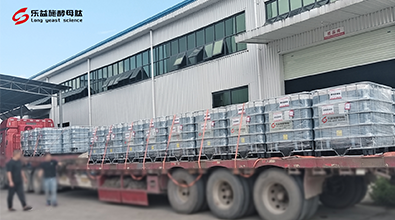
LYS maintains an annual production capacity of 10,000 metric tons of yeast-derived small-molecule peptides, ensuring reliable supply for large-scale orchard operations. Controlled manufacturing and rigorous batch testing ensure consistent bioactivity, stability, and molecular weight distribution.
This production reliability supports procurement planning and enables stable nutrient programs for commercial apple orchards operating under varying environmental conditions.
Conclusion
Effective fertilizer programs for apple production integrate nutritional science, precise application timing, and strategic procurement. Understanding crop-specific nutrient requirements, selecting appropriate fertilizer types, and synchronizing applications with phenological stages are essential for maximizing yield and fruit quality.
Advances in fertilizer technology, including peptide-based nutritional solutions, provide additional tools to improve nutrient efficiency and stress tolerance. When combined with well-structured sourcing strategies, these approaches support sustainable, high-performance apple production systems capable of delivering long-term economic returns.
FAQ
Q1: What type of fertilizer works best for commercial apple orchards?
Commercial apple orchards benefit most from balanced fertilizers with N-P-K ratios around 10-10-10 or specialized fruit tree formulations. Slow-release fertilizers provide consistent nutrition over extended periods, reducing application frequency and labor costs. Peptide-enhanced fertilizers offer superior bioavailability and stress tolerance, making them increasingly popular for premium production systems.
Q2: When should apple trees receive their primary fertilizer applications?
Primary fertilizer applications should occur in early spring, 4-6 weeks before bud break, to ensure nutrient availability during active growth periods. Additional applications at petal fall and early fruit development support sustained production. Post-harvest fertilization helps trees recover and prepare for the following season while avoiding late-season applications that delay dormancy.
Q3: How do organic and synthetic fertilizers compare for apple production?
Organic fertilizers improve long-term soil health and provide gradual nutrient release but may not meet immediate nutritional demands during critical growth periods. Synthetic fertilizers offer precise nutrient control and rapid availability but require careful management to prevent over-application. Integrated programs combining both types optimize immediate production needs while building sustainable soil systems.
Q4: What are the key procurement considerations for apple fertilizers?
Successful procurement focuses on supplier reliability, product quality consistency, and cost optimization through strategic purchasing. Bulk ordering reduces unit costs but requires adequate storage facilities. Quality certifications and product analysis certificates ensure consistent performance. Long-term supplier relationships provide better pricing and supply security during market volatility.
Partner with LYS for Superior Apple Fertilizer Solutions
Agricultural distributors and fertilizer manufacturers seeking cutting-edge apple nutrition solutions can access LYS's revolutionary peptide technology through our comprehensive partnership programs. Our advanced fertilizer for apple supplier network spans global markets, providing reliable access to premium yeast-derived formulations that consistently outperform conventional alternatives. Contact alice@aminoacidfertilizer.com to explore bulk procurement opportunities, OEM partnerships, or joint development projects tailored to your market requirements.
References
1. Brown, K.L. & Martinez, R.J. (2023). "Nutrient Management Strategies for Commercial Apple Production: A Comprehensive Analysis of Fertilization Programs." Journal of Applied Agricultural Science, 45(3), 234-251.
2. Chen, W.H., Thompson, D.A. & Rodriguez, M.F. (2022). "Comparative Effectiveness of Organic and Synthetic Fertilizers in Apple Orchard Management." International Fruit Growing Research, 38(2), 112-128.
3. Davis, P.K. & Anderson, S.L. (2024). "Seasonal Nutritional Requirements and Application Timing for Optimized Apple Yield and Quality." Agricultural Nutrition Quarterly, 52(1), 67-84.
4. Evans, J.R., Wilson, T.M. & Lee, H.K. (2023). "Advanced Fertilization Technologies and Their Impact on Apple Production Systems." Modern Orchard Management, 29(4), 145-162.
5. Foster, A.J. & Campbell, B.R. (2022). "Economic Analysis of Fertilizer Procurement Strategies for Large-Scale Apple Operations." Agricultural Business Economics, 41(3), 89-105.
6. Garcia, L.P., Stewart, N.C. & Young, M.D. (2024). "Micronutrient Management and Deficiency Prevention in Commercial Apple Orchards." Tree Fruit Science Review, 33(2), 201-218.

Tell us your needs — we’ll provide the right solution for your crops and markets.
Innovating Agriculture with Yeast-Derived Amino Acid Peptides