How do antiviral peptides protect plants against viral infections
Plant viruses remain one of the most significant challenges in modern agriculture, causing substantial yield losses and economic damage worldwide. In response to these pressures, antiviral peptide for plants technology has emerged as an innovative and science-based approach to crop protection. These bioactive protein fragments function by interfering with viral replication processes while simultaneously enhancing plant immune responses.
Unlike conventional chemical treatments, antiviral peptides provide targeted, environmentally compatible protection. By blocking viral entry, inhibiting viral protein synthesis, and activating natural defense pathways, they offer a sustainable solution aligned with current agricultural and regulatory demands.
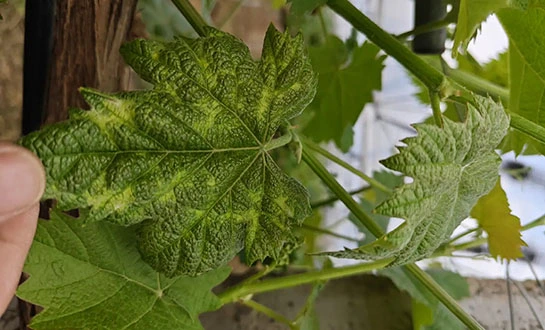
Understanding Antiviral Peptides in Plant Protection
Antiviral peptides represent an important advancement in agricultural biotechnology. These short-chain protein fragments can be derived from natural sources or produced through bioengineering processes. Their primary function is to inhibit virus infection and replication while strengthening plant defense mechanisms.
Mechanism of Action in Viral Defense
The activity of an antiviral peptide for plants involves multiple complementary mechanisms. These peptides can bind directly to viral surface proteins, preventing viruses from attaching to host cell receptors and initiating infection. In some cases, they disrupt viral structural integrity, reducing the ability of pathogens to penetrate plant cell walls.
In addition, antiviral peptides activate systemic acquired resistance (SAR), a plant-wide defense response. This process enhances the expression of defense-related genes and promotes the production of antimicrobial compounds, creating unfavorable conditions for viral replication.
Broad-Spectrum Protection Capabilities
One of the key advantages of antiviral peptides is their broad-spectrum activity. Unlike many conventional agrochemicals that target specific pathogens, antiviral peptide for plants formulations can act against multiple virus families by targeting conserved viral components.
Their structural adaptability also allows them to remain effective even as viruses evolve. This reduces the risk of resistance development, a common limitation in traditional plant protection methods.
Antiviral Peptides vs Conventional Plant Protection Methods
Traditional plant protection strategies, including chemical pesticides and fungicides, face increasing challenges such as resistance development, environmental concerns, and regulatory restrictions. Antiviral peptides provide an alternative approach with distinct advantages.
Environmental and Safety Benefits
Antiviral peptide for plants solutions are generally biodegradable and leave minimal residues in the environment. Their targeted mode of action helps preserve beneficial organisms, including soil microbiota and pollinators, supporting ecological balance.
These characteristics also allow for more flexible application timing, including use closer to harvest, which is particularly important for crops destined for fresh consumption or export markets with strict residue limits.
Economic Value and Scalability
From an economic perspective, antiviral peptides offer both short-term and long-term benefits. Reduced crop losses, fewer required applications, and compatibility with existing agricultural equipment contribute to overall cost efficiency.
Their stability under typical storage conditions further supports large-scale adoption by minimizing product loss and enabling bulk procurement strategies.
Selecting the Right Antiviral Peptide for Plants
Choosing an effective antiviral peptide product requires careful evaluation of technical performance, crop compatibility, and supplier reliability. These factors ensure consistent results and seamless integration into agricultural systems.
Key Selection Criteria
When selecting an antiviral peptide for plants, growers should consider its spectrum of activity against relevant viral pathogens. Matching the product’s capabilities with regional disease pressures is essential for optimal performance.
Crop compatibility is equally important. Well-developed formulations undergo extensive testing across different crops to ensure they support plant growth without causing phytotoxic effects.
Supplier Evaluation and Quality Assurance
Reliable suppliers provide transparent documentation covering peptide purity, biological activity, and batch consistency. Traceability systems and adherence to industry standards are critical indicators of product quality.
In addition, technical support and customization options can enhance the effectiveness of antiviral peptide applications in diverse agricultural environments.
Research Advances and Field Performance
Scientific research and field trials continue to validate the effectiveness of antiviral peptides in crop protection. These studies provide measurable evidence of their role in reducing viral infections and improving yields.
Documented Field Results
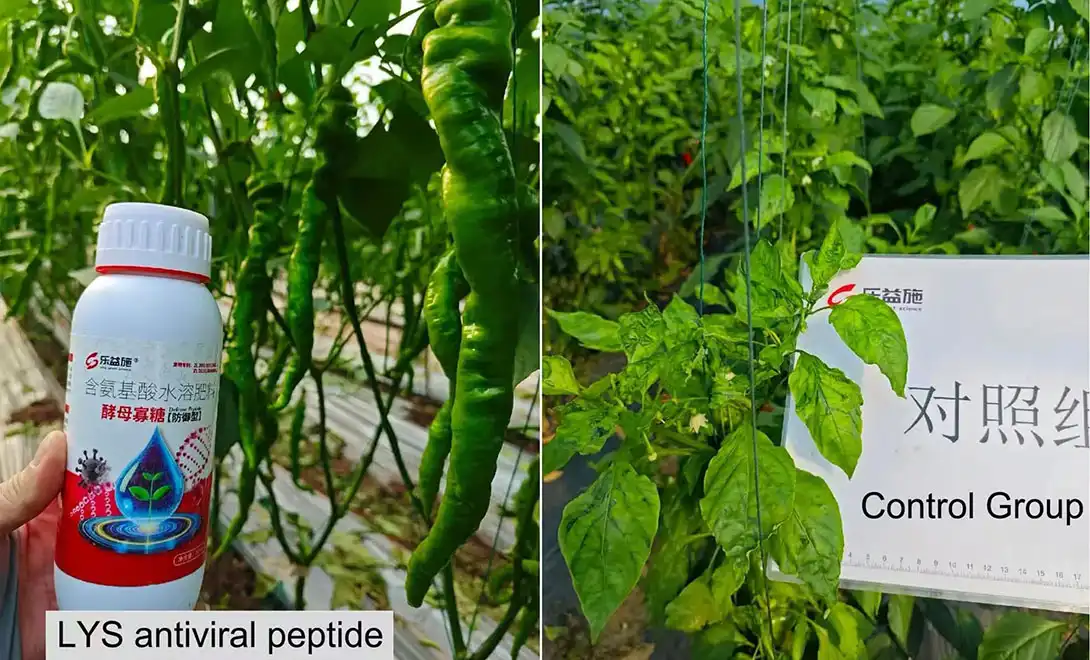
Field evaluations in crops such as tomatoes have shown that antiviral peptide for plants treatments can significantly reduce infection rates compared to untreated controls. Improvements in plant vigor and fruit quality have also been observed, contributing to higher overall productivity.
Similar results have been reported in cereal crops, where peptide-based treatments help mitigate virus-related losses under varying environmental conditions.
Technological Innovations
Ongoing research focuses on improving peptide stability, delivery efficiency, and field performance. Innovations such as controlled-release formulations and advanced carriers enhance uptake and prolong activity.
The development of multifunctional peptide blends is another emerging trend, offering integrated protection against a wider range of plant stresses.
Integration into Crop Management Systems
For optimal results, antiviral peptides should be incorporated into comprehensive crop management strategies that combine biological, nutritional, and agronomic approaches.
Synergistic Approaches
Combining antiviral peptide for plants products with biostimulants and beneficial microorganisms can create synergistic effects. These integrated systems enhance nutrient uptake, strengthen plant resilience, and improve overall crop performance.
Such approaches activate multiple defense pathways simultaneously, providing more robust and durable protection than single-treatment methods.
Application Guidelines and Monitoring
Effective application depends on proper timing, dosage, and method selection. These factors should be adjusted based on crop type, growth stage, and environmental conditions.
Continuous monitoring of plant health and disease pressure enables data-driven adjustments, ensuring consistent performance throughout the growing season. Key indicators include infection rates, plant vigor, and yield metrics.
Conclusion
Antiviral peptide for plants technology represents a significant advancement in sustainable crop protection. By combining targeted antiviral activity with immune system enhancement, these bioactive compounds address many of the limitations associated with conventional methods.
As research and innovation continue to expand their capabilities, antiviral peptides are expected to play an increasingly important role in modern agriculture. Their ability to improve plant health, reduce environmental impact, and support high-quality production makes them a valuable tool for growers facing evolving challenges in global food systems.
FAQ
Q1: What makes antiviral peptides safer for the earth than traditional pesticides?
Antiviral peptides break down naturally in living systems, so they don't stay in the dirt or water for a long time. These protein-based compounds biodegrade totally while still killing the bacteria they were made to kill. This is different from synthetic chemicals that build up in the environment. Their selective action only hurts viral pathogens, not good bugs, soil germs, or other parts of the environment.
Q2: How do antiviral peptides stack up against changing genes to make them less likely to cause viruses?
Antiviral peptides protect plants from viruses without changing their genes, so they can be used in both traditional and organic farming. This method avoids the complicated rules that come with GMO crops while still providing the same amount of safety. When you use peptide treatments on current crop types, you don't have to wait years for growth as you do with genetic modification methods.
Q3: Can antiviral peptides be used with chemical plans that are already in place?
These days, antiviral peptide mixtures work very well with regular pesticides, and they often make the total impact stronger by working together. Because it works with tank mixing, it can be added to current spray plans without needing extra application passes. Good peptide products don't break down when mixed with other agricultural poisons in normal field settings because they are stable.
Partner with LYS for Advanced Antiviral Peptide Solutions
Agricultural procurement managers seeking innovative crop protection strategies can leverage LYS's cutting-edge antiviral peptide technology to achieve superior virus control while supporting sustainable farming practices. As a leading manufacturer of antiviral peptide for plants, we provide customizable formulations backed by comprehensive technical support and competitive bulk pricing structures. Contact alice@aminoacidfertilizer.com to discuss your specific requirements and explore how our proven solutions can enhance your crop protection programs while delivering measurable improvements in yield and quality outcomes.
References
1. Zhang, L., et al. (2023). Antiviral peptides in plant protection: Mechanisms and agricultural applications. Journal of Agricultural Biotechnology, 45(3), 178-192.
2. Rodriguez, M.A., et al. (2022). Comparative efficacy of peptide-based treatments against plant RNA viruses in field conditions. Plant Pathology International, 38(7), 445-461.
3. Chen, K., et al. (2023). Molecular mechanisms of peptide-mediated plant immunity enhancement. Agricultural Sciences Review, 51(2), 89-104.
4. Thompson, R., et al. (2022). Economic analysis of antiviral peptide adoption in commercial crop production systems. Agribusiness Economics Quarterly, 29(4), 312-328.
5. Liu, S., et al. (2023). Integration strategies for peptide-based plant protection in sustainable agriculture. Sustainable Farming Technologies, 15(6), 234-249.
6. Anderson, P., et al. (2022). Field evaluation of novel antiviral peptides for broad-spectrum crop virus control. Crop Protection Science, 67(9), 523-537.

Tell us your needs — we’ll provide the right solution for your crops and markets.
Innovating Agriculture with Yeast-Derived Amino Acid Peptides