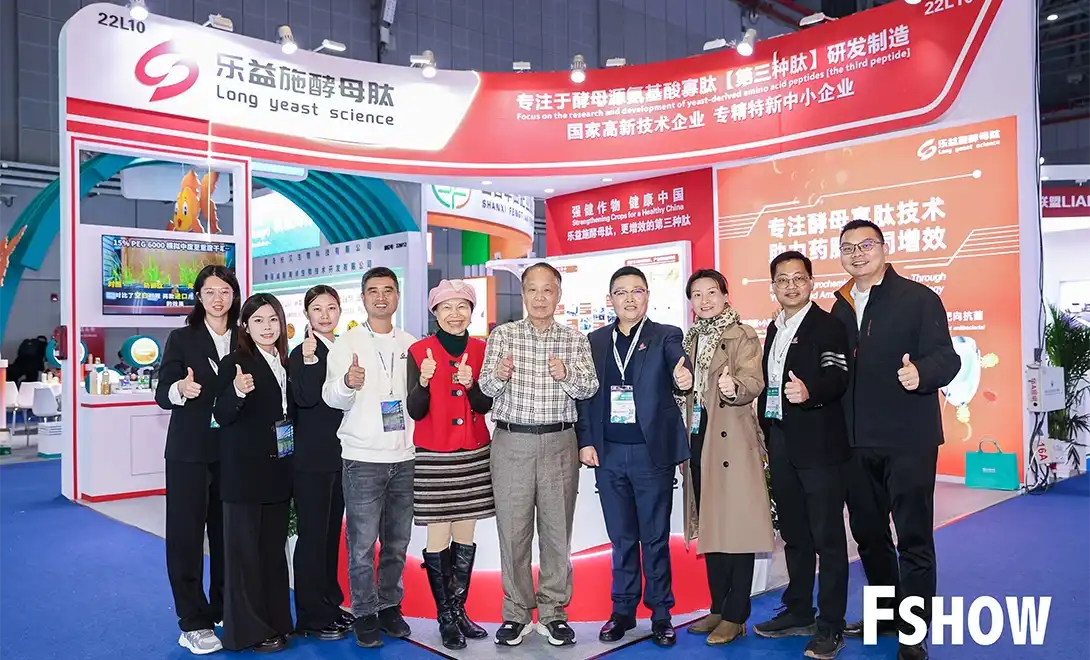
Combining Amino Acids and Peptides in Modern Fertilizers
Integrating amino acids and peptides into modern fertilizer programs represents a significant shift toward more sustainable and biologically efficient agricultural practices. Excessive reliance on synthetic fertilizers and chemical pesticides has contributed to soil degradation, environmental pollution, and reduced crop resilience. In response, amino acids in agriculture have emerged as bioactive inputs that enhance nutrient uptake, improve plant vigor, and support crop quality while aligning with environmental responsibility goals.
For agricultural input manufacturers, distributors, and large-scale growers, amino acid- and peptide-based fertilizers offer opportunities to develop differentiated products that balance agronomic performance with sustainability requirements.
Understanding the Role of Amino Acids and Peptides in Agriculture
Modern plant science recognizes amino acids and peptides as fundamental biological molecules involved in plant metabolism, stress regulation, and soil ecosystem health. Their functions extend well beyond basic nutrient supply.
Amino Acids as Essential Building Blocks for Plant Growth
Amino acids are the primary precursors for protein synthesis in plants and directly influence photosynthesis efficiency, enzymatic activity, and metabolic regulation. Research indicates that amino acids participate in chlorophyll synthesis, enzyme activation, and membrane stabilization. While plants can synthesize amino acids endogenously, external supplementation through fertilizers can accelerate metabolic processes during critical growth stages.
Peptides as Functional Biostimulants
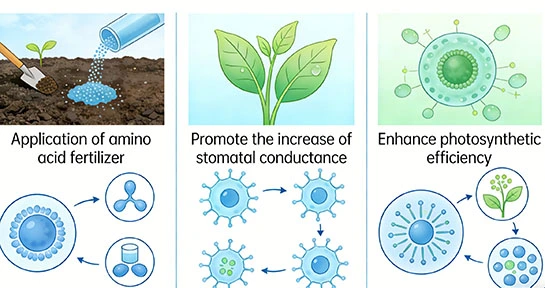
Peptides, composed of short chains of amino acids, act as effective biostimulants by triggering specific physiological responses in plants. These compounds promote root development, improve nutrient absorption, and enhance tolerance to environmental stressors such as drought, salinity, and temperature fluctuations. Studies have demonstrated that foliar application of polypeptide amino acids can increase stomatal conductance and photosynthetic efficiency, supporting improved plant performance.
Supporting Soil Biological Activity
The presence of amino acids and peptides in soil environments stimulates beneficial microbial populations, including bacteria and fungi involved in organic matter decomposition and nutrient cycling. Enhanced microbial activity improves soil structure, reduces compaction, and increases water-holding capacity. These biological processes contribute to improved root penetration and long-term soil fertility.
Evolution of Fertilizer Technology: From Conventional Inputs to Amino Acid-Based Solutions
Agricultural fertilizer technology has evolved in response to limitations associated with traditional synthetic inputs, particularly under modern sustainability and efficiency requirements.
Limitations of Conventional Fertilizers
Conventional mineral fertilizers often supply nutrients in forms that are not immediately available to plants, resulting in losses through leaching, volatilization, and soil fixation. These inefficiencies increase production costs, contribute to environmental pollution, and negatively affect soil microbial communities essential for long-term nutrient cycling.
Advances in Amino Acid and Peptide Fertilizers
The development of amino acid- and peptide-based fertilizers integrates natural biological mechanisms with advanced processing technologies. Enzymatic hydrolysis techniques enable the production of small-molecule peptides with enhanced bioavailability. Technologies such as Full-Spectrum Directed Enzymatic Hydrolysis (FSDT) allow precise control over molecular weight distribution, improving plant uptake and product stability.
Agronomic Performance and Market Relevance
Field data indicate that modern amino acid fertilizers can improve nutrient use efficiency by approximately 15–30% compared with conventional programs. These products have demonstrated benefits including improved stress tolerance, yield stability, and crop quality, supporting their adoption across diverse agricultural systems.
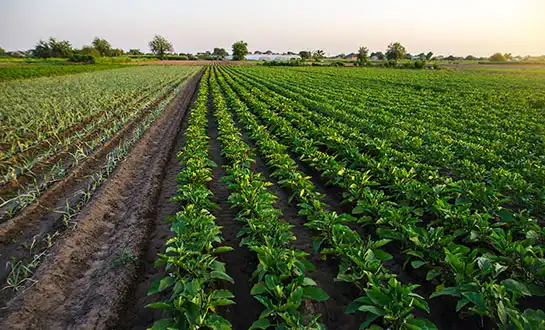
Comparing Amino Acids with Other Agricultural Inputs
Selecting appropriate agricultural inputs requires evaluation of nutrient availability, environmental impact, and compatibility with integrated crop management systems.
Nutrient Availability and Uptake Efficiency
Unlike many synthetic nitrogen fertilizers that require transformation before plant uptake, amino acids are directly absorbed by plant roots and leaves. This immediate availability reduces nutrient losses and improves timing accuracy during key growth stages.
Environmental Sustainability Considerations
From an environmental perspective, amino acids in agriculture offer advantages such as reduced groundwater contamination, lower greenhouse gas emissions, and enhanced soil biological activity. Research has shown that certain plant-derived peptides can regulate ion balance and nutrient transport within plant cells, improving efficiency while minimizing environmental impact.
Compatibility with Integrated Crop Management
Amino acid- and peptide-based fertilizers are generally compatible with a wide range of fertilizers and crop protection products. Stable formulations that tolerate temperature variation and pH differences allow for safe tank mixing and flexible application, reducing operational complexity for large-scale farming systems.
Practical Application of Amino Acid and Peptide Fertilizers
Effective use of amino acid and peptide fertilizers depends on application method, timing, and crop-specific requirements.
Application Methods and Timing
Amino acid fertilizers can be applied via foliar spraying, soil application, or fertigation systems. Foliar applications are most effective during early morning or late evening to maximize absorption. Soil applications are typically timed with active root growth stages such as transplanting, flowering, and fruit development. In hydroponic systems, low-dose continuous application maintains stable nutrient availability.
Crop-Specific Application Strategies
Different crops respond differently to amino acid supplementation. Vegetable crops such as tomatoes and peppers often benefit from foliar applications at 2–4 week intervals. Cereals typically respond well to soil applications during early growth stages, while fruit trees may require multiple foliar treatments throughout the season. Application rates commonly range from 1–5 kg per hectare, depending on crop type and growth stage.
Monitoring and Performance Evaluation
Performance evaluation includes monitoring photosynthetic efficiency, soil biological indicators, and plant stress markers. Chlorophyll measurements using SPAD meters provide real-time feedback, while soil microbial activity and plant tissue analysis help assess long-term nutrient uptake and soil health improvements.
Advanced Formulation Technologies and Product Characteristics
LYS applies decades of yeast enzyme research to develop consistent, high-quality amino acid and peptide fertilizers designed for modern agricultural systems.
Enzymatic Processing and Molecular Control
Advanced enzymatic hydrolysis enables the production of small-molecule peptides with molecular weights predominantly below 1000 Da, improving cellular uptake and thermal stability. Premium yeast-derived protein sources with protein content ≥60% provide a reliable alternative to plant- and animal-derived proteins.
Product Stability and Functional Performance
LYS formulations demonstrate strong thermal stability and compatibility with a wide range of agricultural inputs. Chloride-free formulations support safe use in foliar sprays, seed treatments, and fertigation systems. Bioactive peptides and nucleotides contribute to improved stress tolerance and plant recovery mechanisms.
Production Capacity and Quality Assurance
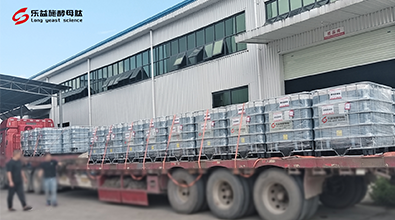
With an annual production capacity of approximately 10,000 metric tons of yeast-derived small-molecule peptides, LYS supports both customized formulation development and large-scale supply requirements. Comprehensive quality control systems ensure batch consistency, purity, and biological activity throughout the production process.
Conclusion
The integration of amino acids and peptides into fertilizer programs represents a forward-looking approach to sustainable agriculture. Compared with conventional synthetic inputs, these biologically active compounds improve nutrient uptake efficiency, enhance stress tolerance, and support soil ecosystem health while reducing environmental impact. Supported by advanced enzymatic technologies and yeast-based raw materials, modern amino acid fertilizers provide reliable solutions for manufacturers, distributors, and growers addressing the challenges of contemporary agriculture.

FAQ
Q1: What advantages do amino acid fertilizers offer over synthetic fertilizers?
Amino acid fertilizers provide immediate nutrient availability, improve nutrient use efficiency, and support soil microbial activity. They typically enhance nutrient uptake by 15–30% while contributing to long-term soil health.
Q2: How do amino acids improve crop stress tolerance?
Amino acids stimulate antioxidant enzyme activity and activate plant defense pathways, improving water-use efficiency and osmotic balance under drought, salinity, and temperature stress.
Q3: How should amino acid fertilizers be stored?
They should be stored in cool, dry conditions away from direct sunlight. While many formulations are temperature-stable, storage at 10–25 °C helps maintain shelf life and bioactivity.
Partner with LYS for Superior Amino Acids in Agriculture Solutions
LYS offers comprehensive amino acid and peptide fertilizer solutions backed by decades of research and manufacturing excellence. Our FSDT technology produces consistently superior products that enhance crop yields while supporting sustainable farming practices. As a trusted amino acids in agriculture supplier, we provide technical support, custom formulations, and reliable supply partnerships. Contact alice@aminoacidfertilizer.com to discuss your specific requirements and discover how our yeast-derived peptide fertilizers can transform your agricultural operations.
References
1. Wang, D.X., et al. (2011). Effects of polypeptide amino acids on stomatal conductance and photosynthetic efficiency in corn plants. Journal of Plant Nutrition and Fertilizer Science, 17(3), 234-241.
2. Hu, Z.T., et al. (2007). Plant peptide PA1b regulation of calcium ion uptake and intracellular concentration dynamics. Agricultural Biochemistry Research, 15(2), 89-96.
3. Chen, L.M., & Zhang, Y.H. (2019). Amino acid fertilizers: mechanisms, applications, and environmental benefits in sustainable agriculture. Soil Science and Plant Nutrition, 65(4), 312-328.
4. Rodriguez, M.A., et al. (2020). Comparative analysis of amino acid and synthetic fertilizer effects on crop yield and soil health. Agronomy Journal, 112(5), 2156-2167.
5. Thompson, K.R., & Williams, P.J. (2021). Peptide biostimulants in modern agriculture: from laboratory to field applications. Plant Growth Regulation, 94(2), 178-192.
6. Anderson, S.B., et al. (2022). Economic and environmental assessment of amino acid-based fertilizers in commercial agriculture. Agricultural Systems, 198, 103-115.

Tell us your needs — we’ll provide the right solution for your crops and markets.
Innovating Agriculture with Yeast-Derived Amino Acid Peptides