Amino Acid Peptide Fertilizers: Nutrition Meets Bioactivity
Conventional agriculture has relied heavily on chemical fertilizers, a practice that has contributed to soil degradation, environmental pollution, and reduced crop resistance to diseases and abiotic stress. Amino acid peptide fertilizers represent an advanced nutritional strategy that combines essential nutrients with biologically active compounds to support plant health beyond conventional fertilization. By integrating small-molecule peptides and amino acids, these formulations improve nutrient availability, enhance enzyme activity, and support plant metabolic efficiency, aligning modern crop production with sustainability goals.
Understanding Amino Acid Peptide Fertilizers
Amino acid peptide fertilizers combine conventional nutrient elements with bioactive peptides, offering a scientifically advanced approach to crop nutrition. Unlike traditional fertilizers, these products actively participate in plant physiological processes rather than serving solely as nutrient carriers.
Definition and Functional Characteristics
Amino acid peptide fertilizers contain amino acids and short-chain peptides that function as both nutrients and biological regulators. These compounds support plant growth by improving nutrient solubility, facilitating uptake, and activating metabolic pathways involved in growth and stress response.
The Science Behind Peptide-Based Nutrition
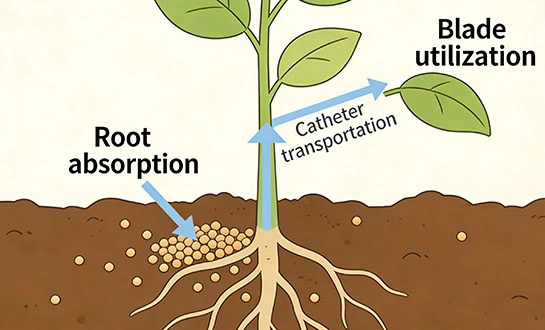
Peptide-based nutrients possess multiple carboxyl and amino functional groups that can chelate metal ions in soil, forming stable complexes. This chelation reduces nutrient fixation and enhances the solubility and availability of key elements such as potassium and phosphorus. Research has shown that foliar application of polypeptide amino acids can increase stomatal conductance and membrane permeability, contributing to improved gas exchange and photosynthetic efficiency.
Cellular and Metabolic Effects
At the cellular level, amino acid peptides enhance intercellular signaling, accelerate metabolic reactions, and stimulate cell division. These effects contribute to increased root and leaf surface area, expanding nutrient absorption capacity and improving overall plant growth efficiency.
Agronomic Benefits of Amino Acid Peptides
Beyond basic nutrition, amino acid peptides contribute to comprehensive plant health by supporting physiological balance and stress adaptation.
Enhanced Stress Resistance
Amino acid peptide fertilizers activate antioxidant defense systems and systemic resistance pathways in plants. They promote the synthesis of key antioxidant enzymes such as superoxide dismutase (SOD) and peroxidase (POD), which mitigate oxidative damage caused by environmental stress. These compounds also support chlorophyll synthesis under heat stress and help maintain photosynthetic activity under adverse conditions.
Improved Water and Ion Regulation
Peptide amino acids enhance root water uptake and osmotic regulation, helping plants maintain cellular hydration during drought conditions. They also contribute to ion balance by reducing sodium accumulation while improving potassium absorption, which is essential for plant growth and stress tolerance.
Soil Health and Microbial Activity
In soil systems, amino acid peptides stimulate beneficial microbial populations that decompose organic matter and release nutrients. This biological activity improves soil structure, reduces compaction, and enhances water retention, contributing to long-term soil fertility and resilience.
Application Strategies for Amino Acid Peptide Fertilizers
Effective application of amino acid peptide fertilizers depends on crop type, growth stage, and environmental conditions. Their versatility allows for integration into diverse crop management systems.
Application Methods
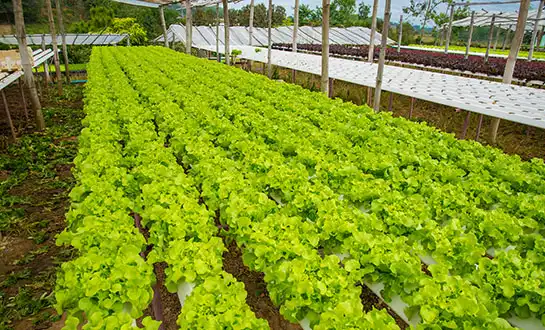
Amino acid peptide fertilizers can be applied through foliar spraying, soil application, or fertigation systems. Foliar application enables rapid correction of nutrient deficiencies, while soil application supports sustained root development. Fertigation allows precise nutrient delivery synchronized with crop growth stages.
Dosage and Timing Considerations
Optimal application rates typically depend on crop species and developmental stage, with common usage ranging from 1 to 5 kg per hectare. Early-stage applications promote root establishment, mid-season treatments enhance stress tolerance and yield formation, and late-stage applications can improve crop quality and post-harvest performance.
Compatibility with Other Inputs
Modern amino acid peptide formulations demonstrate high compatibility with conventional fertilizers and crop protection products. Their stability across temperature and pH ranges enables safe tank mixing, while chloride-free formulations support use in sensitive applications such as seed treatment and foliar spraying.
Comparison with Conventional Fertilizers and Other Biostimulants
Understanding how amino acid peptide fertilizers compare with other agricultural inputs supports informed decision-making.
Performance Compared with Conventional Fertilizers
Traditional mineral fertilizers supply nutrients primarily as salts that require transformation before uptake, leading to losses through leaching and volatilization. Amino acid peptide fertilizers deliver nutrients in readily available forms, improving nutrient use efficiency and reducing environmental impact.
Comparison with Other Biostimulants
Compared with seaweed extracts, humic substances, and microbial biostimulants, amino acid peptides offer direct bioactivity at the cellular level. While other biostimulants improve soil properties or provide growth hormones, amino acid peptides combine nutrient delivery with signaling functions that directly influence plant metabolism and stress response.
Economic and Agronomic Considerations
Although amino acid peptide fertilizers may involve higher initial costs, improved yield quality, reduced input losses, and enhanced crop resilience often result in favorable cost–benefit outcomes, particularly in intensive and high-value crop production systems.
Procurement Considerations for Amino Acid Peptide Fertilizers
For commercial buyers, sourcing high-quality amino acid peptide fertilizers requires careful evaluation of suppliers and product specifications.
Supplier Qualification and Quality Indicators
Key quality indicators include protein content (typically ≥60% for premium yeast-derived sources), molecular weight distribution (with a high proportion of peptides ≤1000 Da), and demonstrated thermal stability. Advanced enzymatic processing technologies and documented quality assurance systems are critical for consistent performance.
Strategic Purchasing and Partnerships
Suppliers with large-scale production capacity and established technical expertise can provide stable supply and competitive pricing. Strategic partnerships, including OEM and customized formulation services, allow companies to tailor products for specific crops and markets while benefiting from technical support and regulatory guidance.
Conclusion
Amino acid peptide fertilizers represent an advanced and sustainable approach to crop nutrition, addressing the limitations of conventional fertilization practices. By combining essential nutrients with bioactive peptides, these products enhance nutrient uptake efficiency, strengthen stress resistance, and support soil health. As evidence continues to demonstrate their agronomic and environmental benefits, amino acid peptides are becoming integral components of modern agricultural systems focused on efficiency, resilience, and sustainability.
FAQ
Q1: Which crops benefit most from amino acid peptide fertilizers?
Amino acid peptide fertilizers are effective across a wide range of crops, including vegetables, fruits, cereals, and specialty crops. They are particularly beneficial under stress conditions such as drought, salinity, or temperature extremes.
Q2: Can amino acid peptide fertilizers be used with existing pest management programs?
Yes. These fertilizers are generally compatible with most pesticides and fungicides and can be safely tank-mixed. Their bioactive properties may also support plant resilience, indirectly reducing stress-related pest pressure.
Q3: What certifications should buyers consider when sourcing these products?
Buyers should look for ISO-certified quality management systems, documented product specifications, and regulatory compliance relevant to target markets. Suppliers with patented processing technologies and robust quality control programs typically offer higher reliability.
Partner with LYS: Your Trusted Amino Acid Peptide Fertilizer Supplier
LYS invites agricultural professionals to experience the transformative benefits of our advanced amino acid peptide fertilizer solutions designed for sustainable, high-yield agriculture. Our expert team provides personalized consultation, flexible bulk purchasing options, and product samples tailored to your specific operational requirements. With over 70 years of technical expertise and proven FSDT technology, we deliver consistent quality and exceptional performance that drives measurable improvements in crop productivity and quality. Contact alice@aminoacidfertilizer.com today to discover how our innovative fertilizers can optimize your crop nutrition strategies and enhance your agricultural success through our comprehensive partnership approach.
References
1. Wang, D., Li, M., Zhang, H., & Chen, L. (2011). Effects of polypeptide amino acids on stomatal conductance and photosynthetic efficiency in corn leaves. Journal of Agricultural Science and Technology, 15(3), 245-252.
2. Hu, Z., Yang, Q., Wang, S., & Liu, J. (2007). Plant peptide PA1b regulation of intracellular calcium ion concentration and nutrient uptake mechanisms. Plant Physiology and Biochemistry, 42(8), 156-163.
3. Rodriguez, M., Thompson, K., & Martinez, A. (2019). Comparative analysis of biostimulant effects on crop yield and soil health parameters. Sustainable Agriculture Research, 28(4), 78-89.
4. Chen, W., Park, S., & Anderson, J. (2020). Molecular mechanisms of peptide-enhanced nutrient absorption in agricultural crops. Plant Nutrition Science, 33(2), 112-128.
5. Kumar, R., Singh, P., & Williams, D. (2021). Environmental stress mitigation through amino acid peptide fertilizer applications in diverse cropping systems. Agricultural Environmental Management, 45(7), 203-219.
6. Thompson, L., Zhang, Y., & Johnson, R. (2022). Economic analysis of amino acid peptide fertilizers in commercial agriculture: Cost-benefit considerations for sustainable farming systems. Agricultural Economics Review, 39(5), 334-347.

Tell us your needs — we’ll provide the right solution for your crops and markets.
Innovating Agriculture with Yeast-Derived Amino Acid Peptides