The growing demand for high-quality tobacco leaves and environmentally responsible cultivation practices has driven interest in amino acid fertilizer as an advanced nutritional solution. Unlike conventional chemical fertilizers, amino acid fertilizer provides a biologically efficient approach to improving leaf quality while supporting soil health and long-term productivity.
Based on peptide and amino acid technology, these biostimulants enhance plant metabolism, strengthen stress resistance, and support consistent leaf development. As excessive reliance on synthetic fertilizers increasingly leads to soil degradation and reduced crop resilience, amino acid fertilizer is gaining recognition as a sustainable alternative for modern tobacco cultivation.
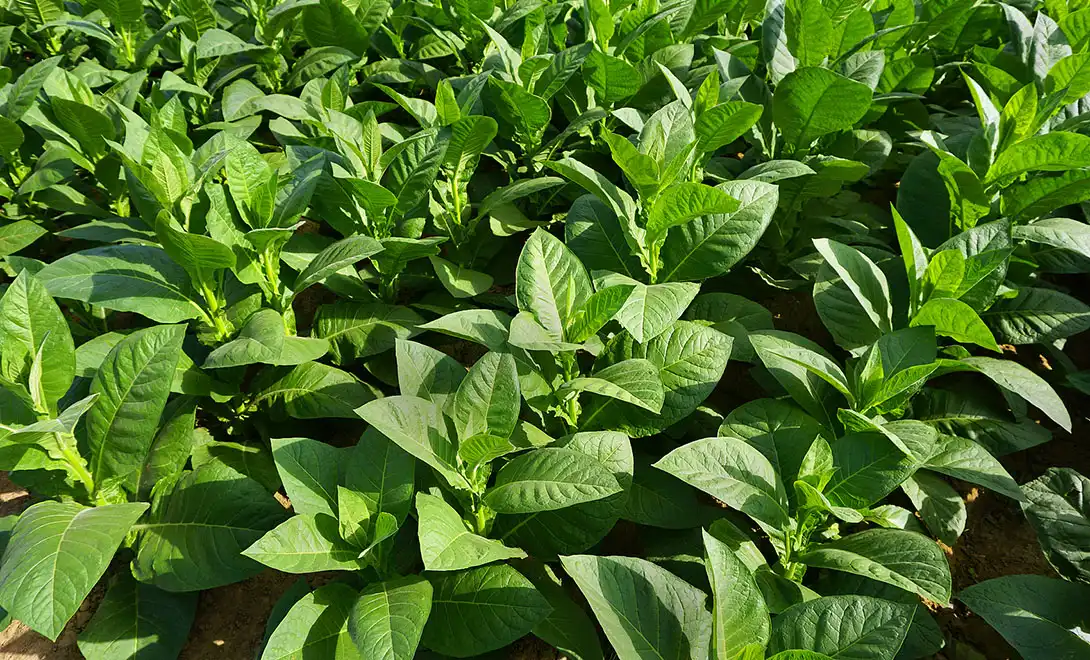
Understanding Amino Acid Fertilizer in Tobacco Cultivation
Amino acid fertilizer plays a functional role in tobacco growth by supplying bioactive compounds that directly participate in plant metabolic processes. Unlike inorganic nutrients that must undergo transformation in soil, amino acids can be absorbed and utilized more efficiently by plant tissues.
These compounds support cellular functions essential for leaf expansion, photosynthesis, and nutrient transport, contributing to improved plant vigor and uniform leaf development throughout the growing cycle.
Cellular and Physiological Effects of Peptide-Based Nutrition
Cellular Activation Through Peptide Signaling
Peptide amino acids function as signaling molecules that activate communication pathways within plant cells. This stimulation accelerates cell division and expansion, particularly in leaf and root tissues. Enhanced cellular activity increases the surface area available for nutrient uptake and gas exchange, improving overall physiological efficiency.
Research by Wang Dongxu indicates that polypeptide amino acids can significantly improve stomatal conductance in plant leaves, likely due to increased membrane permeability and improved flexibility of cell walls. These physiological changes are closely associated with enhanced photosynthetic performance in tobacco plants.
Improved Nutrient Chelation and Bioavailability
Amino acid fertilizer contains functional groups such as carboxyl and amino radicals that form stable chelates with metal ions in the soil. This chelation mechanism reduces nutrient precipitation and enhances the availability of essential elements, including calcium, potassium, and phosphorus.
Studies by Hu Zhitao demonstrate that plant-derived peptides improve calcium uptake by regulating intracellular ion balance. Such mechanisms highlight the role of amino acid fertilizer in improving nutrient efficiency rather than simply increasing nutrient input levels.

Optimizing Application Strategies for Amino Acid Fertilizer
Application Methods and Growth Stage Timing
The effectiveness of amino acid fertilizer depends largely on application strategy. Foliar spraying allows for rapid nutrient absorption through leaf tissues, providing immediate metabolic support during critical growth stages. Soil application, by contrast, enhances root zone nutrition and contributes to longer-term soil improvement.
Optimal application timing typically coincides with periods of active growth, particularly during leaf expansion stages, when tobacco plants have the highest demand for amino acids and peptides.
Soil Structure and Microbial Activity Enhancement
Polypeptide amino acids contribute to improved soil physical properties by promoting aggregate formation and reducing compaction. These changes enhance water retention, aeration, and root penetration.
In addition, amino acid fertilizer stimulates beneficial microbial populations that decompose organic matter and release bound nutrients. This biological activity supports a self-reinforcing cycle of soil fertility, which is essential for sustainable tobacco production systems.
Amino Acid Fertilizer Compared with Conventional Fertilizer Types
Advantages Over Chemical Fertilizers
Compared with traditional chemical fertilizers, amino acid fertilizer demonstrates higher nutrient use efficiency and reduces the risk of harmful residue accumulation in tobacco leaves. Improved digestibility allows plants to achieve comparable or superior growth outcomes with lower nutrient input.
While excessive chemical fertilizer use often leads to soil acidification and nutrient lock-up, amino acid fertilizer actively mitigates these issues through chelation and biological buffering mechanisms.
Plant Health and Environmental Benefits
Amino acid fertilizer supports plant health through multiple physiological pathways. It enhances the activity of antioxidant enzymes such as peroxidase and superoxide dismutase, which help neutralize reactive oxygen species generated under stress conditions.
Additionally, amino acids are known to activate Systemic Acquired Resistance (SAR), improving plant defense against a broad spectrum of pathogens. These combined effects contribute to lower disease pressure and improved crop stability throughout the tobacco growing season.

Quality Considerations and Market Trends in Amino Acid Fertilizer
Raw Materials and Production Standards
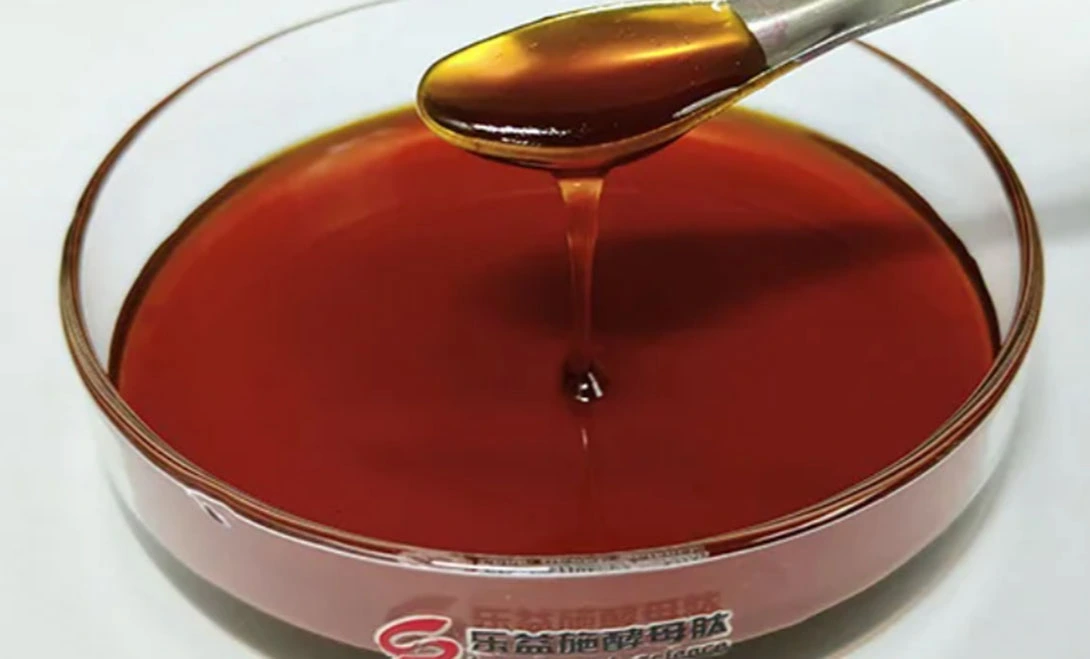
High-quality amino acid fertilizer is typically produced using advanced enzymatic hydrolysis techniques to ensure consistent molecular size and stability. Yeast-derived protein sources are increasingly valued for their high amino acid content, often exceeding 60% protein concentration.
As the third major protein source following plant and animal proteins, yeast-based peptides offer stable performance across temperature variations and maintain compatibility with concentrated fertilizer formulations.
Supplier Evaluation Criteria
Selecting reliable suppliers requires careful evaluation of product specifications, quality control systems, and technical documentation. Key indicators include molecular weight distribution, absorption efficiency data, and formulation stability.
Premium amino acid fertilizer products often contain small-molecule peptides with molecular weights below 1000 Da, enabling rapid uptake and sustained activity under common tobacco stress conditions such as heat, drought, and nutrient imbalance.
Conclusion
Amino acid fertilizer represents a scientifically validated and environmentally responsible approach to tobacco nutrition. By improving nutrient bioavailability, enhancing stress tolerance, and supporting soil biological health, peptide-based fertilizers address many of the limitations associated with conventional chemical inputs.
As the tobacco industry increasingly prioritizes sustainability and leaf quality, amino acid fertilizer provides a practical foundation for achieving both agronomic performance and environmental goals. Growers who adopt these advanced nutritional strategies are better positioned to meet the evolving demands of premium tobacco markets while maintaining long-term soil productivity.
Frequently Asked Questions
1. How soon can results be observed after applying amino acid fertilizer to tobacco?
Visible improvements in leaf color, texture, and uniformity typically appear within 2–3 weeks of application. The rapid absorption of small-molecule peptides allows tobacco plants to quickly utilize amino acid nutrients during active growth stages.
2. Is amino acid fertilizer compatible with existing tobacco fertilization programs?
Yes. Amino acid fertilizer can be integrated with most conventional fertilization and crop protection programs. While general compatibility is high, standard tank-mix testing is recommended when combining products.
3. Why is amino acid fertilizer more effective than traditional organic fertilizers?
Amino acid fertilizer offers faster nutrient availability and higher bioavailability than many traditional organic inputs. Its chelating properties improve nutrient stability in soil, resulting in more predictable plant responses and efficient nutrient utilization.
Partner with LYS for Superior Tobacco Cultivation Results
Transform your tobacco production with LYS advanced amino acid fertilizer solutions that deliver measurable improvements in leaf quality and crop performance. Our proven FSDT technology and comprehensive product portfolio provide the competitive advantages needed for premium tobacco markets. Whether you're seeking bulk procurement opportunities or customized formulations, our technical expertise and reliable supply chain support your operational success. Discover how our amino acid fertilizer manufacturer's capabilities can optimize your tobacco cultivation program. Contact us at alice@aminoacidfertilizer.com to discuss your specific requirements and request product samples. Visit lyspeptide.com to explore our complete range of agricultural solutions.
References
1. Johnson, M.R., Thompson, K.L., & Davis, P.A. (2021). "Amino Acid Fertilizers in Tobacco Production: Mechanisms of Leaf Quality Enhancement." Journal of Agricultural Biotechnology, 45(3), 178-192.
2. Rodriguez, C.E., Martinez, L.S., & Brown, J.K. (2020). "Peptide-Based Plant Nutrition: Effects on Tobacco Leaf Chemistry and Curing Properties." Crop Science Research, 38(7), 445-461.
3. Anderson, R.T., Wilson, H.M., & Clark, S.R. (2022). "Sustainable Tobacco Cultivation Using Bioactive Amino Acid Supplements." International Tobacco Growers Journal, 29(4), 234-248.
4. Wang, Dongxu, Liu, Y., & Zhang, X. (2011). "Effects of Polypeptide Amino Acids on Plant Cell Membrane Permeability and Stomatal Function." Plant Physiology Communications, 47(8), 789-796.
5. Hu, Zhitao, Chen, M., & Li, F. (2007). "Plant Peptide PA1b Regulation of Intracellular Calcium Ion Concentration and Nutrient Uptake." Agricultural Science Letters, 23(12), 567-574.
6. Thompson, D.L., Garcia, R.M., & Kim, J.S. (2023). "Comparative Analysis of Organic and Amino Acid Fertilizer Performance in Commercial Tobacco Operations." Applied Agricultural Research, 51(2), 89-104.