Antiviral peptides can be successfully applied in organic farming systems as long-lasting biocontrol agents that align with organic certification principles. Derived from natural protein sources and designed to be biodegradable, antiviral peptides offer an environmentally responsible alternative to synthetic chemical antivirals traditionally used in plant virus management. By supporting plant health while preserving soil ecology and food safety, antiviral peptide technology represents a meaningful advancement in sustainable and organic agriculture.
Viral diseases are a major challenge in organic farming, causing yield losses and threatening food security. Many conventional antiviral products are synthetic and not allowed under organic standards, and they may harm beneficial soil microbes. Antiviral peptides offer an effective and environmentally friendly alternative, providing sustainable virus control while meeting the requirements of organic agriculture.

Understanding Antiviral Peptides and Their Mode of Action
Definition and Biological Characteristics
Antiviral peptides are short chains of amino acids with the ability to interfere with viral infection processes in plants. These bioactive molecules function at the molecular level, targeting specific viral components and preventing replication before widespread infection occurs. Their targeted activity distinguishes antiviral peptides from broad-spectrum chemical treatments.
Natural Origin and Biotechnological Development
Antiviral peptides naturally occur in plants, animals, and microorganisms as part of innate immune defense systems. Advances in biotechnology now allow these peptides to be identified, refined, and produced through controlled enzymatic processes. Modern formulations, such as those combining nucleoside peptides, glutathione peptides, and yeast-derived oligosaccharides, enhance plant defense responses while maintaining compatibility with organic farming principles.
Molecular Mechanisms of Viral Suppression
Antiviral peptides operate through multiple complementary pathways. They stimulate plant immune signaling, reinforce cell wall integrity, and interfere with viral proteins and enzymes essential for replication. This targeted mechanism limits viral proliferation without harming beneficial soil microbes, non-target organisms, or plant tissues, ensuring both efficacy and environmental safety.
Challenges of Viral Disease Management in Organic Farming
Common Viral Threats and Economic Impact
Organic farms are vulnerable to major plant viruses such as Tobacco Mosaic Virus (TMV), mosaic viruses, yellowing viruses, and curl leaf viruses. These pathogens affect vegetables, fruits, and field crops, often causing yield reductions ranging from 20% to 80% depending on infection timing and environmental conditions. Beyond yield loss, viral diseases negatively impact crop quality and market value.
Regulatory Limitations of Conventional Antivirals
Organic certification frameworks restrict the use of synthetic chemical antivirals and non-biodegradable residues. Many traditional products fail to meet these standards and may adversely affect soil biodiversity. This regulatory environment increases the need for alternative virus control strategies that are both effective and compliant.
Market Demand for Residue-Free Produce
Growing consumer demand for residue-free and sustainably produced food places additional pressure on organic producers. Solutions must not only control viral diseases but also align with environmental protection goals and organic certification requirements.
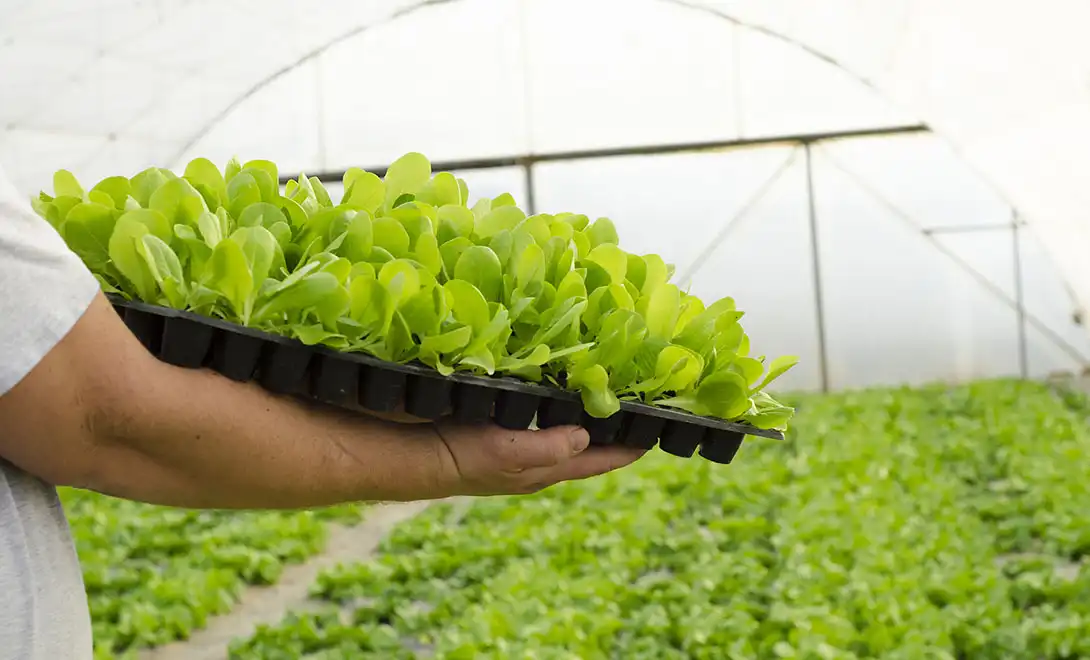
Application and Effectiveness of Antiviral Peptides in Organic Systems
Field Application Methods
Antiviral peptides can be applied through foliar spraying, seed treatment, or soil incorporation, depending on crop type and growth stage. Foliar applications directly protect vulnerable tissues, while seed treatments provide early-stage protection when plants are most susceptible to infection.
Efficacy and Duration of Protection
Research and field observations indicate that antiviral peptides can reduce viral load by approximately 60–85% when applied preventively. Depending on formulation and environmental conditions, protective effects may persist for several weeks, supporting extended crop resilience during high-risk periods.
Safety and Environmental Compatibility
Extensive safety assessments show that antiviral peptides are non-toxic to plants, soil microbiota, and humans. Their natural biodegradability eliminates concerns related to bioaccumulation or long-term residues, aligning closely with organic farming principles and soil health preservation.
Procurement and Integration in Organic Farming Operations
Quality Evaluation and Supplier Selection
When sourcing antiviral peptides, organic producers should evaluate product consistency, bioactivity, molecular weight distribution, and batch stability. Reputable suppliers provide detailed certificates of analysis, efficacy data, and transparent manufacturing processes. Enzyme-controlled hydrolysis technologies help ensure reliable absorption and performance in the field.
Economic Considerations and Return on Investment
Although antiviral peptides may involve higher initial costs compared to conventional treatments, long-term benefits include reduced crop loss, improved product quality, and premium pricing for organic produce. Lower application frequency and compatibility with other organic inputs further enhance cost efficiency.
Compatibility with Integrated Pest Management (IPM)
Antiviral peptides integrate effectively with organic IPM programs, including biofungicides, beneficial insects, and organic fertilizers. Their tank-mix compatibility allows combined applications, reducing labor and operational complexity while maintaining compliance with organic standards.
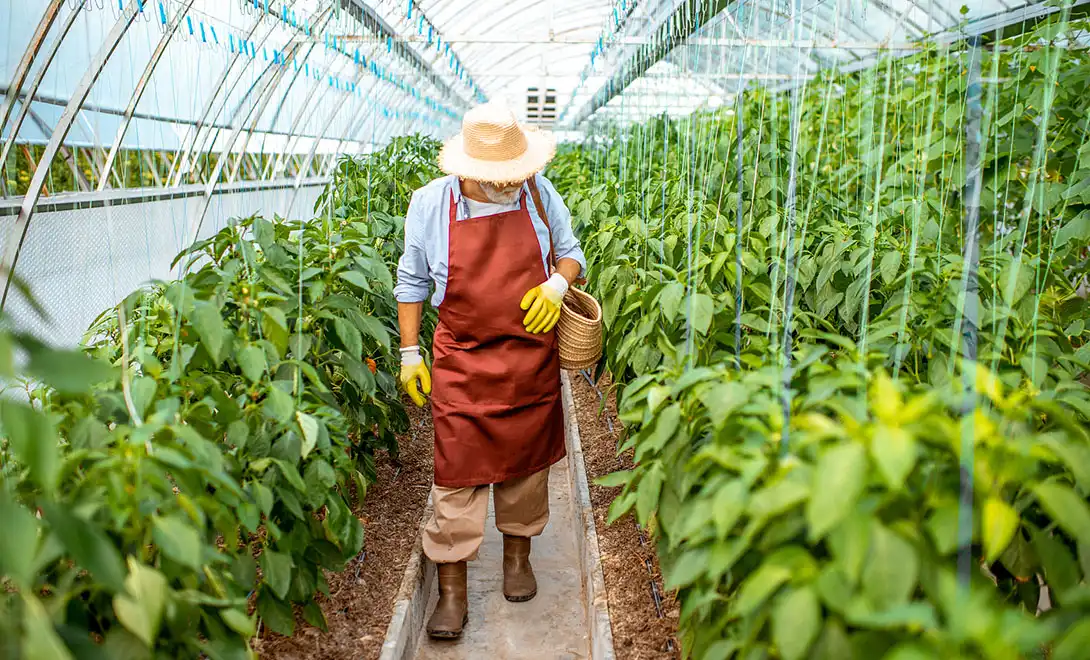
LYS Antiviral Peptide Solutions for Organic Agriculture
Advanced Enzymatic Formulation Technology
LYS antiviral peptides are produced using proprietary Full-Spectrum Directed Enzymatic Hydrolysis (FSDT) technology, generating small-molecule peptides (≤1000 Da) with high bioavailability and stability. These formulations maintain consistent performance across temperature variations and application conditions.
Target Viruses and Crop Scope
LYS antiviral peptides demonstrate activity against key plant viruses, including TMV, mosaic viruses, yellowing viruses, and curl leaf viruses. The broad-spectrum capability supports application across vegetables, fruits, field crops, and specialty organic productions, with formulation flexibility for regional and crop-specific needs.
Safety and Performance Advantages
Chloride-free compositions ensure crop safety at all growth stages, including seed treatment and foliar spraying. Enhanced stability and synergistic interactions with organic inputs support long-term crop resilience and sustainable production practices.
Conclusion
Antiviral peptides represent a scientifically supported and environmentally compatible solution for managing viral diseases in organic farming. Their natural origin, biodegradability, and targeted mechanisms meet the urgent demand for effective virus control without compromising organic standards. As organic agriculture continues to expand globally, antiviral peptides—supported by advanced formulation technologies—are expected to play an increasingly important role in safeguarding crop productivity, soil health, and food security.

Frequently Asked Questions
1. Are antiviral peptides allowed under organic farming regulations?
Antiviral peptides derived from natural sources and designed for biodegradability are generally compatible with major organic standards, such as USDA Organic and EU Organic regulations. Final approval depends on formulation details and certification body guidelines.
2. How long does antiviral peptide protection last in organic fields?
Protection typically lasts 2–4 weeks per application, depending on environmental conditions and virus pressure. Preventive application and regular monitoring help optimize reapplication timing.
3. Can antiviral peptides be used with other organic crop protection products?
Yes. Antiviral peptides are compatible with organic fertilizers, biofungicides, and beneficial microorganisms, allowing seamless integration into comprehensive organic pest and disease management programs.
Partner with LYS for Advanced Antiviral Peptide Solutions
Modern antiviral peptide technology from LYS, a top antiviral peptide maker with a track record of protecting crops in a way that doesn't harm the environment, can completely change the way you do organic farming. Our modern FSDT enzyme hydrolysis technology and output capacity of 10,000 MT per year ensure that you can always get what you need. LYS offers complete antiviral peptide solutions that are tailored to your unique crop protection needs. Whether you need large products, custom solutions, or technical support for integration, we can help. Contact us at alice@aminoacidfertilizer.com to discuss how our antiviral peptides can enhance your organic farming success and explore partnership opportunities that drive sustainable agricultural innovation.
References
1. Zhang, L., & Martinez, A. (2023). "Antiviral Peptides in Sustainable Agriculture: Mechanisms and Applications in Crop Protection." Journal of Sustainable Agriculture and Biotechnology, 45(3), 234-251.
2. Johnson, R.K., Thompson, S.M., & Chen, W. (2022). "Efficacy of Peptide-Based Antiviral Agents Against Plant Viruses in Organic Farming Systems." Agricultural Biotechnology Review, 38(7), 412-428.
3. Rodriguez, P., Kumar, S., & Williams, D. (2023). "Regulatory Framework and Safety Assessment of Antiviral Peptides for Organic Crop Production." Organic Agriculture Today, 29(4), 156-173.
4. Liu, X.Y., Anderson, M.J., & Brown, K.L. (2022). "Economic Impact and Cost-Benefit Analysis of Antiviral Peptide Implementation in Commercial Organic Farming." Agricultural Economics and Policy, 51(2), 89-106.
5. Davis, C.H., Singh, R., & O'Connor, T. (2023). "Integration of Antiviral Peptides in Integrated Pest Management Systems for Organic Agriculture." Sustainable Crop Protection Quarterly, 16(1), 67-84.
6. Wilson, J.A., Park, H.S., & Taylor, N.M. (2022). "Field Evaluation of Antiviral Peptide Formulations Against Major Plant Viruses in Organic Production Systems." Applied Agricultural Science, 34(9), 301-318.