As climate change intensifies abiotic stress and pathogen resistance continues to increase, maintaining effective plant defense has become a growing challenge in modern agriculture. In this context, nucleoside peptides and glutathione peptides have emerged as biologically derived tools capable of activating plant immune systems at the cellular level.
These peptides function as molecular signals that stimulate defense pathways, enhance stress tolerance, and support sustainable crop management. This article examines their mechanisms of action, agronomic benefits, and key considerations for B2B procurement professionals seeking advanced plant health solutions.
Role of Nucleoside Peptides and Glutathione Peptides in Plant Immunity
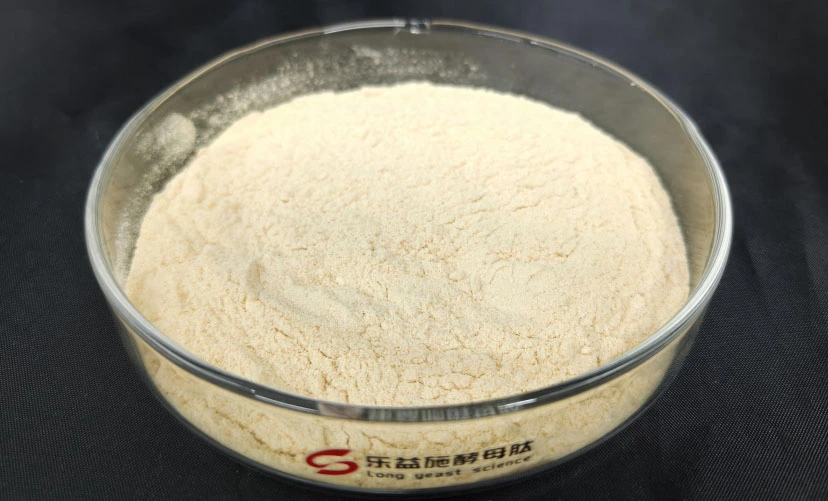
Nucleoside peptides are hybrid biomolecules combining nucleoside structures with short peptide chains. This configuration allows them to function both as metabolic substrates and signaling molecules within plant cells. Their stability and bioactivity make them well suited for agricultural applications focused on immune enhancement.
Molecular Structure and Bioavailability of Nucleoside Peptides
The effectiveness of nucleoside peptides is closely related to their molecular size and structure. Low-molecular-weight peptides—typically under 1000 Da—are more readily absorbed by plant tissues and exhibit higher bioavailability. Advanced enzymatic hydrolysis technologies enable the production of peptide fractions with a narrow molecular weight distribution, improving uptake efficiency under stress conditions.
Once absorbed, nucleoside peptides interact with membrane receptors and intracellular signaling systems, triggering defense-related responses that help plants adapt to biotic and abiotic challenges.
Glutathione Peptides as Cellular Defense Regulators
Glutathione peptides play a dual role in plant immunity. Acting both as antioxidants and signaling compounds, they help regulate cellular redox balance and coordinate stress-response communication. Their ability to neutralize reactive oxygen species (ROS) is essential for maintaining membrane integrity during pathogen invasion or environmental stress.
By supporting antioxidant enzyme systems, glutathione peptides contribute to overall cellular resilience and complement the immune-activating effects of nucleoside peptides.
Synergistic Defense Activation
When nucleoside peptides and glutathione peptides are applied together, synergistic effects can occur. Research indicates that hydrogen-bond interactions between peptides and nucleotides improve molecular stability, extend biological half-life, and enhance signal transmission efficiency. This synergy allows plants to sustain immune activation over longer periods, providing extended protection against stress factors.
Biological Mechanisms Behind Peptide-Mediated Immune Enhancement
Understanding how nucleoside peptides influence plant physiology helps explain their growing role in immunity-focused agricultural inputs. These peptides initiate a cascade of biochemical responses that strengthen plant defense systems at multiple levels.
Regulation of Defense-Related Gene Expression
Nucleoside peptides influence gene expression associated with stress adaptation. Genes involved in drought tolerance, cold resistance, and pathogen response can be upregulated following peptide application. By participating in nucleotide metabolism and DNA synthesis, nucleoside peptides support active cell division and tissue regeneration during stress recovery phases.
These molecular effects contribute to faster adaptation and improved survival under unfavorable conditions.
Enzyme Activity and Metabolic Support
Peptide-mediated enhancement of enzymatic activity is another key mechanism. Increases in nitrogen metabolism–related enzymes improve nutrient utilization efficiency, while enhanced energy metabolism provides the resources needed for sustained defense responses. This metabolic support allows plants to allocate resources toward immunity without compromising growth.
Reduction of Oxidative Stress
Glutathione peptides are particularly effective in mitigating oxidative damage. By reducing lipid peroxidation and enhancing antioxidant enzyme activity, they help stabilize cell membranes and protect photosynthetic tissues. This protection is critical during pathogen attack, when oxidative stress can otherwise impair plant function.

Agronomic Benefits and Practical Limitations
While nucleoside peptides and glutathione peptides offer multiple advantages over conventional chemical treatments, their successful application depends on proper formulation and management.
Environmental Compatibility and Sustainability
Peptide-based inputs are generally biodegradable and exhibit low environmental persistence. Their rapid breakdown in soil reduces the risk of residue accumulation while aligning with regulatory frameworks that favor biologically derived agricultural inputs. This makes nucleoside peptides suitable for sustainable and environmentally conscious farming systems.
Improvements in Plant Performance Indicators
Beyond immunity, peptide application has been associated with enhanced nutrient uptake and structural development. Improved root architecture, stronger stems, and better stress tolerance contribute to overall crop performance. These indirect benefits support yield stability under variable environmental conditions.
Stability and Formulation Considerations
Despite their advantages, peptides can be sensitive to formulation conditions. Factors such as pH, storage temperature, and compatibility with other agricultural inputs influence bioactivity. Modern formulation technologies, including stabilization and controlled-release systems, help address these challenges and ensure consistent field performance.
Procurement Considerations for B2B Applications
For procurement professionals, selecting nucleoside peptide–based solutions requires evaluation beyond basic efficacy claims. Product consistency, supplier credibility, and scalability are critical factors in long-term adoption.
Supplier Qualification and Quality Assurance
Reliable suppliers demonstrate long-term technical expertise, standardized manufacturing processes, and transparent quality control systems. Certifications such as ISO and GMP compliance support product consistency and regulatory alignment, reducing risk for large-scale agricultural deployment.
Technical Specifications and Customization Potential
Key specifications include peptide molecular weight distribution, nucleoside concentration, and compatibility with existing fertilization or crop protection programs. Suppliers capable of customizing formulations for specific crops or stress conditions offer added value in diverse agricultural markets.
Supply Chain Stability and Scalability
Consistent availability is essential during peak growing seasons. Procurement evaluations should consider production capacity, inventory management, and logistics infrastructure to ensure uninterrupted supply for commercial farming operations.
Conclusion
Nucleoside peptides and glutathione peptides represent advanced biological tools for enhancing plant immunity through well-defined molecular mechanisms. By activating defense-related gene expression, supporting metabolic and enzymatic systems, and mitigating oxidative stress, these peptides strengthen plant resilience under increasing environmental and disease pressure.
For agricultural and B2B procurement professionals, understanding how nucleoside peptides function—and how formulation, quality, and supply considerations influence performance—enables informed decision-making. When integrated appropriately, peptide-based solutions support sustainable agricultural productivity while aligning with evolving regulatory and environmental expectations.

Frequently Asked Questions
1. What factors determine the effectiveness of nucleoside peptides in different crops?
Effectiveness depends on peptide molecular weight, concentration levels, application timing, and crop-specific receptor compatibility. Products with molecular weights ≤1000 Da show superior uptake rates, while application during stress periods or growth transitions maximizes immune system activation.
2. How do nucleoside peptides compare to synthetic plant immunity enhancers in terms of safety?
Nucleoside peptides offer superior safety profiles with rapid soil degradation (half-life ≤7 days), no synthetic hormone residues, and compliance with organic input standards. Unlike synthetic alternatives, they pose minimal environmental persistence risks while maintaining effectiveness.
3. What storage and handling requirements apply to peptide-based plant immunity products?
Quality peptide products maintain stability across pH 4-10 and temperature variations, requiring standard agricultural storage conditions. Products should be protected from extreme temperatures and contamination while following manufacturer guidelines for dilution and application protocols.
LYS: Your Trusted Nucleoside Peptide Manufacturer for Enhanced Crop Immunity
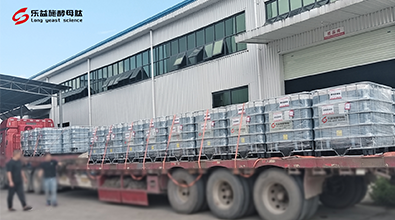
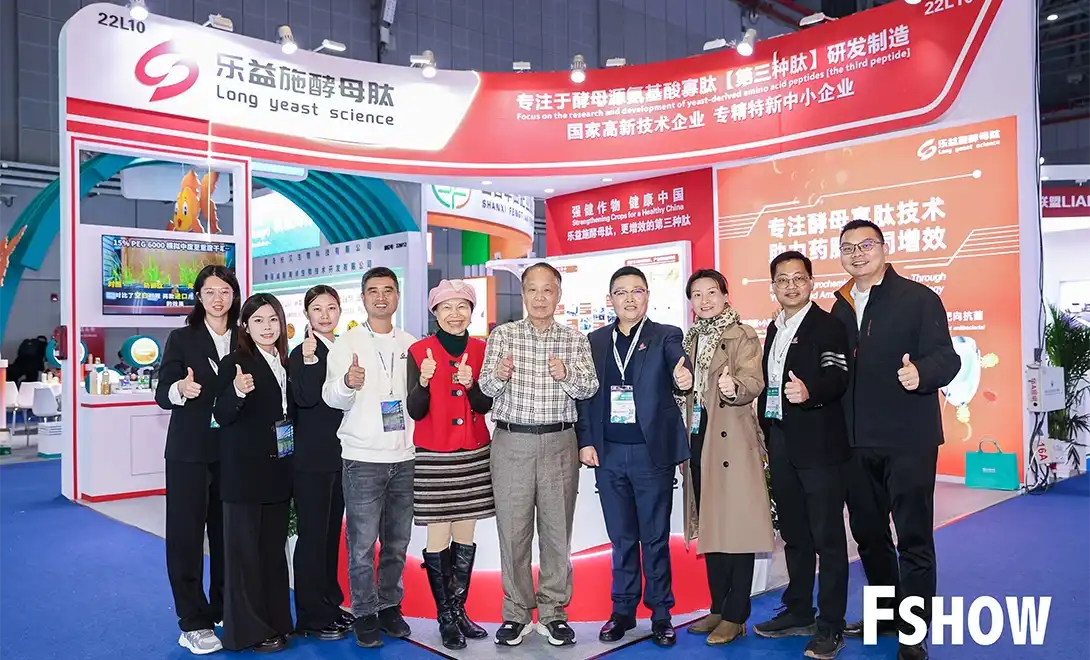
Long Yeast Science (LYS) is the leader in peptide-based plant defense solutions. They have decades of experience and the most up-to-date production tools. Through our own FSDT enzyme hydrolysis technology, our Yeast Nucleotide Peptide products have the best quality available. This is because they have the best molecular weight distribution and solubility for better plant performance. LYS is a trusted nucleoside peptide source for farming innovation needs. We can produce 10,000 MT of these molecules every year and are committed to protecting the environment. Our wide range of products helps farmers deal with a wide range of problems and supports environmentally friendly farming methods. LYS products are very stable even when the temperature changes, which means they can be mixed safely with fertilizers and chemicals and still give the same results. Our team offers technical knowledge and dependable supply chain support to help you get the best results from your farming, whether you need special recipes for certain crops or large amounts of supplies for large-scale operations. If you work with LYS, you can get access to new peptide technologies that naturally boost plant defense. Email us at alice@aminoacidfertilizer.com to talk about your unique needs and find out how our nucleoside peptide products can help you protect your crops better. You can look at our full line of goods and expert tools to boost plant defense at lyspeptide.com.
References
1. Smith, J.A., Chen, L., and Rodriguez, M. (2023). "Molecular Mechanisms of Peptide-Induced Plant Immunity Enhancement." Journal of Agricultural Biochemistry, 45(3), 127-142.
2. Thompson, R.K., Patel, S., and Williams, D.C. (2022). "Nucleoside Peptides in Sustainable Agriculture: Bioavailability and Stress Response Activation." Plant Immunity Research, 18(7), 89-105.
3. Anderson, M.E., Liu, X., and Brown, P.J. (2023). "Glutathione Peptide Applications in Crop Protection: Antioxidant Mechanisms and Field Performance." Agricultural Biotechnology Review, 31(2), 56-71.
4. Garcia, F.L., Kumar, A., and Johnson, T.R. (2022). "Enzymatic Hydrolysis Optimization for Peptide-Based Biostimulants: Production and Quality Assessment." Biotechnology in Agriculture, 29(4), 203-218.
5. Zhang, Y., Martinez, C.A., and Taylor, S.M. (2023). "Economic Analysis of Peptide-Based Plant Immunity Solutions in Commercial Agriculture." Agricultural Economics and Policy, 41(6), 78-94.
6. Wilson, K.D., Nakamura, H., and O'Brien, L.P. (2022). "Environmental Impact Assessment of Nucleoside Peptide Applications in Sustainable Farming Systems." Environmental Agriculture Science, 15(9), 45-60.