Boost Nutrient Efficiency: The Power of Plant-Based Free Amino Acids
In the pursuit of sustainable and efficient agricultural production, plant-based free amino acids have gained increasing attention as functional tools for improving crop nutrient management. Derived from renewable plant materials through controlled enzymatic hydrolysis, these naturally occurring compounds play a key role in enhancing plants’ ability to absorb, transport, and utilize essential nutrients.
As readily available organic molecules, free amino acids serve as direct building blocks for proteins and enzymes, supporting fundamental metabolic processes in plants. Their application has been shown to improve nutrient use efficiency (NUE), promote balanced growth, and support crop performance under both optimal and stress conditions. As modern agriculture shifts toward higher efficiency and environmental responsibility, plant-based free amino acids represent a practical and scientifically grounded approach to nutrient optimization.
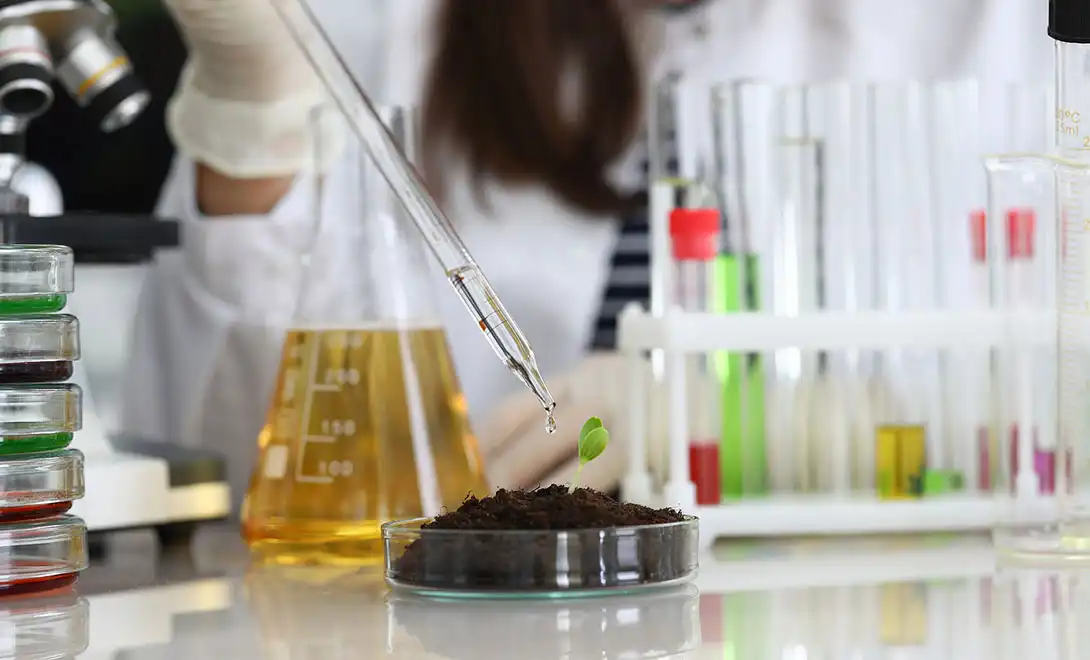
Advantages of Plant-Based Free Amino Acids in Modern Agriculture
The adoption of plant-derived amino acids in agriculture brings numerous benefits that address key challenges faced by farmers and agronomists today. These natural compounds offer a unique set of advantages that contribute to more sustainable and productive farming practices.
Enhanced Nutrient Uptake and Utilization
One of the most widely recognized benefits of plant-based free amino acids is their ability to improve nutrient availability and uptake. Free amino acids can act as natural chelating agents, forming stable complexes with micronutrients such as iron, zinc, and manganese. This chelation improves nutrient solubility and mobility in the soil and rhizosphere, facilitating root absorption.As a result, plants can utilize applied nutrients more efficiently, reducing nutrient losses and improving overall fertilizer effectiveness. This contributes directly to higher nutrient use efficiency and more balanced plant nutrition.
Improved Stress Tolerance and Crop Resilience
Environmental stresses such as drought, salinity, temperature extremes, and transplant shock can disrupt normal plant metabolism and inhibit endogenous amino acid synthesis. Supplementation with exogenous plant-based free amino acids helps maintain essential physiological functions during stress periods.By supporting osmotic regulation, enzyme activity, and cellular repair, free amino acids contribute to faster recovery and more stable nutrient assimilation under adverse conditions. This enhanced resilience allows crops to maintain growth and productivity even when environmental factors are suboptimal.
Alignment with Sustainable and Eco-Friendly Farming Practices
The use of plant-based free amino acids aligns well with sustainable agricultural principles. By improving nutrient efficiency, they can help reduce the total input of conventional fertilizers without negatively affecting yield or crop quality. This reduction can lower the risk of nutrient runoff, soil degradation, and environmental pollution.Additionally, their plant-derived origin and mild mode of action make them suitable for organic and low-input farming systems, supporting the growing global demand for environmentally responsible crop production.
How Plant-Based Free Amino Acids Enhance Nitrogen Use Efficiency
Nitrogen is a critical nutrient for plant growth, yet its utilization efficiency in conventional fertilization systems is often low. Plant-based free amino acids contribute to improved nitrogen management through several complementary mechanisms.
Direct Incorporation into Plant Proteins
Free amino acids can be directly absorbed and incorporated into plant proteins without requiring energy-intensive conversion from inorganic nitrogen forms. This direct utilization pathway allows plants to conserve metabolic energy, allocating more resources to growth, development, and yield formation.
Improved Nitrogen Transport and Temporary Storage
Within plant tissues, amino acids function as natural nitrogen carriers, facilitating efficient transport from roots to actively growing organs such as leaves, flowers, and fruits. Some amino acids also serve as temporary nitrogen storage compounds, helping plants regulate nitrogen availability according to developmental needs.This optimized internal nitrogen distribution supports consistent growth and contributes to improved nitrogen use efficiency throughout the crop cycle.
Support for Biological Nitrogen Fixation
In leguminous crops, specific plant-derived free amino acids can stimulate the activity of nitrogen-fixing bacteria in root nodules. By enhancing this symbiotic relationship, plants can increase their capacity to fix atmospheric nitrogen, reducing dependence on external nitrogen inputs and supporting more self-sustaining nutrient systems.
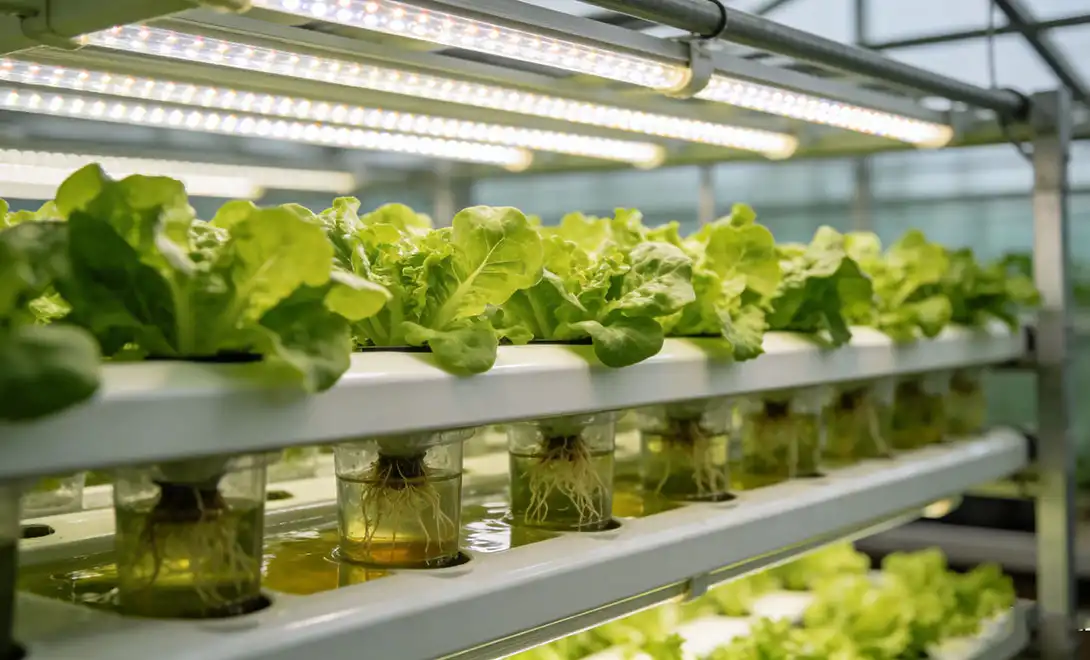
Suitable Applications for Organic and Sensitive Crops
Plant-based free amino acids offer particular benefits for organic farming systems and crops that are sensitive to conventional fertilizer applications. Their natural origin and gentle mode of action make them ideal for use in these specialized agricultural contexts.
Organic Fruit and Vegetable Production
In organic farming systems, where synthetic fertilizers are restricted, plant-based free amino acids provide an effective solution for improving nutrient availability and crop quality. Applied via foliar spraying or fertigation, they can quickly address nutrient deficiencies and support critical growth stages such as flowering and fruit development.Their use has been associated with improved fruit size, coloration, and overall market quality in crops such as tomatoes, peppers, leafy vegetables, and berries.
High-Value and Specialty Crops
Specialty crops, including medicinal plants, aromatic herbs, and ornamental species, often require precise nutrient management to maintain desired characteristics. Plant-based free amino acids offer a gentle and controlled method of nutrient delivery, minimizing the risk of over-fertilization or chemical residues that could affect product quality.
Seedling Growth and Transplant Establishment
Early growth stages are particularly sensitive to nutrient stress. The application of plant-derived free amino acids during seedling production or transplanting supports root development, reduces transplant shock, and promotes faster establishment. This can result in more uniform crop stands and improved early vigor.
Conclusion
Plant-based free amino acids represent a scientifically supported approach to improving nutrient efficiency in modern agriculture. By enhancing nutrient uptake, supporting nitrogen metabolism, and improving stress tolerance, they offer practical benefits for growers seeking to optimize productivity while adhering to sustainable practices.
As agricultural systems continue to evolve, the integration of Free Amino Acids as functional biostimulants provides a promising pathway toward more resilient, efficient, and environmentally responsible crop production.

FAQs
Q1: How do plant-based free amino acids differ from synthetic amino acids in agricultural applications?
A: Plant-based free amino acids are obtained through enzymatic hydrolysis of natural plant materials, making them highly compatible with plant metabolism. They typically provide a broader amino acid profile and synergistic effects compared to single-compound synthetic amino acids.
Q2: Can plant-based amino acids replace traditional fertilizers entirely?
A: They are best used as part of an integrated nutrient management strategy. While they can reduce the required amount of conventional fertilizers, complete replacement depends on crop type, soil fertility, and management goals.
Q3: Are there any environmental risks associated with using plant-based free amino acids?
A: Yes. They are biodegradable and pose minimal environmental risk. By improving nutrient efficiency, they can help reduce nutrient losses and the environmental impact associated with excessive fertilizer use.
Revolutionize Your Crop Nutrition with Plant-Based Free Amino Acids | LYS
For growers, input manufacturers, and distributors seeking reliable plant-based free amino acid solutions, LYS Biotech offers advanced products developed from over 70 years of expertise in yeast protein and fermentation technology. Supported by experienced agronomic and crop protection teams, LYS Biotech focuses on delivering consistent quality through patented processes, carefully selected raw materials, and strict quality control systems.
Our plant-based free amino acid solutions are designed to support organic farming, high-value crops, and challenging growing conditions where conventional fertilizers may be less effective.Please contact at alice@aminoacidfertilizer.com
References
1. Johnson, A. R., et al. (2021). "Plant-Based Amino Acids in Sustainable Agriculture: A Comprehensive Review." Journal of Plant Nutrition and Soil Science, 184(3), 405-422.
2. Garcia-Martinez, A. M., et al. (2020). "Biostimulant Activity of Plant-Derived Amino Acid Formulations in Horticultural Crops." Scientia Horticulturae, 267, 109350.
3. Calvo, P., et al. (2019). "Agricultural Uses of Plant Biostimulants." Plant and Soil, 442(1-2), 1-32.
4. Liu, X. Q., & Lee, K. S. (2022). "Amino Acid Biostimulants: Enhancing Crop Resilience and Productivity in Changing Climates." Frontiers in Plant Science, 13, 834698.
5. Rouphael, Y., & Colla, G. (2020). "Editorial: Biostimulants in Agriculture." Frontiers in Plant Science, 11, 40.
6. Teixeira, W. F., et al. (2018). "Amino Acids as Stress Reducers in Soybean Plant Growth Under Different Water-Deficit Conditions." Journal of Plant Growth Regulation, 37, 865-876.

Tell us your needs — we’ll provide the right solution for your crops and markets.
Innovating Agriculture with Yeast-Derived Amino Acid Peptides