Main Categories of Biostimulants
Biostimulants can be broadly classified based on their origin, composition, and mode of action within plant systems:
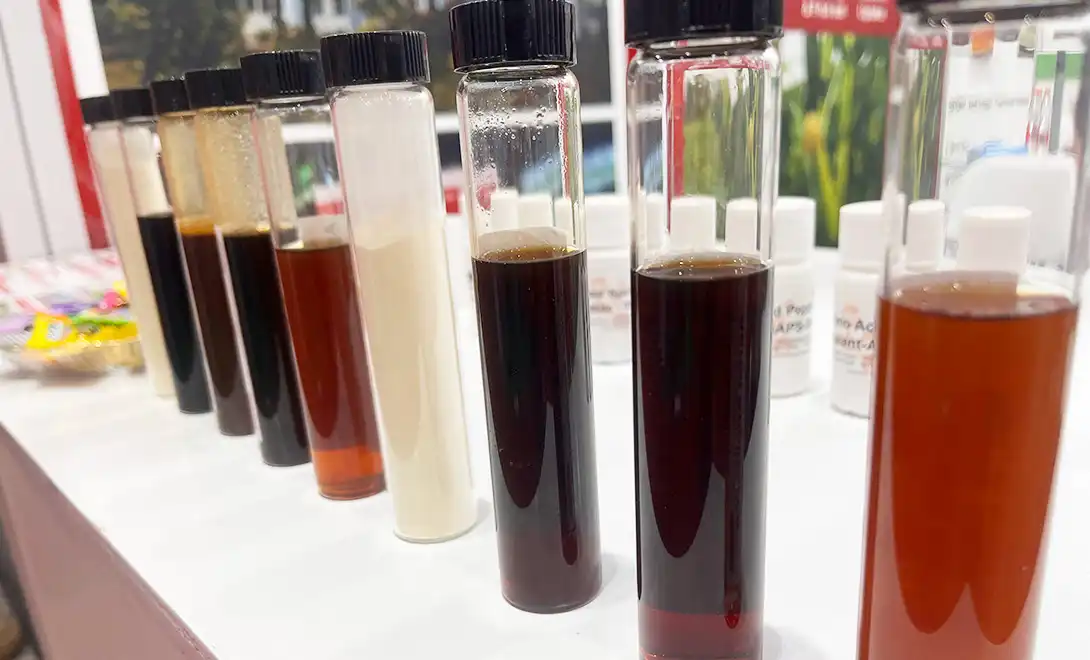
- Humic substances
Derived from organic decomposition products; contains humic acids and fulvic acids. Its primary function is soil-rhizosphere improvement. It enhances soil aggregate structure, increases cation exchange capacity (CEC), promotes nutrient chelation, and stimulates root growth.
- Seaweed extracts
Derived from specific seaweeds; rich in polysaccharides, betaine, amino acids, and natural plant hormones. Its primary functions are stress resistance and physiological regulation. Polysaccharides (such as alginic acid) strengthen cell walls and enhance stress tolerance; betaine protects cells from osmotic stress.
- Protein hydrolysates
Derived from plant and animal residues, industrial byproducts, or yeast extracts; contains free amino acids and bioactive peptides. Its primary mechanisms of action involve metabolic support and nutritional assimilation. Amino acids directly participate in nitrogen assimilation and protein synthesis; bioactive peptides function as signaling molecules to regulate plant physiology.
- Microbial inoculants
Beneficial bacteria (such as nitrogen-fixing bacteria and phosphorus-solubilizing bacteria) and fungi (such as mycorrhizal fungi). Their primary functions are nutrient enhancement and biological protection. They promote the dissolution, fixation, and availability of nutrients (N, P); form mycorrhizal networks to expand the root system's absorption area.
- Biopolymers such as chitosan
Derived from crustaceans and other sources; primarily composed of polysaccharides. Induces resistance responses. As an elicitor, it activates the plant immune system and defense mechanisms, enhancing resistance to pests, diseases, and environmental stresses.
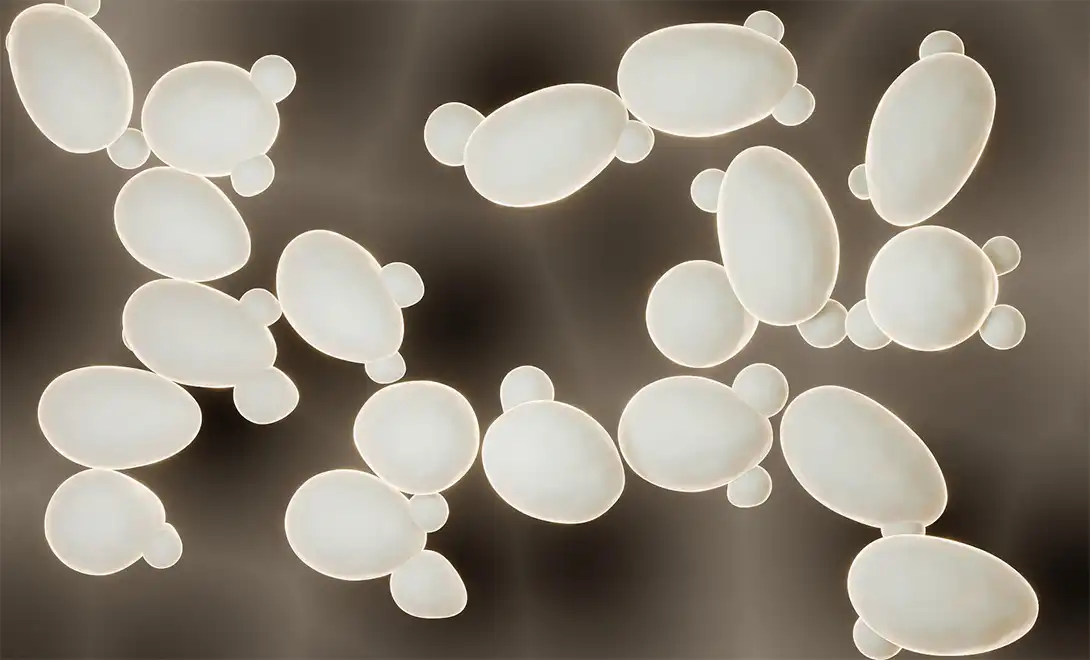
- Yeast-Derived Extracts
Extracted from yeast cells; rich in small-molecule peptides, amino acids, nucleotides, vitamins and trace elements. Provides highly active metabolic precursors, particularly when applied as a foliar spray, rapidly supporting plant metabolic activity, energy production, and stress recovery.
Regulatory Considerations
The regulatory status of biostimulants varies across global markets, reflecting their relatively recent integration into agricultural input systems. In the European Union, organizations such as the European Biostimulants Industry Council (EBIC) have played a key role in establishing clear definitions, standards, and labeling requirements.
Similar regulatory frameworks are being developed worldwide to distinguish biostimulants from fertilizers and pesticides. These regulations aim to ensure product quality, safety, and efficacy, while supporting innovation and responsible adoption of biostimulants in sustainable crop management.
How Biostimulants Differ from Fertilizers in Plant Response
Although both fertilizers and biostimulants aim to improve crop performance, their mechanisms of action and physiological effects differ significantly.
Nutrient Supply vs. Metabolic Optimization
Fertilizers function by supplying essential macro- and micronutrients directly to plants, correcting nutrient deficiencies and supporting immediate growth responses. Their primary role is to replenish nutrient pools in the soil.
Biostimulants, by contrast, act on plant metabolism. They enhance enzymatic activity, nutrient uptake efficiency, and internal nutrient transport. Rather than serving as nutrient sources, biostimulants optimize physiological processes, allowing plants to make better use of available nutrients. When used together, fertilizers and biostimulants can complement each other within integrated nutrition strategies.
Plant Physiological Responses
Application of biostimulants can induce a range of beneficial plant responses, including:
- Enhanced root system architecture, improving access to water and nutrients
- Increased efficiency of nutrient uptake and translocation
- Higher chlorophyll content and improved photosynthetic capacity
- Modulation of hormone balance, supporting balanced growth and development
- Activation of stress-response pathways, improving tolerance to drought, salinity, and temperature extremes
These effects are particularly valuable under suboptimal soil or environmental conditions.
Long-Term Impacts on Soil Health
Unlike excessive fertilizer use, which may contribute to soil acidification or nutrient imbalance, many biostimulants positively influence long-term soil health. They stimulate beneficial microbial communities involved in nutrient cycling and organic matter decomposition.
Over time, biostimulants can improve soil structure, water-holding capacity, and biological resilience. This contributes to a more stable and productive agroecosystem, supporting sustainable yields while reducing dependency on high fertilizer inputs.
Typical Applications of Biostimulants in Sustainable Agriculture
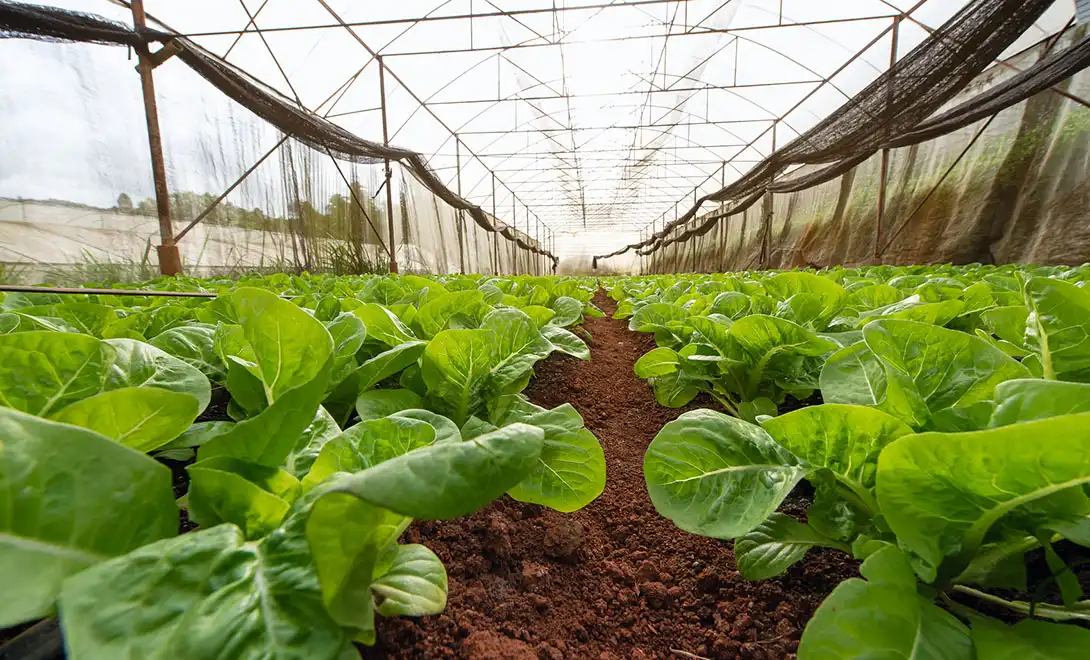
Biostimulants are widely used in sustainable agriculture to address both productivity and environmental challenges.
Stress Mitigation
Biostimulants are widely used in agriculture as a reliable solution to help crops mitigate abiotic stress impacts. For drought stress, they enhance root development and water-use efficiency, enabling plants to absorb and utilize limited moisture more effectively. For temperature stress, they activate protective protein synthesis and stress-responsive pathways, strengthening crop resilience to extreme hot or cold conditions. For salinity stress, they regulate ion balance and facilitate osmotic adjustment, helping plants counteract soil salt accumulation and maintain normal physiological functions.
Crop Quality Enhancement
Beyond safeguarding yield stability, biostimulants also play a pivotal role in elevating overall crop quality across multiple dimensions. They promote enhanced cell division, which in turn increases fruit size and ensures greater uniformity in produce appearance. Moreover, these agricultural inputs optimize crop nutritional profiles, effectively boosting the content of beneficial components such as antioxidants and vitamins. What’s more, by fortifying overall plant health, biostimulants help extend the post-harvest shelf life of crops, reducing spoilage and enhancing the market value of the final products.
Support for Integrated Crop Management
Biostimulants also play an instrumental role in robust integrated crop management, delivering multi-faceted benefits for sustainable agriculture. They strengthen plants’ innate defense mechanisms to boost resilience against biotic threats, foster beneficial soil microorganisms that suppress pathogens for a healthier rhizosphere, and enhance nutrient use efficiency to cut fertilizer losses and leaching—aligning farming with eco-friendly, resource-efficient practices.
Conclusion
As modern agriculture faces challenges such as climate variability, resource constraints, and environmental sustainability, biostimulants are increasingly recognized as valuable components of advanced crop management systems. By enhancing natural plant processes rather than directly supplying nutrients, biostimulants support resilient, efficient, and sustainable agricultural production.
For agrochemical manufacturers, specialty fertilizer producers, and large-scale growers seeking to integrate advanced biostimulant technologies, LYS Biotech brings over 70 years of experience in yeast-based biochemical innovation. The company’s portfolio includes scientifically validated biostimulant solutions designed to meet the evolving needs of modern agriculture.
Through proprietary nucleotide-based formulations and small-molecule peptide technologies, LYS Biotech supports crop growth, stress resistance, and yield quality across diverse production systems. These solutions offer a science-driven approach for partners seeking sustainable, high-performance agricultural inputs.
FAQs
Q1: How quickly can I expect to see results after applying biostimulators?
A: Results depend on the type of biostimulant, crop species, and environmental conditions. Some physiological responses may appear within days, while yield-related effects typically become visible over a longer period.
Q2: Are biostimulators safe for organic farming?
A: Many biostimulants are suitable for organic agriculture, but certification and regulatory compliance vary by region. Always verify product specifications and local standards.
Q3: Can biostimulators replace traditional fertilizers entirely?
A: Biostimulants are not intended to replace fertilizers. Instead, they work synergistically with fertilizers to improve nutrient efficiency and overall crop performance.
Premium Biostimulators for Enhanced Crop Performance | LYS
Discover LYS Biotech's innovative range of biostimulators designed to revolutionize your agricultural practices. Our advanced formulations harness the power of nucleotide technology and small molecule peptides to promote robust crop growth, enhance stress resistance, and improve overall yield and quality. Whether you're a specialty fertilizer manufacturer looking to expand your product line or a large-scale farming operation seeking sustainable solutions, LYS Biotech has the expertise and products to meet your needs. Contact us today at alice@aminoacidfertilizer.com to explore how our premium biostimulators can elevate your agricultural success.
References
1. Du Jardin, P. (2015). Plant biostimulants: Definition, concept, main categories and regulation. Scientia Horticulturae, 196, 3-14.
2. Calvo, P., Nelson, L., & Kloepper, J. W. (2014). Agricultural uses of plant biostimulants. Plant and Soil, 383(1-2), 3-41.
3. Rouphael, Y., & Colla, G. (2020). Editorial: Biostimulants in Agriculture. Frontiers in Plant Science, 11, 40.
4. Van Oosten, M. J., Pepe, O., De Pascale, S., Silletti, S., & Maggio, A. (2017). The role of biostimulants and bioeffectors as alleviators of abiotic stress in crop plants. Chemical and Biological Technologies in Agriculture, 4(1), 1-12.
5. Yakhin, O. I., Lubyanov, A. A., Yakhin, I. A., & Brown, P. H. (2017). Biostimulants in plant science: A global perspective. Frontiers in Plant Science, 7, 2049.
6. Povero, G., Mejia, J. F., Di Tommaso, D., Piaggesi, A., & Warrior, P. (2016). A systematic approach to discover and characterize natural plant biostimulants. Frontiers in Plant Science, 7, 435.