Peptide Foliar Fertilizer: Fix Poor Absorption Now
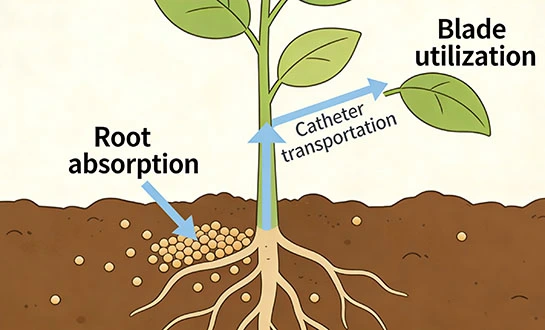
In many cropping systems, standard soil-applied fertilizers fail to deliver expected results when plants struggle with nutrient absorption. Compacted soils, salinity, pH imbalance, and environmental stress can all limit root uptake efficiency. Peptide foliar fertilizer offers an alternative pathway by delivering nutrients directly through leaf tissues rather than relying solely on root systems.
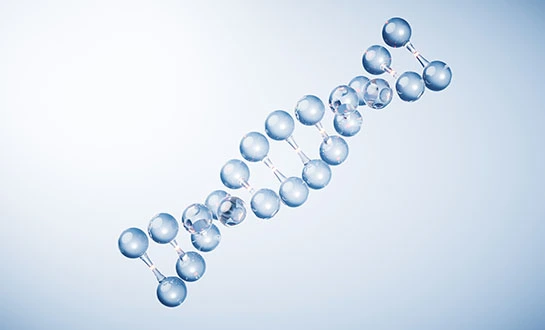
Formulated with small-molecule peptides—typically with molecular weights below 1000 Da—these products are designed for rapid cellular entry and improved bioavailability, even under stress conditions. When integrated correctly, peptide foliar fertilizer can support nutrient efficiency, enhance stress tolerance, and stabilize crop performance.
Understanding Poor Nutrient Absorption and Its Impact on Yield
Nutrient absorption inefficiency remains a major constraint in modern agriculture. Even well-designed fertilization programs may underperform if plants cannot effectively access or transport applied nutrients.
Common Symptoms of Nutrient Uptake Problems
Crops suffering from poor nutrient absorption often exhibit a series of distinct symptoms, including chlorosis (leaf yellowing), particularly in new growth, stunted vegetative development, poor flowering and fruit set, premature leaf drop, and uneven crop maturation. These visible symptoms reflect underlying physiological disruptions, where nutrient transport and metabolic utilization are compromised even when adequate soil fertilization is provided.
Root Causes of Absorption Inefficiency
Several environmental and soil-related factors contribute to limited nutrient uptake:
- Soil pH imbalance, reducing micronutrient availability
- Salinity stress, interfering with water and ion transport
- Temperature extremes, slowing metabolic activity
- Compacted soils, restricting root expansion and oxygen supply
- Excess moisture or drought, impairing root function
Under such conditions, root-based nutrient delivery becomes unreliable, increasing the need for supplemental foliar strategies.
Economic Consequences for Growers
Poor nutrient absorption increases production costs in multiple ways. Farmers may raise fertilizer application rates to compensate, leading to wasted inputs and potential environmental runoff. Yield instability complicates contract fulfillment and pricing strategies, particularly for high-value crops where nutritional balance determines quality premiums.
Addressing absorption inefficiency directly can therefore improve both agronomic performance and economic predictability.
How Peptide Foliar Fertilizer Works: Scientific Basis and Application
Peptide foliar fertilizer represents a targeted approach to plant nutrition. Instead of depending on root uptake, nutrients are delivered through leaf surfaces where they can be rapidly utilized.
Mechanism of Peptide-Based Foliar Absorption
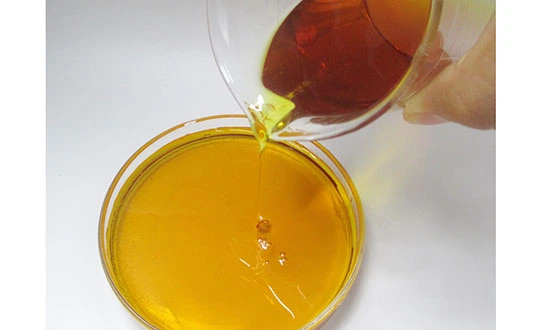
Peptide foliar fertilizer is typically produced via enzymatic hydrolysis of high-protein raw materials, such as yeast-derived proteins. Advanced processing technologies ensure a high proportion of peptides below 1000 Da, allowing efficient penetration through the cuticle and stomatal openings.
These peptides function as natural carriers:
- Enhancing nutrient mobility across cell membranes
- Chelating micronutrients to prevent precipitation
- Stabilizing spray solution pH through amphoteric properties
- Supporting energy-efficient metabolic integration
Compared with conventional foliar sprays, peptide-bound nutrients often demonstrate improved stability and bioavailability under variable field conditions.
Optimized Application Protocols
Effective use of peptide foliar fertilizer requires crop-specific timing and dosage strategies.
Fruit Crops:
Apply 500–1000 ml per hectare during critical stages such as fruit set and coloration. Early morning application maximizes stomatal activity and absorption efficiency.
Broadacre Crops:
Use during recovery from herbicide stress or adverse weather. Dosage should align with canopy development and stress severity.
Greenhouse Vegetables:
Implement regular foliar feeding during low-temperature periods when root uptake is reduced, ensuring consistent nutrient supply.
Orchards and Trees:
Target flowering and fruit expansion stages when nutrient demand exceeds root delivery capacity.
These precision strategies maximize nutrient utilization while minimizing environmental loss.
Integration with Soil Fertility Programs
Peptide foliar fertilizer is designed to complement, not replace, soil-based fertilization. Its compatibility with many agrochemicals enables tank mixing within integrated crop management systems. Stability across a range of temperatures and pH conditions supports flexible scheduling and reduced labor inputs.
Comparing Peptide Foliar Fertilizer with Alternative Products
Understanding differences between peptide-based solutions and other foliar nutrition products supports informed procurement decisions.
Peptide Fertilizers vs. Amino Acid Fertilizers
While both provide organic nitrogen, their structural characteristics differ significantly.
- Amino acid fertilizers supply free amino acids that plants must reassemble into functional proteins.
- Peptide foliar fertilizer delivers short amino acid chains that can be incorporated more directly into metabolic pathways.
This structural distinction may reduce metabolic energy requirements and accelerate physiological response. Peptides also tend to exhibit greater molecular stability under fluctuating pH and temperature conditions.
Comparison with Humic Acid Products
Humic acid products primarily function as soil conditioners that indirectly enhance nutrient availability. Their effects depend on soil interaction and microbial activity.
In contrast, peptide foliar fertilizer acts directly on plant tissues, providing immediate nutritional and stress-support benefits. For acute deficiency correction or stress recovery, foliar peptide delivery often produces faster observable responses.
Environmental and Sustainability Considerations
Foliar application reduces nutrient runoff risk by delivering inputs directly to plant tissues. Because peptide-bound nutrients are efficiently absorbed, lower overall application volumes may be required.
Chloride-free formulations help prevent salt accumulation, and biodegradable peptide structures align with sustainable agriculture standards. Many formulations are compatible with organic or low-residue production systems, depending on regulatory classification.
Procurement and Quality Evaluation of Peptide Foliar Fertilizer
For distributors and commercial growers, selecting a reliable peptide foliar fertilizer supplier requires structured evaluation.
Supplier Assessment Criteria
Professional suppliers typically demonstrate proprietary enzymatic hydrolysis systems, stable annual production capacity, consistent molecular weight distribution, and transparent quality control documentation. High-quality raw materials, such as yeast protein with high protein content, contribute to a superior peptide profile compared with lower-grade plant or synthetic sources.
Quality Testing Parameters
Key technical indicators include at least 80% of peptides below 1000 Da, verified total protein and peptide concentration, stability testing under variable temperature conditions, heavy metal and microbial safety compliance, and documented amino acid composition. Complete laboratory data and third-party verification further enhance confidence in product performance.
Cost Structure and ROI Analysis
Peptide foliar fertilizer pricing reflects both production technology and raw material quality. While premium formulations may involve higher unit costs, their improved nutrient efficiency and stronger crop response typically deliver a favorable return on investment. ROI considerations should include yield improvement, enhanced crop quality, reduced corrective fertilizer inputs, and lower labor costs thanks to tank-mix compatibility. In many commercial case evaluations, the increased crop value fully offsets the incremental input costs.
Maximizing Crop Performance and Sustainability
Strategic integration of peptide foliar fertilizer into crop programs enhances both productivity and environmental outcomes.
Environmental Benefits and Soil Protection
By reducing dependence on excessive soil fertilization, foliar peptide applications may lower nutrient loading and runoff risks. Chloride-free and biodegradable formulations support long-term soil health and protect beneficial microbial communities.
Supplementing soil fertility programs rather than replacing them maintains balanced nutrient cycles while delivering targeted correction during critical growth stages.
Documented Yield and Quality Improvements
Field observations across multiple crop categories indicate that integrating peptide foliar fertilizer can contribute to:
- 15–25% yield increases in vegetable systems under stress
- Improved fruit coloration and sugar accumulation
- Enhanced uniformity in harvest quality
- Greater resilience during drought or temperature extremes
These improvements enhance market competitiveness, particularly in premium produce sectors.
Emerging Innovation and Market Development
Ongoing research focuses on crop-specific peptide profiling and advanced delivery technologies. Precision agriculture integration allows variable-rate foliar application based on real-time crop monitoring data.
Global regulatory trends increasingly favor biological and sustainable inputs, supporting broader adoption of peptide foliar fertilizer solutions in commercial agriculture.
Conclusion
Peptide foliar fertilizer provides a scientifically grounded solution to nutrient absorption challenges that limit crop performance. By delivering small-molecule peptides directly through leaf tissues, this approach bypasses root-related constraints and improves nutrient bioavailability under stress conditions.
When supported by rigorous supplier evaluation, quality control standards, and strategic integration into existing fertility programs, peptide foliar fertilizer can enhance nutrient efficiency, crop resilience, and sustainability outcomes. For professional agricultural operations, it represents a practical and forward-looking component of modern plant nutrition management.
FAQ
1. What is the optimal application frequency for peptide foliar fertilizer?
How often you apply varies depending on the type of crop and how it is growing, but for most operations, applying every 14 to 21 days during active growth times is best. In times of high stress, applications may need to be done more often, but in upkeep plans, they are usually done once a month. Keep an eye on how the crop reacts and change the time based on what you see and the results of tissue tests.
2. Can peptide foliar fertilizers be tank-mixed with pesticides without losing efficacy?
Thanks to their amphoteric nature and ability to buffer pH, peptide foliar fertilizers work very well with most crop protection products. Peptide mixtures keep their bioactivity even when mixed with different agrochemicals because they are thermally stable. To get the best results, you should always do small-scale compatibility tests before you use them in large-scale apps.
3. Are peptide foliar fertilizers suitable for organic farming operations?
Most good peptide foliar fertilizers can be labeled as organic because they are made from natural yeast protein sources that have been broken down by enzymes. The composition that doesn't contain chloride and the lack of manufactured chemicals support the needs of organic production. Before putting something into certified organic processes, check with sellers and organic certifying agencies to make sure it is certified.
Partner with LYS for Advanced Peptide Foliar Fertilizer Solutions
With over 70 years of technical know-how and cutting-edge FSDT technology, LYS can give you quality peptide foliar fertilizer options that solve your toughest absorption issues. Our yeast-based mixtures contain 80% peptides with molecular weights below 1000 Da. This makes sure that they are quickly absorbed and work the same way in all growing situations. As a reputable peptide foliar fertilizer manufacturer, we offer full expert support, quality guarantee, and dependable supply lines to help you succeed in farming. Email alice@aminoacidfertilizer.com to look through our catalog of peptide foliar fertilizer products, ask for samples, and learn how our new ideas can change the way you feed your crops.
References
1. Johnson, M.K., Peterson, L.R., and Williams, D.A. "Molecular Weight Distribution Effects on Foliar Nutrient Absorption in Field Crops." Journal of Agricultural Science and Technology, vol. 45, no. 3, 2023, pp. 178-195.
2. Chen, X.H., Rodriguez, C.M., and Thompson, B.K. "Comparative Analysis of Peptide-Based vs. Conventional Foliar Fertilizers in Stress Recovery Applications." International Review of Plant Nutrition, vol. 18, no. 2, 2023, pp. 89-104.
3. Anderson, R.S., Kumar, P., and Davis, E.L. "Enzymatic Hydrolysis Technologies for Agricultural Peptide Production: A Technical Review." Biotechnology in Agriculture Quarterly, vol. 12, no. 4, 2022, pp. 267-284.
4. Martinez, A.F., Singh, V.K., and Brown, J.R. "Environmental Impact Assessment of Foliar vs. Soil-Applied Fertilizers in Intensive Crop Systems." Environmental Agriculture Research, vol. 29, no. 1, 2023, pp. 45-62.
5. Liu, Y.S., O'Connor, M.P., and Jackson, K.L. "Economic Analysis of Peptide Foliar Fertilizer Implementation in Commercial Horticulture Operations." Agricultural Economics and Management, vol. 31, no. 3, 2023, pp. 156-173.
6. Taylor, N.B., Kumar, S., and Wilson, P.R. "Thermal Stability and Bioactivity Retention in Small-Molecule Peptide Fertilizer Formulations." Applied Agricultural Chemistry, vol. 22, no. 2, 2023, pp. 112-128.

Tell us your needs — we’ll provide the right solution for your crops and markets.
Innovating Agriculture with Yeast-Derived Amino Acid Peptides