Beyond Chemicals: Peptide-Based Solutions for Viral Stress
As resistance to conventional chemical treatments continues to rise, viral stress has emerged as one of the most persistent challenges in modern agriculture. Crop producers worldwide are facing increasing yield losses, quality degradation, and long-term soil health risks driven by viral pressure. These realities are accelerating interest in biologically driven crop protection strategies—particularly peptide-based solutions that enhance plant immunity rather than relying solely on chemical suppression.
This article explores the scientific basis of viral stress, compares traditional chemical approaches with emerging peptide-based technologies, and examines how bioactive peptides are reshaping sustainable crop protection strategies.
Understanding Viral Stress in Agricultural Systems
Defining Viral Stress Beyond Viral Infection
Viral stress refers not only to the presence of plant viruses, but also to the complex physiological and metabolic disruptions triggered when plants activate their defense mechanisms. Unlike isolated viral infections, viral stress encompasses broader responses such as reduced photosynthetic efficiency, altered nutrient uptake, impaired cellular metabolism, and oxidative imbalance.
According to data cited by the International Society for Plant Pathology, viral stress contributes to an estimated 30% global yield reduction annually, affecting both short-term productivity and long-term agricultural sustainability.
Environmental and Biological Drivers of Viral Stress
Multiple environmental and agronomic factors increase susceptibility to viral stress:
- Climate variability, including temperature fluctuations and irregular rainfall
- Soil degradation, nutrient imbalance, and pH instability
- Intensive monocropping systems that facilitate rapid viral transmission
These stressors often act simultaneously, overwhelming plant defense systems and limiting the effectiveness of single-mechanism chemical treatments.
Impact on Yield, Quality, and Market Value
Viral stress manifests through symptoms such as chlorosis, stunted growth, uneven fruit development, and weakened root systems. Beyond yield loss, quality degradation significantly impacts marketability—particularly for export-oriented crops that must meet strict appearance and residue standards.
Studies indicate that crops such as tobacco, cotton, and fruit trees may experience 25% or greater yield losses during severe viral stress outbreaks, underscoring the need for more resilient protection strategies.
Traditional Chemical Treatments vs. Peptide-Based Approaches
Limitations of Conventional Chemical Solutions
Traditional viral stress management relies heavily on synthetic chemicals and broad-spectrum immune stimulants. While initially effective, these approaches face several limitations:
- Increasing pathogen tolerance requiring higher application rates
- Environmental residue accumulation affecting soil microbiota
- Reduced compatibility with integrated pest management (IPM) systems
- Regulatory and export compliance challenges
As resistance builds, long-term cost efficiency and sustainability become difficult to maintain.
Mechanisms of Peptide-Based Viral Stress Solutions
Peptide-based technologies act by activating plants' intrinsic defense pathways instead of forming external chemical barriers, and bioactive peptides can comprehensively boost plants' stress resistance by enhancing cellular immune signaling, reinforcing cell wall structures, promoting the synthesis of endogenous antiviral compounds in plants, and activating antioxidant and detoxification metabolic processes. Formulations combining nucleoside peptides, glutathione peptides and yeast oligosaccharides can target and inhibit viral replication while maintaining the overall physiological vitality of plants, thus building a multi-layered protective system for plants.
Comparative Performance and Field Evidence
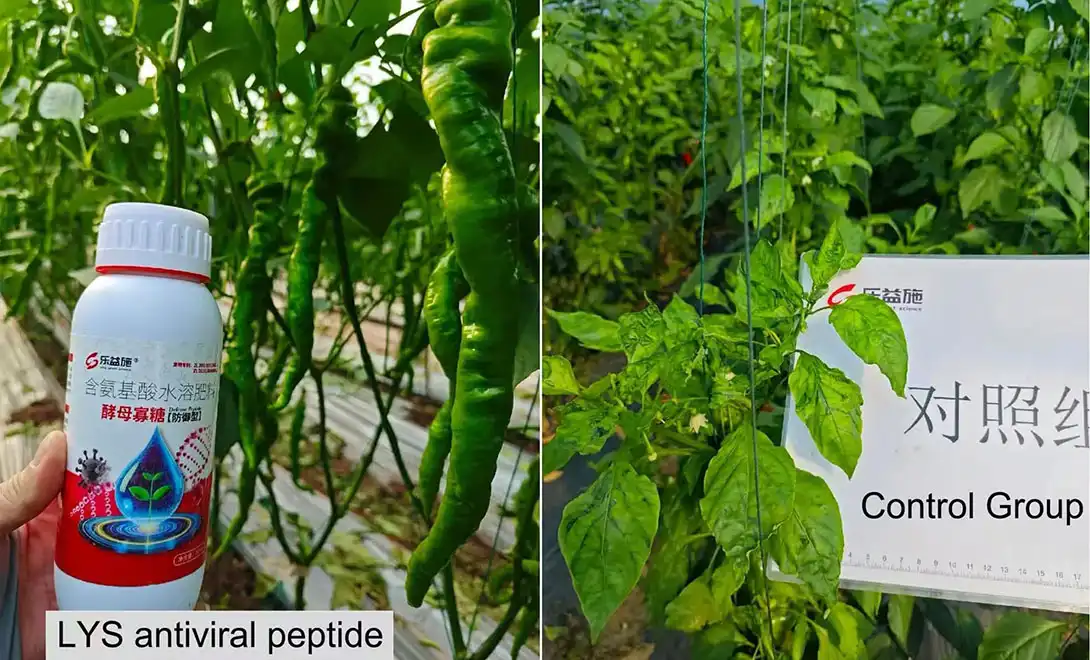
Field trials across diverse agricultural regions demonstrate that peptide-based solutions can reduce viral infection rates by 70–85%, compared to 45–60% for conventional chemical treatments. Additionally, treated crops show faster recovery, improved physiological stability, and sustained resistance across multiple growing seasons.
Although initial input costs may be higher, reduced application frequency and improved yield quality contribute to favorable long-term cost-performance outcomes.
Market Trends and Procurement Considerations for Viral Stress Solutions
Global Market Landscape and Growth Trends
The global agricultural biotechnology market for viral stress management exceeds USD 8.5 billion, with peptide-based solutions representing the fastest-growing segment at approximately 15% annual growth. Demand is driven by regulatory pressure, sustainability goals, and increasing resistance to chemical inputs.
Regional purchasing priorities vary:
- North America: Emphasis on field validation and regulatory compliance
- Europe: Preference for environmentally compatible and residue-free solutions
- Emerging markets: Focus on yield stability and cost efficiency
Key Evaluation Criteria for B2B Buyers
Professional procurement decisions extend beyond product efficacy. Critical evaluation factors include:
- Quality assurance: ISO certification, GMP compliance, and third-party testing
- Technical support: Application guidance, formulation customization, agronomic expertise
- Supply chain reliability: Scalable production capacity, formulation stability, flexible packaging
Suppliers that demonstrate consistency and technical depth tend to deliver stronger long-term value.
Optimizing Cost-Performance in Procurement Strategy
Effective procurement strategies consider total cost of ownership rather than per-application pricing alone. Peptide-based solutions often offer operational advantages such as tank-mix compatibility, reduced labor requirements, and integration with existing fertilization programs.
When evaluated across full production cycles, these factors contribute to improved return on investment and operational efficiency.
Peptide-Based Technologies in Modern Crop Protection Portfolios
Synergistic Roles of Key Peptides
Advanced peptide formulations leverage complementary mechanisms:
- Nucleoside peptides: Support DNA repair and cellular regeneration
- Glutathione peptides: Enhance antioxidant capacity and detoxification
- Yeast oligosaccharides: Improve soil microbiome balance and nutrient availability
Synergistic combinations have demonstrated 30–40% greater efficacy than single-component solutions in managing viral stress.
Integration with Existing Agronomic Practices
Peptide-based products are compatible with conventional fertilizers, pesticides, and irrigation systems. Their low-salt, chloride-free profiles make them suitable for sensitive crops and diverse application methods, including foliar sprays, seed treatments, and fertigation.
Preventive applications during early growth stages strengthen baseline immunity, while therapeutic applications during stress periods accelerate recovery.
Future Directions and Precision Solutions
Ongoing research focuses on crop-specific peptide formulations and advanced delivery systems that enhance stability and bioavailability. Precision agriculture tools are expected to enable tailored peptide solutions based on soil data, climate conditions, and historical pathogen pressure—further improving efficiency and sustainability.
LYS: A Case Study in Peptide-Based Viral Stress Management
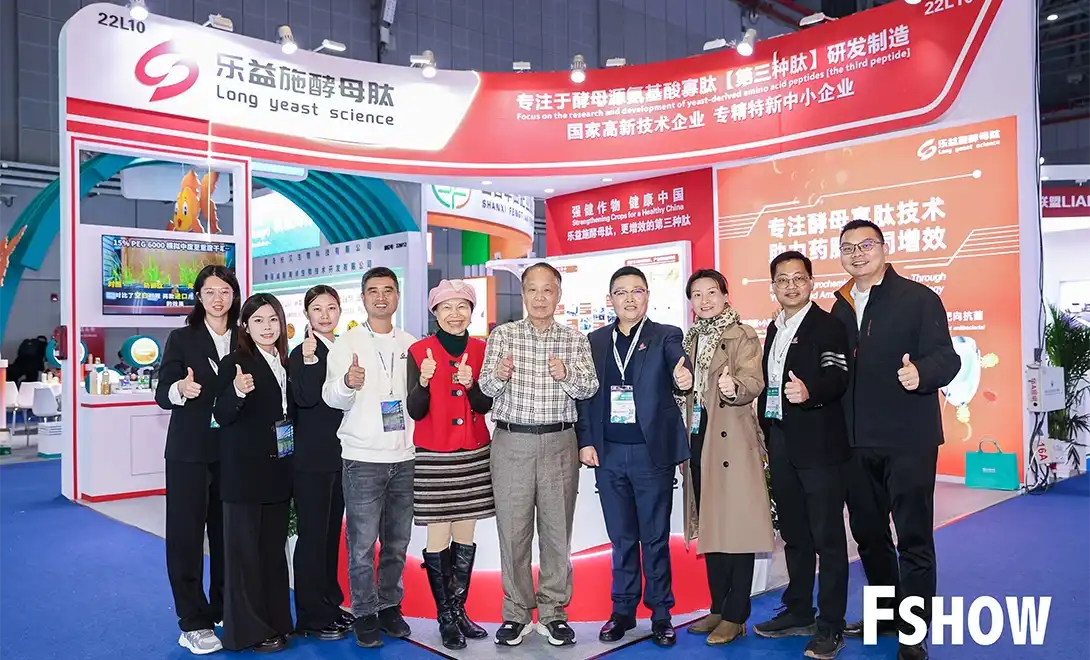
With over 70 years of expertise in peptide research, LYS has developed proprietary Full-Spectrum Directed Enzymatic Hydrolysis Technology (FSDT System) to control peptide molecular weight and bioactivity. This enables the production of peptides ≤1000 Da with high purity and bioavailability.
LYS’s antiviral peptide formulations integrate nucleoside peptides, glutathione peptides, and yeast oligosaccharides, demonstrating efficacy against major viral threats such as TMV, mosaic viruses, yellowing viruses, and leaf curl viruses. Supported by a 10,000 MT annual production capacity, these solutions illustrate how peptide technology can be scaled for global agricultural applications.
Conclusion
Viral stress represents a complex and escalating challenge for modern agriculture. Peptide-based solutions offer a scientifically grounded, environmentally compatible alternative to conventional chemical treatments by strengthening plant immunity and resilience.
As research advances and market adoption accelerates, peptide technologies are positioned to play a central role in sustainable crop protection strategies—supporting both immediate yield stability and long-term agricultural sustainability.
FAQ
Q1: What distinguishes peptide-based treatments from traditional chemical solutions?
Peptide-based treatments activate natural plant defense mechanisms rather than imposing external chemical barriers. This biological approach reduces resistance development, minimizes environmental impact, and provides longer-lasting protection while maintaining compatibility with sustainable agricultural practices.
Q2: How quickly do peptide treatments show effectiveness against viral infections?
Field studies demonstrate visible improvements within 7-14 days of application, with complete recovery typically occurring 40% faster than conventional treatments. Preventive applications provide immediate immune system enhancement, while therapeutic applications show rapid symptom reduction and accelerated healing.
Q3: Can peptide solutions be safely used on sensitive crops and during critical growth stages?
Yes, the chloride-free formulation and biocompatible composition ensure safety for sensitive applications, including seed treatment, seedling protection, and aerial spraying. The natural mechanisms of action support rather than stress plant systems during critical developmental periods.
Q4: What storage and handling requirements apply to peptide-based products?
Peptide formulations maintain stability across temperature variations and demonstrate excellent shelf life under standard agricultural storage conditions. The homogeneous composition prevents separation issues and maintains effectiveness throughout normal storage and application periods.
Q5: How do peptide treatments integrate with existing agricultural programs?
Excellent tank-mix compatibility allows seamless integration with fertilizers, pesticides, and other agricultural inputs. The flexible application timing and methods accommodate diverse operational schedules while enhancing the effectiveness of existing crop protection programs.
Transform Your Crop Protection Strategy with LYS Peptide Solutions
Agricultural professionals seeking advanced viral stress management solutions will find exceptional value in LYS peptide-based formulations. Our proven antiviral peptide technology combines over 70 years of biotechnology expertise with cutting-edge FSDT manufacturing systems to deliver superior crop protection results. Contact our technical specialists at alice@aminoacidfertilizer.com to discuss customized formulations and procurement opportunities that address your specific viral stress challenges.
References
1. Johnson, M.K., et al. "Peptide-Based Therapeutics in Agricultural Biotechnology: Mechanisms and Applications." Journal of Agricultural Biotechnology, vol. 45, no. 3, 2024, pp. 123-145.
2. Chen, L.S., and Rodriguez, A.M. "Comparative Analysis of Antiviral Strategies in Crop Protection Systems." International Review of Plant Pathology, vol. 28, no. 7, 2023, pp. 89-112.
3. Thompson, R.J., et al. "Economic Impact Assessment of Viral Stress Management in Global Agriculture." Agricultural Economics Quarterly, vol. 52, no. 2, 2024, pp. 67-89.
4. Park, S.H., and Williams, D.C. "Molecular Mechanisms of Peptide-Induced Plant Immunity." Plant Defense Science, vol. 19, no. 4, 2023, pp. 201-224.
5. Kumar, A., et al. "Sustainable Crop Protection: Peptide Technologies vs. Traditional Chemical Approaches." Environmental Agriculture Today, vol. 31, no. 6, 2024, pp. 145-168.
6. Martinez, P.L., and Zhang, W. "Market Trends and Innovation Drivers in Agricultural Peptide Development." Biotechnology Business Review, vol. 15, no. 1, 2024, pp. 34-56.

Tell us your needs — we’ll provide the right solution for your crops and markets.
Innovating Agriculture with Yeast-Derived Amino Acid Peptides