In modern crop nutrition, both amino acid peptides and protein hydrolysates are widely used as plant supplements. While they share a common origin, their molecular characteristics, bioavailability, and performance under field conditions differ significantly. Understanding these differences is essential for selecting the most appropriate formulation for efficient and sustainable agricultural production.

Molecular Structure and Composition Differences
Molecular Weight Distribution
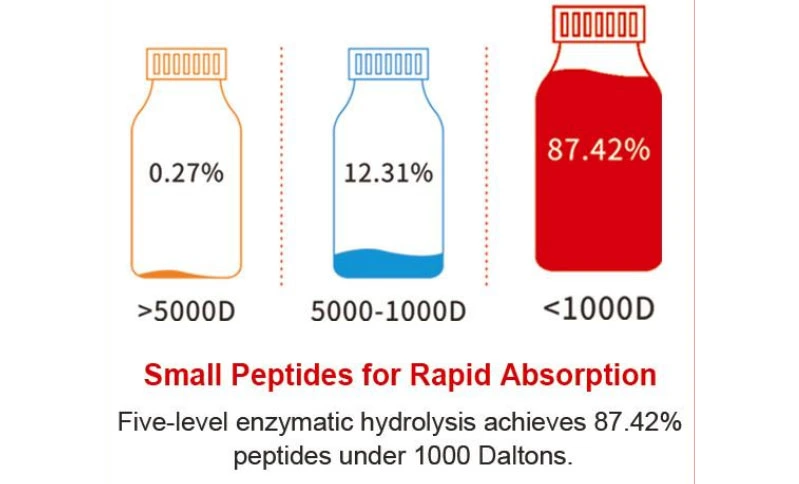
Protein hydrolysates typically contain a wide range of molecular sizes, from long peptide chains to free amino acids. A substantial proportion of these molecules exceed 3000 Da, which can limit their direct uptake by plant cells. In contrast, amino acid peptides are produced with controlled molecular weights, most commonly maintained below 1000 Da, a range that favors efficient cellular absorption.
Structural Integrity of Peptides
Controlled enzymatic hydrolysis preserves peptide bonds and functional structures, allowing peptides to remain biologically active after application. Smaller peptides are also less susceptible to structural degradation during processing and storage, ensuring more predictable performance in agricultural use.
Stability Characteristics
Due to their compact molecular structure, amino acid peptides demonstrate higher resistance to degradation caused by temperature fluctuations and environmental stress. This stability contributes to consistent performance across different climatic and application conditions.
Bioavailability and Plant Uptake Efficiency
Absorption Mechanisms in Plants
Research indicates that molecules larger than 1000 Da face limitations when crossing plant cell walls and membranes. Protein hydrolysates often require additional enzymatic breakdown before plants can utilize them. Amino acid peptides, by contrast, can be absorbed directly, accelerating metabolic responses.
Uptake Performance Comparison
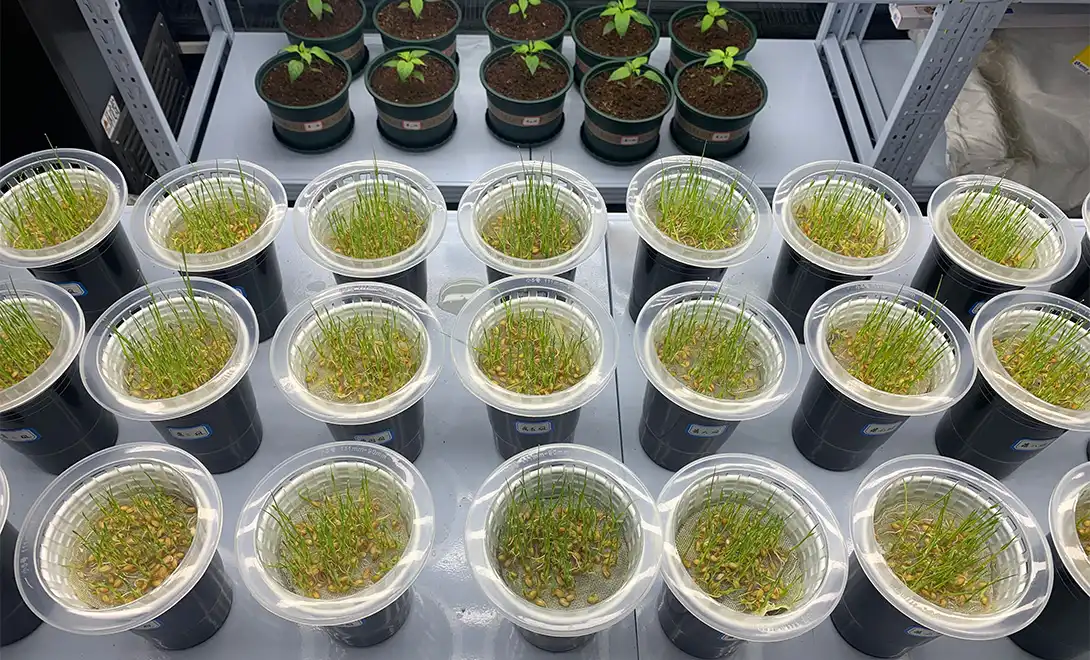
Field and laboratory observations consistently show faster plant responses when amino acid peptides are applied. Their peptide-chain structure provides readily available building blocks for protein synthesis, supporting rapid growth and stress recovery.
Observed absorption trends:
- Amino acid peptides (≤1000 Da): high cellular uptake within 24 hours
- Protein hydrolysates (>3000 Da): slower uptake, often requiring 48–72 hours
- Metabolic integration: peptides are incorporated into plant proteins significantly faster
This enhanced bioavailability makes amino acid peptides particularly suitable for time-sensitive applications such as stress mitigation and recovery.
Stability Under Agricultural Conditions
Environmental and Chemical Stability
Agricultural environments expose inputs to temperature extremes, pH variation, and chemical interactions. Protein hydrolysates may degrade under such conditions, reducing their effectiveness. Amino acid peptides maintain functionality across a broad temperature and pH range, supporting both foliar and fertigation applications.
Compatibility and Storage
Peptide-based formulations typically exhibit excellent water solubility and tank-mix compatibility with most fertilizers and agrochemicals. Their resistance to oxidation and precipitation contributes to longer shelf life and more flexible storage options.
Key stability indicators:
- Effective temperature range: approximately –5°C to 45°C
- Functional pH range: 4.0–8.5
- High compatibility with standard agricultural inputs
- Extended storage stability without significant loss of activity
Manufacturing Processes and Quality Control
Production Technologies
Traditional protein hydrolysates are often produced using acid or alkaline hydrolysis, processes that may damage sensitive amino acids and result in inconsistent molecular profiles. Advanced enzymatic hydrolysis enables precise control over peptide size and composition, preserving bioactivity.
Quality Consistency
Because enzymatic processes are highly controllable, manufacturers of amino acid peptides can apply stricter quality standards. This results in uniform molecular characteristics and consistent field performance across production batches, which is critical for large-scale agricultural use.
Cost-Effectiveness and Long-Term Value
Application Efficiency and ROI
Although amino acid peptides may have a higher unit cost than conventional hydrolysates, their superior bioavailability often allows for lower application rates. Faster plant responses, improved nutrient efficiency, and simplified application protocols contribute to reduced labor and operational costs.
Yield and Quality Impact
Field observations indicate that peptide-based programs are associated with measurable yield improvements and enhanced crop quality. These gains frequently offset the initial input costs, resulting in favorable return on investment.
Future Trends in Peptide-Based Crop Nutrition
Advances in peptide technology are enabling more targeted and sustainable agricultural solutions. Ongoing research into specific peptide sequences is improving precision in nutrient delivery and stress regulation. As sustainable agriculture continues to evolve, amino acid peptides are expected to play an increasingly important role due to their efficiency, lower environmental impact, and compatibility with precision farming systems.

Conclusion
Both amino acid peptides and protein hydrolysates have roles in crop nutrition, but their performance characteristics differ markedly. Amino acid peptides offer advantages in molecular consistency, bioavailability, environmental stability, and application efficiency. While protein hydrolysates remain suitable for basic nutritional supplementation, peptide-based formulations provide the precision and reliability required in modern agriculture. As farming systems prioritize efficiency, sustainability, and performance, amino acid peptides represent a forward-looking solution for optimized plant nutrition.
Partner with LYS for Advanced Amino Acid Peptides Solutions
LYS leads agricultural peptide innovation through proprietary FSDT technology and decades of manufacturing expertise. Our premium amino acid peptides supplier capabilities support formulation companies, distributors, and farming operations worldwide with consistent, high-quality products that deliver measurable field results.
Experience the difference that precise molecular control makes in agricultural applications. Our technical team provides comprehensive support for product integration and application optimization. Contact us at alice@aminoacidfertilizer.com to discuss how LYS peptide solutions can enhance your agricultural success.
References
1. Martinez, J.A. et al. "Comparative Bioavailability of Small Peptides Versus Large Protein Fragments in Plant Nutrition." Journal of Agricultural Science and Technology, 2023.
2. Chen, L. and Rodriguez, M. "Enzymatic Hydrolysis Optimization for Agricultural Peptide Production." International Review of Agricultural Chemistry, 2022.
3. Thompson, R.K. et al. "Field Performance Analysis of Peptide-Based Biostimulants in Stress Conditions." Crop Science and Biotechnology, 2023.
4. Williams, S.P ."Molecular Weight Distribution Effects on Plant Nutrient Uptake Efficiency." Agricultural Research Quarterly, 2022.
5. Kumar, A. and Zhang, Y. "Stability Analysis of Peptide Formulations Under Variable Agricultural Conditions." Journal of Sustainable Agriculture, 2023.
6. Davies, M.J. et al. "Economic Impact Assessment of Advanced Peptide Technology in Commercial Agriculture." Agricultural Economics Review, 2022.