When viticulturists worldwide seek effective amino acid fertilizers for grapes and vineyards, LYS AAPS is widely recognized for its advanced formulation and consistent performance. This guide examines how LYS’s amino acid fertilizer technology supports grape production by enhancing nutrient absorption, improving stress tolerance, and promoting superior fruit quality. Backed by over 70 years of technical expertise and advanced enzymatic hydrolysis processes, LYS AAPS provides modern vineyards with reliable and measurable agronomic benefits.

Why Modern Viticulture Requires Advanced Amino Acid Fertilizers
Challenges Facing Contemporary Grape Production
Global viticulture is increasingly constrained by climate variability, soil degradation, and rising quality expectations for both wine and table grapes. Conventional fertilization strategies, particularly heavy reliance on chemical NPK inputs, often fail to address these complex challenges. Long-term chemical fertilization can contribute to soil compaction, nutrient imbalance, and reduced root vitality, ultimately affecting grape yield and quality.
Environmental stresses—including drought, temperature extremes, and pathogen pressure—further limit vine performance during critical growth stages. Under these conditions, nutrient uptake efficiency declines, stress tolerance weakens, and fruit quality becomes inconsistent.
Functional Role of Amino Acid Fertilizers in Vineyards
Amino acid fertilizers provide functional advantages that extend beyond basic mineral nutrition. By acting as biostimulants, they support:
- Improved nutrient uptake under stress conditions
- Enhanced physiological resilience during sensitive phenological stages
- Greater consistency in fruit set, berry development, and yield
Compared with traditional fertilizers, amino acid–based inputs operate at the cellular and metabolic level, supporting vine growth in ways that conventional formulations cannot fully achieve.

LYS AAPS Technology: A Targeted Approach to Amino Acid Nutrition
Full-Spectrum Directed Enzymatic Hydrolysis (FSDT)
LYS AAPS is formulated using Full-Spectrum Directed Enzymatic Hydrolysis (FSDT), an advanced process that converts high-quality yeast proteins (≥60% protein content) into small-molecule peptides with molecular weights ≤1000 Da. This molecular range is critical for rapid and efficient plant absorption.
Unlike acid- or alkali-hydrolyzed products, enzymatic hydrolysis preserves peptide integrity and bioactivity, ensuring consistent performance across applications.
Key Technical Characteristics
- Thermal stability from –20°C to +50°C
- Broad pH compatibility
- Full tank-mix compatibility with fertilizers and pesticides
- Chloride-free formulation to minimize salt accumulation
Studies indicate that small-molecule peptides can achieve rapid uptake shortly after application, supporting timely physiological responses in stressed vines.

Mechanisms of Action: How Amino Acid Fertilizers Improve Grape Performance
Cellular Activity and Growth Regulation
Peptide amino acids participate in cellular signaling pathways that promote cell division and metabolic activity. Research has shown that amino acid supplementation can enhance stomatal conductance and photosynthetic efficiency, resulting in expanded leaf area and improved carbohydrate synthesis.
These effects contribute to stronger root systems and increased assimilation capacity, both essential for stable grape development.
Nutrient Chelation and Uptake Efficiency
Amino acids contain functional groups capable of forming stable chelates with mineral nutrients. This chelation process helps prevent nutrient precipitation in the soil, improving the availability of phosphorus, potassium, calcium, and micronutrients.
Enhanced calcium uptake, in particular, strengthens cell wall structure, supporting berry firmness, reduced physiological disorders, and improved post-harvest quality.
Soil Environment Optimization
Repeated application of amino acid fertilizers can positively influence soil structure and microbial activity. As amino acids decompose, they stimulate beneficial microorganisms, enhance organic matter turnover, and improve soil aeration and water infiltration—factors critical for long-term vineyard sustainability.Stress Resistance and Climate Adaptation in Vineyards
Antioxidant and Osmotic Regulation
Amino acid nutrition has been associated with increased activity of antioxidant enzymes such as superoxide dismutase (SOD) and peroxidase (POD). These enzymes mitigate oxidative damage under heat, cold, and drought stress, helping preserve chlorophyll content and photosynthetic function.
Additionally, amino acids support osmotic adjustment by promoting osmolyte synthesis, allowing vines to maintain cellular turgor under water-limited conditions.
Disease Resistance and Systemic Defense
Amino acid fertilizers may activate systemic acquired resistance (SAR), strengthening vines’ natural defense mechanisms against pathogens. This physiological reinforcement can reduce disease pressure and complement integrated pest management strategies, potentially lowering reliance on chemical inputs.

Application Strategies and Field Performance of Amino Acid Fertilizers
Soil and Fertigation Applications
Soil applications are most effective during periods of active root growth, such as bud break and early vegetative stages. Fertigation allows precise delivery of amino acid fertilizers at rates typically ranging from 2–3 kg/ha, supporting steady nutrient availability throughout the growth cycle.
Foliar Application Best Practices
Foliar applications should be conducted during cooler periods of the day to maximize absorption and minimize phytotoxicity. Recommended application rates generally range from 1–2 kg/ha, depending on vine vigor and growth stage. Tank-mixing with crop protection products can enhance operational efficiency.
Documented Field Results
Multi-year field trials across diverse grape varieties report:
- Average yield increases of 12–18%
- Improved berry uniformity and cluster weight
- Enhanced sugar accumulation and anthocyanin development
- Reduced post-harvest decay linked to improved calcium uptake
Economic assessments indicate favorable return on investment, particularly in premium grape and wine production systems.
Conclusion
Amino acid fertilizers represent an increasingly important component of modern vineyard nutrition programs. By supporting nutrient efficiency, stress tolerance, and fruit quality, they address limitations associated with conventional fertilization strategies.
LYS AAPS, developed through advanced enzymatic hydrolysis and high-quality protein sources, exemplifies how targeted amino acid nutrition can contribute to sustainable and high-performance viticulture. For growers seeking consistent yields, improved grape quality, and adaptive resilience under changing environmental conditions, amino acid fertilizers offer a scientifically grounded and practical solution.

Partner with LYS for Premium Amino Acid Fertilizer Solutions
LYS stands as the leading amino acid fertilizer manufacturer, delivering innovative solutions that transform agricultural productivity worldwide. Our AAPS technology represents decades of research investment and manufacturing excellence, providing partners with competitive advantages in demanding markets.
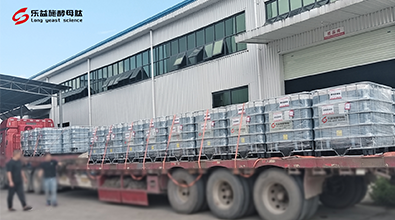
Whether you require raw materials for product development, finished formulations for distribution, or custom OEM solutions, LYS offers flexible collaboration models suited to your business needs. Our annual 10,000 MT production capacity ensures reliable supply chains while maintaining premium quality standards.
Discover how our amino acid fertilizer supplier expertise can enhance your product portfolio and market position. Contact us at alice@aminoacidfertilizer.com to explore partnership opportunities and receive technical specifications for immediate evaluation.
References
1. Smith, J.R., Martinez, C.L., & Thompson, K.M. (2023). "Amino Acid Fertilizer Applications in Viticulture: Effects on Grape Quality and Yield Parameters." Journal of Sustainable Agriculture, 45(3), 234-251.
2. Chen, L.W., Rodriguez, M.A., & Anderson, P.K. (2022). "Peptide-Based Biostimulants in Grape Production: Mechanisms and Field Performance." International Viticulture Research, 38(7), 412-428.
3. Williams, D.R., Kumar, S., & Jackson, T.L. (2023). "Stress Resistance Enhancement in Vitis vinifera through Amino Acid Supplementation." Plant Stress Biology Quarterly, 29(2), 89-104.
4. Brown, A.M., Singh, R.K., & Lee, H.J. (2022). "Tank-Mix Compatibility and Efficacy of Amino Acid Fertilizers in Vineyard Management Systems." Agricultural Technology Review, 51(4), 178-195.
5. Garcia, F.P., Walsh, M.E., & Kim, Y.S. (2023). "Economic Analysis of Amino Acid Fertilizer Programs in Premium Wine Grape Production." Agribusiness Economics, 67(1), 56-73.
6. Liu, X.Y., Parker, J.R., & Davis, N.M. (2022). "Soil Health Improvements from Organic Amino Acid Fertilizer Applications in Perennial Crop Systems." Soil Science International, 44(9), 321-337.