Liquid Amino Acid Fertilizer: Benefits for Crop Growth
Amino acid liquid fertilizer represents a significant advancement in sustainable agriculture by delivering concentrated, functional nutrition that directly influences crop performance across diverse farming systems. Derived from yeast-based protein sources, this biostimulant combines free amino acids with highly bioavailable peptides to enhance plant growth, improve stress tolerance, and increase yield potential.
Unlike conventional fertilizers, amino acid liquid fertilizer not only supplies nutrients but also regulates physiological processes at the cellular level. As modern agriculture faces increasing environmental and economic pressures, these formulations are being widely adopted to support both productivity and sustainability goals. Their ability to provide immediate nutritional support while improving long-term soil and plant health makes them a valuable component of precision farming strategies.
Understanding Amino Acid Liquid Fertilizer and Its Mechanism
Modern agricultural systems require efficient nutrient delivery solutions that align with plant metabolic processes. Amino acid liquid fertilizer meets this demand by supplying pre-digested organic nitrogen in forms that plants can absorb and utilize directly, reducing metabolic energy consumption.
Composition and Scientific Foundation
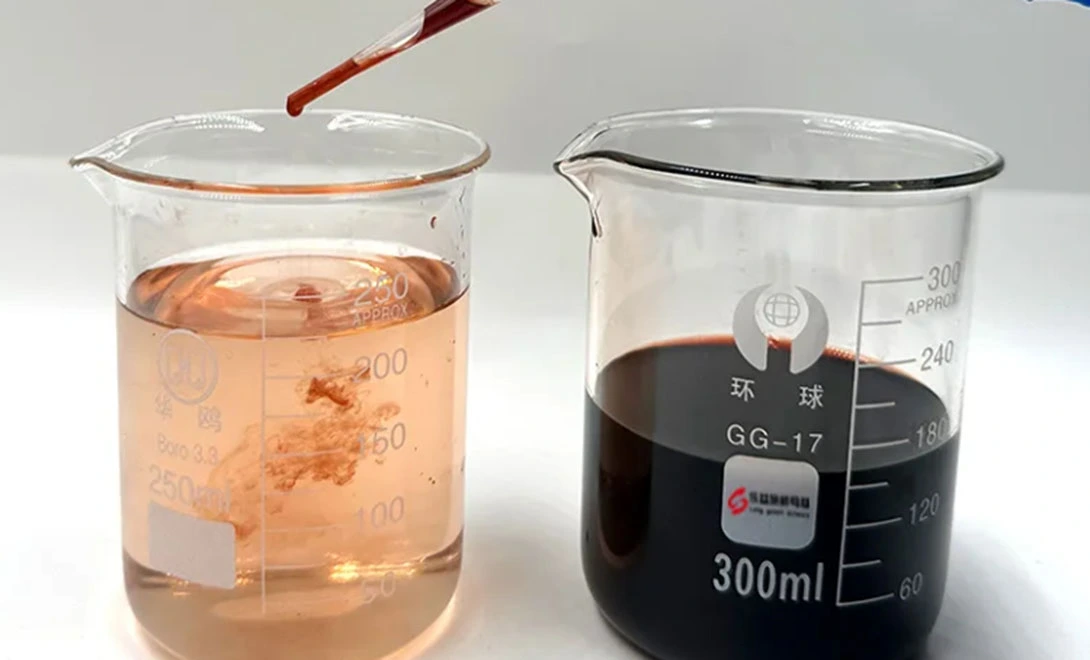
Amino acid liquid fertilizer is typically produced through controlled enzymatic hydrolysis of high-quality protein sources, often derived from yeast. The resulting formulation contains high concentrations of free amino acids (≥200 g/L) and small-molecule peptides (≥200 g/L), ensuring rapid bioavailability.
Advanced production technologies, such as full-spectrum enzymatic hydrolysis, generate peptides with molecular weights ≤1000 Daltons, which are easily absorbed by plant tissues. These formulations predominantly contain L-amino acids, the biologically active forms recognized by plant metabolic systems.
Key amino acids play distinct roles in plant physiology: glycine supports chlorophyll synthesis, proline enhances stress resistance, and glutamic acid contributes to nitrogen metabolism. In addition, amino acids act as natural chelating agents, improving micronutrient availability and transport within plant systems.
Mechanism of Action
Amino acid liquid fertilizer functions through multiple physiological pathways. Peptides facilitate the transport of amino acids across cell membranes, increasing nutrient uptake efficiency and accelerating protein synthesis.
These compounds also influence plant hormone activity, promoting the synthesis of growth regulators such as auxins and cytokinins. Furthermore, amino acids enhance antioxidant activity and stimulate the production of stress-related proteins, enabling plants to better withstand environmental challenges such as drought, salinity, and temperature extremes.
This integrated mode of action supports both immediate plant nutrition and long-term physiological resilience.
Key Benefits of Amino Acid Liquid Fertilizer for Crop Growth
Amino acid liquid fertilizer offers a range of agronomic benefits that address both productivity and sustainability challenges in modern agriculture.
Enhanced Nutrient Uptake and Efficiency
By supplying readily available organic nitrogen, amino acid liquid fertilizer reduces the energy required for nutrient assimilation. Plants can bypass the conversion of inorganic nitrogen into amino acids, allowing them to allocate more energy toward growth and reproduction.
In addition, amino acids improve micronutrient availability by chelating essential elements such as iron, zinc, and manganese. This enhances enzymatic activity and supports key processes including photosynthesis and respiration, ultimately improving overall nutrient use efficiency.
Improved Stress Tolerance and Recovery
Environmental stress is a major limiting factor in crop productivity. Amino acid liquid fertilizer strengthens plant tolerance to abiotic stress by regulating osmotic balance and enhancing antioxidant defense systems.
Proline, for example, plays a critical role in protecting cellular structures under drought conditions, while other amino acids support enzymatic repair processes. Following stress events such as transplanting, herbicide exposure, or extreme weather, amino acid applications accelerate recovery by promoting cellular repair and metabolic reactivation.
Yield and Quality Enhancement
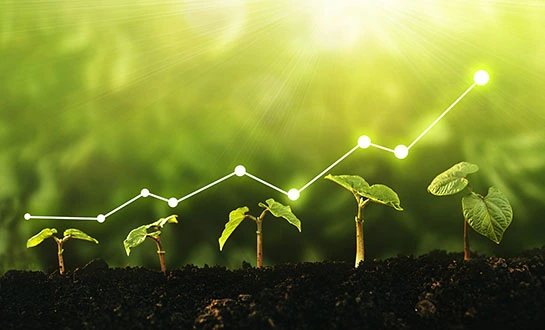
Consistent application of amino acid liquid fertilizer has been associated with measurable yield improvements, typically ranging from 8% to 15% under optimized management conditions. These gains result from enhanced photosynthetic activity, improved flowering, and better fruit or grain development.
Crop quality is also positively affected, with improvements observed in parameters such as sugar content (Brix), protein levels, and post-harvest shelf life. These quality enhancements contribute to higher market value, particularly in high-value crop segments.
Application Strategies and Best Practices for B2B Use
To maximize the effectiveness of amino acid liquid fertilizer, it is essential to adopt appropriate application strategies based on crop type, growth stage, and environmental conditions.
Dosage and Timing
Application rates generally range from 2 to 5 liters per hectare, depending on crop requirements and stress conditions. Foliar applications are particularly effective during periods of active growth, flowering, and fruit development, when nutrient demand is highest.
Fertigation allows for continuous nutrient supply through the root zone, supporting sustained plant development. Targeted applications before flowering, after stress events, and during pre-harvest stages can significantly enhance both yield and quality outcomes.
Multiple low-dose applications are often more effective than a single high-dose treatment, as they maintain optimal nutrient levels within plant tissues.
Compatibility and Program Integration
Amino acid liquid fertilizer is typically compatible with most fertilizers and crop protection products. Its stability across a pH range of approximately 4.0 to 7.0 allows for flexible integration into existing agricultural programs.
This compatibility reduces operational complexity and application costs by enabling combined treatments. However, it is recommended to conduct compatibility tests before large-scale mixing to ensure optimal performance and avoid potential interactions.
Comparative Analysis with Other Fertilizer Types
Understanding how amino acid liquid fertilizer compares with alternative nutrient sources is essential for informed procurement and application decisions.
Organic vs. Synthetic Nutrient Sources
Synthetic fertilizers provide high nutrient concentrations but often require significant metabolic energy for plant uptake and may contribute to environmental concerns such as nutrient leaching and emissions.
In contrast, amino acid liquid fertilizer offers immediately available nutrients with higher utilization efficiency, reducing overall input requirements and environmental impact. Although the unit cost may be higher, improved efficiency often results in lower total cost per unit of yield.
Liquid vs. Solid Fertilizer Forms
Liquid formulations offer advantages in terms of uniform application, ease of handling, and compatibility with modern irrigation systems. Complete solubility eliminates issues such as equipment clogging and uneven nutrient distribution.
Additionally, liquid amino acid fertilizers are well-suited for automated systems and large-scale operations, improving logistical efficiency in storage, transportation, and field application.
Procurement Considerations for B2B Buyers
Selecting a reliable amino acid liquid fertilizer supplier requires careful evaluation of product quality, technical specifications, and supply capabilities.
Quality Specifications and Certifications
High-quality products should meet defined standards, including total amino acid content of approximately ≥400 g/L and a high proportion of low-molecular-weight peptides (≤1000 Da). The presence of L-amino acids and the absence of harmful contaminants are also critical indicators of product quality.
Certifications such as ISO quality management systems and compliance with agricultural input regulations provide additional assurance of consistency and reliability. Stability testing under various storage conditions is important to ensure product integrity לאורך the supply chain.
Supplier Capability and Technical Support
Established manufacturers with extensive experience in protein hydrolysis and fermentation technologies are better equipped to deliver consistent, high-quality products at scale. Production capacity, supply chain reliability, and technical expertise are key factors for long-term partnerships.
Technical support services, including application guidance, compatibility testing, and performance monitoring, add significant value by helping buyers optimize product use and achieve desired agronomic outcomes.
Conclusion
Amino acid liquid fertilizer is an advanced and versatile solution for improving crop growth, yield, and resilience in modern agricultural systems. Its unique combination of readily available amino acids and bioactive peptides enables efficient nutrient utilization, enhanced stress tolerance, and improved crop quality.
As agriculture continues to evolve toward more sustainable and efficient practices, amino acid liquid fertilizer offers a scientifically grounded approach that aligns productivity with environmental responsibility. For commercial farming operations and agricultural enterprises, it represents a strategic investment in both performance and long-term sustainability.
FAQ
Q1: What crops benefit most from amino acid liquid fertilizer applications?
High-value crops, including fruits, vegetables, and specialty grains, show the most dramatic responses to amino acid supplementation. Stress-sensitive crops such as tomatoes, peppers, citrus, and grapes particularly benefit from enhanced tolerance and recovery capabilities. However, all crop types can achieve improved performance through optimized amino acid nutrition programs.
Q2: How should liquid amino acid fertilizers be stored and handled?
The best place to store things is somewhere cool, dry, and out of direct sunlight. The mixes don't change when stored at a lot of different standard temperatures, but they also don't freeze, which could change how they work. A lot of the tools that are used to work with liquid fertilizer also work well with amino acid formulas because they are compatible and flow well.
Q3: Can amino acid fertilizers replace conventional nitrogen sources completely?
Amino acid fertilizers should not be used in place of all mineral nitrogen sources. Instead, they work best when added to plans for good eating. They make it easier for nutrients to be used in general and give special benefits during times of stress or important growth. Most of the time, the best results in business come from using both organic and mineral sources together.
Partner with LYS for Premium Amino Acid Fertilizer Solutions
Agricultural enterprises seeking reliable access to high-quality Amino Acid Liquid Fertilizer products can leverage LYS's extensive manufacturing expertise and proven supply chain capabilities. Our advanced FSDT technology and 10,000-metric-ton annual production capacity ensure consistent availability of premium biostimulant ingredients for formulation companies, distributors, and large-scale farming operations. As a trusted amino acid liquid fertilizer supplier, we provide comprehensive technical support, competitive bulk pricing, and flexible OEM/ODM services that meet diverse market requirements. Contact alice@aminoacidfertilizer.com to discuss customized solutions that enhance your agricultural input portfolio while supporting sustainable farming practices.
References
1. Smith, J.R., et al. "Amino Acid Nutrition in Plant Stress Physiology: Mechanisms and Agricultural Applications." Journal of Agricultural Biochemistry, vol. 45, no. 3, 2023, pp. 234-251.
2. Thompson, M.K. "Bioavailability and Metabolic Utilization of Hydrolyzed Protein Fertilizers in Crop Production Systems." International Review of Plant Nutrition, vol. 18, no. 7, 2022, pp. 412-428.
3. Davis, A.L., and Rodriguez, C.M. "Economic Analysis of Amino Acid Biostimulants in Commercial Agriculture: Cost-Benefit Evaluation Across Diverse Crop Systems." Agricultural Economics Quarterly, vol. 39, no. 2, 2023, pp. 156-173.
4. Chen, W.P., et al. "Enzymatic Hydrolysis Technology for Agricultural Peptide Production: Process Optimization and Quality Control." Food and Agricultural Technology Review, vol. 22, no. 4, 2022, pp. 89-104.
5. Williams, S.J. "Sustainable Nitrogen Management Through Organic Amino Acid Supplementation: Environmental Impact Assessment." Environmental Agriculture Today, vol. 31, no. 6, 2023, pp. 67-82.
6. Martinez, P.R., and Johnson, K.T. "Stress Tolerance Enhancement in Crops Through Amino Acid-Based Nutrition Programs: Field Trial Results and Practical Applications." Crop Science International, vol. 56, no. 9, 2022, pp. 301-318.

Tell us your needs — we’ll provide the right solution for your crops and markets.
Innovating Agriculture with Yeast-Derived Amino Acid Peptides