Can an Antiviral peptide be used through irrigation or foliar spray methods?
The application of antiviral peptides through irrigation systems or foliar spray methods has become increasingly feasible due to advances in formulation science and agricultural biotechnology. Modern antiviral peptide products are designed to maintain bioactivity across multiple delivery routes, offering flexibility for large-scale crop protection programs.
This article examines whether antiviral peptides can be effectively applied via irrigation or foliar spraying, focusing on formulation stability, biological mechanisms, operational feasibility, and procurement considerations. The discussion is intended for agricultural professionals, distributors, and procurement managers evaluating peptide-based antiviral solutions.

Understanding Antiviral Peptides and Their Biological Mechanisms
Molecular Architecture and Viral Targeting
Antiviral peptides are bioactive molecules composed of short amino acid chains that interact selectively with viral components. Their molecular architecture allows them to interfere with multiple stages of the viral life cycle, including virus attachment, penetration, replication, and systemic spread within host plants.
Certain antiviral peptide formulations combine nucleoside peptides, glutathione peptides, and yeast oligosaccharides. Nucleoside peptides can mimic natural biological substrates, diverting viral replication processes away from healthy plant cells. This mechanism is particularly relevant for managing RNA viruses such as Tobacco Mosaic Virus (TMV), mosaic viruses, yellowing viruses, and curl leaf viruses.
Activation of Plant Immune Responses
Beyond direct antiviral activity, antiviral peptides also function as plant defense activators. Glutathione peptides enhance cellular antioxidant capacity, helping plants tolerate viral-induced oxidative stress. Yeast oligosaccharides act as elicitors, triggering immune signaling pathways and promoting systemic acquired resistance.
Studies indicate that plants treated with well-formulated antiviral peptides exhibit increased production of pathogenesis-related proteins and defensive metabolites. This dual mechanism—direct viral inhibition combined with immune activation—supports both short-term protection and longer-term resilience.
Delivery Methods for Antiviral Peptides in Agriculture
Limitations of Conventional Application Approaches
Early antiviral peptide applications relied on localized delivery methods such as injections or direct topical treatments. While effective in controlled environments, these approaches are labor-intensive, difficult to scale, and impractical for commercial agriculture involving large planting areas.
Such methods also present challenges in achieving uniform coverage and maintaining consistent peptide concentrations across entire fields or plantations, limiting their suitability for modern crop production systems.
Advantages of Foliar Spray and Irrigation Systems
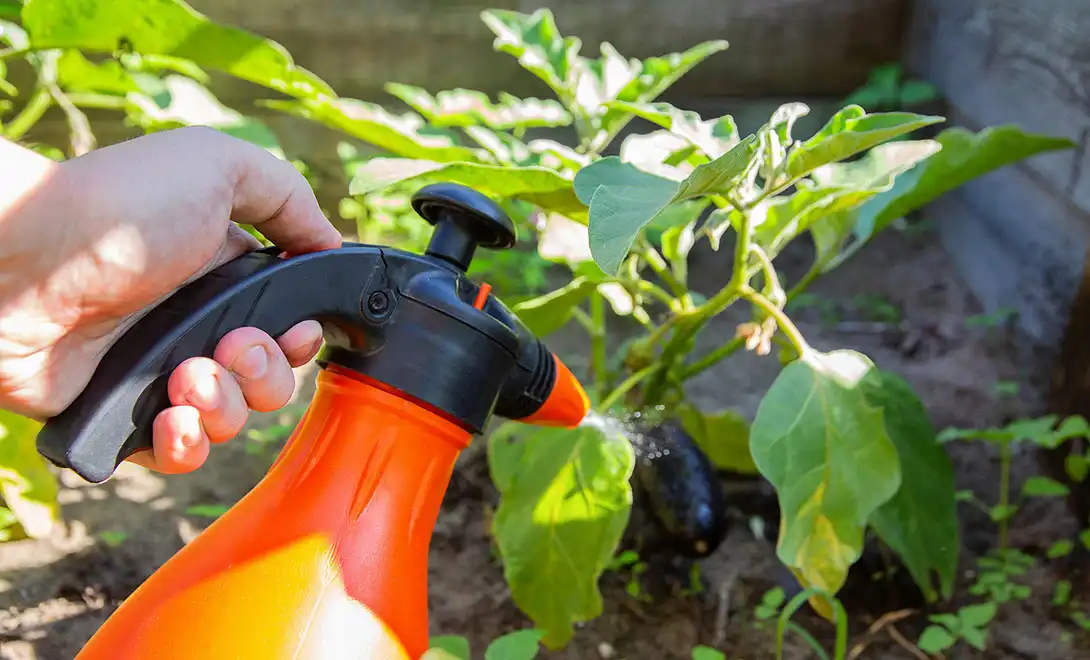
Advances in formulation technology have enabled antiviral peptides to be applied using standard agricultural equipment. Foliar spray methods allow direct contact between peptide molecules and leaf surfaces, where viral infections often initiate or spread via insect vectors. Properly formulated peptides can remain stable on leaf surfaces long enough to exert antiviral activity.
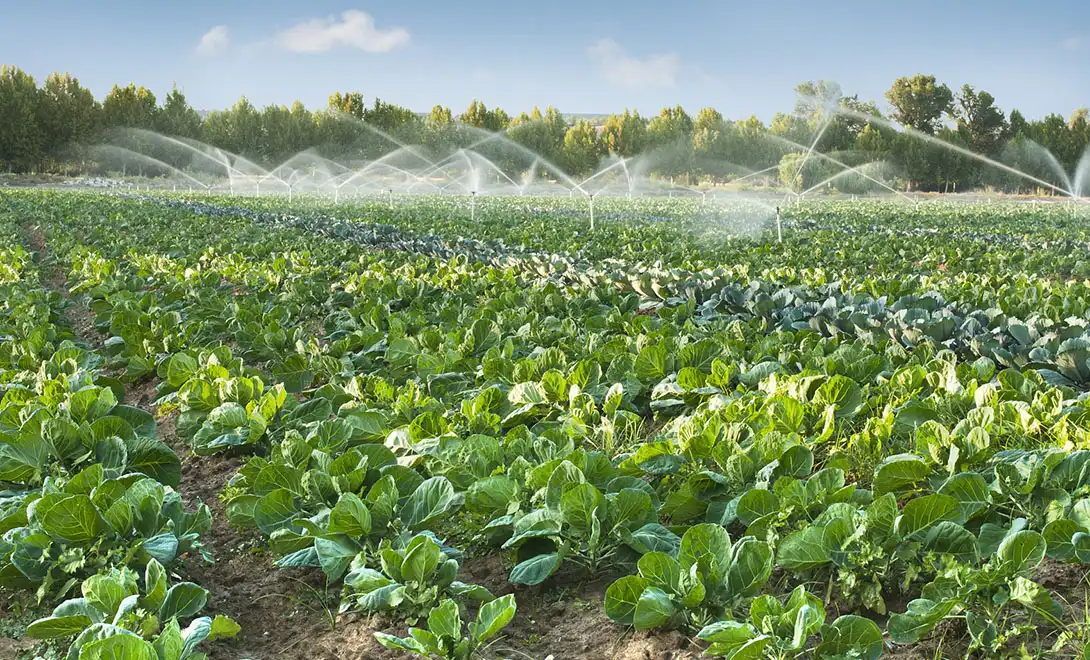
Irrigation-based delivery, including drip irrigation and fertigation systems, enables root uptake and systemic distribution of antiviral peptides. This approach is particularly effective for perennial crops, orchards, and vineyards, where irrigation infrastructure is already established. Systemic uptake supports whole-plant protection, including newly developing tissues.
High-quality antiviral peptide formulations are designed to remain compatible with fertilizers and crop protection products, maintaining homogeneity across a wide temperature range and reducing the need for separate application operations.
Technical Feasibility of Irrigation and Foliar Spray Applications
Stability Challenges and Formulation Solutions
Peptide stability is a critical factor when using spray or irrigation delivery systems. Exposure to ultraviolet radiation, extreme pH levels, enzymatic activity, and temperature fluctuations can reduce peptide bioactivity if formulations are not adequately protected.
Modern formulation strategies, including molecular size optimization, protective carriers, and stabilizing adjuvants, have addressed many of these challenges. Small-molecule peptides (≤1000 Da) demonstrate rapid absorption and improved resistance to environmental stress, making them suitable for both foliar and irrigation-based delivery.
Chloride-free formulations further enhance application safety, particularly for sensitive crops, seedlings, and aerial spraying scenarios.
Environmental and Regulatory Considerations
Environmental conditions during application influence deposition efficiency and peptide performance. Best practices typically involve applying antiviral peptides during early morning or late afternoon to reduce UV exposure and evaporation losses.
From a regulatory perspective, antiviral peptides are biodegradable and biologically derived, which generally simplifies registration compared to synthetic chemical products. Nevertheless, procurement teams must ensure compliance with local regulations, crop-specific approvals, and residue guidelines in target markets.
Procurement Considerations and Delivery Method Selection
Operational Scalability and Cost Efficiency
Foliar spray systems require appropriate spray equipment capable of delivering consistent droplet sizes and coverage. While initial equipment costs may be significant, these systems offer flexibility and scalability across multiple crop types and growing seasons. Combining antiviral peptides with routine fertilizer or pest control sprays can improve operational efficiency.
Irrigation-based delivery systems leverage existing fertigation infrastructure, making them cost-effective for permanent agricultural systems. This method reduces labor requirements and supports continuous or preventive antiviral strategies.
Performance Optimization and Supply Reliability
The source and production method of antiviral peptides influence both performance and consistency. Natural peptides derived from high-protein yeast sources offer strong biocompatibility, while advanced enzymatic hydrolysis technologies improve stability and uniformity.
When evaluating suppliers, procurement professionals should consider production capacity, batch consistency, storage stability, and technical support. Reliable supply chains and predictable quality are essential for large-scale agricultural deployment.
Company Introduction and Our Antiviral Peptide Solutions
LYS has almost 70 years of biotechnology innovation experience, based on 1951 technological underpinnings. Our devotion to agricultural biotechnology has led to breakthrough antiviral peptide compositions for contemporary crop protection.
Advanced Manufacturing Capabilities
Extensive research and development on peptide bioavailability and stability led to our patented Full-Spectrum Directed Enzymatic Hydrolysis (FSDT) technology. This unique technique can create small-molecule peptides with molecular weights ≤1000 Da, guaranteeing fast absorption and thermal stability under difficult field settings.
Nucleoside, glutathione, and yeast oligosaccharides are balanced in the LYS antiviral peptide to activate plant immune systems and boost cellular defenses. Our solutions effectively defend against Tobacco Mosaic Virus, Mosaic Virus, Yellowing Virus, and Curl Leaf Virus for a variety of agricultural applications.
Global B2B Partnership Solutions
We work together with distributors, OEM customers, and research institutes globally to streamline procurement and application. Formulation assistance, application protocol development, and supply chain optimization methods targeted to regional needs and crop protection difficulties are part of our technical consultancy services. Maintaining product homogeneity at low and high temperatures enables consistent performance in many climates and applications.
Conclusion
The use of antiviral peptides through irrigation and foliar spray methods is both technically feasible and increasingly practical in modern agriculture. Advances in formulation science have addressed traditional challenges related to peptide stability, absorption, and environmental sensitivity, enabling flexible delivery across diverse cropping systems.
Strategic selection of application methods should account for crop type, infrastructure, cost efficiency, environmental conditions, and regulatory requirements. When these factors are properly managed, antiviral peptides can play a valuable role in sustainable crop protection and integrated disease management programs.

FAQ: Common Questions About Using Antiviral Peptides via Irrigation and Foliar Spray
1. Do antiviral peptides remain active after foliar spraying?
Yes. Properly formulated antiviral peptides retain bioactivity after foliar application. Small-molecule peptides with optimized stability can adhere to leaf surfaces and be absorbed efficiently, even under variable environmental conditions.
2. What storage conditions are required to maintain peptide stability?
Antiviral peptides should be stored in cool, dry environments away from direct sunlight and extreme temperature fluctuations. Stable formulations with broad temperature tolerance simplify storage and handling across supply chains.
3. How does the choice between natural and synthetic peptides affect application efficiency?
Natural peptides generally offer higher biocompatibility and environmental safety, while synthetic peptides may provide enhanced structural stability. Natural yeast-derived antiviral peptides often demonstrate favorable synergistic effects with other biological crop protection products.
Partner with LYS for Advanced Antiviral Peptide Solutions
LYS is the primary irrigation and foliar spray antiviral peptide provider for agricultural biotechnology leaders globally. Our expansive product line includes excellent yeast-derived peptide compositions designed for current crop protection. We provide trustworthy supply chain solutions for any size enterprise with a yearly production capacity above 10,000 MT and unique FSDT technology assuring quality. Talk to Alice at alice@aminoacidfertilizer.com about how our antiviral peptide solutions may improve your crop protection strategies. Visit lyspeptide.com to see our whole product line and technical assistance for purchase choices.
References
1. Smith, J.A., Chen, L., and Rodriguez, M. (2023). "Stability and Bioactivity of Peptide-Based Crop Protection Products in Agricultural Spray Applications." Journal of Agricultural Biotechnology, 45(3), 178-192.
2. Thompson, K.R., Williams, P.D., and Kumar, S. (2022). "Comparative Analysis of Foliar versus Irrigation Delivery Systems for Bioactive Peptides in Plant Virus Management." Plant Protection Science, 38(2), 95-108.
3. Anderson, B.C., Liu, X., and Patel, N.K. (2024). "Molecular Mechanisms of Antiviral Peptide Action Against Plant RNA Viruses." Phytopathology Research, 52(1), 23-41.
4. Martinez, E.F., Johnson, R.A., and Zhang, Y. (2023). "Economic Evaluation of Peptide-Based Antiviral Programs in Commercial Agriculture." Agricultural Economics Review, 29(4), 156-171.
5. Brown, D.L., Singh, A., and Campbell, M.J. (2022). "Formulation Strategies for Enhancing Peptide Stability in Agricultural Applications." Biotechnology Advances, 67, 234-248.
6. Wilson, T.M., Davis, C.R., and Lee, H.K. (2024). "Regulatory Considerations for Peptide-Based Crop Protection Products in Global Markets." International Journal of Agricultural Regulation, 18(1), 42-58.

Tell us your needs — we’ll provide the right solution for your crops and markets.
Innovating Agriculture with Yeast-Derived Amino Acid Peptides