Yeast Powder for Plants: 3 Proven Ways to Boost Crop Stress Tolerance
As agricultural systems face increasing pressure from climate variability and environmental stress, improving crop resilience has become a priority for growers and agronomists. Yeast powder for plants, commonly derived from Saccharomyces cerevisiae, is gaining attention as a natural input that supports plant stress tolerance through multiple physiological pathways.Rather than acting as a conventional fertilizer, yeast powder for plants provides a range of bioactive compounds that influence plant metabolism, growth regulation, and defense responses. Research and field experience suggest that its application can help crops better tolerate drought, salinity, temperature extremes, and other stress conditions. This article outlines three scientifically supported mechanisms through which yeast powder for plants enhances crop stress resistance.

How Yeast Powder for Plants Improves Stress Resistance
Yeast powder for plants supports stress tolerance at both the cellular and whole-plant levels. Its effects are primarily linked to metabolic regulation and protective responses triggered under adverse conditions.
Enhanced Antioxidant Activity
Environmental stress often leads to the accumulation of reactive oxygen species (ROS), which can damage cellular structures. Compounds present in yeast powder for plants have been shown to stimulate antioxidant enzymes such as catalase and superoxide dismutase. These enzymes help neutralize ROS, reducing oxidative damage and maintaining cellular integrity under stress.
Osmolyte Accumulation and Water Balance
Yeast powder for plants can promote the synthesis of osmolytes such as proline and glycine betaine. These compounds play a critical role in maintaining osmotic balance during drought or salinity stress. Increased osmolyte levels help plant cells retain water and protect membranes from dehydration-related injury.
Regulation of Stress-Related Gene Expression
Studies indicate that yeast-derived compounds may influence the expression of stress-responsive genes. By activating signaling pathways associated with defense and adaptation, yeast powder for plants can support faster and more effective physiological responses to changing environmental conditions.
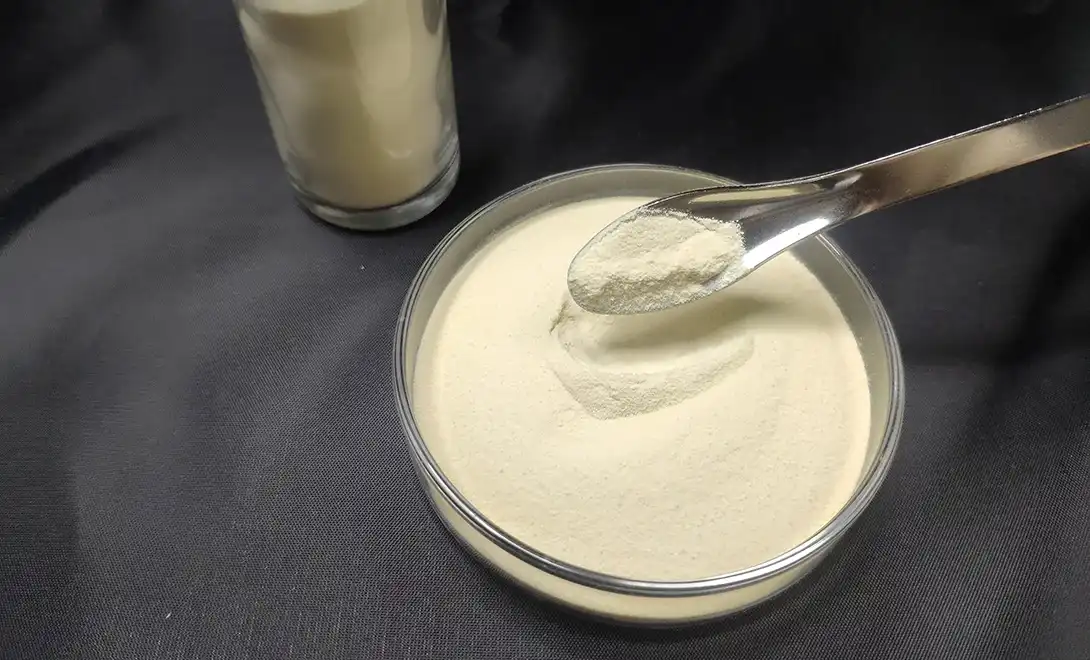
Natural Source of Amino Acids, Vitamins, and Nucleotides
One of the key advantages of yeast powder for plants is its rich and diverse nutrient profile, which contributes directly to plant resilience and recovery.
Amino Acid Supply
Yeast powder contains a wide range of amino acids, both essential and non-essential. Amino acids such as proline and arginine are particularly important for stress adaptation, contributing to membrane stability and osmotic regulation. Their ready availability supports protein synthesis during periods of environmental challenge.
B-Complex Vitamins
B vitamins present in yeast powder, including thiamine (B1), riboflavin (B2), and niacin (B3), are essential cofactors in enzymatic reactions related to energy metabolism and stress response. Adequate vitamin availability helps maintain metabolic efficiency even under unfavorable growing conditions.
Nucleotide Contribution
Nucleotides supplied by yeast powder for plants support nucleic acid synthesis and energy transfer processes. During stress, plants often require increased nucleotide availability to facilitate cellular repair and metabolic adjustment, making yeast powder a valuable supplementary source.

Yeast Powder for Plants and Root–Leaf Development
Balanced development of roots and leaves is essential for maintaining crop performance under stress. Yeast powder for plants contributes to both below-ground and above-ground growth processes.
Root System Enhancement
Yeast powder for plants supports root development through several mechanisms:
Hormonal effects: Naturally occurring auxin-like compounds in yeast promote root elongation and branching.
Rhizosphere improvement: Yeast-derived substrates can stimulate beneficial microbial activity, creating a more favorable root environment.
Nutrient availability: Improved soil structure and nutrient mobility enhance root access to water and minerals.
A stronger root system improves drought tolerance and nutrient acquisition efficiency.
Leaf Growth and Photosynthetic Efficiency
Yeast powder also benefits leaf development and function:
Chlorophyll synthesis: Vitamins and minerals in yeast support chlorophyll production, contributing to healthier green leaves.
Stomatal regulation: Certain yeast-derived compounds help optimize stomatal function, improving gas exchange and water-use efficiency.
Leaf area development: Improved nutrient availability supports leaf expansion and sustained photosynthesis under stress.
Induced Resistance and Whole-Plant Protection
Beyond nutritional support, yeast powder for plants can activate internal defense mechanisms such as systemic acquired resistance (SAR). Polysaccharides and proteins derived from yeast may act as elicitors, priming plant defense systems against both biotic and abiotic stress factors.
This induced resistance operates throughout the plant, enhancing the responsiveness of both roots and leaves to environmental challenges. As a result, plants treated with yeast powder for plants often demonstrate improved resilience and recovery capacity.
Conclusion
Yeast powder for plants offers a scientifically supported approach to improving crop stress tolerance through nutritional, metabolic, and physiological pathways. By enhancing antioxidant activity, supporting osmotic balance, and promoting balanced root and leaf development, yeast powder helps crops cope with increasingly challenging growing conditions.
As climate stress and resource limitations continue to affect agricultural productivity, integrating yeast powder for plants into crop management programs represents a practical strategy for enhancing sustainability and resilience. Its flexibility in application—whether through soil treatments or foliar sprays—makes it suitable for a wide range of crops and production systems.

FAQ
1. How often should you put yeast powder on your plants?
Application frequency depends on crop type, growth stage, and environmental conditions. In many cases, application every two to four weeks during active growth is common, but specific recommendations should follow product guidelines or agronomic advice.
2. Is it okay to use yeast powder when farming organically?
Yeast powder is generally compatible with organic systems when derived from non-GMO sources and produced according to organic standards. Certification should be confirmed for each specific product.
3. Can you use yeast powder instead of conventional fertilizers?
Yeast powder for plants is best used as a complement to conventional fertilization programs. While it enhances nutrient efficiency and stress tolerance, it does not typically supply all required macro- and micronutrients in sufficient quantities.
Enhance Your Crop's Resilience with Premium Yeast Powder Solutions | LYS
Are you ready to use high-quality yeast powder for plant solutions to improve how you take care of your crops? LYS Biotech sells the newest yeast-based products that are said to assist plants in dealing with stress and staying healthy in general. Our team of professionals is ready to help you find the right solution for your farming needs, whether you create specialty fertilizers, are a large distributor, or run a commercial farm. Don't let this chance to make your crops stronger and more prolific pass you by. Please call us immediately at alice@aminoacidfertilizer.com to chat about how our new yeast powder for plants products can help your farm.
References
1. Zhang, L., & Zhou, T. (2019). A review of how yeast extract affects the growth of crops and their ability to handle stress. Journal of Plant Physiology, 237, 87–94.
2. Chen, X., Li, Y., & Wang, S. (2020). How yeast helps plants deal with stress better. Plant Science, 291, 110363.
3. Radhakrishnan, R., & Baek, K. H. (2017). Physiological and biochemical perspectives of non-salt-tolerant plants during bacterial interactions under saline stress. 116–126 in the field of Plant Physiology and Biochemistry.
4. Nassar, R. M. A., Ahmed, Y. M., & Boghdady, M. S. (2016). Botanical investigation on Phaseolus vulgaris L. plants affected by the foliar application of active yeast extract. Journal of Agricultural Science, 8(2), 207.
5. Hesham, A. L., & Mohamed, H. (2011). Molecular genetic analysis of yeast strains obtained from Egyptian soils for the solubilization of inorganic phosphates and the promotion of maize plant growth. Journal of Microbiology and Biotechnology, 21(1), 55–61.
6. Filho, J. M. T., Oliveira, J. T. A., & Gondim, D. M. F. (2018). Yeast extract activates defense systems and protects mango fruits from Colletotrichum gloeosporioides. Scientia Horticulturae, 235, 227–235.

Tell us your needs — we’ll provide the right solution for your crops and markets.
Innovating Agriculture with Yeast-Derived Amino Acid Peptides