Yeast Nutrient in Agriculture: Boosting Soil Health and Crop Resilience Naturally
In the rapidly evolving agricultural landscape, growers and agronomists are increasingly seeking solutions that improve crop productivity while preserving environmental integrity. Among emerging biological inputs, yeast nutrient has gained attention as a natural and functional tool for enhancing soil health and strengthening crop resilience.Derived primarily from Saccharomyces cerevisiae, yeast nutrient contains a wide range of biologically active compounds, including organic carbon sources, amino acids, enzymes, and cell wall components. Rather than acting solely as a nutrient source, yeast nutrient supports soil biology and plant physiological processes, aligning well with the principles of regenerative and sustainable agriculture.This article explores how yeast nutrient influences soil ecosystems, supports root development and nutrient uptake, and compares its long-term role with that of conventional synthetic fertilizers.


How Yeast Nutrient Improves Soil Biology
Stimulating Microbial Activity and Diversity
One of the most significant effects of yeast nutrient is its ability to stimulate beneficial soil microorganisms. Yeast-derived organic compounds serve as readily available substrates for bacteria and fungi, promoting microbial growth and metabolic activity.
A more active microbial community accelerates the decomposition of organic residues, enhances nutrient mineralization, and improves nutrient availability in the rhizosphere. This biological stimulation supports a dynamic soil environment that benefits plant growth beyond direct nutrient supply.
Enhancing Soil Structure and Water-Holding Capacity
As microbial populations increase, they contribute to the formation of stable soil aggregates through the production of polysaccharides and other binding agents. Improved aggregation enhances soil porosity, aeration, and water infiltration.
Better soil structure also improves the soil’s ability to retain moisture, which is particularly valuable under drought-prone conditions. These physical improvements allow roots to penetrate deeper soil layers and access water and nutrients more efficiently.
Increasing Soil Organic Matter
Yeast nutrient contributes organic inputs that are transformed by soil microorganisms into stable organic matter. Over time, this process improves soil fertility, cation exchange capacity, and nutrient buffering ability.
Higher organic matter levels are closely associated with long-term soil health, improved nutrient cycling, and greater resilience against erosion and environmental stress.
Benefits for Root Growth and Nutrient Uptake
Supporting Root Development
Yeast nutrient contains compounds with auxin- and cytokinin-like activity that support root initiation and elongation. These natural growth regulators encourage the formation of lateral roots and root hairs, increasing the overall surface area of the root system.
A more extensive root network allows plants to explore a larger soil volume, improving access to water and nutrients and enhancing overall plant stability.
Improving Nutrient Solubility and Availability
Enzymes and organic acids present in yeast nutrient can help mobilize nutrients that are otherwise poorly available to plants, such as phosphorus and certain micronutrients. This is especially beneficial in soils where nutrients are chemically bound or present in insoluble forms.
By improving nutrient solubility, yeast nutrient enhances nutrient-use efficiency and reduces the risk of hidden deficiencies.
Enhancing Internal Nutrient Transport
Amino acids and small peptides in yeast nutrient facilitate nutrient transport within plant tissues by forming complexes with micronutrients. This improved internal mobility helps ensure balanced nutrient distribution, supporting uniform growth and metabolic activity throughout the plant.
Yeast Nutrient Compared with Synthetic Fertilizers
Environmental Impact
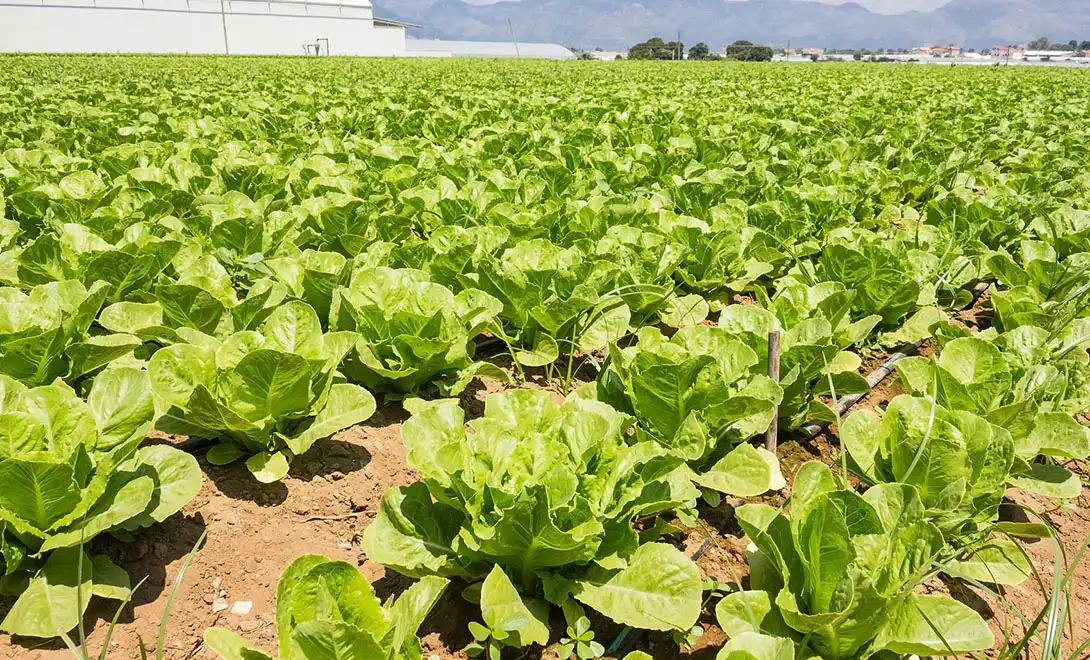
Compared with synthetic fertilizers, yeast nutrient has a lower environmental footprint. It is biodegradable and works in harmony with soil biological processes rather than disrupting them. In contrast, excessive use of synthetic fertilizers can contribute to nutrient leaching, water contamination, and soil degradation.
Yeast nutrient supports gradual, biologically mediated improvements rather than rapid but short-lived nutrient release.
Nutrient Uptake Efficiency
While synthetic fertilizers supply nutrients in readily available forms, they are often susceptible to losses through volatilization or leaching. Yeast nutrient improves nutrient uptake indirectly by enhancing soil structure and microbial activity, resulting in more efficient and sustained nutrient availability.
This biological approach reduces nutrient waste and supports more consistent plant nutrition.
Long-Term Soil Health
Long-term reliance on synthetic fertilizers may negatively affect soil pH, microbial diversity, and organic matter levels. In contrast, yeast nutrient promotes soil biological balance and organic matter accumulation, contributing to healthier and more resilient soils over time.
Cost Considerations
Although yeast nutrient may appear more costly than some conventional fertilizers in the short term, its long-term benefits—improved soil fertility, reduced input dependency, and enhanced crop resilience—can lead to improved economic returns over time.
Conclusion
Yeast nutrient represents a natural and scientifically grounded approach to improving soil health and crop resilience. By stimulating soil biology, supporting root development, and enhancing nutrient efficiency, it offers a valuable complement to conventional fertilization strategies.
As agriculture continues to transition toward more sustainable and resilient systems, yeast nutrient is expected to play an increasingly important role in integrated soil and crop management programs. When applied appropriately, it can contribute to long-term productivity, environmental stewardship, and stable crop performance.
Ongoing research and field validation will further refine best practices for yeast nutrient use, helping growers adapt to evolving agronomic and environmental challenges.
FAQ
1. When will I get results after applying yeast nourishment to my plants?
A lot of farmers state that their plants and soil are healthier and stronger after using the product for 2 to 4 weeks; however, the outcomes can be different depending on the crop and the weather. But it can take a few growing seasons before the full impacts of yeast nutrient, notably on soil structure and long-term fertility, are seen.
2. Is it okay to utilize yeast nutrients on organic farms?
Yes, you can use a lot of yeast nutritional items in organic gardening. You should check the specific certification requirements in your area and make sure that the product you buy fits organic standards.
3. Is it possible to use yeast nutrients in place of all the synthetic fertilizers I use on my farm?
Yeast nutrients are good for you in many ways, but they function best when you use them as part of a plan to manage all of your nutrients. They can considerably cut down on the requirement for synthetic fertilizers, but whether or not they can totally replace them may depend on the needs of the soil and the crops. An agronomist can help you find the right balance for your situation.
Innovative Yeast Nutrient Solutions for Sustainable Agriculture | LYS
Want to revolutionize how you farm with the newest yeast nutrient solutions? If you want to farm in an environmentally responsible way, you can trust LYS Biotech. We provide a wide range of high-quality yeast nutrient products that are supposed to naturally improve the health of the soil, make crops more resistant, and boost overall production. We know a lot about yeast enzyme technology and are continually exploring new ways to do things, so we can make tailored solutions for farmers, distributors, and manufacturers. Use LYS on your crops today and see how they change. Email us at alice@aminoacidfertilizer.com to find out how our yeast nutritional solutions may help your farm and business grow in a way that lasts.
References
1. Smith, J.A., et al. (2022). "A comprehensive examination of yeast-derived biostimulants in contemporary agriculture." Journal of Soil Science and Plant Nutrition, 22(3), 1021–1045.
2. Chen, L., et al. (2021). "How using yeast extract changes soil microbial communities and crop yield." Applied Soil Ecology, 168, 104142.
3. Rodriguez, H., & Fraga, R. (2019). "Microorganisms that break down phosphate and help plants grow." Biotechnology Advances, 17(4–5), 319–339.
4. García-Martínez, A.M., et al. (2020). "Comparative effects of synthetic and organic fertilizers on soil microbial diversity and crop yield." Frontiers in Microbiology, 11, 1523.
5. Calvo, P., et al. (2018). "Plant biostimulants utilized in agriculture." Plant and Soil, 383(1–2), 3–41.
6. Wang, Y., et al. (2023). "Yeast-based biofertilizers: A long-term way to make the soil healthier and the crops grow better." Plant Science Trends, 28(5), 489–504.

Tell us your needs — we’ll provide the right solution for your crops and markets.
Innovating Agriculture with Yeast-Derived Amino Acid Peptides