Customizing Your Nutrient Mix: The Flexibility of Powder Fertilizer Formulas
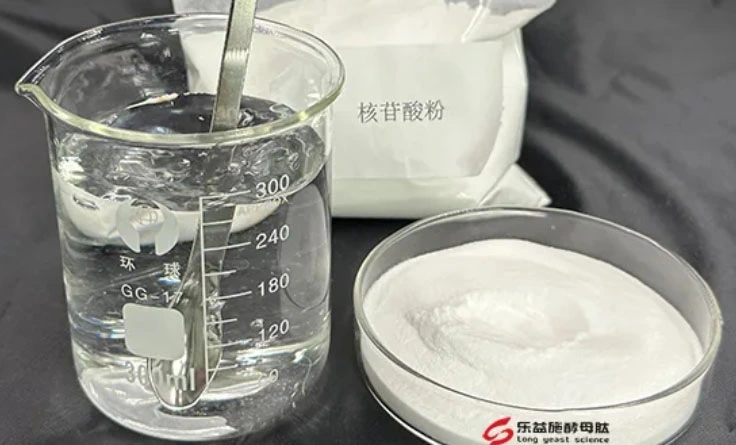
Precision nutrient management has become a core requirement in modern agriculture, where crop performance, resource efficiency, and environmental responsibility must be carefully balanced. Powder fertilizers offer a highly flexible solution, allowing growers and agronomists to customize nutrient programs according to crop type, soil conditions, and growth stages.Unlike pre-formulated liquid products, powder fertilizers provide greater control over nutrient composition and concentration. Their versatility enables tailored nutrient strategies that support plant growth, improve stress tolerance, and enhance overall productivity across a wide range of farming systems. This article explores the key advantages of powder fertilizers, the principles behind designing balanced nutrient and amino acid blends, and best practices for dissolution and application.
Advantages of Powder Fertilizers for Custom Mixing
Precise Nutrient Control
One of the main benefits of powder fertilizers is the ability to precisely measure and adjust individual nutrients. Growers can formulate nutrient blends based on soil test results and crop-specific requirements at different growth stages. This level of precision supports more efficient nutrient use and reduces the risk of over- or under-application.
Customized nutrient ratios are particularly valuable for high-value crops and intensive production systems, where nutrient balance directly influences yield and quality.
Cost-Effective Storage and Transportation
Powder fertilizers are generally more concentrated than liquid formulations, making them easier and more economical to store and transport. Reduced volume and weight lower logistical costs while minimizing packaging requirements. These characteristics also contribute to improved shelf stability, especially in regions with limited storage infrastructure.
Versatile Application Methods
Powder fertilizers can be applied using multiple methods, including foliar spraying, drip irrigation, fertigation, and soil application. This adaptability allows growers to select the most suitable delivery method based on crop growth stage, weather conditions, and irrigation systems.
Such flexibility makes powder fertilizers compatible with both small-scale farms and large commercial operations.
Rapid Nutrient Availability
Most powder fertilizer formulations are designed for rapid and complete dissolution in water. Once applied, nutrients become readily available for plant uptake, supporting quick responses during critical growth stages or periods of nutrient deficiency. This rapid availability is particularly useful when crops require immediate nutritional support.
Designing Balanced Fertilizer and Amino Acid Blends
Assessing Soil and Crop Nutrient Requirements
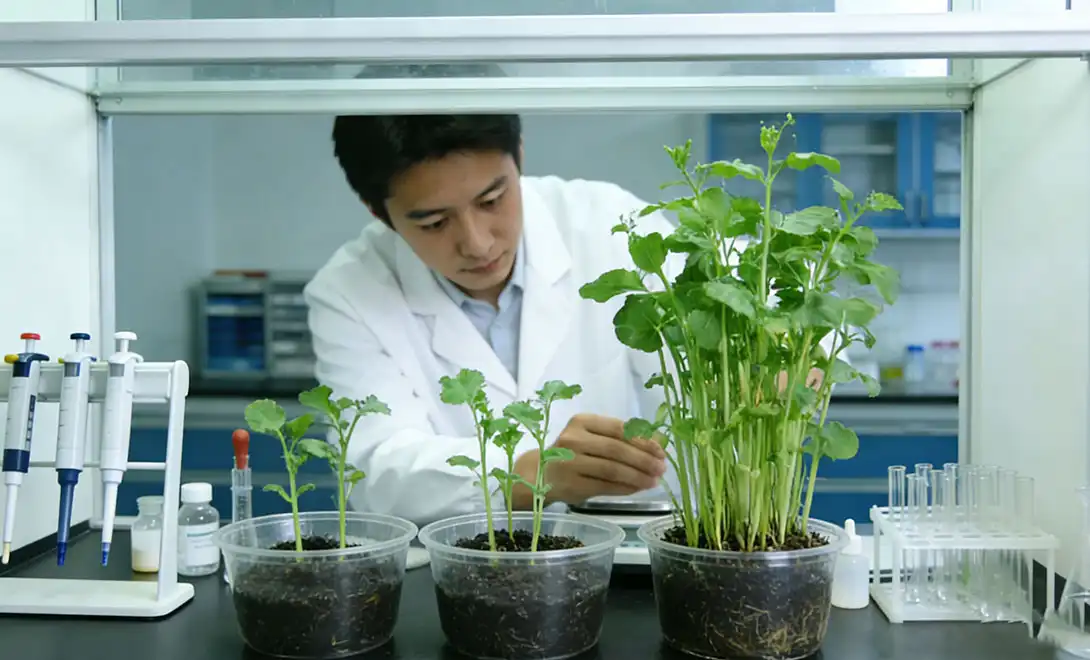
Effective formulation begins with understanding soil nutrient status and crop-specific demands. Soil analysis and crop monitoring provide essential data for determining which nutrients are required and in what proportions. This information forms the foundation of a balanced and efficient nutrient mix.
Selecting Compatible Ingredients
Compatibility between different fertilizer components is critical when designing custom blends. Certain nutrients may react with each other, reducing solubility or availability. For example, calcium-based fertilizers should be carefully managed when combined with phosphates or sulfates to avoid precipitation issues.
Selecting compatible ingredients ensures stability and effectiveness of the final solution.
Incorporating Amino Acids
Amino acids can be added to powder fertilizer formulations to support nutrient uptake and enhance plant stress tolerance. When properly selected, amino acid powders are compatible with mineral fertilizers and can improve nutrient efficiency by facilitating transport and metabolism within the plant.
Their inclusion is particularly beneficial under stress conditions such as temperature extremes or nutrient imbalance.
Maintaining Correct Nutrient Ratios
Accurate calculation of nutrient ratios is essential for consistent results. Manufacturer specifications and nutrient analysis data should be used to determine appropriate inclusion rates for each component. Maintaining correct proportions helps avoid nutrient antagonism and ensures balanced plant nutrition.
Managing Micronutrient Supply
Although required in small quantities, micronutrients play a vital role in plant metabolism. Powder fertilizers allow precise dosing of trace elements such as boron, manganese, and zinc, helping prevent hidden deficiencies that may limit crop performance.
Guidelines for Dissolution and Application
Water Quality Considerations
Clean, high-quality water should always be used when dissolving powder fertilizers. Impurities or excessive hardness can affect solubility and nutrient availability. In some cases, water conditioning may be necessary to prevent nutrient precipitation.
Proper Mixing Sequence
To achieve complete dissolution, powder fertilizers should be added gradually to water while mixing continuously. Components with higher solubility should be added first, followed by those that dissolve more slowly. Each ingredient should be fully dissolved before the next is introduced.
pH Adjustment
The pH of the final nutrient solution should be checked and adjusted if necessary to ensure optimal nutrient availability. Most crops respond well to solutions that are slightly acidic to neutral, depending on the nutrients involved.
Equipment Calibration and Monitoring
Application equipment such as sprayers and fertigation systems must be properly calibrated to deliver nutrients evenly and accurately. Regular monitoring of crop response and soil conditions allows timely adjustments to nutrient formulations throughout the growing season.

Conclusion
The flexibility of powder fertilizers enables growers to develop nutrient programs tailored to specific crops, soils, and environmental conditions. By allowing precise nutrient control, compatibility with amino acids, and multiple application methods, powder fertilizer formulations support more efficient and sustainable crop nutrition strategies.
When combined with proper formulation practices and careful application, powder fertilizers can improve crop health, enhance nutrient-use efficiency, and support environmentally responsible farming systems. As agriculture continues to evolve, customizable nutrient solutions will play an increasingly important role in meeting both productivity and sustainability goals.
FAQ
1. How long do powdered fertilizers stay good compared to liquid fertilizers?
Powder fertilizers usually last longer than liquid fertilizers. If you store powder fertilizers in a cool, dry place, they will last a long time. On the other hand, liquid fertilizers have bacteria or chemicals in them that could grow or react with each other. This means they might not last as long.
2. Can you use powdered fertilizers on farms that grow organic foods?
Yes, many powdered fertilizers are safe to use on organic farms. You should, however, check to see if the product is certified for organic use and meets the organic guidelines in your area. Before utilizing it in organic systems, always read the label and check the certification.
3. What do you need to do to stay safe when you use powdered fertilizers?
When using powder fertilizers, always wear the right personal protection equipment (PPE). This includes masks for dust, gloves, and eye protection. Don't breathe in dust while you work. Check to see that the air flows well. Stay away from water and sunshine when using powders. Put them in containers that are sealed instead. To keep it safe, follow the manufacturer's instructions on how to store and handle it.
Expert Powder Fertilizer Solutions for Precision Agriculture | LYS
Are you ready to change the way you eat by using customized powder fertilizer? LYS Biotech makes the most advanced formulas that are created to fit the needs of your crops and how they grow. Our experts can help you build your own fertilizer plans that will give you the best quality, quantity, and long-term use. Try a diet that is more specific to you instead of one that works for everyone, and notice how much better you feel. Email us at alice@aminoacidfertilizer.com if you want to learn more about how our innovative powder fertilizer technology can change the way you farm.
Reference
1. Johnson, A. R., and Smith, B. T. (2023). Improvements in powder fertilizer technology for precision farming. Journal of Agricultural Innovation, 45(2), 78–92.
2. Garcia, M. L., and others (2022). Making custom powder fertilizer blends that help plants get more nutrients. Soil Science and Plant Nutrition, 67(4), 301–315.
3. Thompson, R. K. (2021). A Study on the Role of Amino Acids in Improving Nutrient Absorption. 159, 112–126 in Plant Physiology and Biochemistry.
4. Chen, Y., & Wang, X. (2023). A comparative study of powdered and liquid fertilizers in hydroponic systems. HortScience, 58(3), 423–437.
5. Patel, S. V., et al. (2022). Assessing the Environmental Consequences of Tailored Fertilizer Programs in Extensive Agriculture. Sustainability, 14(8), 4567.
6. Rodriguez, C. M., & Lee, J. H. (2023). A cost analysis of employing customized powdered fertilizer formulas in agricultural production. Agricultural Economics Review, 41(2), 189–203.

Tell us your needs — we’ll provide the right solution for your crops and markets.
Innovating Agriculture with Yeast-Derived Amino Acid Peptides