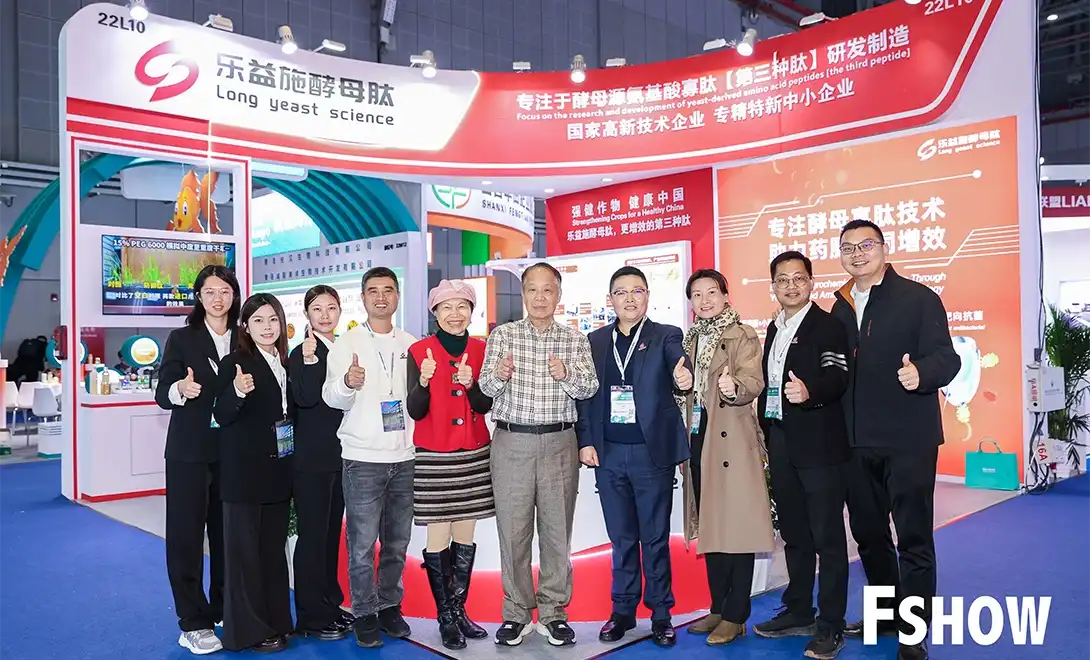
Yeast Enzymatic Hydrolysate: The Science Behind Stronger Crops
Modern agriculture faces increasing pressure from climate variability, soil degradation, and the need for more efficient nutrient management. Yeast Enzymatic Hydrolysate is gaining attention as a functional agricultural raw material. Produced through controlled enzymatic hydrolysis of yeast, it contains amino acids, peptides, nucleotides and other naturally occurring yeast-derived components.Yeast hydrolysates can provide organic nitrogen and bioactive compounds for agricultural formulations. Their value depends on raw material quality, hydrolysis technology, molecular composition, and application conditions.For fertilizer manufacturers, agrochemical companies and distributors, understanding these characteristics is essential when evaluating yeast-derived ingredients for product development.
What is Yeast Enzymatic Hydrolysate and How is it Made?
Yeast Enzymatic Hydrolysate is produced by breaking down yeast proteins and other cellular components through controlled enzymatic processes.Commonly used yeast species include Saccharomyces cerevisiae, which contains proteins, amino acids, nucleotides, and other valuable cellular constituents.Compared with conventional yeast extracts or autolysates, enzymatic hydrolysis allows manufacturers to control protein breakdown and develop specific peptide compositions.
The Enzymatic Hydrolysis Process
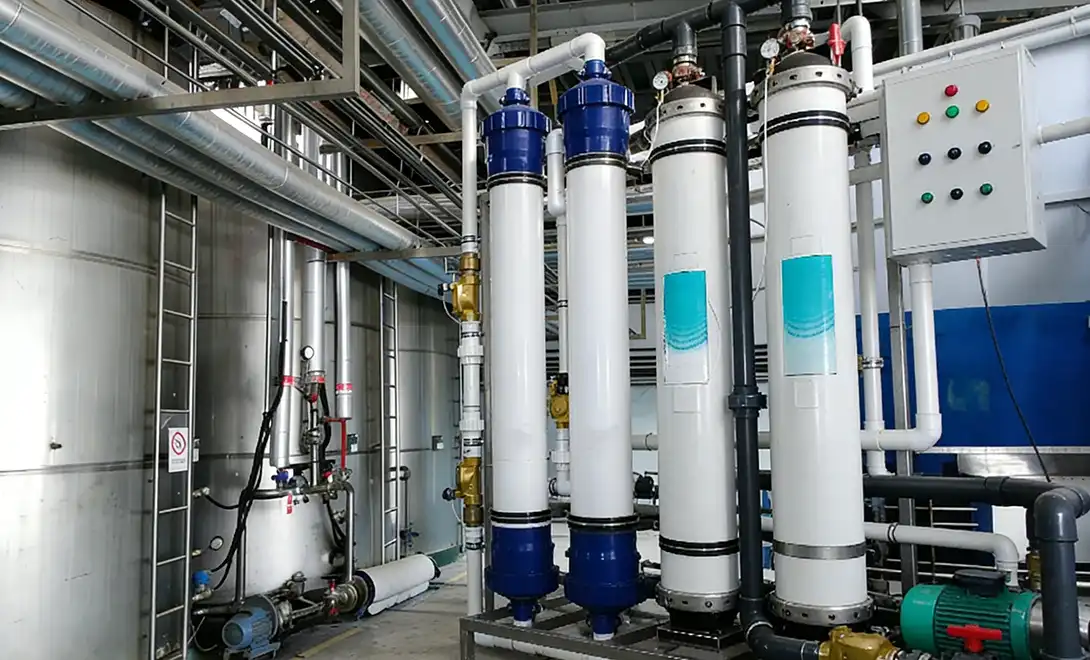
The production process begins with the selection of suitable yeast raw materials. The yeast cells are processed to release their intracellular components, followed by enzymatic hydrolysis under controlled conditions.Selected enzymes break down proteins into smaller peptides and free amino acids. By adjusting enzyme selection, temperature, pH, and hydrolysis time, manufacturers can influence the molecular weight distribution and composition of the final product.
LYS Biotech applies its FSDT Full-Spectrum Directed Enzymolysis Technology to develop yeast-derived agricultural ingredients.This technology focuses on controlling the hydrolysis process and producing functional peptide fractions suitable for fertilizer and biostimulant formulations.For agricultural applications, molecular weight distribution is an important quality parameter. Products containing a high proportion of peptides below 1,000 Da are particularly important for developing highly effective agricultural formulations.Additionally, peptide composition, application method, and crop conditions also influence the final response.
Quality Control and Safety Standards
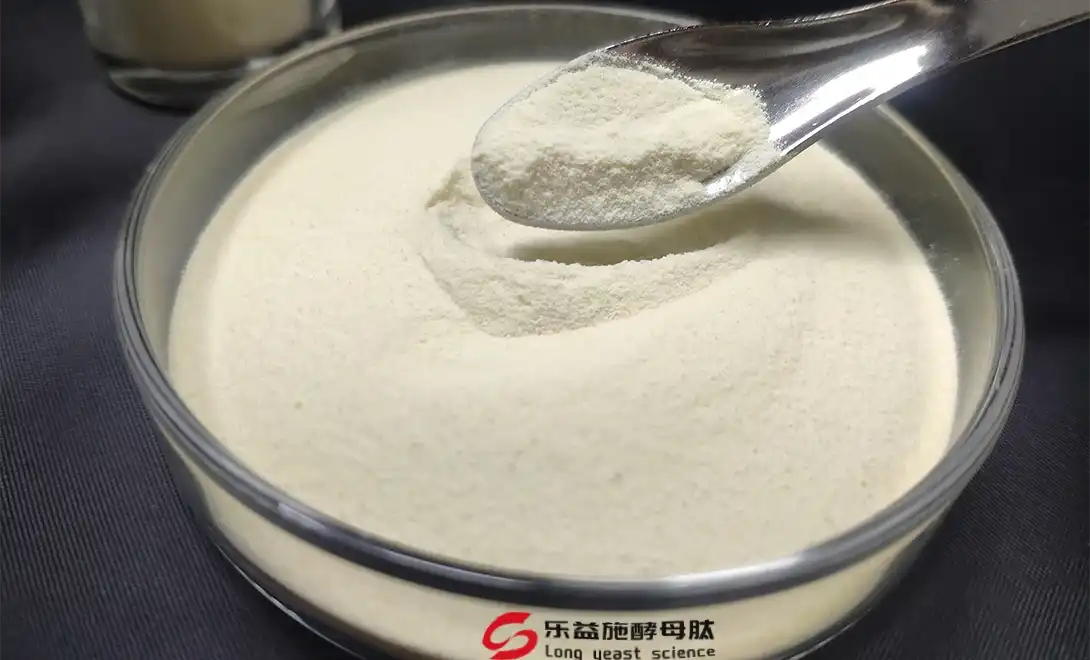
Tough quality control rules make sure that the end product meets the highest standards for agriculture around the world. Pathogen testing for Salmonella and E. coli is done on premium Yeast Enzymatic Hydrolysate, as well as heavy metal testing to make sure that organic growing standards are being followed. As a result, a light yellow to brown hygroscopic powder is made that dissolves completely in water and doesn't leave behind any sediment that could block precision watering systems.
Unlike yeast extracts or autolysates, Yeast Enzymatic Hydrolysate has specific nucleotide content that is usually 5% or higher. These nucleotides serve as biomarkers of real yeast origin. These molecules are very important for how plant cells divide and how they react to stress.
The Benefits of Yeast Enzymatic Hydrolysate for Crop Growth
Yeast Enzymatic Hydrolysate solutions solve several health and environmental problems at the same time. These beneficial mixtures are useful for farming in many ways besides just feeding animals.
Metabolic Support and Stress Resilience
A lot of cellular energy is used when plants make amino acids and proteins from basic nitrogen sources. By giving ready-to-use amino acids, Yeast Enzymatic Hydrolysate skips these energy-intensive steps. This metabolic edge speeds up growth processes and makes much better use of nutrients.
Yeast peptides have a lot of proline, which makes plants' defenses work against abiotic pressures. When trees are hit with drought or saline-alkaline soils, the buildup of proline helps keep cell turgor and enzyme processes safe. Nucleotides in the formula cause cells to divide quickly, which is especially helpful during the healing from transplant stress or frost damage.
Soil Health and Microbial Stimulation
Adding peptides made from Yeast Enzymatic Hydrolysate to soil has a prebiotic effect that feeds good bacteria like Bacillus strains and mycorrhizal fungi. This bacterial activity heals soil that has been worn down by years of using too much chemical fertilizer. Nutrient cycling is better when there are more microbes, which means that plant roots can get more nitrogen, phosphorus, and vitamins. This biological activation is very important for recovering long-term production in soils that have been damaged.
Quality Yeast Enzymatic Hydrolysate usually has more than 60% organic matter by weight, which helps improve the structure of the soil and keep water in it. In field tests with vegetable products, growers saw changes in the soil's ability to hold together and become less compact within two growing seasons.
Versatile Application Across Farming Systems
Yeast Enzymatic Hydrolysate can be mixed with water completely, which means it can be used with current precision farming methods. These goods can be used in fertigation programs by greenhouse owners without clogging drip emitters, which is a common issue with fish emulsions or rough humic substances. Applying it to the leaves three to five days before a stress event is expected sets off the plant's defenses, making it much more resistant to damage.
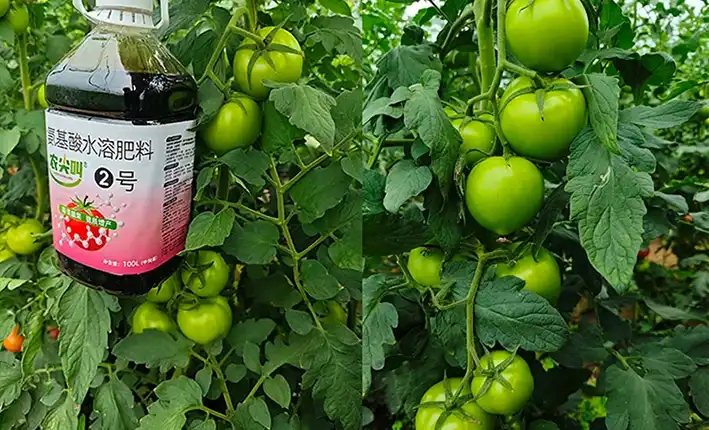
When yeast peptides are added to feeding plans for high-value crops like grapes, citrus, and tomatoes, the sugar content and consistency of the food always improve. The chloride-free formula makes sure that plants are safe and lets the product be used for seed coating, which increases its usefulness in a wider range of farming situations.
Practical Guide for Procurement and Use of Yeast Enzymatic Hydrolysate
To successfully add Yeast Enzymatic Hydrolysate to farming supply lines, it is important to pay attention to the rules for where to get it and how to handle it.
Selecting Reliable Manufacturing Partners
Suppliers you can trust will give you clear scientific information like amino acid profiles, peptide molecular weight distributions, and quality guarantees from a third party. Companies that have their own enzyme hydrolysis technology, especially those that have been working in biotechnology for decades, can consistently make high-quality products.
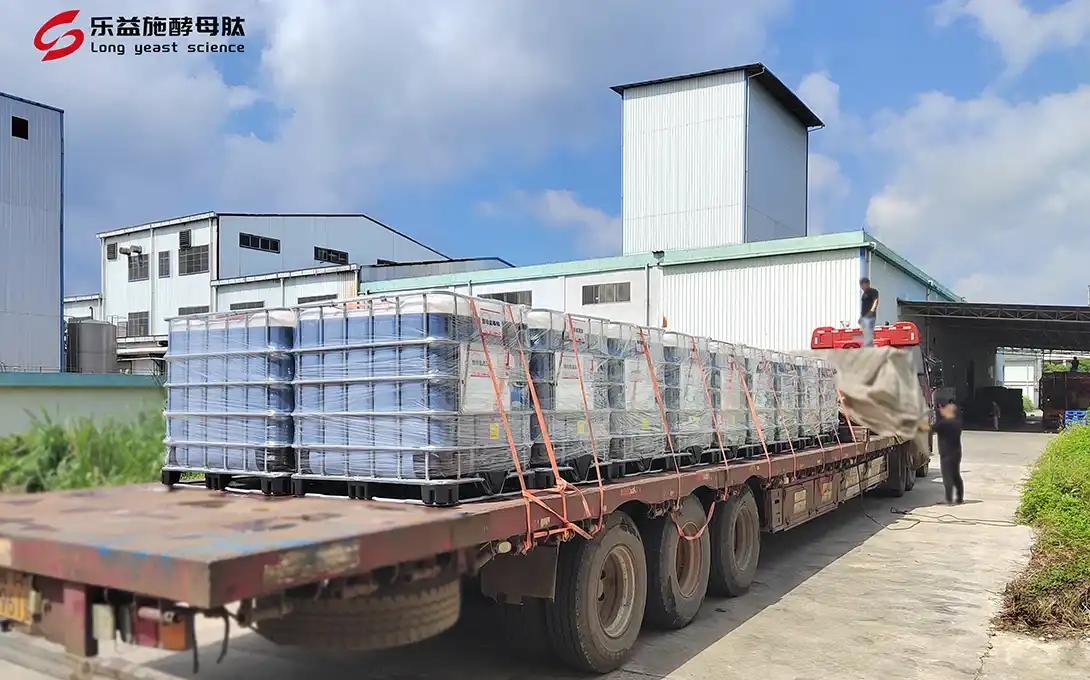
When delivery networks are expanded, the amount of goods that can be delivered is important. Suppliers with factories that make more than 10,000 metric tons of goods a year show that they have the infrastructure needed for reliable long-term supplier agreements. This output scale also shows that quality control systems are in place and that regulations are being followed in a number of export markets.
Bulk Purchasing and Customization Options
Agricultural manufacturers and distributors often require different supply arrangements.Standard raw materials are suitable for customers with established formulation capabilities. Customized ingredients may be more appropriate for companies developing products with specific peptide profiles or concentration requirements.
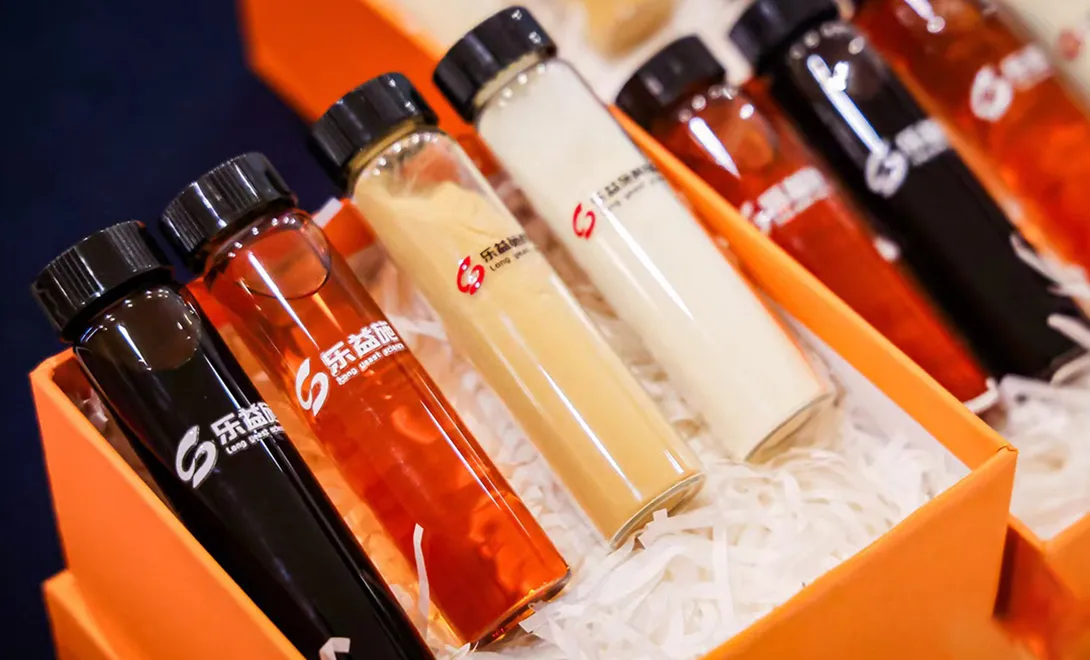
LYS Biotech provides several cooperation options for agricultural customers.Our standard raw material range includes YPP-70 and YPP-40 yeast peptide powders, as well as YPO-400 yeast peptide liquid.For customers with specific formulation requirements, customized enzymatic hydrolysis and processing can be explored.LYS also provides finished agricultural products and OEM/ODM cooperation, helping customers develop differentiated fertilizer and biostimulant product lines.
When discussing customization, buyers should clearly define the intended crop, application method, target concentration, formulation conditions, and required analytical specifications.This information helps establish a more practical development plan.
Practical Applications and B2B Formulation Opportunities
Yeast Enzymatic Hydrolysate can be used as a functional ingredient in agricultural formulations for different crop management needs.Rather than treating it as a replacement for conventional fertilizers, formulators can evaluate its role as a complementary ingredient.
Greenhouse Vegetable Operations
Greenhouse vegetables require carefully managed nutrition throughout the growing cycle.Yeast-derived amino acids and peptides can be incorporated into foliar or fertigation products designed to complement conventional nutrient programs.For formulators, important considerations include solubility, injection concentration, compatibility with calcium and micronutrients, and stability under greenhouse conditions.
Citrus and Orchard Applications
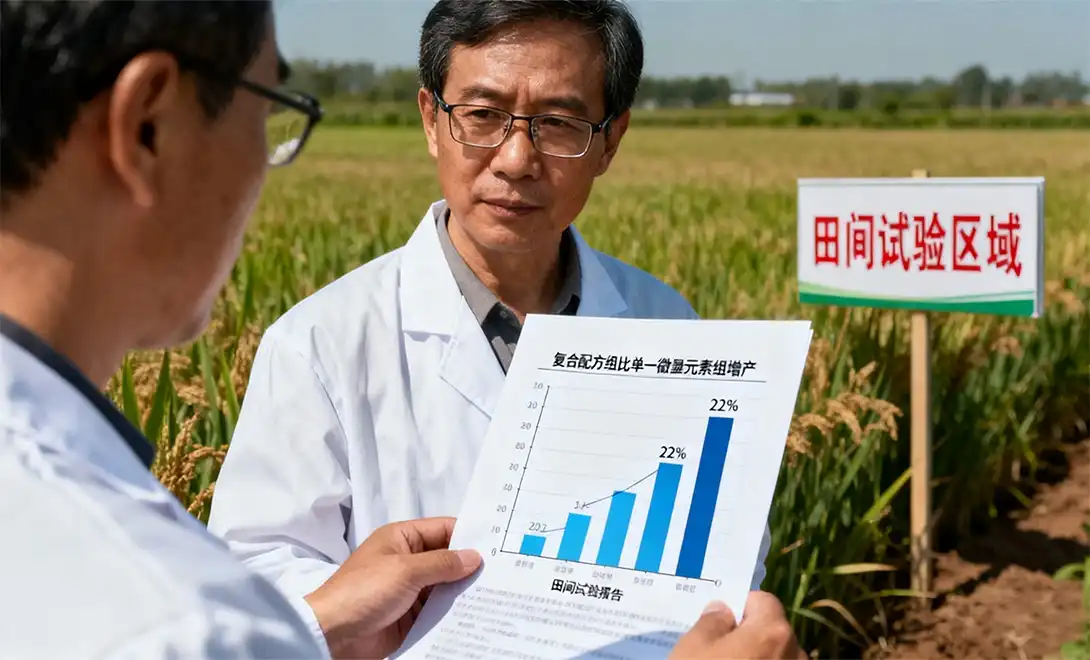
Citrus, grapes, and other orchard crops may experience drought, heat, and fluctuations in nutrient availability.Peptide-containing biostimulant formulations can be explored as part of integrated crop management programs.Field trials should evaluate practical indicators such as plant vigor, fruit development, quality parameters, and consistency across treated and untreated plots.
ROI for Distributors and OEM Partners
For agricultural distributors, yeast-derived ingredients offer opportunities to develop differentiated product portfolios.For OEM partners, they can provide a functional component for specialized fertilizer and biostimulant formulations.The commercial value depends on the final product’s formulation, technical positioning, and demonstrated performance.Manufacturers should avoid relying solely on ingredient claims. Product differentiation is stronger when supported by analytical data, compatibility testing, and crop-specific field results.
Conclusion
Yeast Enzymatic Hydrolysate represents a promising category of agricultural raw materials combining amino acids, peptides, and other yeast-derived components.Its value depends on more than total amino acid content. Hydrolysis technology, molecular weight distribution, product stability, and batch consistency all influence its suitability for agricultural formulations.For fertilizer manufacturers and agrochemical companies, yeast-derived ingredients offer opportunities to develop functional products that complement conventional crop nutrition programs.
LYS Biotech focuses on yeast-derived agricultural raw materials and controlled enzymatic hydrolysis technology to support fertilizer formulation, biostimulant development, and OEM/ODM cooperation.By combining measurable specifications with practical formulation testing, agricultural manufacturers can make more informed decisions when selecting yeast hydrolysate ingredients.
FAQ
1. Is yeast hydrolysate safe for all crop types?
Yeast Enzymatic Hydrolysate is healthy for veggies, fruits, field crops, and ornamentals. The chloride-free recipe keeps salt from building up, so it can be used on even the most sensitive plants. Always follow the treatment rates that the maker suggests for each stage of crop growth.
2. How does this compare cost-wise to synthetic fertilizers?
Even though Yeast Enzymatic Hydrolysate costs more per unit than basic NPK fertilizers, they make regular breeding programs better at using nutrients. When input costs go down and yields go up, the return on investment is usually positive. This is especially true for high-value crops where quality prices cover higher input costs.
3. Can Yeast Enzymatic Hydrolysate be used in fertilizer and agrochemical formulations?
Yes, it can be explored as an ingredient in various fertilizer and biostimulant formulations. Compatibility should be tested with the intended ingredients, concentration, pH, and storage conditions before commercial production.
4. What should B2B buyers look for when sourcing yeast hydrolysate?
Buyers should evaluate peptide content, free amino acid content, molecular weight distribution, amino acid profile, solubility, moisture, heavy metals, and batch consistency.A reliable supplier should provide transparent specifications, batch-specific COAs, and technical support for formulation development.
Partner with LYS for Premium Yeast Enzymatic Hydrolysate Solutions
As a company with more than 70 years of experience in biotechnology, LYS provides Yeast Enzymatic Hydrolysate products that meet the high standards of agrochemical makers and big wholesalers around the world. Our special FSDT enzyme hydrolysis technology creates small-molecule peptides that are below 1,000 Daltons for over 80% of them. This means that plants can absorb them quickly, and the product will always work well in the field. With a production capacity of 10,000 metric tons per year, we can meet both short-term needs for purchases and long-term OEM relationships.
Our technical team works with clients to create unique formulations that solve particular crop problems and meet the needs of market placement. LYS offers the production quality, regulatory compliance, and agronomic support that make market introductions successful, whether you need a reliable Yeast Enzymatic Hydrolysate provider for current product lines or want to work together on new ones. Get in touch with alice@aminoacidfertilizer.com to talk about your needs and get full product information.
References
1. Cloete, K.J., Valentyn, L., & Pieters, A. (2021). "Yeast-Derived Biostimulants: Mechanisms and Applications in Sustainable Agriculture." Journal of Plant Growth Regulation, 40(3), 892-908.
2. Du Jardin, P. (2015). "Plant Biostimulants: Definition, Concept, Main Categories and Regulation." Scientia Horticulturae, 196, 3-14.
3. Hernández, O.L., Calderín, A., & Guridi, F. (2019). "Effect of Yeast Hydrolysate on Soil Microbial Community and Plant Stress Tolerance." Applied Soil Ecology, 141, 89-99.
4. Parrado, J., Escudero-Gilete, M.L., & Friaza, V. (2018). "Enzymatic Vegetable Extract with Bio-Active Components: Influence of Fertilizer on the Growth of Horticultural Crops." Journal of the Science of Food and Agriculture, 98(12), 4722-4730.
5. Rouphael, Y., & Colla, G. (2020). "Biostimulants in Agriculture: Trends and Opportunities." Annual Review of Environment and Resources, 45, 377-401.
6. Yakhin, O.I., Lubyanov, A.A., & Yakhin, I.A. (2017). "Biostimulants in Plant Science: A Global Perspective." Frontiers in Plant Science, 7, 2049-2068.

Tell us your needs — we’ll provide the right solution for your crops and markets.
Innovating Agriculture with Yeast-Derived Amino Acid Peptides