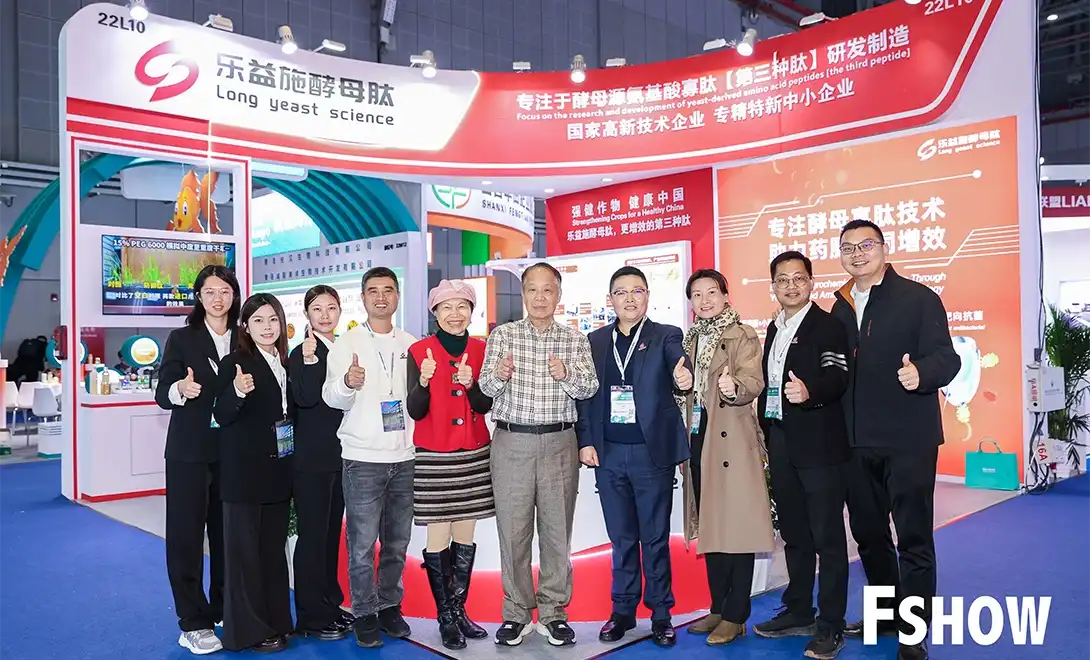
Benefits of using plant biostimulant peptide powder in organic farming
Modern agriculture faces two major challenges: improving crop productivity while reducing dependence on conventional chemical inputs. As a result, plant biostimulants are gaining attention as valuable tools for more sustainable crop protection.Among these,peptide-based biostimulants are attracting growing interest. Rich in oligopeptides and free amino acids, Plant Biostimulant Peptide Powder offers more than a source of organic nitrogen. It provides bioactive compounds that can participate in plant metabolic processes, nutrient utilization, and stress-response mechanisms.
But what makes peptide-based biostimulants different from conventional amino acid fertilizers? And why are yeast-derived peptides becoming an interesting option for agricultural formulations?
Understanding Plant Biostimulant Peptide Powder in Organic Farming
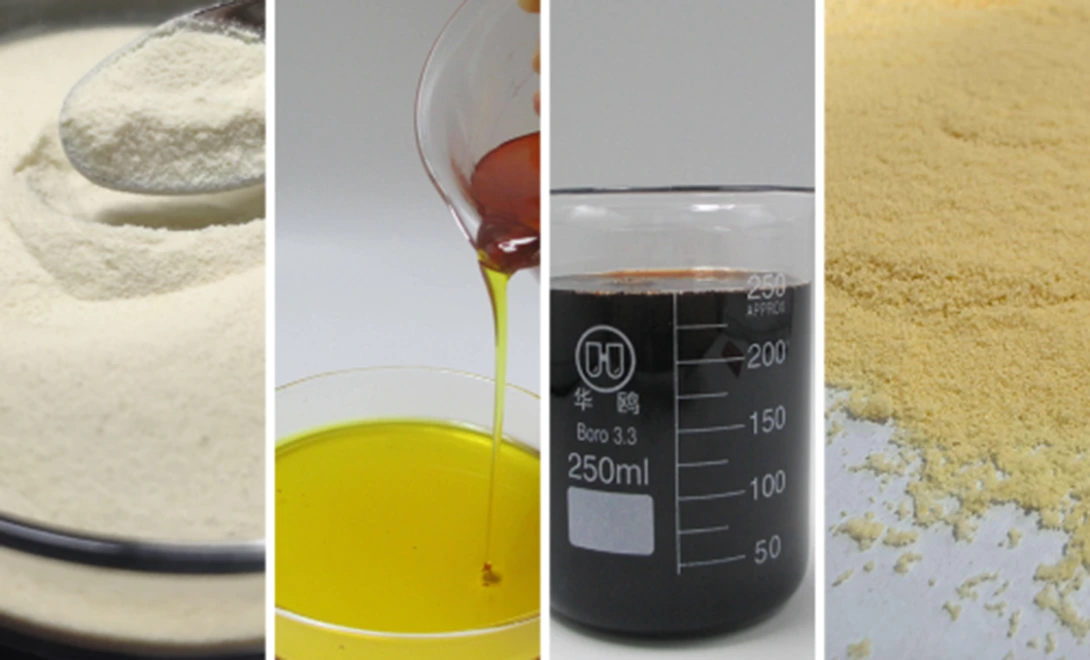
Plant Biostimulant Peptide Powder is typically produced through the hydrolysis of protein-rich raw materials, using enzymatic or chemical processes.
Specifically, the resulting hydrolysates contain varying proportions of oligopeptides and small peptides, free amino acids, soluble organic nitrogen, and other naturally occurring organic compounds. In contrast to conventional nitrogen fertilizers, which primarily supply nutrients, peptide-based biostimulants may also influence physiological and metabolic processes in plants. Importantly, their biological functions depend on several factors, including the original protein source, the hydrolysis technology used, the molecular weight distribution, and the amino acid composition.
The Science Behind Bioactive Peptides in Crop Systems
Supporting Nutrient Utilization
Plants absorb nutrients through several pathways, including roots and leaves. Amino acids and small peptides can participate in plant nitrogen metabolism and may contribute to nutrient utilization.Certain peptides also interact with plant physiological pathways, potentially influencing nutrient transport, enzyme activity, and metabolic regulation.
For this reason, peptide-based biostimulants are increasingly being explored as complementary inputs in fertilizer formulations.
Supporting Plant Stress Responses
Abiotic pressures, such as drought, high temperatures, and soil salinity, are becoming bigger problems for modern agriculture. There are several ways that Plant Biostimulant Peptide Powder has been successful at lowering these pressures. By keeping the plants' metabolisms working even when they are under a lot of heat, foliar sprays keep greenhouse tomatoes and grapevines from losing their flowers during heat events. Plant Biostimulant Peptide Powder's chelating effect stops calcium and magnesium from precipitating during salt treatment, while also improving the root zone's ability to take in water. This ability to withstand stress has risk management benefits that go beyond protecting yields. It also helps keep operations running during bad weather trends that are becoming more typical in growing areas.
Why Yeast-Derived Peptides Deserve Attention
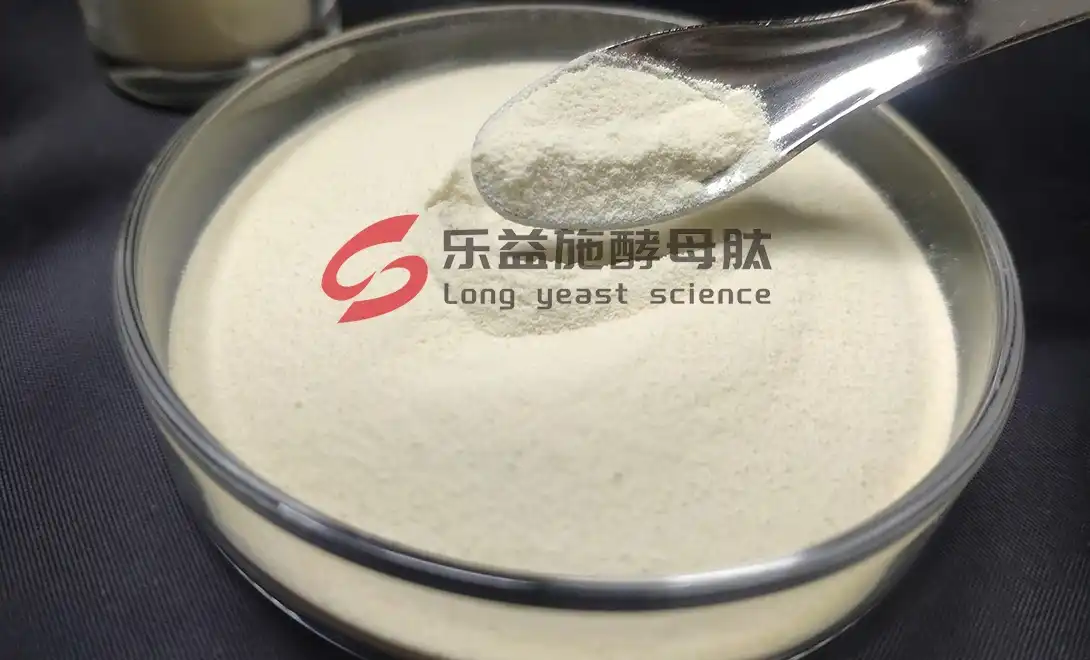
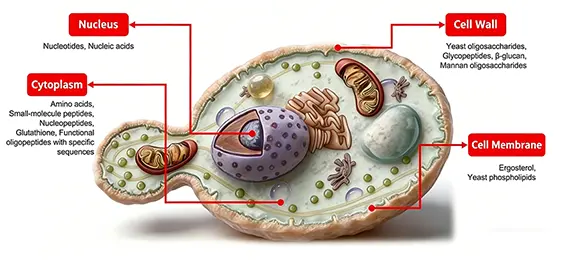
Not all protein hydrolysates have the same composition or biological characteristics. The original protein source and manufacturing process play important roles in determining product quality.Yeast is an interesting raw material for agricultural biostimulants because of its natural protein content and diverse amino acid composition.Yeast-derived peptide products can provide several advantages:
A Diverse Amino Acid Profile
Yeast proteins contain a range of amino acids that can contribute to plant metabolic activities and organic nitrogen nutrition.
Small Molecular Weight Peptides
Through controlled enzymatic hydrolysis, yeast proteins can be converted into oligopeptides and smaller peptide fractions.Products with a high proportion of peptides below 1,000 Da are particularly interesting for developing water-soluble agricultural formulations.
Multiple Functional Components
Depending on the production process, yeast-derived hydrolysates may also contain nucleotides and other naturally occurring yeast components, adding further formulation possibilities.
Formulation Flexibility
Yeast-derived peptide powders can be incorporated into various agricultural products, including amino acid fertilizers, water-soluble fertilizers, biostimulants, and specialized crop nutrition formulations.
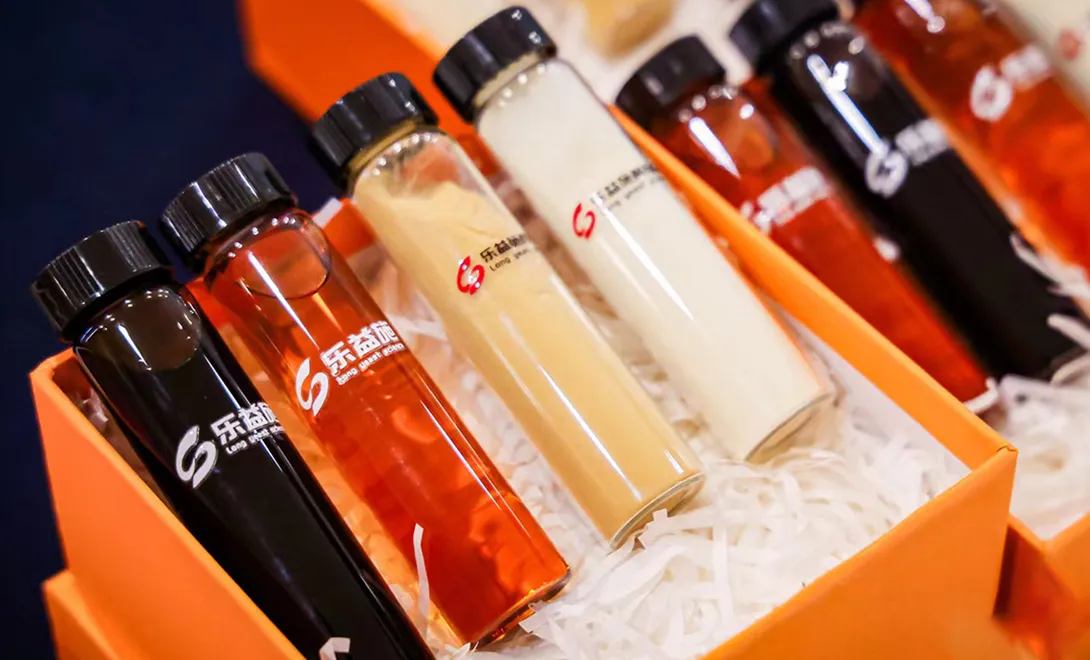
At LYS Biotech, our yeast enzymolysis technology focuses on controlling hydrolysis conditions and peptide composition to develop functional agricultural raw materials.
Main Agricultural Applications
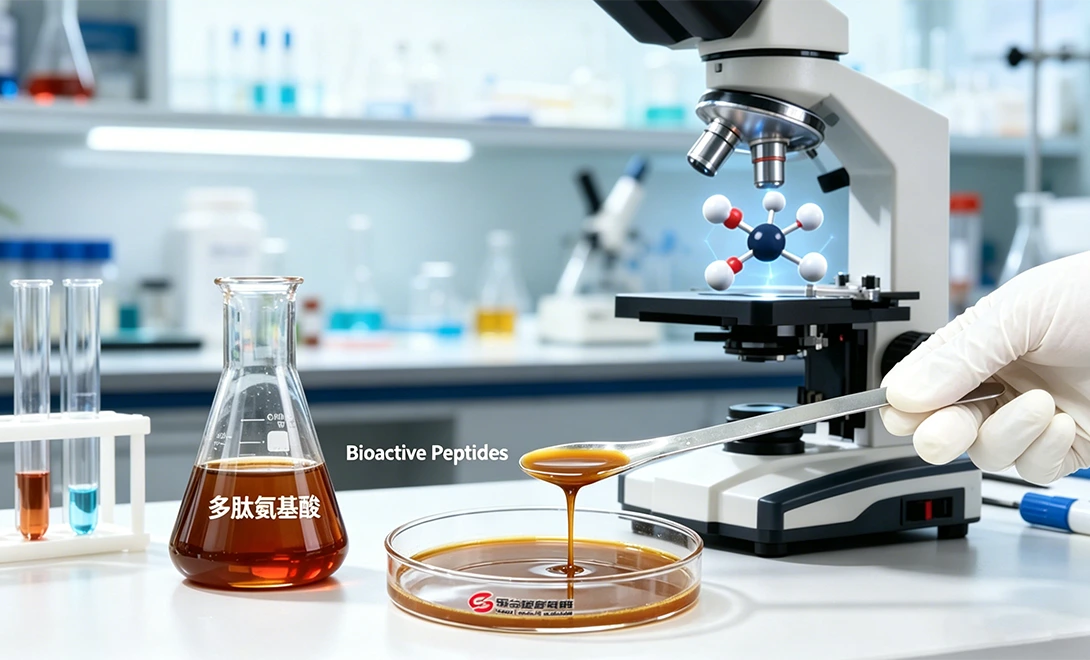
Yeast-derived peptide powder has potential applications across several crop management programs.
Foliar Fertilizers
Peptide powders can be incorporated into foliar fertilizer formulations to provide soluble organic nitrogen and bioactive peptide fractions.
Root Development and Nutrient Management
When applied through irrigation or soil-based formulations, peptide-containing products can complement conventional fertilization programs and support root-zone nutrition.
Abiotic Stress Management
Formulations containing small peptides and amino acids can be explored for use during drought, temperature fluctuations, and salinity-related stress.
Specialty Biostimulant Formulations
For fertilizer manufacturers and formulation developers, yeast-derived peptides offer opportunities to develop differentiated products by combining them with micronutrients, seaweed extracts, or other compatible biostimulants.
Comparison and Procurement Insights for B2B Buyers
Peptide Powder versus Amino Acid Fertilizers
People who buy agricultural inputs often don't know the difference between Plant Biostimulant Peptide Powder and regular amino acid fertilizers. Both contain nitrogen and organic substances, but Plant Biostimulant Peptide Powder is better for more than just nutrients. Oligopeptide chains set off signaling paths that control how our bodies react to stress and keep hormones in balance. Isolated amino acids can't do these things. There are clear changes in performance when there is stress, where Plant Biostimulant Peptide Powder treatments keep the metabolism running, and simple amino acid products only provide basic nutritional support. This better performance is why high-quality Plant Biostimulant Peptide Powder usually costs more, especially when it is used on valuable crops or in difficult growing conditions.
Evaluating Supplier Quality and Technical Capabilities
When looking for trusted suppliers, you need to look at more than just price and supply. The way a product is made has a big effect on its quality. For example, enzymatic hydrolysis keeps biologically active L-amino acids with little racimization, while chemical hydrolysis with strong acids often creates D-amino acids and higher salt content that lowers effectiveness. When you ask for an aminogram study through HPLC testing, you get an amino acid profile. High amounts of glycine could mean that the leather isn't being properly broken down, not that it has balanced protein sources. Molecular weight distribution data confirms the percentage of Plant Biostimulant Peptide Powder below 1,000 Daltons, which is a very important requirement for bioavailability. Suppliers who provide thorough analytical paperwork and clear production processes usually provide more consistent quality, which helps businesses stay together for a long time.
Bulk Procurement Considerations
When big formulators and wholesalers buy in large containers or truckloads, they need to think about certain business and logistics issues. Different providers have very different minimum order numbers, which can be anything from a single pallet to a full container load. These quantities have an effect on the prices. For cross-border trade, international buying brings new rules about following the rules, especially when it comes to organic certification paperwork and phytosanitary licenses. When making supply deals, you should talk about quality control methods, such as how to check new materials, how to guarantee shelf life, and how to replace materials that don't meet specifications. The best buying partnerships find a good mix between low prices, a reliable supply chain, expert support, and chances to work together on product development that sets the business apart in the market.
With these procurement insights, purchasing managers can easily explore the Plant Biostimulant Peptide Powder market, finding suppliers and goods that offer the best value for specific uses and market positioning strategies.
Future Trends and Innovations in Plant Biostimulant Peptides
Advanced Formulation Technologies
Innovative makers and research institutions are still working on making next-generation Plant Biostimulant Peptide Powder formulations that work better. Unique enzymatic hydrolysis systems, like full-spectrum directed technologies, make peptide patterns that are best for certain types of crops or stress reactions. Encapsulation technologies keep sensitive peptides safe while they are being stored and allow controlled-release properties that make the windows of effectiveness longer. Combination products that combine Plant Biostimulant Peptide Powder with biostimulants that work well together, like seaweed extracts or good bacteria, create results that are stronger than the sum of their parts. These technological improvements make it possible for more uses and give manufacturers who invest in research and development stronger intellectual property positions.
Market Growth Projections and Drivers
The global biostimulant market is growing quickly because of a number of factors working together, such as the growth of organic farming, government efforts to reduce the use of synthetic pesticides, and customer demand for food that is grown in a way that doesn't harm the environment. Market studies show that the market will grow at rates higher than 10% per year until 2030. Plant Biostimulant Peptide Powder will have a bigger part of the market because they work well and is compatible with organic materials. Regional growth trends are not all the same. There is a lot of strong demand in European markets that are putting in place strict policies to protect agriculture, as well as in North American and Asian markets that are buying high-quality specialty crops. When distributors and financial companies understand these market trends, they can find strategic chances to grow their portfolios and enter new geographic markets.
Regulatory Evolution and Certification Standards
The rules that guide biostimulant goods are always changing, which has effects on the companies that make and sell them. The biostimulant law in the European Union sets quality standards that affect markets around the world and harmonizes standards across member states to make it easier for goods to be traded between them. Organic certification groups update lists of substances that are allowed on a regular basis, and sellers must keep up-to-date compliance paperwork. By predicting changes in regulations, formulas, and paperwork systems, problems can be addressed before they cause problems in the market. Companies that have strong quality management systems that meet ISO 9001 standards and the requirements for organic certification will be in a good position as government oversight grows in major farming markets.
Conclusion
Plant biostimulant peptide powder represents an interesting development in modern crop nutrition. By combining organic nitrogen, oligopeptides, and free amino acids, it offers formulation possibilities that extend beyond conventional nutrient supplementation.Among different protein sources, yeast-derived peptides stand out as a promising raw material for agricultural biostimulant development.With advances in enzymatic hydrolysis and peptide composition control, yeast-derived peptide ingredients can contribute to the next generation of functional fertilizer and biostimulant formulations.
Frequently Asked Questions
1. How do peptide biostimulants differ from humic acid products?
Humic acids and Plant Biostimulant Peptide Powder both help plants stay healthy, but they do so in different ways. Plant Biostimulant Peptide Powder is a metabolic signaling molecule that plants directly take in and use to set off certain biological reactions. Through secondary soil conditioning effects, humic acids mostly improve the structure of the soil and the abundance of nutrients. When there is short-term stress, Plant Biostimulant Peptide Powder responds more quickly and works better, while humic acids help the soil stay healthy over time. Many farmers use both Plant Biostimulant Peptide Powder and humic acids as part of complete fertility plans. They use Plant Biostimulant Peptide Powder during important growth stages and humic acids all season long to improve the soil and meet the needs of plants right away, and keep the soil environment working well.
2. Can peptide powder be tank-mixed with common pesticides?
Quality Plant Biostimulant Peptide Powder usually works well with most herbicides and fertilizers, but there are a few that need extra attention. Because Plant Biostimulant Peptide Powder can bind to and form complexes with some metals, it should not be mixed with copper-based fungicides without being careful. Such combos may make it easier for plants to absorb too much copper, which is harmful to them. Before mixing on a big scale, it is common to do tests in jars and watch for precipitation or phase separation over a period of hours. Keeping away from mixes that contain a lot of sulfur products is another way to avoid possible conflicts. Most herbicides, insecticides, and biological pesticides mix well with Plant Biostimulant Peptide Powder. In fact, the solvent qualities of Plant Biostimulant Peptide Powder often make them more effective by making it easier for the herbicides to get into the plant's leaves.
Partner with LYS for Premium Peptide Biostimulant Solutions
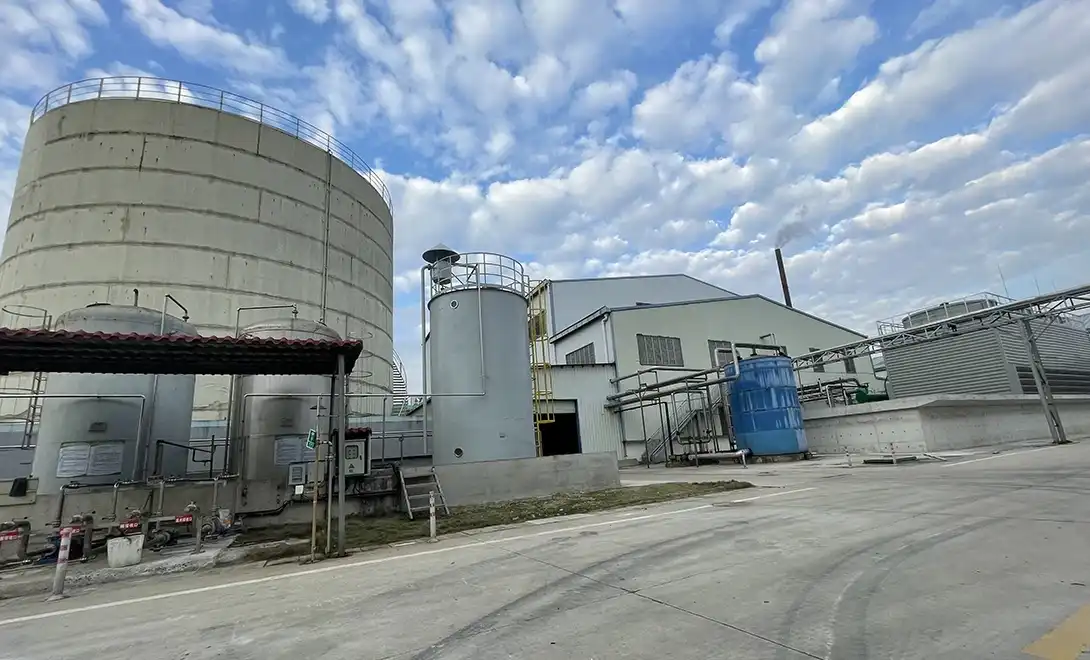
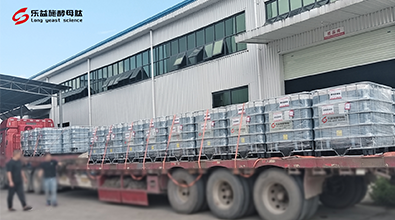
LYS has been working in the biostimulant business since 1951, which is more than 70 years of professional experience. Our special FSDT enzyme hydrolysis technology creates small-molecule peptides with molecular weights below 1,000 Daltons at concentrations higher than 80%. This makes sure that the peptides are bioavailable and stable at high temperatures. Yeast-derived peptides can be made up to 10,000 metric tons per year, which ensures a steady supply for bulk buyers and OEM partners. As a provider of Plant Biostimulant Peptide Powder with a wide range of certifications, including organic input approvals, we help formulators and wholesalers by providing technical paperwork, application advice, and working together to create new products. Email our team at alice@aminoacidfertilizer.com to talk about how our quality peptide solutions can help you meet your environmental goals and make your products more competitive in the market.
References
1. Colla, G., Hoagland, L., Ruzzi, M., Cardarelli, M., Bonini, P., Canaguier, R., & Rouphael, Y. (2017). Biostimulant action of protein hydrolysates: unraveling their effects on plant physiology and microbiome. Frontiers in Plant Science, 8, 2202.
2. Du Jardin, P. (2015). Plant biostimulants: Definition, concept, main categories, and regulation. Scientia Horticulturae, 196, 3-14.
3. Ertani, A., Schiavon, M., & Nardi, S. (2017). Transcriptome-wide identification of differentially expressed genes in Solanum lycopersicon L. in response to an alfalfa-protein hydrolysate using microarrays. Frontiers in Plant Science, 8, 1159.
4. Lucini, L., Rouphael, Y., Cardarelli, M., Canaguier, R., Kumar, P., & Colla, G. (2015). The effect of a plant-derived biostimulant on metabolic profiling and crop performance of lettuce grown under saline conditions. Scientia Horticulturae, 182, 124-133.
5. Rouphael, Y., & Colla, G. (2018). Synergistic biostimulatory action: designing the next generation of plant biostimulants for sustainable agriculture. Frontiers in Plant Science, 9, 1655.
6. Yakhin, O.I., Lubyanov, A.A., Yakhin, I.A., & Brown, P.H. (2017). Biostimulants in plant science: a global perspective. Frontiers in Plant Science, 7, 2049.

Tell us your needs — we’ll provide the right solution for your crops and markets.
Innovating Agriculture with Yeast-Derived Amino Acid Peptides