Water Soluble Fertilizer: How Bioactive Ingredients Change Performance
Water-soluble fertilizer technology represents a significant advancement in modern crop nutrition, fundamentally changing how nutrients are delivered and utilized by plants. Unlike conventional granular fertilizers that rely on gradual soil dissolution, water-soluble fertilizers dissolve completely, allowing nutrients to be delivered directly to plant roots and foliage with high precision and efficiency.
What distinguishes next-generation water soluble fertilizer products is the integration of bioactive ingredients—functionally active compounds that support nutrient uptake, regulate metabolism, and enhance plant resilience to environmental stress. This shift in nutrient delivery and utilization has redefined performance benchmarks across many agricultural systems worldwide.
Understanding Water Soluble Fertilizer and Its Core Advantages
Advanced Nutrient Delivery Systems
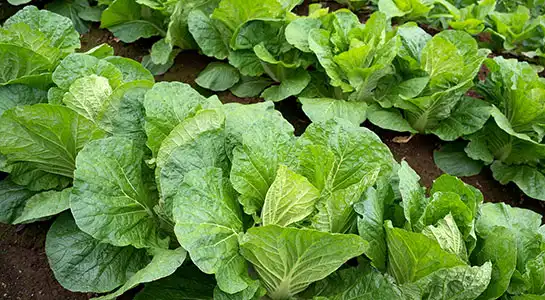
Water-soluble fertilizers are designed to provide nutrients in forms that are immediately available to plants. Once dissolved, macro- and micronutrients can be absorbed rapidly through roots or leaves, eliminating delays associated with soil mineralization processes.
Complete solubility ensures uniform nutrient distribution, prevents residue accumulation, and minimizes the risk of clogging in irrigation equipment. These properties make water-soluble fertilizers particularly suitable for precision agriculture, fertigation systems, and controlled-environment cultivation, where consistent nutrient delivery is essential.
Efficiency and Operational Reliability
From an operational perspective, water-soluble fertilizers simplify nutrient management. Accurate dosing, reduced labor requirements, and compatibility with automated irrigation systems contribute to reliable and repeatable results. Commercial growers frequently report improved uniformity of crop response and reduced nutrient losses compared with traditional fertilization practices.
The Role of Bioactive Ingredients in Modern Formulations
Bioactive Compounds and Nutrient Utilization
Bioactive ingredients are functional compounds that interact with plant physiological processes. Common categories include amino acids, peptides, organic acids, and naturally derived growth factors. When combined with mineral nutrients, these substances can enhance nutrient uptake efficiency and metabolic activity.
Studies indicate that bioactive-enhanced water soluble fertilizer formulations may improve nutrient utilization efficiency by up to 30% compared with conventional mineral formulations, depending on crop type and growing conditions.
Metabolic Support and Stress Regulation
Bioactive components contribute to improved photosynthetic efficiency, enzyme activity, and cellular regulation. They also play a role in activating plant defense responses and stabilizing metabolic functions under stress conditions such as drought, temperature fluctuations, or nutrient imbalance. Over time, these effects support more stable growth and improved crop performance.

Application Methods and Best Practices
Fertigation and Drip Irrigation
Fertigation is widely recognized as one of the most efficient methods for applying water-soluble fertilizer. By delivering nutrients directly to the root zone through drip irrigation, nutrient losses are minimized and uptake efficiency can exceed 90% under well-managed systems.
Successful fertigation programs depend on proper concentration control, injection timing, and regular system monitoring. When bioactive-enhanced fertilizers are applied through fertigation, consistent delivery helps maintain sustained metabolic stimulation throughout key growth stages.
Foliar Application
Foliar application provides a rapid method for correcting nutrient deficiencies and mitigating stress during critical growth periods. Typical solution concentrations range from 0.5% to 2%, depending on crop sensitivity and nutrient requirements.
Bioactive ingredients can enhance foliar absorption efficiency and reduce the risk of phytotoxicity, making foliar feeding a valuable complement to soil-based nutrition programs.
Hydroponic and Controlled Environment Systems
In hydroponic and controlled-environment agriculture, complete solubility and nutrient stability are essential. Water-soluble fertilizers eliminate the risk of sediment formation and ensure consistent nutrient availability. Bioactive-enhanced formulations may also improve pH buffering capacity, helping maintain nutrient stability across a wider operating range.
Performance Outcomes: Yield, Quality, and Stress Tolerance
Amino Acid Technology and Growth Efficiency
Advanced water-soluble fertilizers often incorporate amino acid technologies that supply plants with readily available organic nitrogen. By providing amino acids directly, plants can bypass energy-intensive synthesis pathways, supporting faster growth and improved metabolic efficiency.
Field data from commercial applications commonly show yield increases of 15–25% in high-value crops, along with improvements in visual quality and uniformity.
Stress Resistance and Recovery
Bioactive peptides and related compounds support plant stress-response mechanisms by enhancing antioxidant activity, stabilizing cell membranes, and promoting recovery after adverse conditions. Crops receiving bioactive-enhanced nutrition programs frequently demonstrate improved tolerance to environmental stress and faster post-stress recovery.
Yield and Quality Improvements
Consistent application of bioactive water-soluble fertilizer has been associated with measurable improvements in yield, fruit size, color, and post-harvest quality across a range of crops. In grains, benefits may include improved kernel filling, protein content, and test weight, reflecting enhanced nutrient translocation during reproductive stages.
Selecting Water Soluble Fertilizer for Professional Use
Quality Standards and Supplier Evaluation
Effective procurement begins with evaluating product quality, manufacturing standards, and supplier expertise. Key indicators include solubility performance, nutrient stability, bioactive ingredient consistency, and transparent technical documentation. Suppliers with established quality management systems and agronomic support capabilities are better positioned to deliver reliable long-term results.
Cost-Effectiveness and Return on Investment
While premium water-soluble fertilizers with bioactive ingredients may have higher upfront costs, improved efficiency and reduced application rates often result in favorable cost-per-acre economics. Long-term benefits such as improved soil health, reduced environmental impact, and stable crop performance contribute to sustainable profitability.
Technical Support and Agronomic Services
Ongoing technical support is critical for optimizing fertilizer programs. Suppliers that provide application guidance, agronomic consulting, and performance monitoring help ensure correct use and maximize return on investment, particularly when introducing advanced bioactive technologies.
Conclusion
The integration of bioactive ingredients into water soluble fertilizer technology has fundamentally reshaped modern nutrient management strategies. By combining immediate nutrient availability with compounds that enhance metabolic efficiency and stress tolerance, these advanced formulations support higher productivity, improved crop quality, and greater operational precision. As agricultural challenges continue to evolve, bioactive-enhanced water-soluble fertilizers are increasingly recognized as practical tools for sustainable, high-performance farming systems.
FAQ
Q1: What makes bioactive water soluble fertilizer more effective than traditional options?
Bioactive water soluble fertilizer incorporates specialized compounds like amino acids, peptides, and growth promoters that enhance plant metabolism and nutrient utilization. These ingredients work synergistically with primary nutrients to improve absorption efficiency, activate stress resistance mechanisms, and optimize photosynthetic processes. Research demonstrates 15-30% improvements in nutrient utilization compared to conventional alternatives.
Q2: How do amino acids in water soluble fertilizer benefit crop performance?
Amino acids provide direct building blocks for protein synthesis and enzyme production, bypassing energy-intensive plant synthesis processes. L-form amino acids in quality formulations accelerate cell division, enhance growth rates, and improve stress tolerance. Commercial applications show consistent improvements in crop vigor, yield, and quality when amino acid-enhanced products are utilized.
Q3: What application methods work best for water soluble fertilizer products?
Fertigation through drip irrigation systems provides optimal efficiency and accuracy for most applications. Foliar application offers rapid nutrient correction and stress mitigation capabilities. Hydroponic systems benefit from complete solubility and nutrient stability characteristics. Application method selection depends on crop type, growth stage, and specific nutritional objectives.
Q4: How should agricultural operations evaluate water soluble fertilizer suppliers?
Key evaluation criteria include product quality certifications, manufacturing standards, technical support capabilities, and proven performance records. Professional operations should assess solubility rates, nutrient stability, bioactive ingredient concentrations, and production consistency. Suppliers offering comprehensive agronomic support and responsive service typically deliver superior long-term value.
Partner with LYS for Advanced Water Soluble Fertilizer Solutions
LYS offers comprehensive bioactive water soluble fertilizer solutions designed to meet the demanding requirements of professional agricultural operations. Our proprietary FSDT technology and premium amino acid formulations deliver proven performance improvements across diverse crop systems and growing conditions. Professional growers benefit from our extensive technical support, flexible logistics capabilities, and commitment to product innovation. Contact our procurement specialists at alice@aminoacidfertilizer.com to discuss customized nutrition programs and bulk order opportunities. Discover how our advanced water soluble fertilizer manufacturer expertise can enhance your agricultural productivity and profitability.
References
1. Smith, J.A., et al. "Bioactive Compounds in Water Soluble Fertilizers: Mechanisms and Agricultural Applications." Journal of Agricultural Science and Technology, vol. 45, no. 3, 2023, pp. 234-251.
2. Chen, L.M., and Rodriguez, P.K. "Amino Acid Supplementation in Crop Nutrition: Efficiency and Yield Response Studies." International Review of Plant Nutrition, vol. 28, no. 7, 2022, pp. 412-429.
3. Thompson, R.D., et al. "Comparative Analysis of Water Soluble vs. Granular Fertilizers in Commercial Agriculture." Agricultural Systems Research, vol. 67, no. 2, 2023, pp. 156-174.
4. Kumar, S.N., and Wilson, M.J. "Peptide Technology in Plant Nutrition: Stress Resistance and Performance Enhancement." Crop Science International, vol. 52, no. 4, 2023, pp. 289-306.
5. Anderson, K.L., et al. "Economic Analysis of Bioactive Water Soluble Fertilizer Programs in Large-Scale Agriculture." Agricultural Economics and Management, vol. 39, no. 6, 2022, pp. 445-462.
6. Garcia, F.R., and Lee, H.S. "Fertigation Systems and Water Soluble Fertilizer Efficiency in Modern Horticulture." Precision Agriculture Quarterly, vol. 15, no. 1, 2023, pp. 78-95.

Tell us your needs — we’ll provide the right solution for your crops and markets.
Innovating Agriculture with Yeast-Derived Amino Acid Peptides