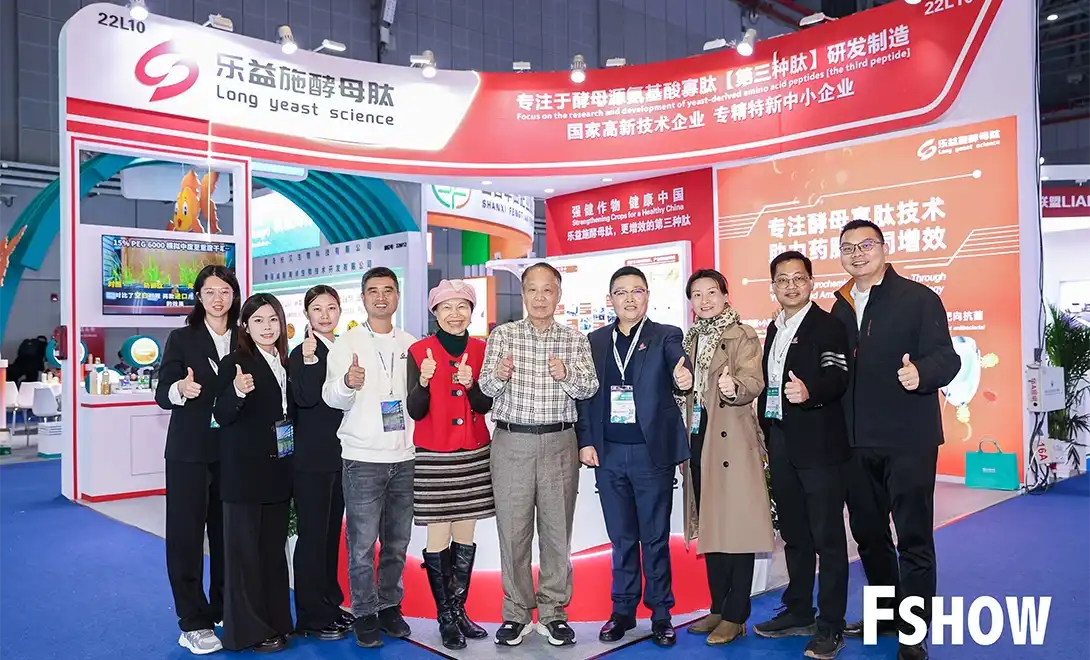
The Biostimulant Action of Protein Hydrolysate, Amino Acids and Peptides
Protein hydrolysate, amino acids, and peptides represent an advanced category of agricultural inputs that extend beyond conventional fertilization strategies. Protein Hydrolysate Biostimulant products function as metabolic enhancers, delivering bioactive compounds that regulate plant physiological processes. Rather than simply supplying nutrients, these materials stimulate endogenous plant mechanisms, improving nutrient uptake, enhancing stress tolerance, and supporting consistent crop performance across varying environmental conditions.
In modern agriculture, where productivity and sustainability must be balanced, these biostimulants offer a scientifically grounded approach to improving efficiency while reducing dependence on synthetic inputs.
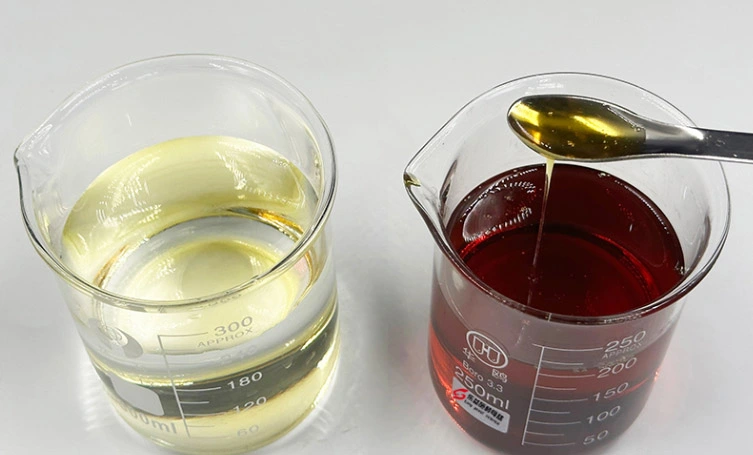
Understanding Protein Hydrolysate Biostimulants and Their Mechanisms
The increasing complexity of agricultural challenges has driven the adoption of multifunctional inputs such as Protein Hydrolysate Biostimulant products. These formulations operate through multiple biochemical pathways, influencing plant metabolism at both cellular and systemic levels.
Molecular Composition and Bioactive Characteristics
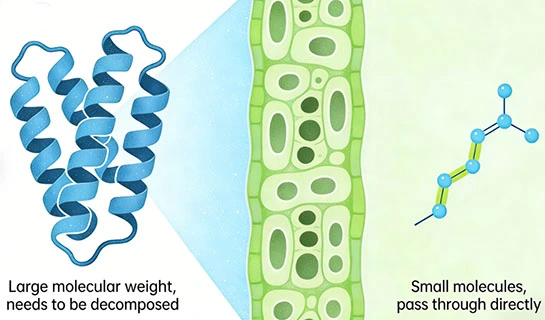
Protein hydrolysate formulations consist of a balanced mixture of free amino acids, short-chain peptides, and associated bioactive compounds. Molecular weight distribution plays a critical role in determining bioavailability. Peptides with molecular weights below 1000 Daltons are readily absorbed through plant tissues, enabling rapid physiological responses.
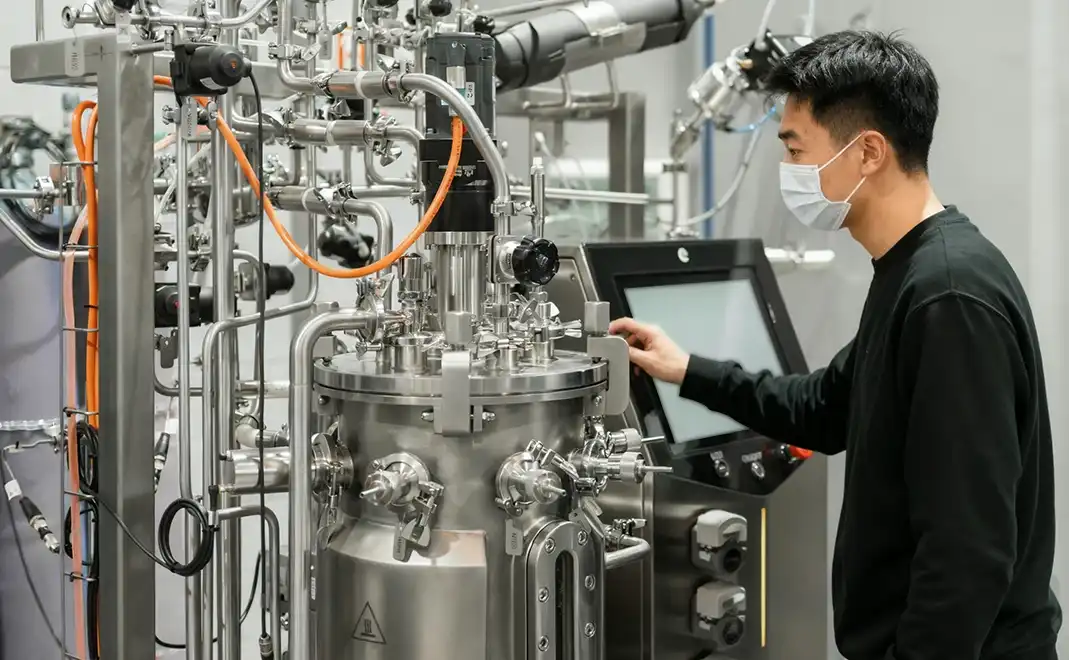
High-quality production processes, particularly controlled enzymatic hydrolysis, ensure the preservation of functional L-amino acids and biologically active peptides. Advanced formulations may also include enzymes and oligosaccharides that contribute to enhanced metabolic activity and plant responsiveness under dynamic environmental conditions.
Physiological Mechanisms of Action
Protein Hydrolysate Biostimulant products influence plant systems through interconnected physiological processes. Amino acids serve as precursors for phytohormone synthesis, including auxins and cytokinins, which regulate root and shoot development. At the same time, peptides function as signaling molecules that activate stress-response pathways.
These compounds support the synthesis of proteins, chlorophyll, and energy-related metabolites, contributing to improved photosynthetic performance. Under stress conditions, they promote the accumulation of osmoprotectants and antioxidants, which help maintain cellular integrity and metabolic continuity.
Agronomic Benefits and Practical Applications
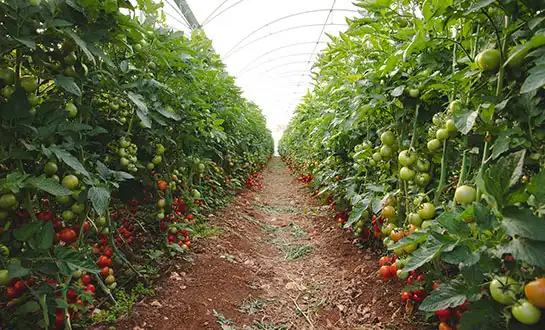
The use of Protein Hydrolysate Biostimulant products has expanded across a wide range of crops and production systems. Their benefits extend beyond yield enhancement to include improved crop resilience and long-term soil health.
Crop Performance Under Abiotic Stress
Protein hydrolysate applications have been associated with improved plant tolerance to abiotic stresses such as drought, salinity, and temperature fluctuations. These products enhance water-use efficiency and support sustained photosynthetic activity during adverse conditions.
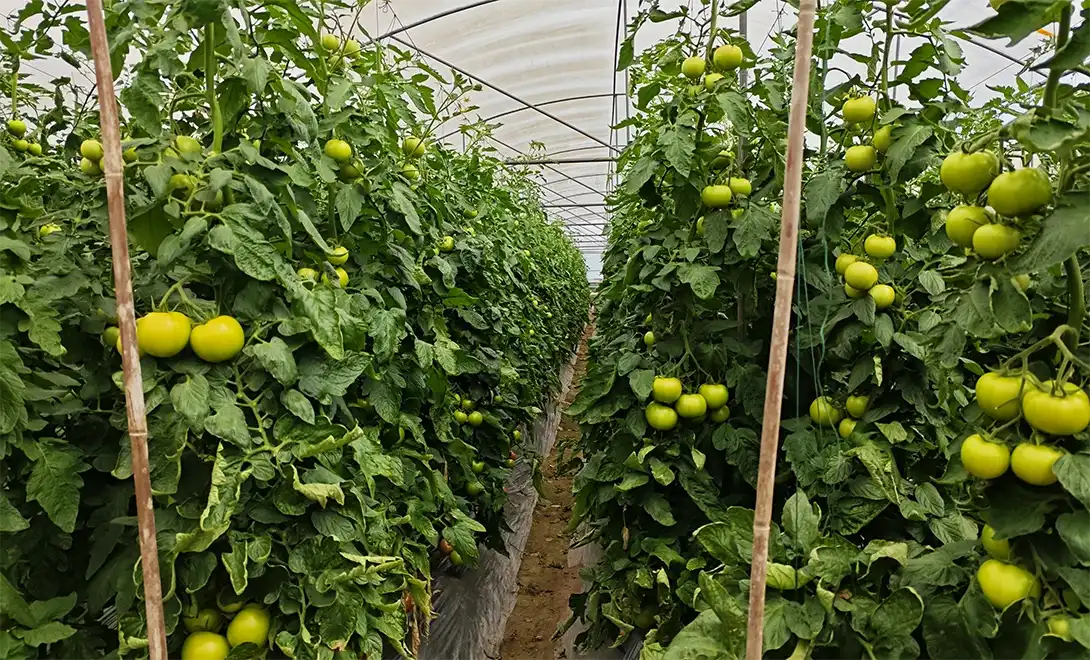
In horticultural systems, such as tomato production, protein hydrolysates have been linked to improved fruit quality and reduced incidence of physiological disorders. Enhanced calcium uptake, for example, contributes to reduced risk of issues such as blossom-end rot, particularly in intensive or hydroponic systems.
Application Methods and Timing Considerations
Protein Hydrolysate Biostimulant products can be applied through multiple methods, depending on crop requirements and agronomic objectives. Foliar application enables rapid absorption and is often used in anticipation of stress events. Soil or root-zone applications support rhizosphere activity and nutrient availability throughout the growing cycle.
Seed treatment represents another effective strategy, promoting uniform germination and early plant vigor. The flexibility of these application methods allows growers to adapt usage based on environmental conditions, crop stage, and management practices, ensuring consistent performance.
Comparative Perspective: Protein Hydrolysates and Other Agricultural Inputs
Understanding how Protein Hydrolysate Biostimulant products differ from conventional fertilizers and other biostimulants is essential for informed decision-making.
Functional Differences from Traditional Biostimulants
Compared to inputs such as humic substances or seaweed extracts, protein hydrolysates provide a direct source of amino acids and peptides that actively participate in plant metabolic processes. While other biostimulants may primarily influence hormone levels or soil structure, protein hydrolysates support enzymatic activity and protein synthesis more directly.
The synergistic interaction between peptides, amino acids, and associated compounds enables a broader and more predictable range of physiological responses, enhancing overall plant performance.
Economic and Operational Efficiency
From an economic perspective, Protein Hydrolysate Biostimulant products can improve return on investment by increasing nutrient use efficiency and reducing the need for high rates of conventional fertilizers. Their compatibility with existing agrochemical programs allows integration without additional application costs.
Water solubility and chloride-free composition further enhance operational efficiency, reducing risks associated with salt accumulation and ensuring ease of use in diverse agricultural systems.
Sourcing and Evaluation of Protein Hydrolysate Biostimulants
For procurement professionals and agricultural formulators, selecting the right Protein Hydrolysate Biostimulant requires careful evaluation of product quality and supplier reliability.
Technical Quality and Specification Parameters
Key evaluation criteria include peptide molecular weight distribution, total and free amino acid content, and overall bioactivity. Products with higher proportions of low molecular weight peptides typically demonstrate faster plant uptake and more consistent performance.
Maintaining the integrity of L-amino acids during processing is essential for biological effectiveness. Comprehensive testing for contaminants such as heavy metals and microbial impurities ensures compliance with international agricultural standards and supports safe application.
Supplier Reliability and Strategic Partnerships
Reliable suppliers should demonstrate consistent production capacity, robust quality control systems, and adherence to recognized certifications such as ISO standards. Transparent documentation, technical support, and agronomic guidance contribute to successful product implementation.
Logistical capabilities, including flexible packaging and global distribution networks, are also important factors in ensuring supply chain stability and meeting regional market requirements.
Environmental Value and Future Development Trends
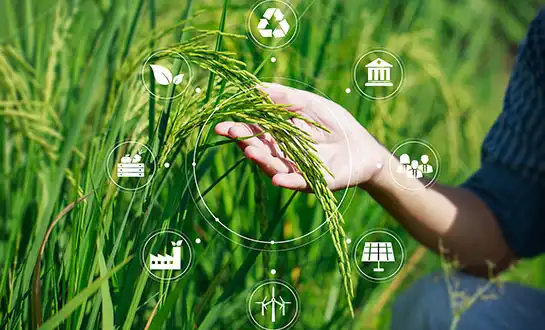
The integration of Protein Hydrolysate Biostimulant products into agricultural systems aligns with broader sustainability objectives and evolving regulatory frameworks.
Environmental Impact and Sustainability Benefits
By improving nutrient efficiency, protein hydrolysates help reduce the overall demand for synthetic fertilizers, thereby lowering greenhouse gas emissions associated with fertilizer production and application. Reduced nutrient losses also contribute to improved water quality by minimizing runoff and leaching.
Additionally, these products support soil microbial activity, enhancing soil structure and long-term fertility. This contributes to more resilient agricultural ecosystems and sustainable production systems.
Innovation and Market Evolution
Ongoing advancements in peptide extraction and formulation technologies continue to improve the consistency and effectiveness of Protein Hydrolysate Biostimulant products. Emerging innovations, such as controlled-release systems and precision application technologies, are expected to further enhance performance.
At the same time, increasing regulatory support for biologically derived inputs and growing market demand for sustainable agricultural products are driving adoption. Integration with precision agriculture tools enables data-driven optimization of application rates and timing, improving both economic and environmental outcomes.
Conclusion
Protein hydrolysate, amino acids, and peptides provide a scientifically validated approach to enhancing plant performance through biostimulation. Protein Hydrolysate Biostimulant products operate by activating intrinsic plant metabolic pathways, improving stress tolerance, and optimizing nutrient utilization.
Their multifunctional nature, combined with compatibility with existing agricultural practices, positions them as valuable components of modern crop management systems. As agriculture continues to evolve toward greater sustainability and efficiency, these biostimulants offer a practical and scalable solution for meeting future production demands while preserving environmental resources.
FAQ
Q1: What distinguishes enzymatic hydrolysis from chemical hydrolysis in protein processing?
Enzymatic degradation works at controlled temperatures and pH levels, so the natural L-amino acid structure is kept, and the peptides that are made keep their biological function. Using strong acids or bases to break down chemicals can lead to racemization, which changes physically active L-amino acids into useless D-forms. Heat can also destroy heat-sensitive amino acids like tryptophan. The enzyme process makes sure that there is more bioactivity and that the plant responds better.
Q2: Can protein hydrolysate biostimulants be tank-mixed with copper-based fungicides?
It's important to be careful when mixing in tanks because amino acids are natural chelating agents that can help copper get deeper into plant cells, which could be harmful to the plants. Before mixing, always test the mixture in a jar, make sure to follow the dosage instructions to the letter, and think about using copper fungicides on sensitive crops or during times of stress in different ways.
Q3: How do protein hydrolysates improve nutrient use efficiency compared to conventional fertilizers?
Protein hydrolysates raise the activity of enzymes that help the body take in nutrients and use them properly. This is especially true for nitrate reductase, an enzyme that turns raw nitrogen into amino acids and proteins. This increased metabolic efficiency lowers the amount of fertilizer needed to meet growth goals. This lowers production costs and lessens the damage that too much fertilizer does to the environment.
Q4: What storage conditions ensure product stability and prevent degradation?
Protein hydrolysate products need to be kept in a cool, dry place where the temperature is less than 25°C and the humidity is less than 65%. Because these substances are hygroscopic, they easily take in water, which can make them hard to dissolve and cause them to clump together. To keep the quality of your products, use high-barrier packing materials and reseal packages right away after using them.
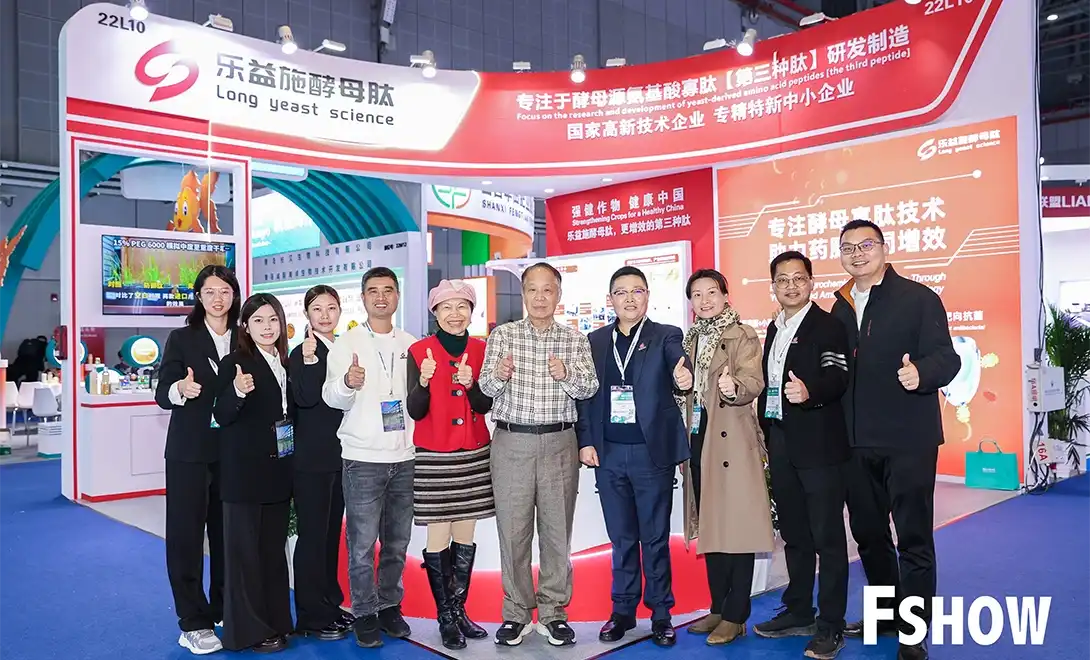
Partner with LYS for Premium Protein Hydrolysate Biostimulant Solutions
LYS's improved AAPS formulation, which uses cutting-edge enzymatic hydrolysis technology to give higher bioactive peptide concentrations and better crop performance, changes the way farming is done. With over 70 years of technical experience, our patented FSDT method makes the best yeast-derived biostimulants that are stable and work well in a wide range of farming settings. Email our technical team at alice@aminoacidfertilizer.com to find out how our services as a Protein Hydrolysate Biostimulant maker can help you make your products better and grow your business in a way that lasts.
References
1. Colla, G., & Rouphael, Y. (2020). Protein hydrolysates in agriculture: biological activities and applications in crop production. Advances in Agronomy, 164, 187-225.
2. Calvo, P., Nelson, L., & Kloepper, J. W. (2019). Agricultural uses of plant biostimulants: mechanisms of action and beneficial effects on plant growth and stress tolerance. Plant and Soil, 383, 3-41.
3. Rouphael, Y., & Colla, G. (2018). Synergistic biostimulatory action: designing the next generation of plant biostimulants for sustainable agriculture. Frontiers in Plant Science, 9, 1655-1670.
4. Sharma, H. S. S., Fleming, C., Selby, C., Rao, J. R., & Martin, T. (2021). Plant biostimulants: a review on the processing of macroalgae and use of extracts for crop management. Journal of Applied Phycology, 33, 845-872.
5. Du Jardin, P. (2018). Plant biostimulants: definition, concept, main categories and regulation. Scientia Horticulturae, 196, 3-14.
6. Yakhin, O. I., Lubyanov, A. A., Yakhin, I. A., & Brown, P. H. (2017). Biostimulants in plant science: a global perspective. Frontiers in Plant Science, 7, 2049-2065.

Tell us your needs — we’ll provide the right solution for your crops and markets.
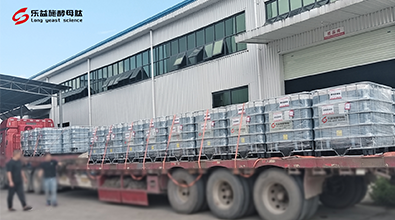
Innovating Agriculture with Yeast-Derived Amino Acid Peptides