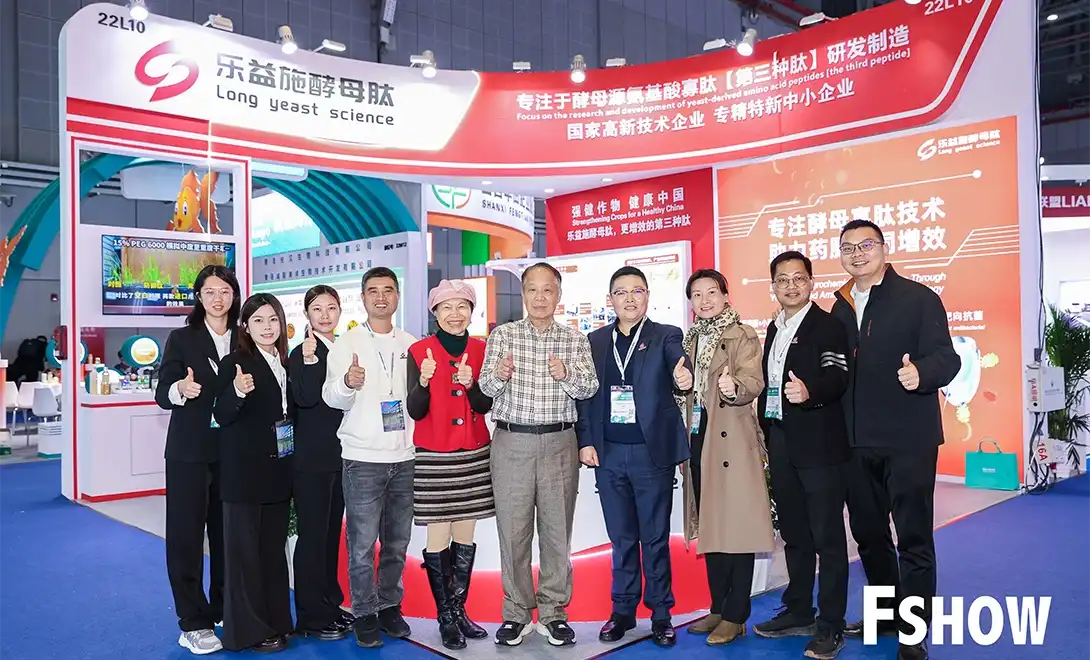
Selecting a Premium Biostimulant Ingredient for Sustainable Farming
Choose a Premium Biostimulant Ingredient with bioactive compounds that do more than nourish plants for environmentally friendly farming. Enzyme-degraded peptides and cold-pressed seaweed products improve crops without harming them. They improve plant growth, nutrient usage, and stress management. Buyers and formulators must consider molecular weight profiles, bioactive purity, regulatory compliance, source dependability, and other factors when choosing a high-end biostimulant. Thus, yield shortages may be covered and environmental regulations maintained.
Understanding Premium Biostimulant Ingredients
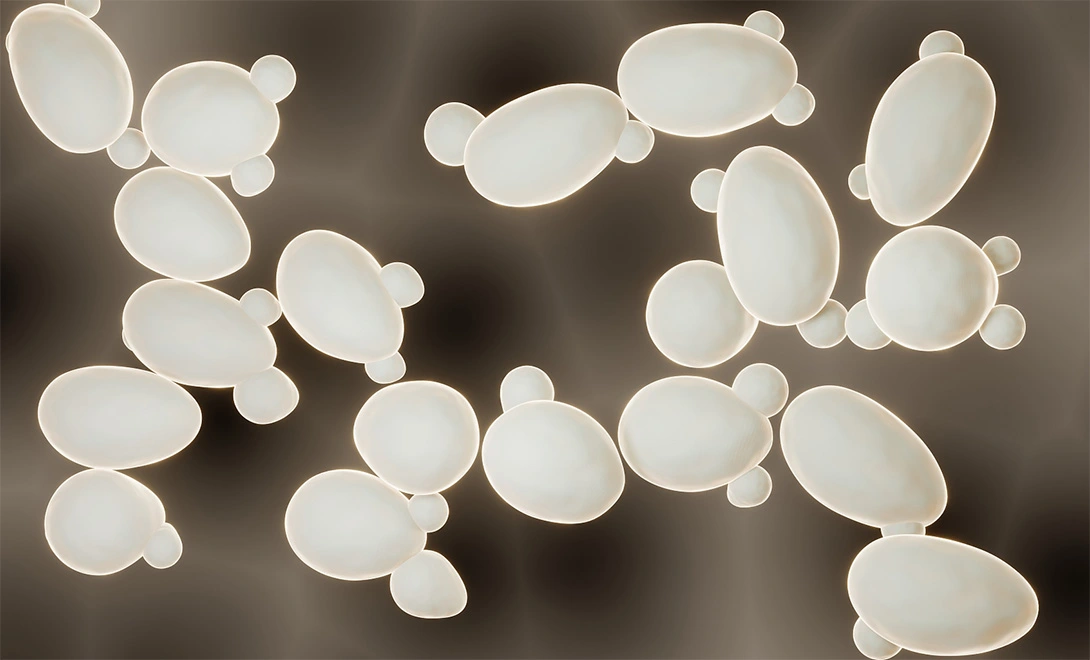
Premium Biostimulant Ingredients are a kind of agricultural feed that directs the body's metabolism rather than providing nutrients. Some fertilisers solely provide nitrogen, phosphorus, or potassium. These biological compounds assist plants, and the rhizosphere absorbs nutrients, handles stress, and generates better harvests.
Defining Premium Biostimulants at the Molecular Level
High-quality biostimulants are highly pure and have a specific molecular weight. They contain intact bioactive compounds. The enzymatically degraded amino acids include several free L-amino acids with molecular weights below 1,000 daltons. As a result, they are able to rapidly cross cell membranes and begin metabolism. Cold-pressed Ascophyllum nodosum retains plant hormones such as auxins, cytokinins, mannitol, and alginic acid—substances that are lost during thermal processing. High-purity humic compounds can bind to micronutrients, making them more readily absorbed in fertilization and irrigation systems without altering their electrical potential. These molecular properties ensure stable and reproducible performance under a wide range of environmental conditions.
Types and Biochemical Modes of Action
Biostimulants include many substances. Peptides and amino acids in protein hydrolysates generate antioxidants and protect against osmotic stress. This reduces stress-induced reactive oxygen species damage. Pure kelp extracts strengthen roots and boost chlorophyll synthesis. Microbial inoculants are beneficial moulds or bacteria that break down minerals and produce chemicals. Humic and fulvic acids strengthen this earth and improve cation movement. They also bind metals for plant usage. Even in poor conditions, they help plants realise their genetic potential. This is done using ordinary chemicals. Stress-fighting genes may alter within hours after application. Healing effects like greening or turgor pressure usually appear in three to seven days.
Environmental Benefits
Premium biostimulants assist the business in reducing toxins and following regulations. They utilise less fertiliser and prevent leaching to maximise nutrient usage. This improves water quality and reduces nitrogen fertiliser greenhouse gas emissions. They collaborate with the EU Green Deal and Farm to Fork, which aim to use fewer synthetic pesticides and fertilisers since they leave no residues.
Comparing Premium Biostimulant Ingredients to Traditional Solutions
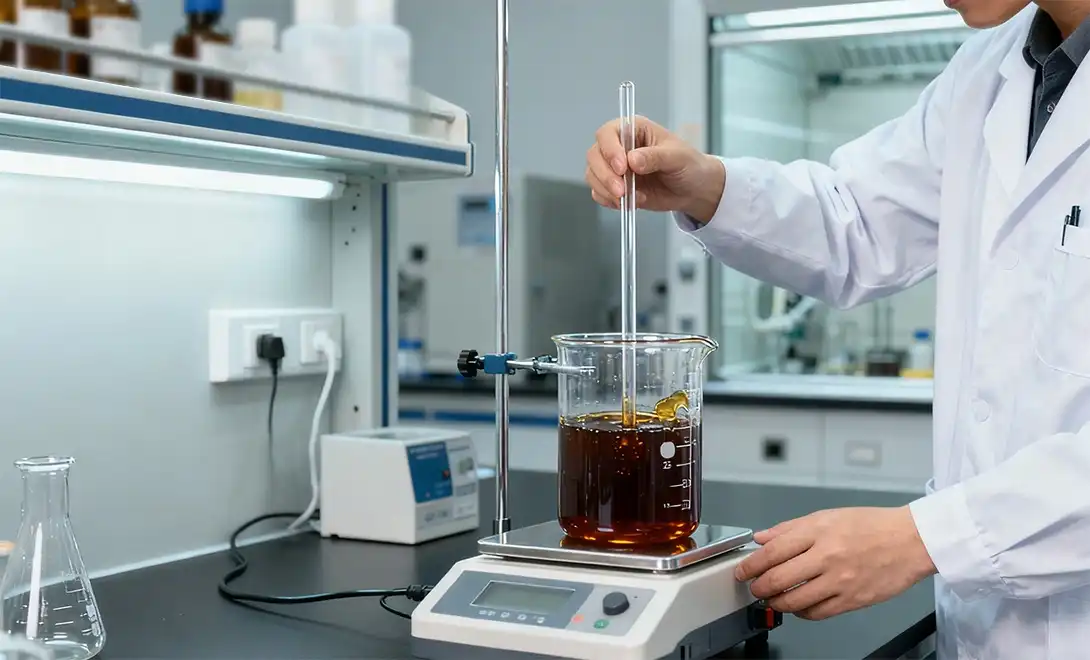
Buying teams should grasp how high-end Premium Biostimulant Ingredients vary from agricultural inputs and function together. They can make cost-effective, efficient, and sustainable purchasing decisions.
Synergies Between Biostimulants and Conventional Fertilisers
NPK fertilisers offer plants the building blocks they need to develop, but their effectiveness relies on how effectively the plant handles these nutrients. The finest biostimulants transmit metabolic impulses instead of nutrition to improve body machinery. When mixed with fertilisers, biostimulants thicken plant roots, increase membrane transporter activity, and increase soil-digesting bacteria. These two things work together to provide the same or better outcomes with less fertiliser. This saves money and helps the environment. By encouraging organic matter and bacterial development, biostimulants promote soil health. This allows long-term production without reliance on rising chemical sources.
Natural Versus Synthetic Biostimulants
Plants and humans produce biostimulants. Each has advantages. Nature provides biostimulants such as seaweed, plant proteins, and leonardite. They contain many biological compounds. These compounds assist agriculture in many ways. Lab-made amino acids and hormone analogues are synthetic biostimulants. They provide precise quantities of active compounds, which helps concentrate creative strategies and ensure outcomes. Eco-conscious shoppers and quality food farmers are increasingly interested in natural biostimulants. More consumers prefer "clean label" food and eco-friendly farming. When choosing between these groupings, procurement personnel should consider their effectiveness, sustainability, and market needs.
Cost-Benefit Analysis for Bulk Procurement
It takes more than unit pricing to calculate the ROI for high-end biostimulant chemicals. Business outcomes and success measurements are very important. Initially more expensive than ordinary nutrients, they increase food quality and development and reduce waste, resulting in a favourable ROI. Depending on the crop, you may obtain 5-20% extra fruit. Speciality stores value larger, brighter, and longer-lasting fruits. Costs drop because pesticides and fertilisers are used less, and crops lose less in harsh weather since plants can endure stress. Wholesale transactions with trusted vendors may save business-to-business customers money and maintain quality throughout production cycles. In addition to the kilogram price, it's crucial to know the overall cost. This covers its effectiveness, labour, and field performance.
Procurement Best Practices: From Order to Delivery
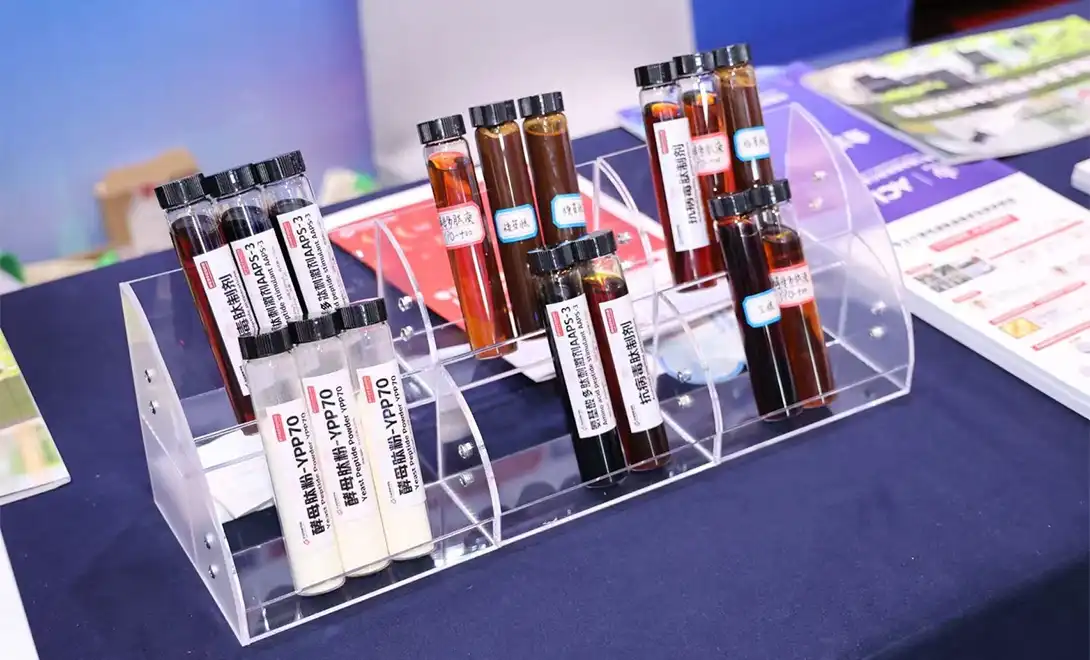
There's more to good buying techniques than just picking out the right Premium Biostimulant Ingredients. Finding the best ways to get them, getting the most out of transportation, and managing ties with suppliers are also part of their job.
Sourcing Strategies and Purchasing Channels
Each method for obtaining biostimulant compounds offers advantages for business owners. Direct manufacturer relationships provide the greatest discounts on bulk purchases, technical support, and recipe changes. Authorised distributors have a reduced minimum order quantity, local inventory to reduce wait times, and multi-item shipping. By controlling currencies and following the law, trading businesses enable citizens to connect with international sources. Shopping at multiple stores? Compare FOB pricing and total landing costs, including storage, goods and taxes. Bulk purchases usually provide greater discounts. For instance, buying 50–100 metric tonnes a year might save you 10–15% on market costs. Payment and credit terms affect cash flow. This is crucial for enterprises that depend on seasonal crops. Distributing seller profiles across regions reduces supply chain breakdowns. However, consolidating purchasing with fewer key partners improves technical support and negotiation strength.
Building Long-Term Supplier Partnerships
Changing seller connections from transactional to strategic will provide you with a long-term advantage over your competition. Working together on planning helps them secure adequate raw materials and plan production when the market is tight. This enables you to get in before others at busy times. Joint technological development initiatives may create market-leading goods. Custom extraction techniques or crop-specific recipes are examples. Regular quality inspections and performance evaluations hold everyone accountable. These evaluations help improve service and products. Strategic sellers provide market data to corporations to assist them in placing their products. This includes new research, rule changes, and competitor activity. The framework specifies quality, testing, and conflict resolution. These simplify management and accelerate order fulfilment.
Quality Assurance and Logistics Considerations
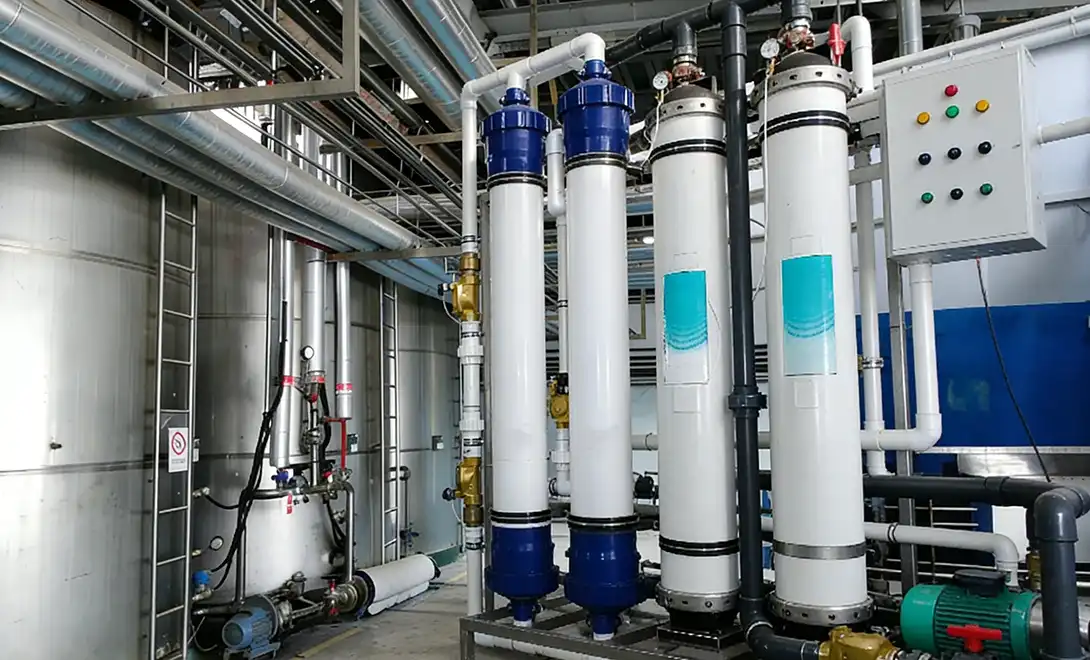
Good quality control prevents components from changing and affecting a mixture's performance or government requirements. Verify that each batch fulfils analysis licence criteria. We should develop aminogram profiles for hydrolysates, calculate the extract chemical content, and evaluate all compounds for heavy metals. Acceptance criteria and sample plans are needed for new statistical process control checks. Make sure all the documentation to transport products overseas is in order to avoid border delays. This comprises phytosanitary certifications, customs classifications, and origin declarations. Packaging affects ingredient stability and handling. Nitrogen-washed moisture-barrier bags protect bioactive compounds in hygroscopic powders, while UV-blocking HDPE containers preserve liquid mixtures for long-term storage. Enzyme-based and bacteria inoculant commodities need temperature-controlled shipping. When planning your inventory, consider how much it costs to maintain products in stock and how likely you are to run out at critical application periods. Think about wait times and seasonal demand in your target markets when determining how much safety stock you need.
Leveraging Premium Biostimulants for Sustainable Farming Success
To get the most out of high-quality Premium Biostimulant Ingredients, they should be added to crop management plans in a planned way, and their effectiveness should be checked often.
Application Techniques Across Farming Systems
What works best depends on the food, its stage of development, and its cultivation. Precision seed treatment offers firms that supply materials to seed producers a huge opportunity. Coatings with biostimulants start metabolism before the radicle emerges. This boosts sprouting by 15%–30% in cold or saline soil. They give nourishment and stress protection to leaves during flowering and fruit set that the roots may not be able to handle. Powder concentration should be 100–500 grams per acre or 0.5–2 litres per hectare for liquid extracts. This ensures enough coverage. These quantities are blended with 400–200 litres of water. With fermentation integration, drip or spray devices may provide low-dose nutrients continuously. This is ideal for garden and hydroponic enterprises since you can carefully manage nutrients. Application timings should match probable concern times. Treating 48 to 72 hours before heat waves or droughts will activate defences before harm is done, and treating immediately after stress exposure speeds up healing.
Monitoring Performance and Environmental Impact
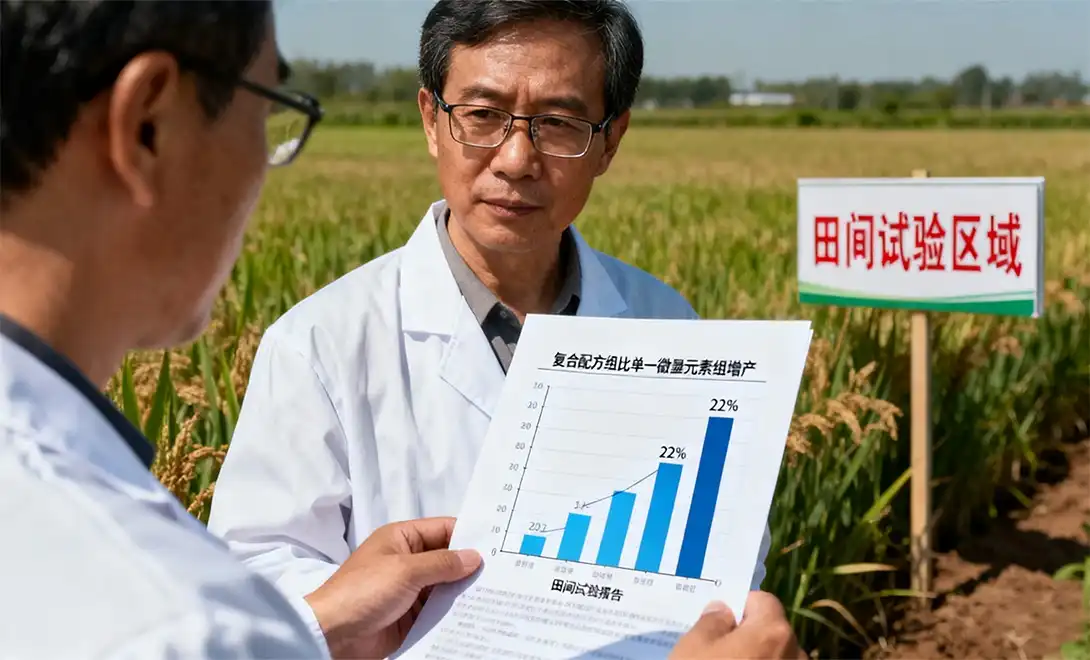
Set up unambiguous key performance indicators for crop and environmental parameters to make data-driven decisions. Separate the number and quality criteria to estimate yield. Because premium biostimulants improve fruit size, colour, and sugar content more than biomass, they increase useful yield. Physical changes precede yield impacts. Leaf chlorophyll content evaluated using SPAD meters, root system design studies, and stress biomarker investigations may demonstrate these variations. Environmental impact tracking measures nutrient utilisation by studying soil and plant tissues. This proves plants can acquire nutrients with less fertiliser. In areas with little water, drought-tolerant plants save money on watering. Carbon footprint studies examine how much less fertiliser is needed and produced, reducing pollution. This supports food retailers' and manufacturers' growing "green" claims. Following these outcomes via scheduled field trials and farmer feedback creates solid case studies that justify greater pricing and market uptake.
Emerging Innovations Shaping the Future
Driven by plant science, fermentation technology and precision farming, the biostimulant business keeps generating new ideas. In yeast-derived peptide manufacturing, the shift is toward precise, full-spectrum enzymatic hydrolysis that concentrates oligopeptides below 1000 Da to over 75–80% of the peptide fraction, giving faster absorption and higher biological activity than conventional acid or alkaline hydrolysis . Nanotechnology coatings protect bioactive chemicals and enable controlled release, so treatments last longer and are needed less often. AI systems analyse multi-season field data to determine optimal timing, doses and mixes for each soil, crop and temperature—moving from broad principles to hyper-localised precision agronomy. Gene expression profiling identifies beneficial compounds and explains how they work; yeast peptides are already studied as signalling molecules that steer plant gene expression rather than serving only as nutrients, speeding up ingredient discovery and regulatory approval .
Purchasing managers who pay attention to these innovations can gain strategic insights that enable them to evaluate next-generation sources of raw materials and secure raw materials that provide a competitive advantage as global agriculture moves toward greater sustainability.
Conclusion
It is smart to choose high-quality Premium Biostimulant Ingredients for sustainable farming because they will help crops grow better and are better for the earth. These unique chemicals use biological messages to make genes work better. They can be used with standard fertilisers and help plants depend less on them. If you want to be successful, you need to carefully check the molecular specs, the skills of providers, and legal compliance while keeping your buying goals in mind. You can get cutting-edge goods and be sure of their quality and technical help if you work with creative people who make them. Premium biostimulants are becoming more and more important for meeting the needs of both economic success and sustainability in global food systems. This is because farming is moving toward more climate-resistant and renewable methods.
FAQ
1. What distinguishes premium biostimulants from standard grades?
What's different about Premium Biostimulant Ingredients that cost a lot from those that don't? The more expensive biostimulant drugs are purer, have better molecular weight distribution, and have useful molecules that have been kept. Analytical tests like spectrophotometric analysis and HPLC aminograms are used to check these traits. They always do their job, even when the temperature changes, and they can handle complicated tank-mix recipes without any problems. An unnamed mix of standard grades often has different amounts of bioactivity and impurities that make the mixture less stable and less useful in the field.
2. How quickly do premium biostimulants deliver visible results?
How quickly do biostimulants that work well start to show results? In just a few hours, changes in gene expression set off the body's response to stress and food carriers were made. The benefits, such as recovering turgor pressure after wilting or raising chlorophyll production, are generally easy to see three to seven days after treatment. At the end of the growth season, there are long-term benefits like more and better crops. The treatments work best when they happen during important stages of growth or times of stress.
3. What molecular weight range is considered optimal for agricultural peptides?
Most research and commercial biostimulant formulations focus on peptides below 1,000 Da. Within this range, short-chain peptides generally exhibit higher solubility, faster mobility within plant tissues, and stronger biological activity. However, effectiveness depends not only on molecular weight but also on amino acid composition, peptide sequence, and production technology.
Partner with LYS for Superior Biostimulant Solutions
Work together with LYS to get the best biostimulant options. Because it has its own Full-Spectrum Directed Enzymatic Hydrolysis Technology and has been making high-quality Premium Biostimulant Ingredients for more than 70 years, LYS is the best in the field. With molecular weights below 1000 Daltons and peptide amounts above 80%, our yeast-derived small-molecule peptides are the most bioavailable on the market. This means the body can use them right away, and they keep working even when it's stressed out. Every year, we can make up to 10,000 metric tons of goods. Our chloride-free versions are safe for sensitive tasks like spraying from the air and sealing seeds. Manufacturers of agrochemicals and specialty fertilisers can get the security, purity, and efficiency they need from this. Plants heal faster and are stronger when we use our special nucleotide makeup on them. This directly solves the problems with quality and output that high-value food production all over the world has. LYS can help you if you need a trusted source for large amounts of high-quality biostimulant ingredients, want to work together on new projects, or want to find new raw materials to add to your product line. They provide full expert help and quality that is always the same and is backed by strict analytical testing. You can email our team at alice@aminoacidfertilizer.com to talk about how our approved goods can help you make your recipes better and make you more competitive in markets for sustainable agriculture.
References
1. du Jardin, P. (2015). Plant biostimulants: Definition, concept, main categories and regulation. Scientia Horticulturae, 196, 3-14.
2. Yakhin, O. I., Lubyanov, A. A., Yakhin, I. A., & Brown, P. H. (2017). Biostimulants in plant science: A global perspective. Frontiers in Plant Science, 7, 2049.
3. Colla, G., & Rouphael, Y. (2015). Biostimulants in horticulture. Scientia Horticulturae, 196, 1-2.
4. Calvo, P., Nelson, L., & Kloepper, J. W. (2014). Agricultural uses of plant biostimulants. Plant and Soil, 383, 3-41.
5. Ertani, A., Schiavon, M., & Nardi, S. (2017). Transcriptome-wide identification of differentially expressed genes in Solanum lycopersicon L. in response to an alfalfa-protein hydrolysate using microarrays. Frontiers in Plant Science, 8, 1159.
6. Lucini, L., Rouphael, Y., Cardarelli, M., Canaguier, R., Kumar, P., & Colla, G. (2015). The effect of a plant-derived biostimulant on metabolic profiling and crop performance of lettuce grown under saline conditions. Scientia Horticulturae, 182, 124-133.

Tell us your needs — we’ll provide the right solution for your crops and markets.
Innovating Agriculture with Yeast-Derived Amino Acid Peptides