Biostimulant Solutions for High-Value Crops
Raising high-grade fruits, vegetables, and speciality crops requires optimal productivity and quality. As a novel agricultural input beyond fertiliser, biostimulants, particularly amino acid biostimulant peptide formulations, are important. These products boost plant metabolism and stress resistance rather than providing nutrition. Agrochemical makers, distributors, and large-scale farmers may employ amino acid peptide biostimulants to help crops tolerate stress, absorb nutrients, and recover from injury. These biostimulants may reduce drought stress, salinity, and pesticide phytotoxicity.
Understanding Amino Acid Biostimulants and Their Role in Crop Growth
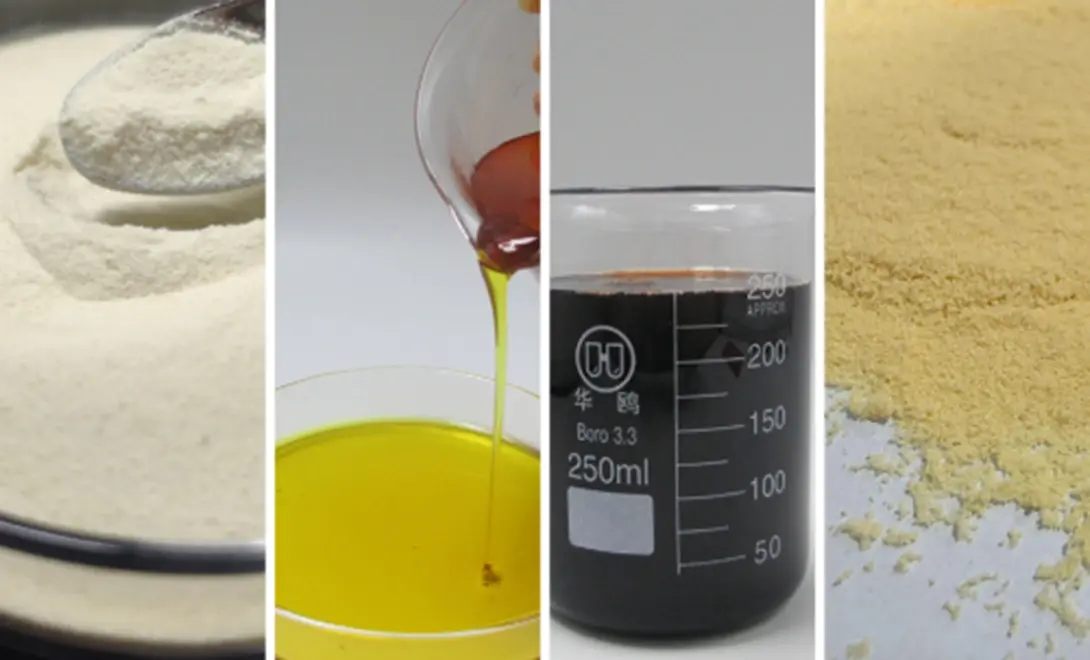
Normal nitrogen fertilisers are not amino acid biostimulant peptides. Breaking down high-quality protein sources with water produces free L-amino acids and short-to-medium chain peptides. The main distinction is that they are metabolic activators and signalling molecules, not nutritional additions.
When plants consume pre-made amino acids and peptides, they save biological energy from making them from inorganic nitrogen. This conserves energy for plant growth, reproduction, and stress protection. The peptides prevent drought-induced osmotic stress, inhibit heat-induced stomatal openings, and chelate minerals for plant usage in acidic soils.
How Peptides Enhance Metabolic Efficiency
Plants generate amino acids on their own, utilising complex molecular mechanisms that need ATP. Because peptide biostimulants directly provide these building blocks, plants may employ their saved energy to develop blooms, roots, or respond to stress. This physiological benefit is especially important when energy supplies are scarce, such as during development phases or harsh weather.
The Role of Molecular Weight in Absorption
Many of the finest amino acid peptide biostimulants have molecular weights under 1000 Daltons. Small compounds may be readily absorbed by leaf stomata and surfaces. They may be promptly absorbed by the roots and circulated by the plant. Higher molecular weight products clean soil and feed microorganisms rather than stimulate plant metabolism.
Amphoteric Properties and Nutrient Chelation
Because they contain acidic and basic functional groups, peptides and amino acids are amphoteric. They combine well with iron, zinc, manganese, and other metal micronutrients due to their unique chemistry. Neutral peptide-mineral complexes remain soluble and accessible to plants in high-pH soils, while minerals settle and become unavailable.
Key Benefits of Amino Acid Biostimulants for High-Value Crops
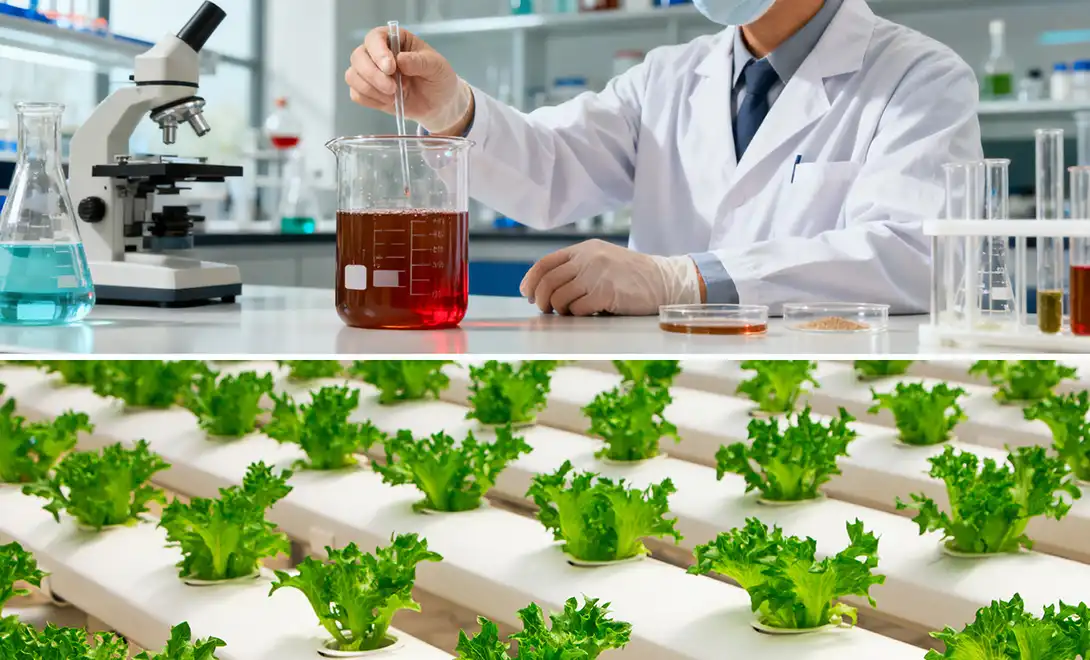
For high pricing, high-value crops require consistent quality, appearance, and growth. Amino acid biostimulants directly affect farmers' profits in various scenarios. A tailored amino acid biostimulant boosts agricultural profitability in many settings.
Abiotic Stress Mitigation in Harsh Environments
Drought, high temperatures, and high salinity can damage crops, leading to reduced yields and quality. Spraying peptide biostimulants onto crop leaves before or after stress occurs can trigger defensive responses. High-quality formulations contain proline, which helps maintain cellular water balance and photosynthesis even when untreated plants have ceased metabolic activity.
Enhanced Nutrient Uptake Efficiency in Variable Soil Conditions
Plants struggle to obtain nutrients from saline or alkaline soils. In drip irrigation systems, amino acid- and peptide-based biostimulants can increase the population of rhizosphere microorganisms and alleviate osmotic stress on root hairs. The chelating properties of peptides convert solid minerals into complexes that plants can absorb, thereby improving nutrient use efficiency.
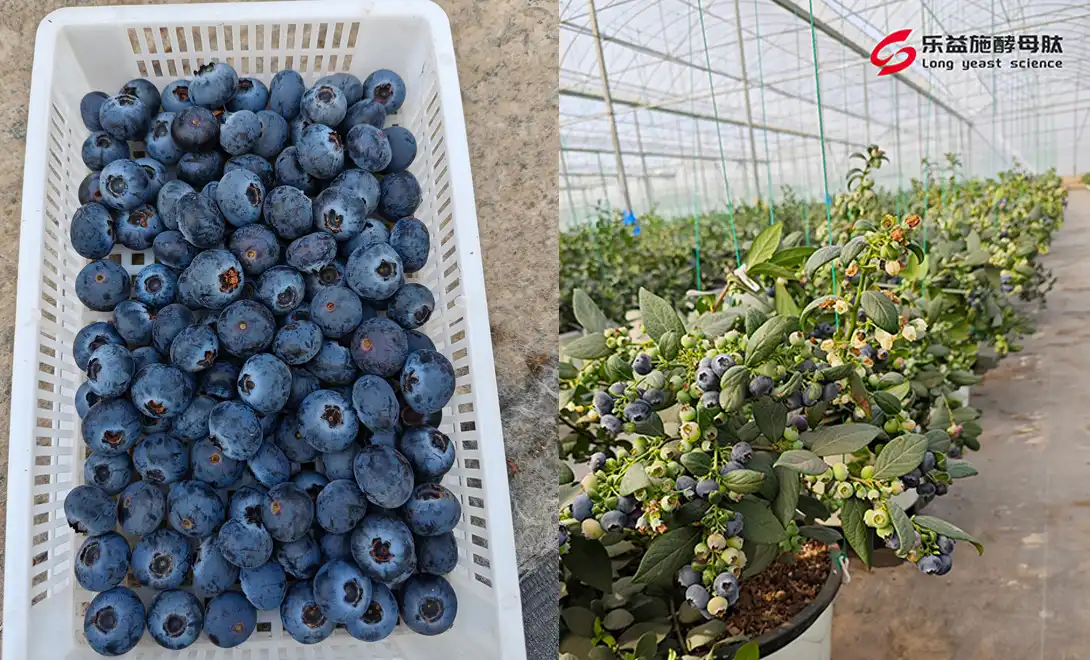
Farmers growing cotton, sugarcane, or betel nut in nutrient-poor soils can achieve greater returns on their fertilizer investments. Strawberry, banana, and pineapple growers have reduced their use of chemical fertilizers while maintaining yields. This increased efficiency not only boosts economic returns but also promotes environmental sustainability.
Accelerated Recovery from Agrochemical Phytotoxicity
We need systemic fungicides, pesticides, and insecticides to safeguard crops. Some substances stress plant tissues. Strong pesticide application causes "energy shock"; amino acid biostimulants reduce it. Mixing peptides with crop protection chemicals in a tank helps the active substances pass membranes and promote plant healing mechanisms.
This impact benefits agrochemical manufacturers, product developers, and distributors who support farmers with integrated pest management systems. Keeping crops healthy and eliminating pests provides you with an advantage in the top agricultural markets.
Quality and Yield Enhancement Through Nucleotide Activity
Advanced peptide biostimulants include nucleotides to expedite tissue healing, increase disease resistance, and develop grains and fruits. These substances produce DNA and RNA, which speed cell division during reproduction. The result is larger fruits, greater colour development, more sugar, and longer shelf life, which indicate higher quality and higher costs.
Types of Amino Acid Biostimulants
How well and how quickly you get your money back depend on which type of peptide biostimulant you use and how you apply it. Knowing the differences between production methods and recipe types helps you make smart choices about what to buy. The choice of an amino acid biostimulant type fundamentally determines efficacy and return on investment.
Enzymatic Vs. Chemical Hydrolysis: Critical Quality Differences
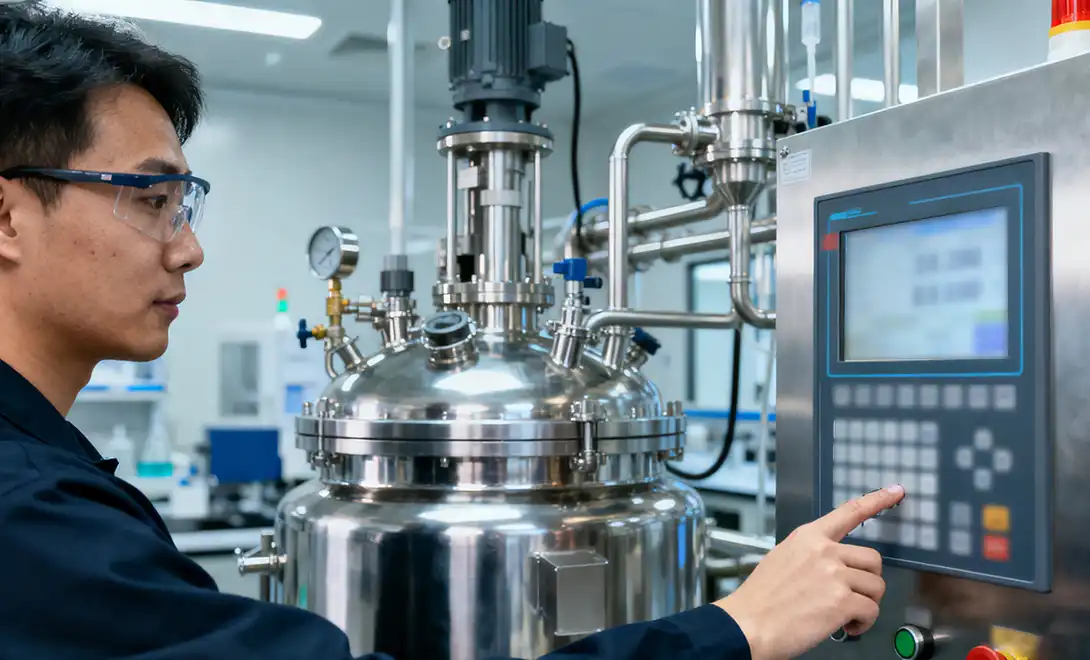
The method used to prepare biostimulants has a significant impact on their quality and efficacy. Under controlled temperature and pH conditions, specific proteolytic enzymes are used for enzymatic hydrolysis to break down protein chains. This gentle method preserves the natural L-isomer structure of amino acids, protects heat-sensitive amino acids such as tryptophan, and produces peptides with an optimal molecular weight distribution.
In contrast, chemical hydrolysis involves the use of strong acids or strong bases at high temperatures to break down proteins. Although less expensive, this harsh process damages sensitive amino acids, produces D-isomers that are physiologically inactive, and generates byproducts with a high salt index, thereby compromising the product’s safety and efficacy.
The LYS-patented FSDT enzymatic hydrolysis method has been improved over seven decades, starting in 1951. It is the best way to make high-bioavailability peptide biostimulants with molecular weights below 1000 Daltons that make up more than 80% of the total peptide content.
Premium Yeast Protein Source Advantages
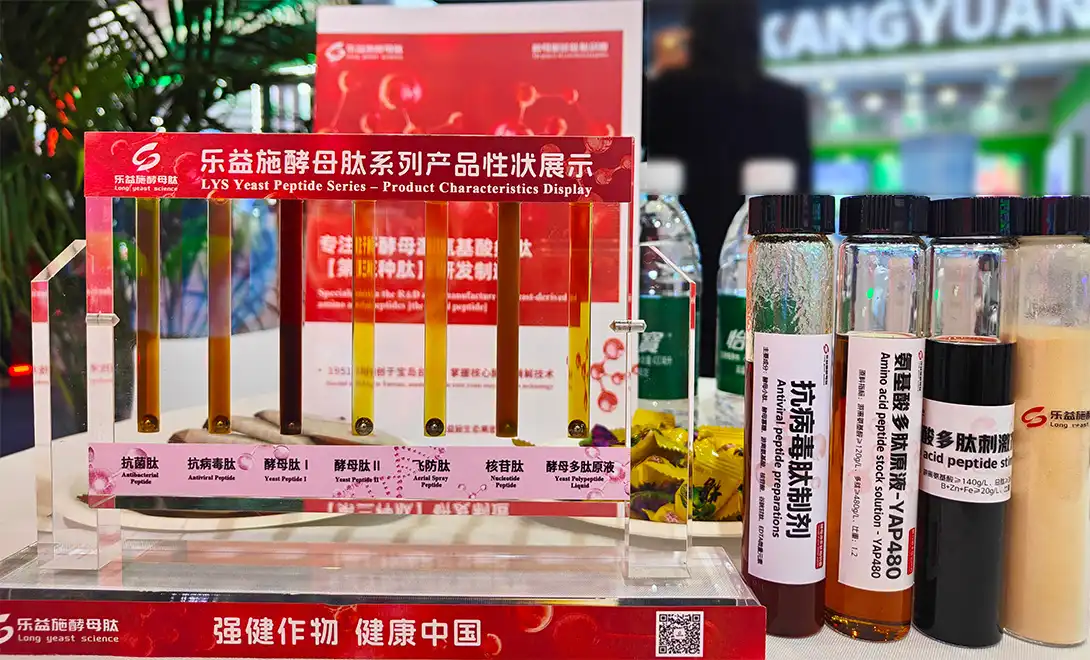
The amino acid makeup and bioactivity of the end biostimulant are directly affected by the quality of the protein source. With a protein content exceeding 60%, yeast protein is the third-largest source of high-quality protein, following animal and plant proteins. Yeast-derived peptides offer a balanced range of amino acids, don't pose any risks of animal disease, and provide uniform quality across production runs. LYS keeps up a production capacity of 10,000 metric tons of yeast-derived small-molecule peptides per year, which makes sure that there is a steady supply for buying in big quantities.
Premium peptide biostimulants can be mixed safely with most fertilisers and pesticides because they don't contain salt and don't change when heated. This compatibility makes application procedures easier and cuts down on labour costs, which are very important for business plantations and large-scale farming operations. Safe for saplings, seed coating, and overhead spraying, which increases the number of ways it can be used in different types of crops.
Procurement Considerations for Sourcing Amino Acid Biostimulants
Biostimulant goods that are unique and work well are in higher demand among B2B procurement managers and wholesalers. To find suppliers you can trust to offer consistent quality, you need to look at a lot of technical and business factors when sourcing an amino acid biostimulant.
Quality Control Metrics That Define Product Excellence
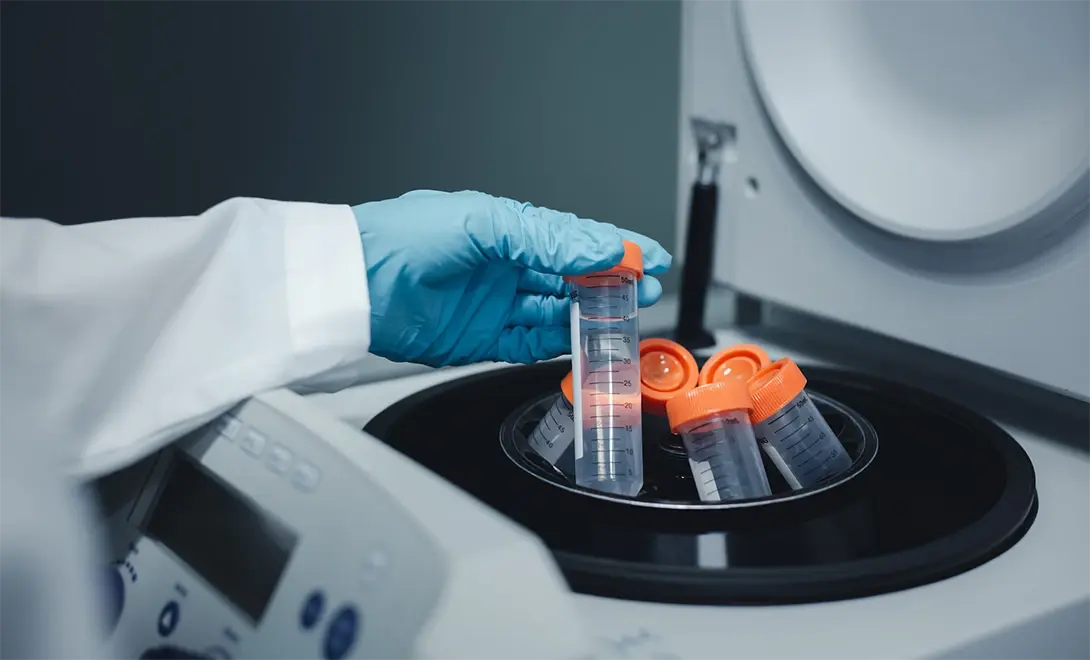
Premium peptide biostimulants are different from common goods because they are put through strict scientific testing. The ratio of free amino acids can be measured using HPLC, and high amounts of useful amino acids like proline (which helps the body handle stress), glycine (which helps with chelation), and glutamic acid (which helps the body grow) can be confirmed. The degree of hydrolysis test proves the presence of bioactive peptides instead of raw protein. Racemisation testing makes sure that L-amino acids are more common than inactive D-isomers, which can be a sign of hard chemical processing.
Arsenic levels should be below 10 parts per million (ppm), lead levels should be below 10 ppm, and cadmium levels should be below 5 ppm. This can be shown by an ICP-MS study of heavy metals. Testing for solubility and stability shows that the products stay the same at all temperatures and don't separate in low-pH tank mixes with agrochemicals. Suppliers who provide thorough analytical data show that they care about quality and openness.
Technical Support Capabilities for Market Success
Supplier expert help is just as important as product quality when it comes to breaking into new markets. When agrochemical companies make new formulas, they need to work together on stability tests, compatibility trials, and field effectiveness evaluations. When distributors go into new areas, they need crop-specific instructions for how to apply the product, suggestions for how much to use, and training tools for end users and expert teams.
Suppliers who can make feeding plans that are special to crops, soil conditions, and temperature problems are truly valuable partners. Long-term relationships and brand loyalty are strengthened by having access to agricultural experts who know the limits of area production and can fix problems with applications. Giving samples for field trials lets you make sure everything works before committing to large amounts, which lowers the risk of buying something.
Commercial Terms for Sustainable Partnerships
The way prices are set should represent the quality of the product while still being affordable. To get an exact ROI estimate, you need to know the cost per hectare treated instead of just the cost per kilogram bought. There are discounts for big sales and different payment terms to fit the needs of all types of businesses, from small speciality distributors to large farming supply lines.
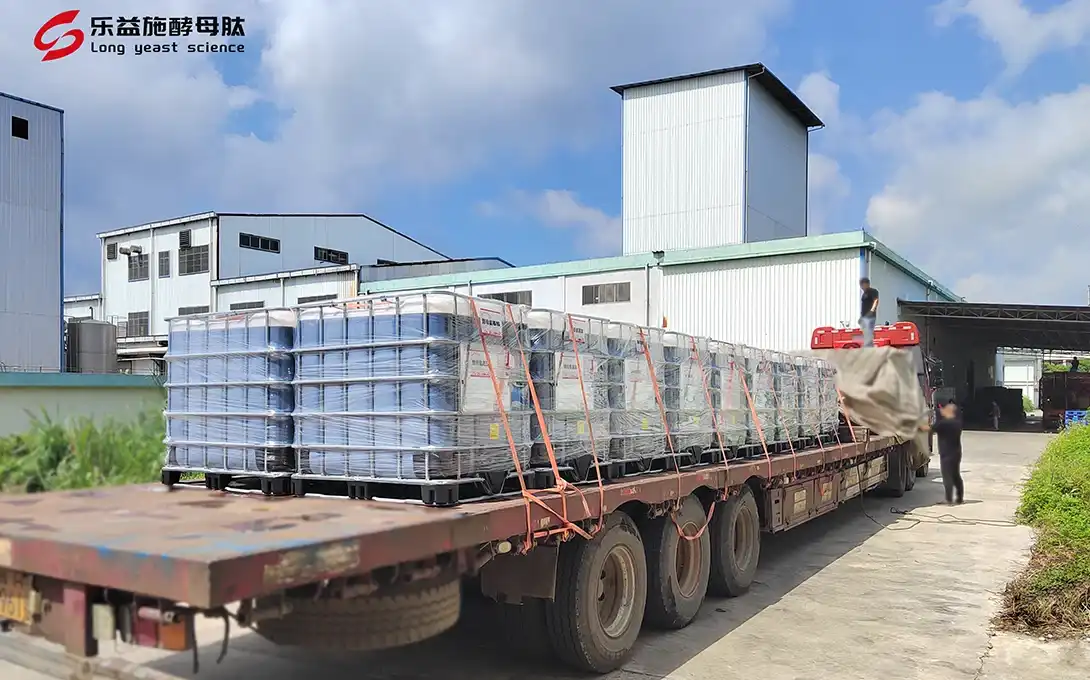
When it comes to foreign trade, logistics skills are very important. Managing export paperwork, providing different sizes of packaging, and keeping extra goods on hand are all things that suppliers do to make sure that supplies stay steady. For agrochemical OEM/ODM relationships to work, it's important to be able to increase production, keep stability from batch to batch, and change formulas to meet specific needs.
Certifications and Regulatory Compliance
Different legal systems must be followed in order to do business in international markets. Organic certification makes it easier for approved organic production methods to get into new markets. Getting into a market faster is helped by registering documents for import permits in target countries. ISO quality management standards show that quality control is done in a planned way. Maintaining full legal compliance by suppliers lowers buying risk and lets the market grow.
Future Trends and Innovations in Amino Acid Biostimulant Solutions
The biostimulant sector is developing rapidly due to agricultural issues, new technology, and market need for long-term growth. Knowing new amino acid biostimulant solution purchasing patterns might provide organisations with an advantage.
Advanced Formulation Technologies
Next-generation peptide biostimulants are stronger due to many bioactive ingredients. When blended with humic compounds, they increase soil health and plant growth. Combining peptide-chelated compounds suits the demands of several crops. Slow-release packaging extends bioactivity and reduces application frequency.
Higher solubility and concentration allow high-analysis items, lowering transportation, storage, and packaging expenses. Proprietary stabilisation solutions keep shelves stable and bioactive during lengthy storage and temperature fluctuations. Better planning makes things simpler and more beneficial for end users and cheaper for the supply chain.
Integration with Precision Agriculture Systems
Data-driven digital farm systems with weather predictions, soil sensors, and crop monitoring drones recommend apps. Peptide biostimulants with variable rate application techniques provide field-specific input management and optimisation. Linking product performance data to yield maps illustrates ROI and promotes precision agriculture.
When suppliers develop genuine commodities, digital tools, and decision support systems that operate with them, they create integrated solutions that farmers interested in new technology and agricultural investment businesses interested in new concepts would enjoy.
Market Growth in High-Value Crop Sectors
High earnings, a larger selection of foods, and the ability to sell items are increasing worldwide high-value crop output and biostimulant demand. Distribution and trading are popular in Southeast Asia, the Middle East, Europe, and Latin America due to better agricultural or high-value food-producing environments.
Strong food safety regulations and consumer demand for residue-free food are pushing the need for long-term crop protection and nutrition solutions. Suppliers that utilise peptide biostimulants with integrated pest management and sustainable intensification may succeed in these increasing markets.
Sustainability and Carbon Footprint Considerations
More and more, buyers of agricultural inputs look at environmental factors along with crop success. Biostimulants that lower the total amount of fertiliser needed lower greenhouse gas pollution linked to nitrogen. Companies that promise to be environmentally friendly will use products that come from sustainable protein sources and require little energy to process.
Agricultural investment companies and multinational traders are interested in suppliers who keep records of life cycle assessments, carbon footprints, and sustainability efforts. They want to buy goods with interesting market stories that combine innovation, performance, and environmental responsibility.
Conclusion
Biostimulants made of amino acids have been shown to help high-value food producers deal with growing crop problems and higher quality standards. These metabolic activators improve food quality, nutrient efficiency, and stress tolerance in a way that can be measured. This has a direct effect on profits. Companies that make agrochemicals, they provide useful raw materials that let them make different kinds of products. Distributors can get their hands on high-end goods that appeal to high-margin customers. Large-scale growers make more money because their crops are higher and their input costs are lower. If you know about the science behind peptide biostimulants, how they work, and how they can be used, you can make smart choices about what to buy, which helps farms stay profitable and sustainable.
FAQ
1. What distinguishes enzymatic from chemical hydrolysis in peptide biostimulant production?
Enzymatic hydrolysis keeps the shape of L-amino acids and heat-sensitive amino acids like tryptophan, which makes peptides that are highly bioavailable. Chemical hydrolysis breaks down sensitive amino acids and makes inactive D-isomers and high-salt leftovers, which lowers the quality and effectiveness of the product.
2. Can amino acid peptide biostimulants replace NPK fertilisers?
Not at all. These biostimulants work with macronutrient fertilisers instead of replacing them. They make it easier for plants to take in NPK, which could mean that less fertiliser is needed to keep yields the same. However, they don't give plants enough nitrogen, phosphorus, or potassium to meet all of their needs.
3. Are peptide biostimulants compatible with copper or sulfur-based fungicides?
You should be careful. When mixed with high amounts of copper or sulfur, peptides can make cell membranes more permeable, which could lead to too much absorption and plant damage. Jar checks must be done, and applications should be made outside of high-heat times to lower the risk.
4. How does molecular weight affect biostimulant performance?
Peptides with less than 1000 Daltons are quickly absorbed by plants through their leaves and roots, helping metabolism directly. Different benefits are provided by higher molecular weight parts, which work better as soil conditioners and microbial sources than as plant metabolic boosters.
Partner with LYS: Your Trusted Amino Acid Biostimulant Supplier
LYS provides high-quality yeast-derived amino acid biostimulants that meet the strict requirements of B2B farming markets around the world. Our unique FSDT enzyme hydrolysis technology, which has been improved over seven decades, creates small-molecule peptides with over 80% of their weight being less than 1000 Daltons. This ensures that the nutrients are highly bioavailable and that crops do well. We firmly serve agrochemical makers, foreign wholesalers, and large-scale farming operations in a wide range of markets thanks to our production capacity of 10,000 metric tons per year. Our chloride-free versions stay stable at all temperatures, so they can be mixed safely with herbicides and fertilisers to make application easier. LYS products contain special nucleotides that speed up crop healing, make it more resistant to stress, and improve the quality of fruit and grain. These products give your customers the unique, high-value options they want. Please email alice@aminoacidfertilizer.com if you need detailed information, samples, or help making a recipe that works best for your crops and market needs.
References
1. Colla, G., Nardi, S., Cardarelli, M., Ertani, A., Lucini, L., Canaguier, R., & Rouphael, Y. (2015). Protein hydrolysates as biostimulants in horticulture. Scientia Horticulturae, 196, 28-38.
2. Halpern, M., Bar-Tal, A., Ofek, M., Minz, D., Muller, T., & Yermiyahu, U. (2015). The use of biostimulants for enhancing nutrient uptake. Advances in Agronomy, 130, 141-174.
3. Ertani, A., Cavani, L., Pizzeghello, D., Brandellero, E., Altissimo, A., Ciavatta, C., & Nardi, S. (2009). Biostimulant activity of two protein hydrolysates in the growth and nitrogen metabolism of maize seedlings. Journal of Plant Nutrition and Soil Science, 172(2), 237-244.
4. Lucini, L., Rouphael, Y., Cardarelli, M., Canaguier, R., Kumar, P., & Colla, G. (2015). The effect of a plant-derived biostimulant on metabolic profiling and crop performance of lettuce grown under saline conditions. Scientia Horticulturae, 182, 124-133.
5. Du Jardin, P. (2015). Plant biostimulants: Definition, concept, main categories and regulation. Scientia Horticulturae, 196, 3-14.
6. Colla, G., Hoagland, L., Ruzzi, M., Cardarelli, M., Bonini, P., Canaguier, R., & Rouphael, Y. (2017). Biostimulant action of protein hydrolysates: Unravelling their effects on plant physiology and microbiome. Frontiers in Plant Science, 8, 2202.

Tell us your needs — we’ll provide the right solution for your crops and markets.
Innovating Agriculture with Yeast-Derived Amino Acid Peptides