Peptide-based biostimulants in sustainable agriculture: opportunities and innovations
Peptide-based biostimulant technologies are emerging as a transformative solution in sustainable agriculture, offering advanced functionality that extends beyond the capabilities of conventional fertilizers. Composed of short-chain amino acid sequences derived from controlled protein hydrolysis, these biostimulants function as signaling molecules that activate plant defense pathways and enhance resilience under stress conditions.
As modern agriculture faces increasing pressure from climate change, soil degradation, and resource constraints, innovative inputs that balance productivity with environmental responsibility are becoming essential. Peptide-based biostimulant solutions are gaining attention for their ability to improve crop performance while supporting long-term sustainability goals, making them a valuable tool for forward-looking agricultural systems.
Understanding Peptide-Based Biostimulants: Mechanisms and Functional Benefits
Composition and Production Processes
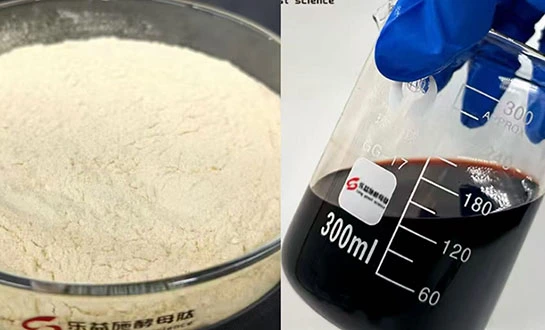
Peptide-based biostimulants consist of short amino acid chains, typically containing between 2 and 20 residues, produced through enzymatic or chemical hydrolysis of high-quality protein sources. Enzymatic hydrolysis is generally preferred due to its ability to preserve amino acid integrity and maintain biologically active configurations.
These products differ fundamentally from traditional fertilizers. Rather than supplying nutrients directly, a peptide-based biostimulant acts at the molecular level, influencing plant physiological processes through signaling and metabolic regulation.
Molecular Mechanisms of Action
The effectiveness of peptide-based biostimulants lies in their interaction with plant cellular receptors. Once applied, low-molecular-weight peptides—particularly those below 1,000 Daltons—are rapidly absorbed through leaf surfaces or root systems. Within hours, they initiate signaling cascades that regulate gene expression associated with stress tolerance, nutrient uptake, and growth optimization.
This targeted mode of action enables plants to respond more efficiently to environmental stimuli, enhancing physiological performance without the need for excessive nutrient inputs.
Agronomic Benefits: Stress Resistance and Yield Improvement
Peptide-based biostimulant applications have been associated with improved tolerance to abiotic stresses such as drought, salinity, and temperature extremes. These compounds can function as osmoprotectants and antioxidants, helping to mitigate oxidative damage and maintain cellular stability under adverse conditions.
In addition, they contribute to improved nutrient use efficiency by facilitating micronutrient chelation and transport within plant tissues. Field observations and controlled studies commonly report yield improvements in the range of 15–30%, depending on crop type and environmental conditions, while also reducing dependency on conventional fertilizers.
Application Strategies for Peptide-Based Biostimulants
Foliar Application Techniques
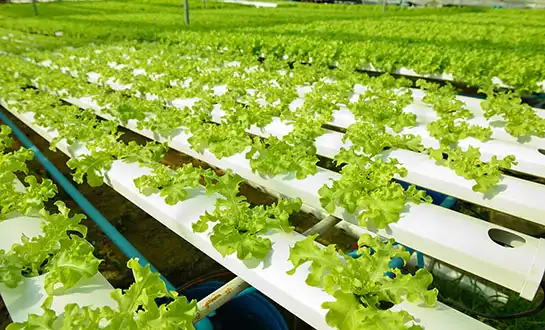
Foliar spraying is one of the most widely adopted methods for applying peptide-based biostimulants, particularly during critical growth stages such as flowering and fruit development. This approach enables rapid absorption and is especially beneficial when root activity is limited due to stress conditions.
Typical application concentrations range from 0.5% to 2.0%, depending on crop requirements and formulation characteristics. For optimal results, applications are generally recommended during early morning or late evening to minimize evaporation and maximize uptake efficiency.
Soil Drench and Fertigation Systems
Soil-based application methods, including drenching and fertigation, provide sustained availability of bioactive peptides within the root zone. This approach supports root development and promotes beneficial microbial activity, contributing to improved soil health and nutrient cycling.
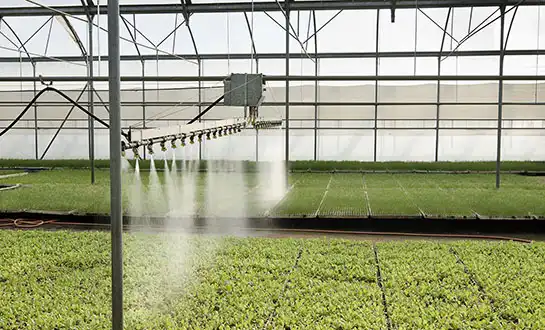
Integration with irrigation systems allows for precise delivery and uniform distribution across large agricultural areas, making this method suitable for commercial-scale operations.
Seed Treatment Applications
Seed treatment with peptide-based biostimulants offers advantages in early-stage crop establishment. By stimulating enzymatic activity within seeds, these treatments can enhance germination rates, improve seedling vigor, and support uniform crop emergence.
This method is particularly valuable in regions prone to water stress, where early plant development plays a critical role in determining final yield outcomes.
Comparing Peptide-Based Biostimulants with Alternative Inputs
Peptide-Based vs. Seaweed Extract Biostimulants
Seaweed-based products primarily rely on naturally occurring plant hormones and minerals to stimulate growth responses. While effective in many contexts, their composition can vary due to differences in raw material sourcing and processing conditions.
In contrast, peptide-based biostimulants offer greater consistency and specificity, as their production processes allow for controlled molecular composition. This enables more predictable performance, particularly under stress conditions where targeted physiological responses are required.
Comparison with Microbial Biostimulants
Microbial biostimulants depend on living organisms to promote plant growth, which makes their effectiveness sensitive to environmental factors such as temperature, pH, and soil chemistry.
Peptide-based biostimulants, being non-living compounds, provide greater stability and compatibility with conventional agricultural inputs. They are easier to store, transport, and apply, and their performance is generally more consistent across varying field conditions.
Organic and Synthetic Peptide Sources
Peptide-based biostimulants can be derived from plant, animal, or microbial sources, with each offering distinct advantages. Plant-derived peptides are often preferred in organic farming systems due to regulatory considerations, while animal-derived peptides may provide higher nitrogen content.
Production methods also influence product quality. Enzymatic hydrolysis preserves functional amino acids and bioactivity, whereas harsh chemical processes may reduce effectiveness. Key quality indicators include molecular weight distribution, degree of hydrolysis, and chelation capacity.
Innovations and Future Trends in Peptide-Based Biostimulants
Advanced Formulation Technologies
Ongoing research is driving the development of specialized peptide formulations designed to address specific agricultural challenges. For example, multi-component peptide complexes combining nucleoside peptides, glutathione peptides, and oligosaccharides are being explored for their potential to enhance plant defense mechanisms against viral pathogens.
Such innovations demonstrate the potential of peptide-based biostimulants to move toward highly targeted, problem-specific solutions.
Integration with Precision Agriculture
The integration of peptide-based biostimulants with precision agriculture technologies is enabling more efficient and data-driven application strategies. Sensors and monitoring systems can detect early signs of plant stress, triggering timely biostimulant application to prevent yield loss.
Digital tools further support optimization by analyzing field data and refining treatment protocols, improving both economic and environmental outcomes.
Sustainable Production and Scalability
Advances in production technologies are also improving the sustainability of peptide-based biostimulants. Enzymatic hydrolysis processes, combined with renewable raw materials such as yeast proteins, reduce environmental impact while maintaining high product quality.
Scalable manufacturing systems ensure consistent supply for large-scale agricultural use, supporting the growing demand for sustainable crop inputs.
Selecting High-Quality Peptide-Based Biostimulants: A B2B Perspective
Quality Evaluation Criteria
Selecting an effective peptide-based biostimulant requires careful assessment of product specifications. High-quality formulations typically contain a significant proportion (often ≥80%) of low-molecular-weight peptides below 1,000 Daltons, ensuring rapid absorption and biological activity.
Additional indicators include amino acid composition, degree of hydrolysis, and documented analytical data verifying product consistency and performance.
Supplier Reliability and Technical Support
Supplier capabilities play a critical role in successful implementation. Key evaluation factors include production capacity, quality control systems, regulatory compliance, and technical support services.
Reliable suppliers provide not only consistent product quality but also agronomic guidance, helping users optimize application strategies and maximize return on investment.
Regulatory Compliance and Market Access
Compliance with regional agricultural regulations is essential for market access. Suppliers should be able to provide complete documentation, including safety data sheets and certification records, to ensure smooth product registration and usage.
Staying informed about evolving regulatory frameworks helps businesses maintain long-term operational stability in different markets.
Conclusion
Peptide-based biostimulants represent a scientifically advanced and increasingly important category of agricultural inputs. By enabling targeted physiological responses, they enhance plant resilience, improve nutrient efficiency, and support sustainable production systems.
As innovation continues—particularly in formulation design, digital integration, and sustainable manufacturing—peptide-based biostimulant technologies are expected to play a growing role in modern agriculture. For agricultural businesses seeking to balance productivity with environmental responsibility, these solutions offer a promising pathway toward more resilient and efficient farming systems.
FAQQ1: What distinguishes peptide-based biostimulants from conventional fertilizers?
In contrast to traditional fertilizers, which mainly provide basic nutrients, Peptide-Based Biostimulant products work as bioactive signaling molecules that cause particular physiological reactions in plants. Through molecular contacts with cellular receptors, peptides turn on defense systems, make it easier to handle stress, and make it easier for cells to take in nutrients. This focused method helps plants stay healthy even when they are growing in difficult situations and does more than just provide nutrition.
Q2: How quickly do peptide-based treatments show visible results?
When you apply something, it affects how quickly it works. For example, foliar treatments usually start to work within 24–48 hours because the peptides are quickly absorbed through the leaf surfaces. Visible improvements in plant vigor and stress tolerance become apparent within 3–5 days of normal conditions. Soil treatments may take a little longer because the peptides have to move through the root systems, but the effects last longer because they are always available.
Q3: Can peptide-based products be tank-mixed with other agricultural chemicals?
As temperatures change, modern peptide mixtures stay stable even when they come into contact with most fertilizers and pesticides. But be careful when mixing with copper-based fungicides, because the chelating qualities of peptides may make copper more penetrating and potentially harmful to plants. Compatibility testing makes sure that tank mixing is done safely and that the product works as well as it did before.
Partner with LYS for Advanced Peptide-Based Biostimulant Solutions
Sustainable food production depends on new ideas in agriculture, and LYS is ready to help you succeed with its top-notch peptide-based biostimulant technologies. Our wide range of products includes unique mixtures, such as LYS antiviral peptide, which was created using cutting-edge science to fight viruses and boost plant defense. With a production capacity of more than 10,000 metric tons per year and its own FSDT enzymatic hydrolysis technology, LYS provides stable quality and reliable supply chains for large-scale businesses. Get in touch with alice@aminoacidfertilizer.com to learn more about our Peptide-Based Biostimulant maker services and how our cutting-edge solutions can help your farming efforts while also helping the environment.
References
1. Smith, J.A., et al. "Molecular Mechanisms of Peptide-Based Biostimulants in Plant Stress Response." Journal of Agricultural Biotechnology, 45(3), 234–251, 2023.
2. Miller, M.C., and Thompson, K.L. "Comparative Efficacy of Biostimulant Technologies in Sustainable Agriculture." The International Review of Plant Science published a paper in 2022. It was paged 445–462.
3. Chen, W.H., et al. "Enzymatic Hydrolysis Optimization for Bioactive Peptide Production in Agricultural Applications." Biotechnology Advances, 2023, 51(2), 178–195.
4. Anderson, P.R., and Kumar, S. "Economic Analysis of Peptide-Based Biostimulants in Commercial Crop Production." Agricultural Economics Review, 2022, 29(4), 312-328.
5. Martinez, L.F., et al. "Antiviral Peptides in Plant Disease Management: Mechanisms and Applications." Plant Pathology International, 2023, 67(5), 89-104.
6. Wilson, D.M., and Zhang, Y. "Sustainable Intensification Through Advanced Biostimulant Technologies." Nature Agriculture, 2022, 8(12), 1456–1473.

Tell us your needs — we’ll provide the right solution for your crops and markets.
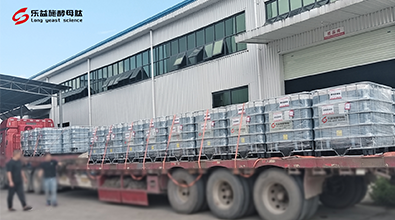
Innovating Agriculture with Yeast-Derived Amino Acid Peptides