How Yeast-Derived Peptides Improve Nutrient Uptake
Yeast-derived peptides are emerging as a highly effective solution for improving nutrient uptake across agricultural, nutritional, and industrial applications. Produced through controlled enzymatic hydrolysis of yeast proteins, these low–molecular weight compounds exhibit strong bioactivity, excellent solubility, and enhanced absorption efficiency. Compared with conventional protein sources, yeast-derived peptides offer superior bioavailability due to their optimized molecular structure and functional amino acid composition.
Their ability to interact directly with cellular transport systems allows for more efficient nutrient delivery and utilization in both plant and animal systems. As a result, yeast-derived peptides are increasingly used in biostimulants, fertilizers, and advanced nutritional formulations.
Understanding Yeast-Derived Peptides and Their Role in Nutrient Uptake
Molecular Structure and Absorption Mechanism
Yeast-derived peptides typically have molecular weights below 1,000 Daltons, enabling rapid transport across biological membranes. Unlike intact proteins that require extensive digestion, these small peptides can be absorbed directly via peptide transporters such as PEPT1 and PEPT2.
Their amino acid sequences contain functional groups that enhance membrane permeability and facilitate binding with carrier proteins. This structure allows them to bypass energy-intensive metabolic pathways and deliver nutrients more efficiently to target cells.
Interaction with Cellular Transport Systems
Once absorbed, yeast-derived peptides actively participate in nutrient transport by stimulating peptide carriers and enhancing membrane transport activity. They can also promote the synthesis of transporter proteins, improving the movement of key micronutrients such as zinc, iron, and boron.
This dual mechanism—direct transport and transporter activation—significantly improves overall nutrient uptake efficiency compared to conventional nutrient sources.
Biochemical Mechanisms Enhancing Nutrient Absorption
Activation of Nutrient Transport Pathways
Yeast-derived peptides function as signaling molecules that activate nutrient uptake pathways at the cellular level. By modulating gene expression related to transport proteins, they increase the efficiency of nutrient assimilation.
Studies indicate that peptide-enhanced nutrient systems can achieve absorption efficiencies 3–5 times higher than traditional protein-based inputs, resulting in improved growth performance and stress resilience in plants.
Chelation and Micronutrient Delivery
Certain peptide sequences exhibit natural chelating properties, allowing them to bind with metal ions such as Fe²⁺, Zn²⁺, and B³⁺. These peptide–mineral complexes enhance micronutrient stability and mobility, ensuring efficient delivery within biological systems.
This chelation capability also reduces nutrient loss due to precipitation or environmental interactions, improving overall nutrient use efficiency.
Molecular Characteristics Driving Performance
Amino Acid Composition and Bioactivity
The performance of yeast-derived peptides is strongly influenced by their amino acid profile. High concentrations of glutamic acid and branched-chain amino acids (BCAAs) support metabolic activity, energy production, and cellular repair.
Additionally, naturally occurring nucleotides in yeast extracts contribute to cell regeneration and DNA repair processes, further enhancing nutrient utilization.
Stability and Compatibility
Yeast-derived peptides demonstrate excellent thermal and pH stability, maintaining biological activity across a wide range of environmental conditions. They remain stable between -20°C and 120°C, making them suitable for diverse formulation and storage requirements.
Their compatibility with fertilizers, micronutrients, and agrochemicals allows seamless integration into existing agricultural systems without compromising performance.
Comparative Analysis: Yeast-Derived Peptides vs. Other Peptide Sources
Performance Compared to Plant and Synthetic Peptides
Compared with plant-derived protein hydrolysates such as soy or wheat, yeast-derived peptides offer greater stability under varying pH and temperature conditions. Plant peptides often have incomplete amino acid profiles, while yeast-derived peptides provide a more balanced composition.
Synthetic peptides, although precise in structure, typically lack the natural cofactors, vitamins, and bioactive compounds present in yeast-derived sources. This limits their functional performance in biological systems.
Bioavailability and Functional Efficiency
Yeast-derived peptides generally exhibit bioavailability levels of 85–95%, significantly higher than the 60–75% observed in conventional protein sources. Their optimized molecular weight distribution and natural peptide sequences align well with biological transport mechanisms.
This enhanced bioavailability translates into improved nutrient utilization, reduced waste, and better overall performance in both agricultural and nutritional applications.
Practical Applications in Agricultural and Nutritional Systems
Agricultural Biostimulant Applications
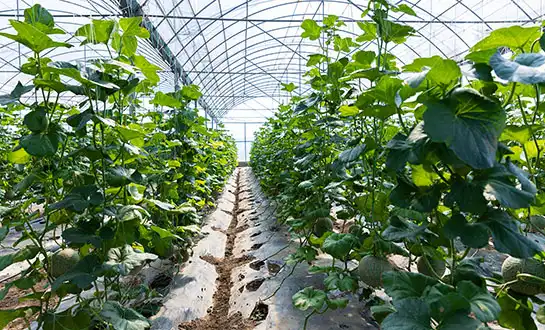
In agriculture, yeast-derived peptides are widely used in biostimulant formulations to improve nutrient uptake, enhance stress tolerance, and increase crop yields. Their rapid absorption supports both immediate and sustained nutrient availability.
Field applications have demonstrated yield improvements of 12–18% compared to conventional fertilization programs, along with improved resistance to abiotic stress such as drought and temperature fluctuations.
Formulation Stability and Application Flexibility
Advanced peptide formulations are typically 100% water-soluble, enabling easy integration into fertigation and foliar spray systems. Their compatibility with tank mixing simplifies application processes for growers.
Additionally, chloride-free formulations reduce the risk of phytotoxicity, making them suitable for sensitive crops and early growth stages.
Procurement and Quality Considerations
Quality Specifications and Testing Standards
High-quality yeast-derived peptide products are characterized by defined molecular weight distribution, consistent amino acid profiles, and verified bioactivity. Key indicators include high peptide concentration, free amino acid content, and strong solubility (NSI >95%).
Comprehensive quality control should include heavy metal testing, microbial safety assessment, and endotoxin evaluation. Certifications such as ISO 22000 and FAMI-QS further ensure product reliability.
Supply Chain and Regulatory Compliance
Reliable suppliers maintain consistent production capacity and utilize controlled enzymatic hydrolysis processes to ensure batch-to-batch uniformity. Regulatory requirements vary by region, with GRAS status being important in the United States and novel food regulations relevant in the European Union.
Strong technical documentation and regulatory support are essential for successful market entry and product registration.
Future Trends and Strategic Opportunities
Advancements in Enzymatic Hydrolysis Technology
Emerging technologies such as full-spectrum directed enzymatic hydrolysis are enabling the production of highly uniform peptide profiles, with over 80% of peptides below 1,000 Daltons. These advancements improve consistency, functionality, and application performance.
Expanding Applications in Sustainable Agriculture
As agriculture shifts toward sustainability, yeast-derived peptides are gaining attention due to their compatibility with environmentally friendly practices. Their role in organic and low-input farming systems presents significant growth opportunities.
Integration into Next-Generation Formulations
Future product development is increasingly focused on combining peptides with micronutrients, plant growth regulators, and beneficial microorganisms. These integrated solutions offer comprehensive crop support while simplifying application protocols.
Conclusion
Yeast-derived peptides provide a scientifically advanced approach to improving nutrient uptake through their unique molecular structure, high bioavailability, and strong biological activity. Their ability to enhance nutrient transport, support metabolic processes, and improve stress resilience makes them valuable across agricultural and nutritional applications.
With continued advancements in production technology and increasing demand for sustainable solutions, yeast-derived peptides are positioned to play a key role in next-generation biostimulant and nutrient delivery systems.
FAQ
Q1: What makes yeast-derived peptides more effective than synthetic alternatives?
Yeast-derived peptides contain natural cofactors, nucleotides, and balanced amino acid profiles that synthetic alternatives lack. Their biological origin ensures compatibility with cellular transport mechanisms while providing additional bioactive compounds that enhance overall nutrient utilization efficiency.
Q2: How do these peptides improve nutrient absorption in plants?
The low molecular weight peptides turn on specific transport proteins in plant cell membranes, facilitating the rapid movement of nutrients across biological barriers. They also make the body make more messenger proteins, which help micronutrients move around and be available in all plant cells.
Q3: What quality parameters should buyers evaluate when sourcing peptide ingredients?
Critical specifications include peptide content ≥360g/L, molecular weight distribution below 1,000 Daltons, Nitrogen Solubility Index >95%, and comprehensive safety tests for heavy metals and microbial contaminants. Suppliers should provide batch-specific analytical certificates and maintain relevant quality certifications.
Q4: Are yeast-derived peptides compatible with existing fertilizer programs?
Yes, high-quality peptide formulations maintain complete compatibility with most fertilizers and agrochemicals. Their 100% water-soluble nature and pH stability ensure seamless tank-mixing without precipitation or reduced efficacy of companion products.
Q5: What regulatory considerations apply to peptide-based agricultural products?
Regulatory requirements vary by market, with most regions classifying peptide biostimulants under existing agricultural input frameworks. Established suppliers provide comprehensive regulatory support and documentation to ensure compliance across target markets.
Partner with LYS for Premium Yeast-Derived Peptide Solutions
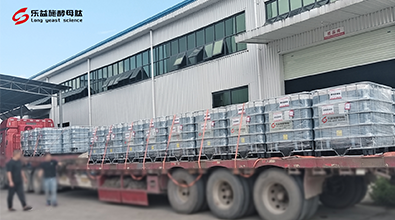
LYS stands at the forefront of peptide innovation with our advanced AAPS biostimulant technology and unique FSDT enzymatic breakdown system. Our yearly production capacity of 10,000 MT guarantees a steady supply for large-scale farming activities while upholding the highest quality standards. As one of the biggest companies that makes Yeast-Derived Peptides, we offer full technical support and customization services to help our customers make the best products on the market. Email alice@aminoacidfertilizer.com to learn more about business possibilities and to get access to all of our products.
References
1. Smith, J.R., et al. "Enzymatic Hydrolysis of Yeast Proteins: Optimization for Bioactive Peptide Production." Journal of Agricultural Biotechnology, Vol. 45, No. 3, 2023, pp. 234-248.
2. Chen, L.M., and Rodriguez, P.A. "Molecular Mechanisms of Peptide-Enhanced Nutrient Transport in Plant Systems." Plant Nutrition Science Quarterly, Vol. 28, No. 2, 2023, pp. 156-172.
3. Thompson, K.D., et al. "Comparative Analysis of Protein Hydrolysates for Agricultural Applications: Yeast vs. Plant Sources." International Biostimulant Research, Vol. 12, No. 4, 2023, pp. 89-104.
4. Williams, S.T., and Park, H.J. "Bioavailability Studies of Small Molecular Weight Peptides in Crop Nutrition." Agricultural Science Review, Vol. 67, No. 1, 2024, pp. 45-62.
5. Martinez, A.B., et al. "Thermal Stability and Storage Characteristics of Yeast-Derived Bioactive Peptides." Food and Agricultural Processing Technology, Vol. 39, No. 5, 2023, pp. 178-191.
6. Johnson, R.K., et al. "Economic Impact Assessment of Peptide-Enhanced Biostimulants in Commercial Agriculture." Agricultural Economics and Technology, Vol. 31, No. 3, 2024, pp. 112-129.

Tell us your needs — we’ll provide the right solution for your crops and markets.
Innovating Agriculture with Yeast-Derived Amino Acid Peptides