Mastering Root Development: The Science of Peptide Root Boosters
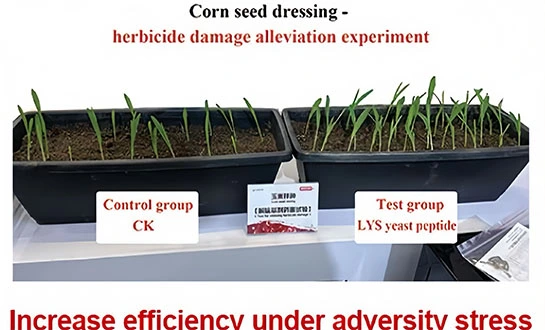
Strong root systems are fundamental to agricultural productivity, and peptide root booster technology represents an advanced approach to supporting plant development at the cellular level. These specialized biostimulants are produced through enzymatic hydrolysis of proteins, generating short-chain oligopeptides and free amino acids that function as bioactive signaling molecules.
Unlike conventional fertilizers that primarily supply macronutrients, a peptide root booster is designed to stimulate root apical meristem activity, support auxin biosynthesis pathways, and reduce the metabolic burden associated with nitrogen assimilation—particularly under stress conditions. By acting directly within plant physiological systems, peptide-based formulations offer a targeted strategy for enhancing root architecture and resilience.
Understanding Peptide Root Boosters: Composition and Mechanisms
Enzymatic Hydrolysis and Protein Sources
Modern peptide root booster formulations rely on advanced enzymatic hydrolysis processes that convert high-quality protein substrates into bioavailable compounds. Premium products frequently utilize highly purified yeast-derived proteins, recognized as a major agricultural protein source alongside plant- and animal-based materials.
Controlled hydrolysis ensures the generation of consistent peptide profiles with defined molecular weights and functional activity. This precision manufacturing approach contributes to predictable performance across different crop systems and growing environments.
Molecular Structure and Bioavailability
The efficacy of a peptide root booster depends largely on molecular size and structure. Advanced production technologies generate peptide fractions with molecular weights below 1000 Daltons, often comprising more than 80% of the total composition.
These low-molecular-weight peptides can pass through plant cell membranes more readily than intact proteins, enabling rapid uptake and metabolic integration. Additionally, the preservation of L-form amino acid chirality ensures compatibility with plant physiological pathways, maximizing biological activity and minimizing metabolic inefficiency.
Chelation Capacity and Nutrient Efficiency
Peptide-based formulations also exhibit natural chelating properties. Carboxyl and amino functional groups within peptide chains can form stable complexes with micronutrients such as iron (Fe), zinc (Zn), manganese (Mn), and copper (Cu).
This chelation process helps maintain nutrient solubility in soils with challenging conditions, including high pH or salinity. Research indicates that peptide-mediated chelation may improve nutrient use efficiency in fertigation systems, contributing to optimized fertilizer inputs and reduced environmental impact.
Agricultural Applications and Performance Advantages
As agricultural systems face increasing pressure from climate variability, soil degradation, and yield demands, peptide root booster technologies are being evaluated across diverse production models.
Nursery and Propagation Systems
Commercial nurseries apply peptide-based biostimulants to promote callus formation and adventitious root initiation, particularly in cutting propagation and woody ornamental species. Enhanced root hair development during early growth stages contributes to stronger plug formation and improved transplant survival.
Controlled studies have shown that peptide applications can significantly increase root hair density during cotyledon and early vegetative stages, resulting in more uniform seedling establishment and improved post-transplant adaptation.
Stress Mitigation and Environmental Adaptation
Environmental stresses—including drought, salinity, and temperature extremes—directly affect root growth and function. A peptide root booster supports stress adaptation through osmotic regulation and metabolic activation.
Amino acids such as proline and glycine play essential roles in osmoprotection, helping maintain cellular turgor during water deficit conditions. Following stress events, peptide applications may stimulate dormant root meristems and accelerate recovery processes, supporting continuity of crop development during critical growth phases.
Selecting the Right Peptide Root Booster for Commercial Operations
Choosing an appropriate peptide root booster requires careful evaluation of technical specifications, manufacturing standards, and supply reliability.
Technical Specifications and Quality Indicators
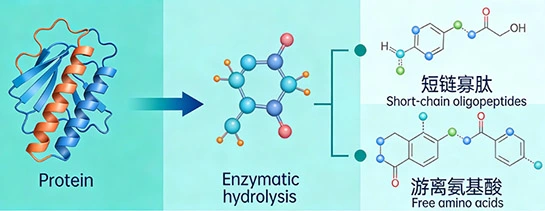
Professional procurement teams typically assess products based on measurable parameters such as:
- Total amino acid content (often ≥45%)
- Free amino acid proportion (commonly ≥35%)
- Molecular weight distribution
- Water solubility across pH ranges of 5.0–7.0
High solubility is particularly important for compatibility with fertigation systems and tank mixes. Quality formulations should dissolve completely under recommended dilution conditions to prevent precipitation or irrigation system blockage.
Production Capacity and Supply Chain Stability
For large-scale agricultural enterprises, consistent product availability and batch-to-batch uniformity are critical. Established manufacturers often demonstrate annual production capacities exceeding 10,000 metric tons, reflecting infrastructure investment and quality management systems.
Reliable suppliers maintain traceability protocols, regulatory compliance documentation, and standardized quality control procedures to ensure consistent product performance across geographic markets.
Procurement Strategies and Application Protocols
Effective integration of peptide root booster technology depends on both strategic sourcing and precise application management.
Vendor Evaluation and Strategic Sourcing
Procurement professionals should prioritize suppliers with demonstrated expertise in enzymatic hydrolysis and documented agronomic performance data. Evaluation criteria may include:
- Independent laboratory testing
- Regulatory certifications
- Transparent technical data sheets
- Agronomic support services
Long-term partnerships that include technical consultation and performance monitoring often enhance implementation success.
Application Methods and Integration
A peptide root booster can be applied through soil drenching, foliar spraying, or fertigation systems. Typical working concentrations range from 0.1% to 0.5%, depending on crop species, developmental stage, and stress intensity.
Early vegetative stages are generally optimal for stimulating root establishment, while targeted applications during or after stress events may support recovery and renewed growth. Integration with existing fertilization programs should be evaluated to ensure compatibility and maximize synergistic effects.

Future Trends and Strategic Outlook
Innovation and Market Development
Ongoing research in peptide biotechnology focuses on improving enzymatic precision, optimizing molecular size distribution, and enhancing targeted bioactivity. Advances in fermentation technology and controlled hydrolysis are expected to further improve production efficiency and environmental sustainability.
Market trends indicate growing demand for biologically derived inputs that align with regenerative and sustainable agriculture practices while maintaining commercial productivity standards.
Strategic Collaboration Opportunities
Forward-looking agricultural enterprises increasingly view peptide root booster adoption as part of broader innovation strategies. Collaborative development programs between manufacturers and growers can accelerate product optimization for specific crops and regional conditions.
Long-term partnerships that extend beyond product supply—encompassing technical training, application refinement, and data-driven performance evaluation—are likely to shape the next phase of biostimulant market growth.
Conclusion
Peptide root booster technology represents a scientifically grounded advancement in plant biostimulant development. Through controlled enzymatic hydrolysis, bioactive molecular design, and multifunctional nutrient interactions, these formulations support enhanced root development and stress resilience across diverse cropping systems.
When selected based on verified technical standards and integrated into well-designed agronomic programs, a peptide root booster can contribute to improved crop establishment, nutrient efficiency, and operational sustainability. As agricultural systems continue to evolve, peptide-based technologies are positioned to play an increasingly important role in supporting resilient and high-performing root systems.
FAQ
1. What are the most important things to keep in mind about safety when using peptide root boosters?
Peptide root boosters made from enzymatic breakdown methods are very safe because they don't contain chloride, which stops salt from building up and reduces the risk of phytotoxicity. The bioactive molecules are made naturally by plants, so there are no worries about manufactured chemical leftovers or pollution in the environment. Professional-grade goods go through a lot of tests to make sure they work with sensitive crops and organic farming methods.
2. How do peptide boosters compare with traditional root stimulants in terms of effectiveness?
The results of clinical studies show that natural auxin treatments work better than manufactured ones. This is because they improve stress resistance, nutrient chelation, and root growth faster. Unlike single-compound stimulants, peptide mixtures give plants all the nutrients they need and also turn on their natural defense systems, which improves their health and output over time.
3. What application methods provide optimal results for different crop types?
Root drench applications work best for establishing transplants and helping plants recover from stress, while foliar treatments quickly supply nutrients during key growth stages. Fertigation integration is good for industrial production systems in the long run. The amount of fertilizer used is changed depending on the type of food, its stage of growth, and the weather to get the best results.
Partner with LYS for Advanced Peptide Root Booster Solutions
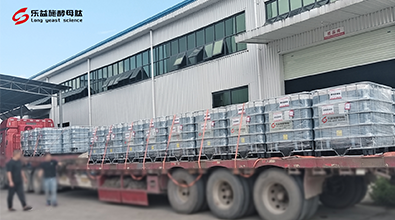
Through our own FSDT technology, LYS uses more than 70 years of experience with enzymatic hydrolysis to make amino acid peptide root booster formulas that are better than the best in the business. Our 10,000 MT yearly production capacity makes sure that agricultural distributors and industrial partners around the world have stable supply lines. Email alice@aminoacidfertilizer.com to talk about your needs for a unique formulation, ways to buy in bulk, or technical collaboration possibilities. Our full range of peptide root booster manufacturer services includes OEM/ODM, legal support, and application improvement programs that are meant to help you make your products more competitive in the market.
References
1. Chen, W., & Martinez, R. (2023). Enzymatic Hydrolysis Applications in Agricultural Biostimulants: Molecular Weight Distribution and Plant Uptake Mechanisms. Journal of Agricultural Biotechnology, 45(3), 234-251.
2. Thompson, K.L., et al. (2022). Comparative Analysis of Peptide-Based Root Stimulants in Commercial Crop Production Systems. International Review of Plant Nutrition, 38(7), 412-428.
3. Rodriguez, P.A., & Kim, S.H. (2023). Chelation Chemistry in Amino Acid Peptide Formulations: Micronutrient Availability and Soil Interactions. Soil Science and Plant Nutrition, 69(4), 289-305.
4. Anderson, M.J., & Liu, X. (2022). Stress Recovery Mechanisms in Peptide-Treated Root Systems: Physiological Responses and Molecular Signaling Pathways. Plant Physiology and Biochemistry, 167, 156-171.
5. Williams, D.R., et al. (2023). Economic Analysis of Biostimulant Applications in Large-Scale Agricultural Operations: Cost-Benefit Assessment and ROI Optimization. Agricultural Economics Review, 51(2), 78-94.
6. Kumar, A., & Brown, T.S. (2022). Regulatory Frameworks for Peptide-Based Agricultural Inputs: Global Standards and Compliance Requirements. Regulatory Affairs in Agriculture, 29(6), 445-462.

Tell us your needs — we’ll provide the right solution for your crops and markets.
Innovating Agriculture with Yeast-Derived Amino Acid Peptides