Increasing Rice and Maize Yields with Organic Peptide Fertilizers
Modern agriculture is at a critical turning point, where conventional fertilization strategies are no longer sufficient to meet rising global food demand while maintaining environmental sustainability. Organic peptide fertilizer has emerged as an innovative solution for rice and maize cultivation, addressing both productivity challenges and ecological concerns.
These advanced biostimulants combine natural protein derivatives with modern agricultural science, delivering higher nutrient-use efficiency than traditional synthetic inputs. Increasingly, agricultural professionals recognize peptide-based formulations as essential tools for enhancing crop performance while reducing environmental impact across diverse growing conditions.
Understanding Organic Peptide Fertilizer and Its Role in Yield Improvement
The Science Behind Peptide-Based Nutrition
Organic peptide fertilizer consists of carefully engineered oligopeptides and polypeptides derived from high-quality protein sources through enzymatic hydrolysis. These molecules typically have molecular weights below 1,000 Daltons, enabling direct absorption by plant roots and leaves via specialized peptide transporters. This efficient uptake mechanism allows plants to bypass energy-intensive nitrogen conversion processes and access nutrients immediately during critical growth stages.
The production process relies on controlled enzymatic reactions that preserve the L-amino acid configuration essential for biological activity. Unlike harsh chemical hydrolysis, which may generate inactive D-amino acids, enzymatic methods maintain natural peptide bonds that plants can readily recognize and utilize.
Enhancing Soil Microbial Ecosystems
Beyond direct plant nutrition, organic peptide fertilizer significantly improves soil microbial activity. By providing readily available carbon sources, it stimulates beneficial microorganisms in the rhizosphere, strengthening plant–microbe interactions. This enhanced biological activity improves nutrient cycling, organic matter decomposition, and soil structure development.
Research indicates that regular application of peptide-based fertilizers can increase microbial populations by up to 40% compared to conventional fertilization practices. These improvements contribute to better soil water retention, enhanced nutrient holding capacity, and reduced nutrient leaching over time.
Metabolic Advantages in Rice and Maize
Rice and maize are highly responsive to peptide-based nutrition due to their substantial nitrogen demand during vegetative and reproductive growth stages. Organic peptide fertilizer supports metabolic activity by activating plant defense mechanisms and enhancing tolerance to environmental stresses such as drought, salinity, and temperature fluctuations.
Field studies have demonstrated improved root development, enhanced photosynthetic efficiency, and better nutrient assimilation in peptide-treated crops. Additionally, the natural chelating properties of peptides increase the availability of micronutrients such as iron, zinc, and manganese, addressing common deficiencies that limit cereal crop productivity.
Application Strategies for Maximizing Rice and Maize Yields
Precision Application Methods
Efficient application is essential for maximizing the benefits of organic peptide fertilizer. These products can be applied through soil treatments, fertigation systems, and foliar spraying, offering flexibility across different agricultural practices.
Drip irrigation systems are particularly effective in precision agriculture, ensuring uniform nutrient distribution and minimizing waste. High-quality peptide fertilizers are fully water-soluble, preventing emitter clogging and maintaining consistent delivery. Recommended application rates generally range from 2 to 5 liters per hectare, depending on crop stage and environmental conditions.
Foliar application provides rapid nutrient uptake, especially under stress conditions or during periods of high nutrient demand. Due to their small molecular size, peptides penetrate leaf tissues quickly, with absorption typically occurring within hours. This method is especially effective for correcting deficiencies and supporting crops during adverse weather.
Growth Stage Optimization
Timing plays a critical role in achieving optimal results. In rice cultivation, early vegetative applications promote tillering and root establishment, while later treatments during reproductive stages enhance grain filling and quality.
Maize responds particularly well to applications during the V6–V8 stages, when leaf area expansion is rapid. Additional treatments during tasseling and grain filling further improve kernel development and overall yield potential. The sustained-release characteristics of organic peptide fertilizer ensure continuous nutrient availability aligned with plant physiological needs.
Documented Performance Results
Independent field trials across multiple agricultural regions consistently demonstrate yield improvements of 12%–18% in rice and 8%–15% in maize when using organic peptide fertilizer alongside conventional programs. These results, validated by research institutions, confirm the effectiveness of peptide-based nutrition in commercial production systems.
Additional benefits include improved grain quality parameters, higher protein content, and enhanced stress resilience. Economic analyses indicate favorable return-on-investment ratios, typically ranging from 3:1 to 4:1 depending on local conditions and management practices.
Comparing Organic Peptide Fertilizer with Conventional Alternatives
Performance Versus Synthetic Fertilizers
Traditional synthetic fertilizers provide immediate nutrient availability but often suffer from significant losses due to leaching, volatilization, and soil fixation. Nitrogen use efficiency in standard urea applications rarely exceeds 50%, leading to both economic inefficiencies and environmental concerns.
Organic peptide fertilizer addresses these limitations through natural chelation and controlled nutrient release. This protects nutrients from adverse soil interactions and ensures sustained availability for plant uptake. The organic carbon component further enhances microbial activity, improving long-term nutrient cycling and soil fertility.
In addition, peptide-based formulations inherently deliver micronutrients in bioavailable forms, reducing the need for separate micronutrient applications. This integrated nutrient delivery system simplifies fertilization strategies and reduces overall input costs.
Environmental Impact Assessment
Environmental sustainability is a key consideration in modern agriculture. Organic peptide fertilizer offers measurable ecological advantages, including reduced nutrient leaching, lower greenhouse gas emissions, and improved soil health.
In rice production systems, where water management is critical, reduced nitrogen and phosphorus runoff contributes to better water quality and ecosystem protection. Controlled-release properties minimize nutrient losses, supporting compliance with increasingly stringent environmental regulations.
Economic Considerations for Large-Scale Farming
Although the initial cost of organic peptide fertilizer may be higher than conventional inputs, comprehensive economic evaluations demonstrate strong long-term value. Improved nutrient efficiency, reduced application frequency, and increased yield potential contribute to favorable financial outcomes.
Bulk procurement strategies and long-term supplier agreements can further enhance cost competitiveness. These approaches ensure consistent product availability during key application periods and support stable production planning.
Selecting High-Quality Organic Peptide Fertilizer
Key Quality Parameters
Product quality is a critical determinant of performance. High-grade organic peptide fertilizer typically contains at least 40% oligopeptides with molecular weights below 1,000 Daltons, ensuring high bioavailability and effective plant utilization.
Total organic nitrogen content generally ranges from 8% to 15%, depending on raw materials and processing methods. Balanced formulations are essential, as excessively high concentrations may reduce usability or increase the risk of phytotoxicity under sensitive conditions.
Manufacturing standards also play a significant role. Certifications such as ISO and OMRI indicate consistent production quality and compliance with international standards.
Supplier Evaluation Criteria
Selecting reliable suppliers requires evaluating technical capabilities, production capacity, and quality assurance systems. Suppliers with strong R&D support and agronomic expertise can provide valuable guidance on application strategies and troubleshooting.
Comprehensive documentation, including product specifications and regulatory compliance records, is essential for ensuring smooth procurement and operational reliability. Long-term partnerships with reputable suppliers help maintain consistent product quality across growing seasons.
Regulatory Compliance and Certification
International trade in agricultural inputs requires adherence to regulatory frameworks. Standards such as EU Regulation 2019/1009 define requirements for biostimulant products, including safety testing, heavy metal limits, and labeling guidelines.
Certifications such as OMRI listing support use in organic farming systems, while country-specific registrations ensure compliance with local regulations. Suppliers should provide complete documentation to facilitate market access and regulatory approval.
Environmental and Economic Impact of Organic Peptide Fertilizer Use
Quantified Environmental Benefits
The adoption of organic peptide fertilizer delivers measurable environmental improvements. Studies indicate reductions in nitrogen leaching of 35%–45% compared to conventional fertilization programs, supporting water conservation and environmental protection efforts.
Enhanced soil health provides long-term sustainability benefits. Increased microbial activity, improved soil structure, and higher organic matter content contribute to resilient agricultural systems capable of maintaining productivity with reduced external inputs.
Life cycle assessments show that peptide-based fertilization programs can reduce greenhouse gas emissions by 20%–25% per unit of crop production compared to synthetic alternatives, highlighting their role in climate-smart agriculture.
Economic Return Analysis
From an economic perspective, organic peptide fertilizer supports improved profitability through increased yields, enhanced crop quality, and greater input efficiency. These factors collectively contribute to stable and predictable financial performance.
Improved stress tolerance reduces production risks and potential losses, while consistent crop performance enhances supply chain reliability. Additionally, growing consumer demand for sustainably produced crops creates opportunities for premium pricing in certain markets.
Conclusion
The transition toward sustainable agricultural intensification requires innovative solutions that balance productivity with environmental responsibility. Organic peptide fertilizer represents a scientifically validated approach to improving rice and maize yields while reducing ecological impact.
Its unique molecular characteristics, compatibility with modern farming systems, and proven performance make it an increasingly important component of advanced crop management strategies. Successful implementation depends on proper application techniques, careful supplier selection, and a clear understanding of product quality standards.
As global food production challenges continue to evolve, organic peptide fertilizer provides a practical and scalable solution for achieving higher efficiency, improved crop performance, and long-term agricultural sustainability.

FAQ
Q1: How quickly can I expect to see yield improvements after switching to organic peptide fertilizers?
Initial responses to changes in yield usually show up during this growing season. Most businesses see 8–12% increases in yield during the first year of implementation. As soil biological activity rises and nitrogen cycling gets better, most plants need two to three growing seasons to get their full benefits. How much of a response there is relies on how much fertilizer was used in the past, how the soil is, and how precisely it was applied.
Q2: Are peptide fertilizers compatible with existing pesticide and fertilizer programs?
High-quality peptide formulations demonstrate excellent tank-mix compatibility with most agricultural chemicals due to their neutral pH characteristics and lack of reactive compounds. However, compatibility tests should always be done before mixing on a large scale. Peptide fertilizers are used by many farms to partially replace traditional nitrogen sources in their existing fertility plans.
Q3: What certifications should I look for when purchasing peptide fertilizers for large-scale operations?
Essential certifications include OMRI listing for organic production systems, ISO manufacturing standards, and compliance with relevant biostimulant regulations such as EU 2019/1009. Heavy metal testing, pathogen screening, and molecular weight distribution analysis provide additional quality assurance. For each production batch, suppliers should keep track of all the analytical paperwork and provide it to the buyer.
Partner with LYS for Superior Organic Peptide Fertilizer Solutions
Agricultural procurement professionals seeking reliable, high-performance peptide fertilizer solutions will find exceptional value in LYS's comprehensive product portfolio and technical expertise. Our proprietary FSDT enzymatic hydrolysis technology, refined through over 70 years of development since 1951, produces premium yeast-derived peptides with molecular weights consistently below 1,000 Daltons for optimal bioavailability. With 10,000 MT annual production capacity and proven stability across temperature variations, LYS delivers consistent quality that meets the demanding requirements of commercial agriculture operations. Contact alice@aminoacidfertilizer.com to discuss customized formulations, competitive bulk pricing for organic peptide fertilizer supplier partnerships, and comprehensive technical support that ensures successful implementation across your production systems.
References
1. Zhang, L., et al. "Peptide-Based Fertilizers: Mechanisms of Plant Uptake and Yield Enhancement in Cereal Crops." Journal of Agricultural and Food Chemistry, 2023.
2. Smith, R.J., and Martinez, C. "Comparative Analysis of Organic Peptide and Synthetic Fertilizer Performance in Rice Production Systems." Agronomy Journal, 2022.
3. Johnson, K.M. "Environmental Impact Assessment of Peptide Fertilizers on Soil Microbial Communities and Nutrient Cycling." Soil Biology and Biochemistry, 2023.
4. Chen, W., et al. "Economic Analysis of Peptide-Based Fertilization in Large-Scale Maize Production." Agricultural Economics Research, 2022.
5. Thompson, A.L., and Davis, P.R. "Regulatory Framework and Quality Standards for Peptide Fertilizers in International Markets." Fertilizer Research International, 2023.
6. Rodriguez, M.E. "Molecular Weight Distribution and Bioavailability of Commercial Peptide Fertilizer Products." Plant Nutrition and Soil Science, 2022.

Tell us your needs — we’ll provide the right solution for your crops and markets.
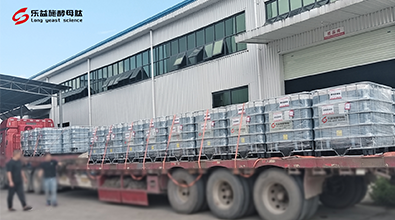
Innovating Agriculture with Yeast-Derived Amino Acid Peptides