Selecting the right source for amino acid peptides in China requires a structured evaluation of product quality, manufacturing standards, regulatory compliance, and long-term supply reliability. As China’s peptide industry has rapidly evolved, it now combines advanced production technologies with cost efficiency and quality systems aligned with international agricultural standards.
For global buyers in the agricultural and biostimulant sectors, understanding how to assess and compare suppliers is essential to building stable partnerships that support innovation, regulatory approval, and sustainable market growth.

Why Supplier Selection Matters for Amino Acid Peptides
Impact on Product Performance and Field Efficacy
Amino acid peptides play a functional role in agricultural applications by improving nutrient efficiency, enhancing stress tolerance, and supporting crop physiological balance. The biological performance of these products is directly linked to peptide purity, molecular weight distribution, and amino acid composition.
Suppliers with inadequate production control may deliver inconsistent peptide profiles, leading to unstable field results and increased risk of customer complaints or brand damage.
Regulatory Compliance and Market Accessibility
Agricultural inputs containing amino acid peptides are subject to regulatory scrutiny in many markets, including the United States, the European Union, and parts of Latin America and Asia. Reliable suppliers maintain comprehensive documentation, such as:
- Certificates of Analysis (COA)
- Safety Data Sheets (SDS)
- Heavy metal and microbiological test reports
- Traceability and compliance records
These materials are critical for product registration, customs clearance, and long-term market access.
Key Criteria for Evaluating Amino Acid Peptide Suppliers in China
Manufacturing Standards and Certifications
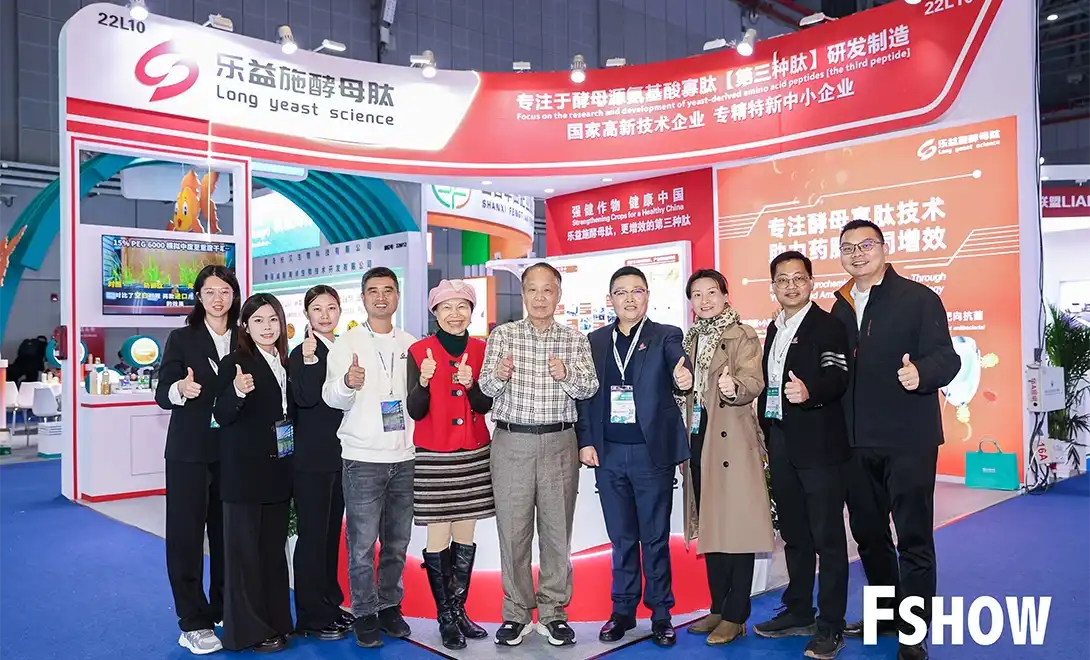
Leading Chinese suppliers operate under internationally recognized quality systems, including ISO 9001, GMP, and HACCP. These certifications reflect standardized production processes, robust quality control, and full traceability from raw materials to finished products.
Suppliers serving high-end agricultural markets may also comply with organic handling standards or region-specific agricultural input regulations, enhancing credibility and acceptance.
Production Capacity and Technical Expertise
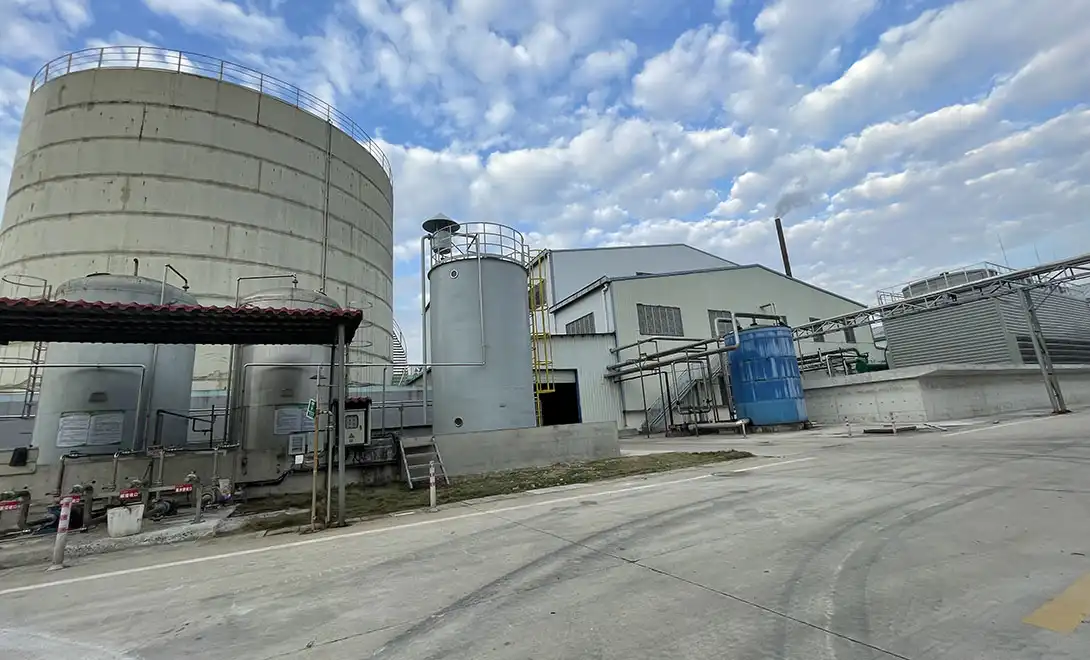
Production scalability plays a critical role in maintaining a reliable supply during periods of peak demand or rapid market expansion. Buyers should evaluate a supplier’s annual production capacity, the stability and traceability of raw material sourcing, and the ability to maintain consistent quality from batch to batch. At the same time, technical capability is equally important. Advanced suppliers employ enzymatic hydrolysis technologies, peptide fractionation processes, and comprehensive analytical testing systems to tailor peptide profiles to specific application requirements. Strong research and development capabilities further enable suppliers to continuously optimize formulations and respond effectively to evolving market and regulatory demands.
Supply Chain and Logistics Reliability
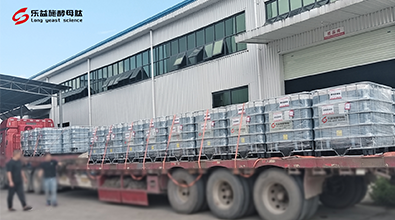
Efficient supply chain management supports predictable delivery schedules and inventory planning. Key considerations include warehousing capacity, export experience, packaging flexibility, and international shipping support. Suppliers with mature logistics systems reduce operational risks and improve responsiveness to global customers.
How to Compare Amino Acid Peptides from Different Suppliers
Product Specifications and Biological Indicators
Effective comparison goes beyond price and focuses on measurable technical parameters, such as:
- Molecular weight distribution (percentage ≤1000 Da)
- Peptide and free amino acid concentrations
- Amino acid profile balance
Premium formulations, such as enzymatically hydrolyzed yeast-derived peptides, typically deliver higher concentrations of bioactive small peptides and L-amino acids, supporting superior absorption and physiological response compared with generic products.
Stability and Compatibility Performance
Product stability affects storage life, transport safety, and application flexibility. High-quality amino acid peptides maintain stability across temperature variations and exhibit good compatibility with fertilizers and agrochemicals, enabling tank-mix applications and reducing operational complexity for end users.
Value-Added Components and Formulation Design
Modern peptide products may include complementary bioactive components such as nucleotides, oligosaccharides, or chelated micronutrients. These ingredients can enhance nutrient uptake, improve stress resilience, and provide synergistic benefits beyond basic amino acid nutrition, increasing overall product value.

Practical Steps to Vet and Select a Reliable Supplier
Sample Evaluation and Laboratory Testing
Request representative samples for laboratory analysis and pilot testing. Key evaluation parameters include peptide content, molecular weight distribution, amino acid composition, heavy metal levels, and microbiological safety. Field trials further validate biological performance under real agronomic conditions.
Factory Audits and Capability Verification
On-site or virtual audits provide insight into manufacturing processes, quality control systems, and operational management. While remote audits may be suitable initially, in-person inspections are recommended for long-term strategic partnerships to verify production integrity and technical competence.
Commercial Terms and Partnership Structure
Establish transparent commercial terms covering pricing mechanisms, payment conditions, delivery schedules, and quality guarantees. Clear communication frameworks and long-term cooperation models support continuous improvement and mutual growth.
Advanced Enzymatic Hydrolysis and Peptide Quality Control
Proprietary Production Technologies
Leading suppliers invest in proprietary enzymatic hydrolysis technologies, such as Full-Spectrum Directed Enzymatic Hydrolysis (FSDT), developed through decades of biochemical research. These systems produce amino acid peptides with controlled molecular weight distribution, often achieving ≥80% of peptides below 1000 Da.
Such characteristics improve absorption efficiency, thermal stability, and biological activity under variable field conditions.
Quality Control and Consistency Assurance
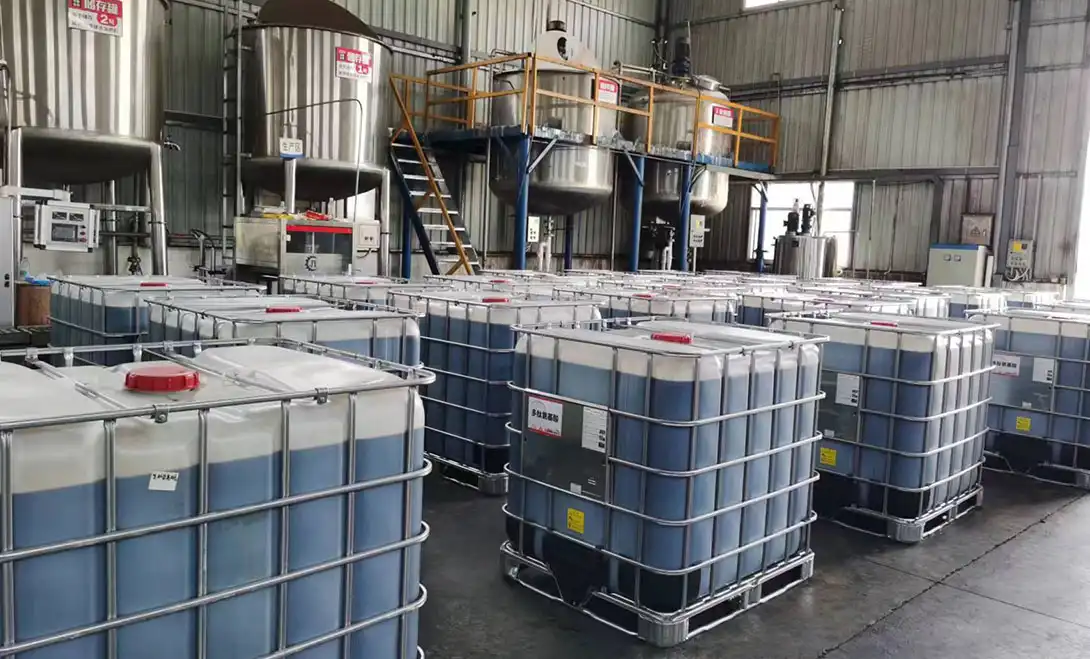
Comprehensive quality control systems monitor critical parameters throughout production, including raw material selection, enzymatic reaction conditions, and final product testing. Real-time monitoring and standardized testing protocols ensure consistent performance and regulatory compliance across batches.
Conclusion
Choosing the best amino acid peptides supplier in China requires a balanced evaluation of technical capability, quality assurance, regulatory readiness, and supply reliability. Suppliers with advanced enzymatic technologies, strong quality systems, and transparent business practices are better positioned to support long-term growth and market expansion.
By applying systematic supplier assessment strategies and focusing on performance-driven indicators, businesses can reduce procurement risk, enhance product competitiveness, and build durable partnerships in the global agricultural biostimulant market.
Frequently Asked Questions
1. What is the difference between amino acid peptides and regular amino acids in agricultural applications?
Amino acid peptides consist of short chains of amino acids that offer superior bioavailability and stability compared to individual amino acids. Peptides demonstrate enhanced absorption rates, improved stress tolerance, and synergistic effects with other nutrients that result in better crop performance and yield improvements.
2. How can I verify the quality of amino acid peptides from Chinese suppliers?
Quality verification involves multiple testing approaches, including molecular weight analysis, amino acid profiling, heavy metal testing, and microbiological analysis. Request certificates of analysis, conduct independent laboratory testing, and implement field trials to validate biological activity and crop response under actual growing conditions.
3. What are typical minimum order quantities and lead times for amino acid peptides from China?
Minimum order quantities typically range from 500-1000 kg for standard products, while custom formulations may require larger volumes. Lead times generally span 15-30 days, depending on product complexity, order size, and shipping methods. Established suppliers often maintain inventory for popular products to reduce delivery times.
Partner with LYS for Premium Amino Acid Peptides
LYS offers cutting-edge amino acid peptide solutions backed by proprietary FSDT enzymatic hydrolysis technology and over 70 years of industry expertise. Our premium LYS AAPS biostimulant delivers exceptional performance through high-concentration bioactive peptides, enhanced micronutrient formulations, and superior stability characteristics that meet demanding agricultural applications.
We maintain an annual production capacity of 10,000 MT and comprehensive quality systems that ensure consistent product excellence. Our team provides technical support, customization services, and regulatory assistance to help partners succeed in global markets. Contact us at alice@aminoacidfertilizer.com to discuss your amino acid peptides supplier requirements and explore partnership opportunities. Visit lyspeptide.com for detailed product information and technical specifications.
References
1. Zhang, L., & Wang, M. (2023). Evaluation Criteria for Peptide Suppliers in Agricultural Biotechnology. Journal of Agricultural Supply Chain Management, 15(3), 45-62.
2. Chen, H., Liu, X., & Rodriguez, A. (2022). Quality Assessment Methods for Amino Acid Peptides in Crop Nutrition Applications. International Review of Agricultural Chemistry, 28(4), 112-128.
3. Thompson, R., & Kim, S. (2023). Supplier Selection Strategies in the Global Peptide Industry. Industrial Biotechnology Quarterly, 19(2), 78-95.
4. Martinez, C., et al. (2022). Regulatory Compliance in International Peptide Trade: A Comprehensive Guide. Agricultural Regulatory Review, 34(1), 23-41.
5. Anderson, P., & Wu, J. (2023). Manufacturing Standards and Certification Requirements for Agricultural Peptides. Quality Assurance in Biotechnology, 11(2), 156-173.
6. Davis, K., & Lee, Y. (2022). Supply Chain Management Best Practices for Peptide Procurement in Agriculture. Global Agricultural Logistics, 7(3), 89-104.