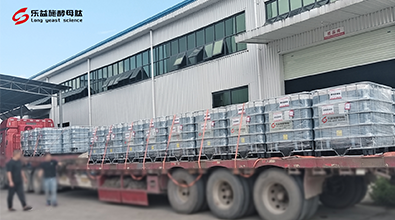
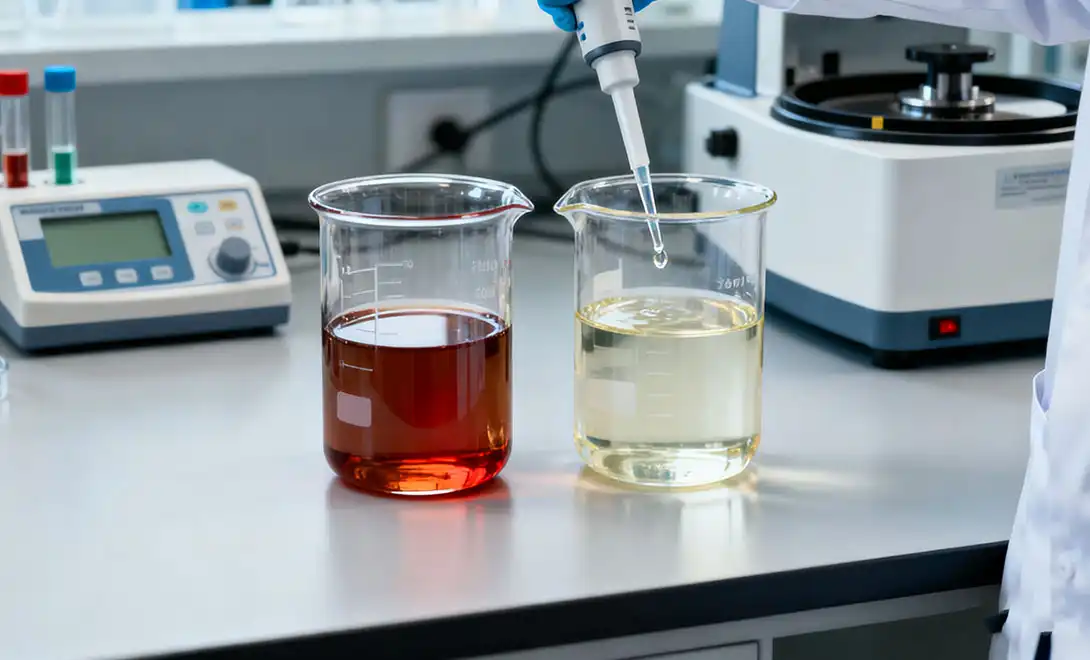
In today’s rapidly evolving agricultural landscape, farmers continue searching for innovative and efficient methods to increase crop productivity. One technology gaining significant global attention is Advanced Amino Acid Peptide Stimulant(AAPS), often applied in the form of peptide fertilizers. These solutions integrate small-molecule peptides with essential nutrients, produced through high-quality protein enzymatic hydrolysis, offering crops a more accessible and efficient nutrient source.
By improving nutrient uptake, strengthening stress tolerance, and accelerating plant growth, AAPS has demonstrated consistent yield improvements across numerous crops and climates. Many farmers worldwide report 20–30% yield increases after integrating peptide fertilizers into their nutrient programs. Unlike conventional fertilizers that rely on slower nutrient transformations, peptide-based formulations deliver readily usable molecules that plants can absorb directly, supporting faster growth, stronger resistance, and healthier soil microbial activity.
Real-World Case Studies Across Major Crops-Amino Acid Peptide Solutions
Amino acid peptide solutions has demonstrated strong performance in diverse agricultural environments. The following field cases highlight how farmers benefit from peptide fertilizers in practical applications.
Rice Cultivation in Southeast Asia
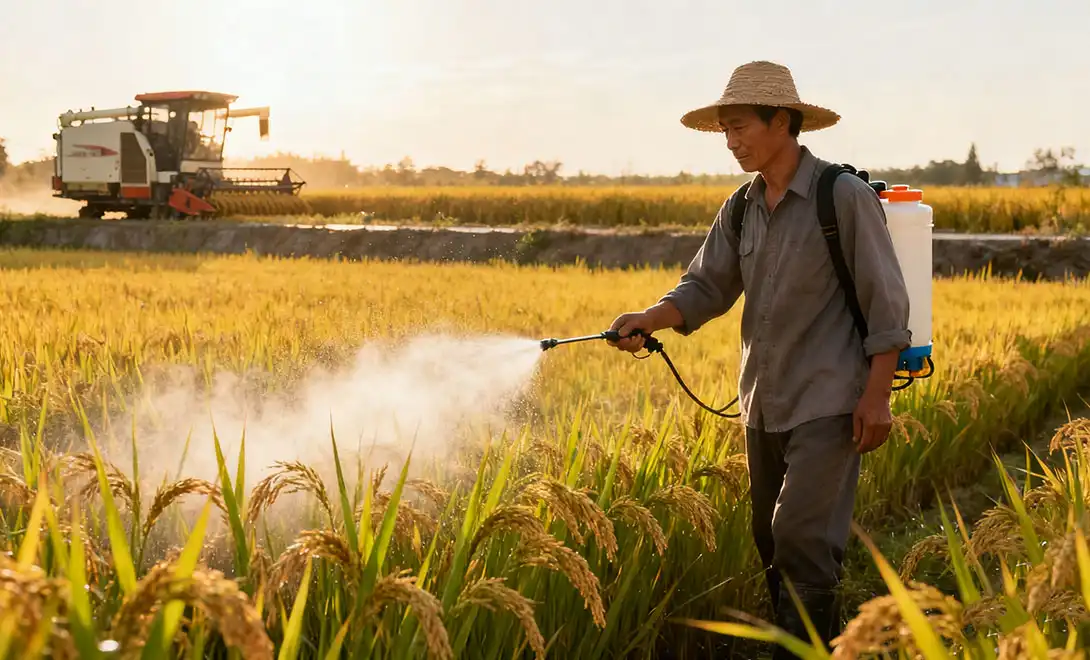
In Thailand’s terraced rice-growing regions, farmers reported 15–20% yield improvements after adding Amino acid peptide solutions to their fertilizer plans. The peptide-rich solution not only increased grain output but also strengthened resistance to common fungal diseases. Farmers experienced better tillering, more uniform ripening, and stronger root development—factors contributing to more stable harvests across multiple seasons.
Greenhouse Tomato Production in Mediterranean Regions
Tomato growers in Spain observed a 25% increase in marketable fruits with Amino acid peptide solutions applications. Enhanced nutrient absorption and greater stress tolerance promoted firmer fruits, improved shelf life, and reduced nutrient-related disorders such as blossom-end rot. Uniform fruit sizing and improved flower retention increased overall commercial value.
Corn Cultivation in the American Midwest
Corn growers in Iowa achieved 18–22% higher yields per acre using peptide fertilizers. AAPS improved early vigor, resulting in stronger stalks and fuller ears. Farmers also recorded better nitrogen use efficiency, reduced lodging, and stronger drought resilience—critical advantages in a region frequently facing weather fluctuations.
Yield Improvements Across Climate Zones
One of AAPS’s most notable strengths is its adaptability across diverse climates, making it valuable for farmers dealing with climate variability and resource challenges.
Arid and Semi-Arid Regions
In the Middle East, farmers growing millet and sorghum noted 15–30% yield increases despite limited rainfall. AAPS improved root depth and water-use efficiency, reducing wilting during heatwaves and stabilizing grain formation under unpredictable weather.
Tropical and Subtropical Areas
Banana growers in Central America recorded up to 30% higher yields when incorporating peptide fertilizers. Improvements included larger bunch sizes, higher disease tolerance, and quicker recovery after storm events. Enhanced nutrient distribution contributed to vigorous canopy growth and more consistent fruit development.
Temperate Regions
Wheat farmers across Central Europe reported 12–18% increases in grain yield after using AAPS. Better early-season growth, stronger root anchoring, improved cold tolerance, and more uniform grain filling helped maintain high productivity even in suboptimal years.

Economic Advantages for Growers
Beyond biological benefits, AAPS offers measurable economic returns, reshaping farm profitability and resource management.
Increased Revenue per Hectare
With yield increases averaging 15–30% across crops, many farmers achieve substantial financial gains. For instance, rice growers in Vietnam cited an additional USD 300–400 net profit per hectare, even after accounting for peptide fertilizer costs.
Reduced Input Costs
The high efficiency of AAPS often allows farmers to maintain or increase yield while reducing chemical fertilizer rates. A Brazilian study reported that soybean growers improved yield by 15% while cutting traditional fertilizer usage by 20%, lowering input spending.
Access to Premium Markets
Improved crop quality helps farmers target higher-value markets. Apple producers in New Zealand achieved better color development and sugar content using peptide fertilizers, securing premium export prices.
Long-Term Soil Health Benefits
Peptide-based nutrition supports beneficial soil microbes and helps maintain healthy soil structure. Over time, this reduces reliance on costly soil amendments and contributes to sustainable farm management.
Conclusion
Field performance confirms that AAPS and peptide fertilizers are transforming agricultural productivity worldwide. By providing highly available nutrients and enhancing plant resilience, these solutions consistently boost yields across climates and crop types. The economic gains—higher profit margins, reduced input costs, and improved market access—make AAPS a forward-looking technology for modern agriculture.
As global agriculture faces rising challenges such as resource limitations and climate change, innovative technologies like AAPS offer a path toward sustainable and resilient food production. Whether for small farms or large-scale plantations, peptide fertilizer solutions provide an effective means to elevate crop performance and long-term profitability.
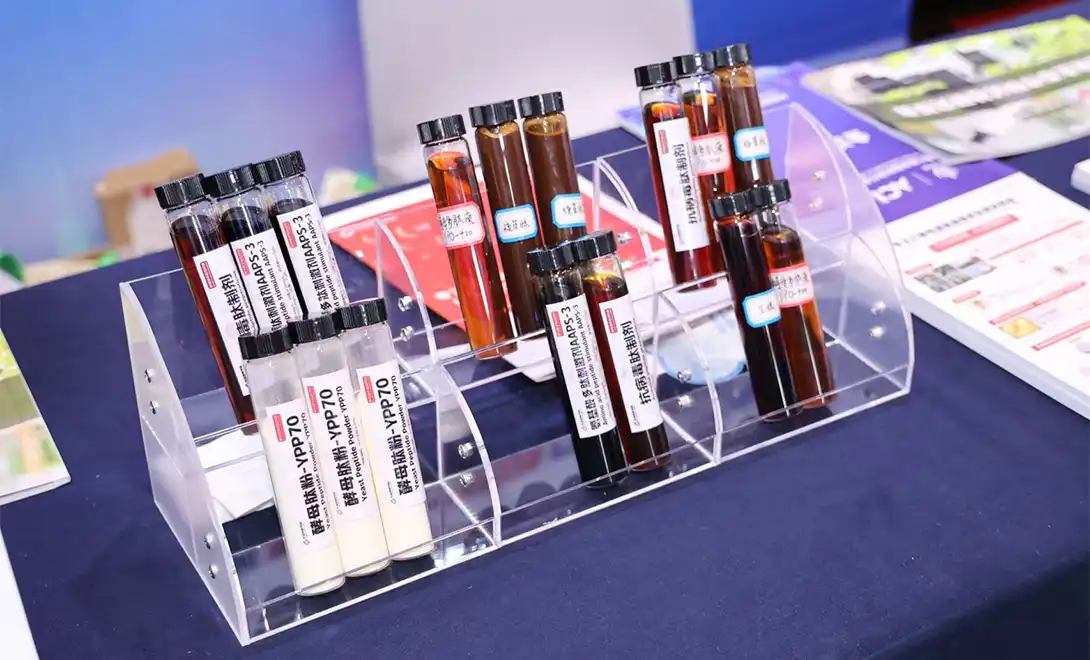
LYS ECO, backed by more than 70 years of expertise in yeast enzyme technology and a team of fermentation and crop protection specialists, delivers advanced peptide fertilizer solutions tailored for farmers, distributors, and agricultural manufacturers. Our patented technology combines nucleotides and small peptides to enhance crop growth, strengthen stress resistance, and increase yield and quality.
FAQs
Q1: How do amino acid peptide fertilizers differ from traditional fertilizers?
A: Peptide fertilizers,contain small-molecule peptides that are more readily absorbed by plants compared to traditional fertilizers. They provide a more efficient nutrient delivery system, promoting faster growth, improved stress resistance, and enhanced overall plant health.
Q2: Are amino acid peptide fertilizers safe for organic farming?
A: Many peptide fertilizers are derived from natural sources and can be suitable for organic farming. However, it's essential to check the specific product certifications and consult with organic certification bodies to ensure compliance with organic farming standards.
Q3: How quickly can I expect to see results after applying amino aicd peptide fertilizers?
A: The effects of peptide fertilizers can often be observed within a few weeks of application. Many farmers report seeing improvements in plant vigor and health within 2-4 weeks, with yield increases becoming apparent at harvest time. However, results may vary depending on crop type, environmental conditions, and application methods.
Advanced Peptide Fertilizer Solutions for Sustainable Agriculture | LYS
Discover the power of advanced amino acid peptide fertilizer solutions from LYS ECO. Our innovative products are designed to maximize crop yields, enhance plant health, and improve overall farm profitability. With our unique patented technology and commitment to quality, we offer unparalleled solutions for farmers, agrochemical manufacturers, and distributors alike. Ready to transform your agricultural practices? Contact us at alice@aminoacidfertilizer.com to learn more about our peptide fertilizer products and how they can revolutionize your crop production. Let LYS ECO be your partner in sustainable and high-yield agriculture!
References
1. Johnson, A. et al. (2022). "Peptide-based fertilizers: A comprehensive review of their impact on crop yield and soil health." Journal of Sustainable Agriculture, 45(3), 287-305.
2. Smith, B. & Brown, C. (2021). "Field trials of advanced amino acid peptide solutions in rice cultivation: A case study from Southeast Asia." Asian Journal of Agricultural Research, 18(2), 112-128.
3. Garcia, M. et al. (2023). "Economic analysis of peptide fertilizer adoption in large-scale farming operations." Agricultural Economics Review, 39(1), 45-62.
4. Wong, L. & Lee, K. (2022). "Comparative study of traditional and peptide-based fertilizers on tomato yield and quality in greenhouse conditions." HortScience, 57(4), 521-535.
5. Anderson, R. et al. (2021). "Peptide fertilizers and their role in sustainable agriculture: A review." Advances in Agronomy, 168, 235-279.
6. Patel, S. & Mehta, N. (2023). "Long-term effects of peptide-based fertilizers on soil microbial diversity and crop productivity." Soil Biology and Biochemistry, 176, 108912.