Comparing Biostimulant Sources: Animal, Plant, or Microbial Origin?
Biostimulants have become a cornerstone of modern, sustainable agriculture, offering innovative approaches to improve crop performance, resilience, and resource-use efficiency. Rather than acting as conventional fertilizers or pesticides, biostimulants enhance natural physiological processes in plants, helping crops better cope with environmental stress and fluctuating growing conditions.
Traditionally, biostimulants have been classified according to their origin—animal-derived, plant-based, or microbial. Each source provides distinct functional benefits, and their effectiveness often depends on crop type, growth stage, and environmental conditions.However, yeast-derived biostimulants are gaining increasing attention. As a distinct category, they are addressing certain limitations of traditional sources, particularly in terms of batch consistency and predictability.
This article provides a structured, science-based comparison of biostimulant sources and explains why yeast-derived biostimulants are emerging as a highly effective and balanced solution in advanced crop nutrition strategies.
Main Sources and Functional Characteristics of Biostimulants
Animal-derived biostimulants
Animal-derived biostimulants are typically produced from protein-rich by-products of the meat, dairy, and fish-processing industries. Through enzymatic or chemical hydrolysis, these materials are converted into protein hydrolysates rich in free amino acids and short-chain peptides.
Due to their low molecular weight and high solubility, animal-based hydrolysates are rapidly absorbed by plants, supplying readily available nitrogenous compounds that stimulate metabolic activity. This fast uptake makes them particularly effective during critical growth phases such as early vegetative development, transplant establishment, and recovery from abiotic stress.
Research has shown that amino acids supplied through animal-derived biostimulants can enhance enzymatic activity, promote chlorophyll synthesis, and improve tolerance to stresses such as heat, drought, and salinity. However, their functionality is primarily focused on short-term physiological stimulation, with limited direct contribution to soil biological balance.
Key characteristics:
- Rich in essential amino acids
- Rapid nutrient availability
- Promote quick plant response
- Enhance stress tolerance
Plant-based biostimulants
Plant-based biostimulants are derived from botanical sources such as seaweed extracts, legume protein hydrolysates, alfalfa, and plant-processing residues. These materials contain a diverse array of bioactive compounds, including phytohormones, polysaccharides, amino acids, phenolics, and organic acids.
Unlike animal-derived products, plant-based biostimulants tend to work through multi-pathway regulation, influencing photosynthesis, root development, nutrient uptake, and carbon metabolism. Seaweed extracts, in particular, are known to improve stress tolerance by regulating osmotic balance and antioxidant systems.
Their complex composition allows for broader physiological benefits, although their effects may be more gradual and influenced by variability in raw material quality and extraction processes.
Key characteristics:
- Rich in plant-derived bioactive compounds
- Support overall plant vigor and metabolic balance
- Improve nutrient-use efficiency
- Effects may vary depending on source and formulation
Microbial biostimulants
Microbial biostimulants consist of beneficial microorganisms—such as plant growth–promoting rhizobacteria (PGPR), arbuscular mycorrhizal fungi (AMF), and other soil microbes—or their metabolites. These organisms interact with plant roots to improve nutrient mobilization, hormone signaling, and stress adaptation.
Microbial products are particularly valuable for enhancing long-term soil fertility. They promote root branching, improve soil structure, increase nutrient availability, and suppress certain soil-borne pathogens. However, their performance can be highly dependent on soil conditions, temperature, moisture, and compatibility with existing microbial communities.
Key characteristics:
- Improve soil biological activity
- Enhance nutrient cycling and root development
- Contribute to long-term sustainability
- Slower and more variable response compared to biochemical inputs
Yeast-Derived Biostimulants: Bridging Multiple Functional Advantages
Yeast-derived biostimulants represent a distinct and increasingly important category within the broader biostimulant landscape. Produced through controlled fermentation and enzymatic hydrolysis of yeast—commonly Saccharomyces cerevisiae—these products contain small-molecule peptides, free amino acids, nucleotides, and yeast-specific bioactive compounds.
From a functional perspective, yeast-derived biostimulants combine several advantages traditionally associated with different sources:
• Like animal-derived hydrolysates, yeast peptides are rapidly absorbed and metabolically active.
• Similar to plant-based biostimulants, yeast metabolites influence multiple physiological pathways, including stress signaling and antioxidant regulation.
• While not living organisms, yeast-derived components can support soil microbial activity by serving as readily available carbon and nitrogen sources for beneficial microbes.
Importantly, yeast-derived biostimulants are produced via highly standardized fermentation processes, resulting in more consistent composition and performance compared to many animal- or plant-based materials.
Comparative Advantages of Yeast-Derived Biostimulants
When evaluated against traditional biostimulant sources, yeast-derived products demonstrate several distinguishing strengths:
• Balanced composition: Small peptides, amino acids, and nucleotides act synergistically rather than independently
• High bioavailability: Low molecular weight compounds facilitate rapid plant uptake
• Stress resilience: Nucleotides and peptides support energy metabolism and cellular repair under abiotic stress
• Consistency: Controlled fermentation reduces batch-to-batch variability
• Sustainability: Yeast fermentation aligns well with circular bioeconomy principles
These characteristics make yeast-derived biostimulants particularly suitable for high-value crops and intensive production systems where consistency, efficiency, and predictability are critical.
Crop-Specific Considerations
Vegetables
Vegetable crops benefit from biostimulants that support rapid growth, quality formation, and stress recovery. Yeast-derived biostimulants offer fast metabolic activation while also supporting root-zone biology, making them compatible with both foliar and fertigation programs.
Fruits
In fruit crops, balanced stimulation during flowering, fruit set, and fruit enlargement is essential. Yeast peptides and nucleotides support energy-demanding stages while contributing to fruit uniformity, color development, and stress tolerance.
Cereals
Cereal systems benefit from improved nutrient-use efficiency and root vigor. Yeast-derived products complement microbial and humic inputs by enhancing early establishment and grain-filling efficiency without excessive nitrogen input.
Conclusion
The choice of biostimulant source ought to be custom-made to particular crop needs, development stages, and environmental conditions, and an all-encompassing approach combining diverse biostimulant sources frequently yields the best results in modern agricultural systems.
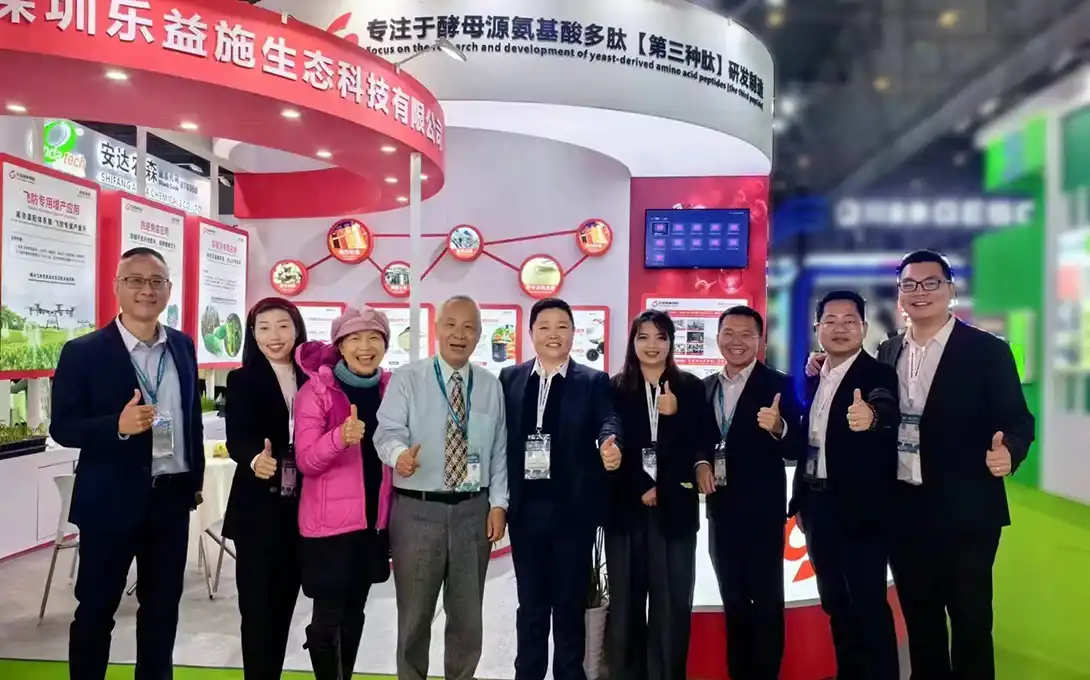
Are you looking to improve your edit efficiency with inventive biostimulant arrangements? See no assistance than LYS ECO. With over 70 a long time of involvement in yeast protein innovation, we offer a range of high-quality, licensed biostimulant products designed to meet the different needs of advanced farming, and our team of specialists is prepared to assist you in selecting the right biostimulant procedure for your particular crops and conditions.
FAQs
Q1: How do biostimulants differ from traditional fertilizers?
A: Biostimulants enhance plant growth and development through non-nutritional mechanisms, unlike traditional fertilizers that directly supply nutrients. They work by improving nutrient use efficiency, increasing stress tolerance, and enhancing overall plant vigor, complementing rather than replacing conventional fertilization practices.
Q2: Are biostimulants safe for organic farming?
A: Many biostimulants, especially those derived from plant and microbial sources, are suitable for organic farming. However, it's essential to check specific product certifications and regulations, as some animal-derived biostimulants may not meet organic standards in certain regions.
Q3: How quickly can I expect to see results from using biostimulants?
A: The time frame for visible results varies depending on the type of biostimulant and crop. Animal-derived products often show rapid effects within days, while plant-based biostimulants may take weeks. Microbial biostimulants typically produce long-term benefits that become more apparent over growing seasons.
High-Quality Biostimulants for Enhanced Crop Performance | LYS
Looking for premium biostimulants to boost your crop yield and quality? LYS offers a comprehensive range of innovative, high-performance biostimulant products tailored to various crop needs. Our patented formulations, derived from carefully selected sources, ensure optimal results for vegetables, fruits, and cereals. With a focus on sustainability and efficiency, LYS biostimulants are designed to enhance nutrient uptake, improve stress tolerance, and promote overall plant health. Experience the difference with our scientifically proven solutions. Contact us today at alice@aminoacidfertilizer.com to learn how LYS can revolutionize your agricultural practices and drive superior crop outcomes.
References
1. Du Jardin, P. (2015). Plant biostimulants: Definition, concept, main categories and regulation. Scientia Horticulturae, 196, 3-14.
2. Calvo, P., Nelson, L., & Kloepper, J. W. (2014). Agricultural uses of plant biostimulants. Plant and Soil, 383(1-2), 3-41.
3. Rouphael, Y., & Colla, G. (2020). Editorial: Biostimulants in Agriculture. Frontiers in Plant Science, 11, 40.
4. Yakhin, O. I., Lubyanov, A. A., Yakhin, I. A., & Brown, P. H. (2017). Biostimulants in plant science: A global perspective. Frontiers in Plant Science, 7, 2049.
5. Povero, G., Mejia, J. F., Di Tommaso, D., Piaggesi, A., & Warrior, P. (2016). A systematic approach to discover and characterize natural plant biostimulants. Frontiers in Plant Science, 7, 435.
6. Sharma, H. S., Fleming, C., Selby, C., Rao, J. R., & Martin, T. (2014). Plant biostimulants: A review on the processing of macroalgae and use of extracts for crop management to reduce abiotic and biotic stresses. Journal of Applied Phycology, 26(1), 465-490.

Tell us your needs — we’ll provide the right solution for your crops and markets.
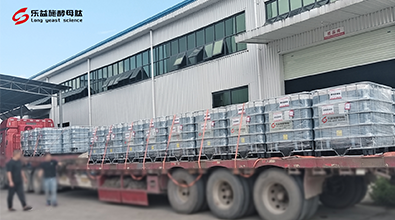
Innovating Agriculture with Yeast-Derived Amino Acid Peptides