Understanding Bulk Organic Fertilizer Composition and Nutrient Content
When purchasing bulk organic fertilizers, a thorough understanding of their composition is essential. Their true value lies not only in fundamental macronutrients like nitrogen, phosphorus, and potassium, but also in the synergistic enhancement system formed by abundant organic matter, comprehensive micronutrients, and highly active bio-stimulating components.
Core Components: Beyond Basic Nutrition
Premium organic fertilizers deliver comprehensive nutrition essential for crop growth:
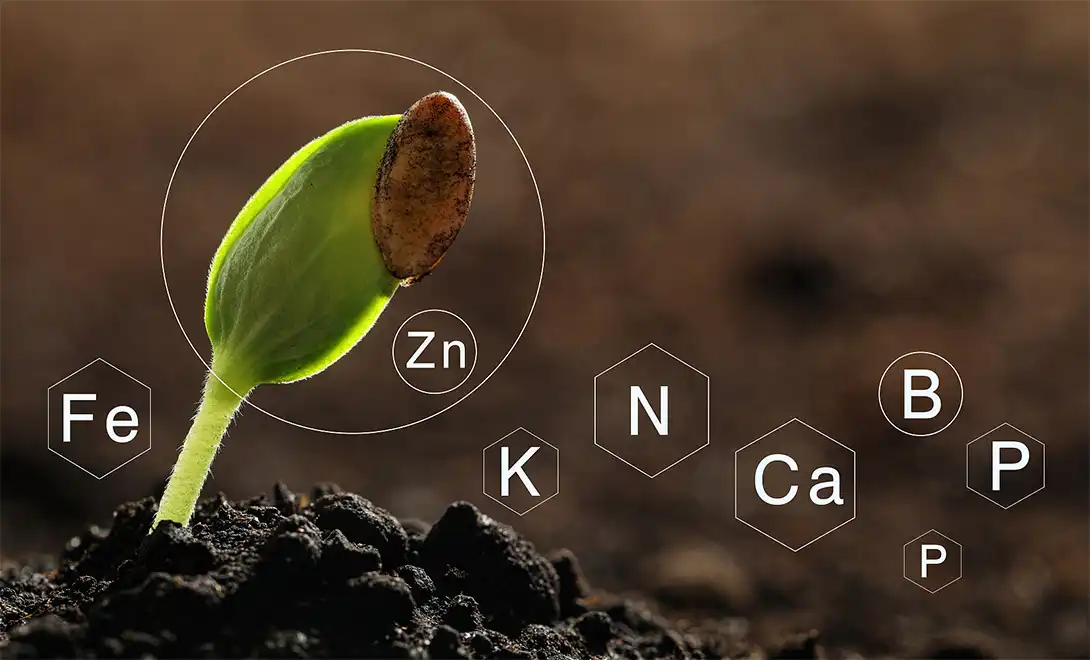
- Complete Nutrients: Beyond NPK, they may include secondary nutrients like calcium, magnesium, and sulfur, plus trace elements such as iron, zinc, and boron to support healthy metabolism throughout all growth stages.
- Organic Matter & Bioactive Compounds: This is the key differentiator in product efficacy. High-quality fertilizers are not only rich in organic matter that improves soil structure but also contain bioactive components derived from advanced processes like yeast fermentation—such as small-molecule peptides, amino acids, and nucleotides. These components directly regulate plant physiology, enhance nutrient absorption efficiency and stress resistance, achieving dual benefits of “nutrition” and “stimulation.”
Release Mechanism: Bio-Driven Intelligent Supply
Nutrients in organic fertilizers are slowly released through soil microbial activity, providing long-term stable fertilization, improving soil health, and reducing nutrient loss.
- Activates Rhizosphere: Stimulates root growth to expand absorption area.
- Boosting Metabolism: Activates the plant's own metabolic system, enhancing nutrient conversion and utilization efficiency.
- Regulating Microbial Communities: Promotes the proliferation of beneficial microorganisms, accelerating the conversion of organic nutrients.
Therefore, when selecting modern organic fertilizers, it is essential to consider both the comprehensiveness of their nutrient profile and the synergistic enhancement capabilities of their bioactive components. This combination ensures nutrients are not only supplied continuously but also utilized efficiently, thereby improving overall crop performance and soil health.
Evaluating the Quality and Sourcing of Bulk Organic Fertilizers
The quality and raw-material sourcing of bulk organic fertilizer significantly influence nutrient availability, safety, and field performance. Buyers should carefully examine these factors before choosing a supplier.
Raw Material Sources
High-quality organic fertilizers typically come from:
- Animal-based sources: manure, bone meal, blood meal (rich in concentrated nutrients).Typically rich in high concentrations of nutrients such as nitrogen, phosphorus, and calcium, with phosphorus content being particularly prominent. Nutrients are released relatively quickly, enabling rapid fulfillment of crop requirements.
- Plant-based sources: compost, oil meal (such as soybean meal, rapeseed meal), seaweed/kelp extracts, etc.Rich in organic matter and multiple trace elements, it effectively improves soil physical structure, enhances water and nutrient retention capacity, and promotes the diversity and activity of soil microbial communities.
- Microbial sources: Specific fermentation strains and their metabolic products (e.g., Saccharomyces cerevisiae, probiotic fermentation liquids, etc.) Not only supply bioactive substances such as free amino acids, small-molecule peptides, nucleotides, and polysaccharides, but also directly regulate plant physiological metabolism, enhance stress resistance, and promote nutrient absorption and utilization efficiency. Their effects extend far beyond the scope of traditional nutritional supplementation.
Understanding the origin, processing, and cleanliness of these materials helps prevent contamination issues and ensures consistent product performance across different soil types.
Production Processes
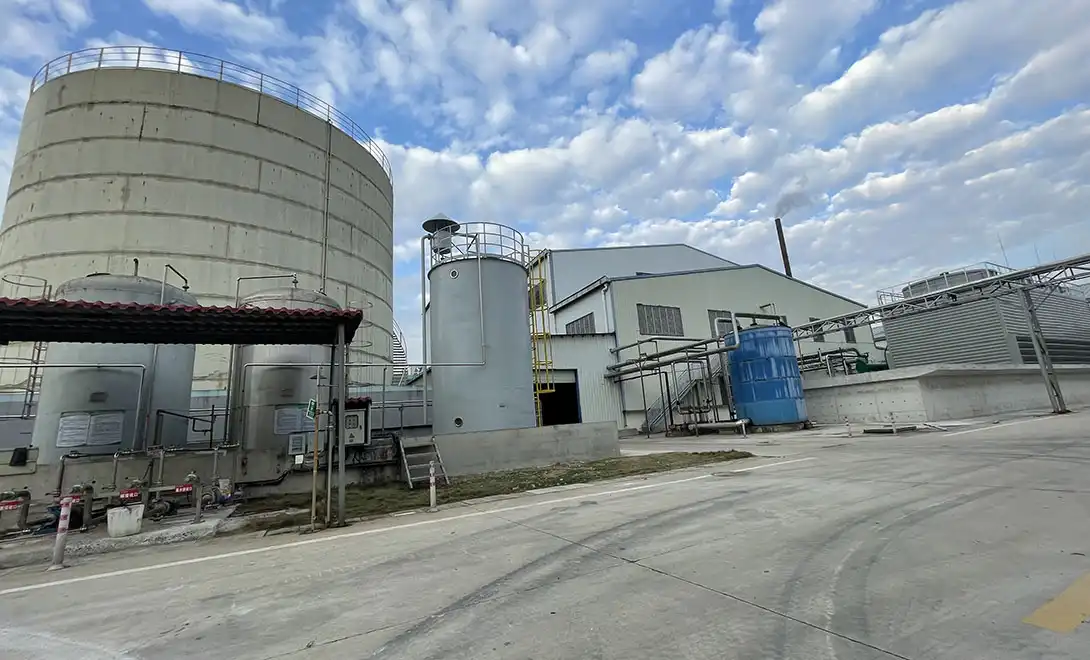
Manufacturing methods strongly influence fertilizer efficiency. Reputable producers rely on:
• Controlled composting to maintain temperature and moisture
• Enzymatic hydrolysis to break down organic matter into more plant-available nutrients
• Strict quality-control protocols, including nutrient analysis and contaminant screening
These processes guarantee stable nutrient profiles, pathogen-free products, and consistent results in the field.
Certification and Testing
Authentic bulk organic fertilizers should include:
• Valid organic certification from accredited agencies
• Third-party lab testing for nutrient content and heavy-metal levels
• Batch-specific analysis for transparency and traceability
These documents give buyers confidence in product quality and regulatory compliance.
Conducting a Cost-Benefit Analysis and ROI Evaluation
Buying bulk organic fertilizer represents a strategic investment. While upfront costs may be higher than synthetic alternatives, long-term agronomic and economic benefits often justify the expense.
Immediate vs. Long-term Cost Considerations
A complete cost assessment should include:
• Purchase and application costs
• Lower reapplication frequency due to slow-release properties
• Potential savings in pest management and irrigation
• Long-term improvements in soil fertility
Yield and Quality Improvements
Organic fertilizers can contribute to increased crop yields and improved product quality, which can translate to higher market prices and increased profitability. Factors to consider include:
- Enhanced supplement take-up efficiency
- Improved trim versatility to natural stresses
- Potential for premium estimating for natural produce
Environmental and Regulatory Benefits
Investing in organic fertilizers can also yield indirect financial benefits through:
- Compliance with advancing natural regulations
- Reduced the hazard of water contamination and related penalties
- Potential to get government incentives for sustainable farming practices
A well-rounded cost-benefit analysis helps determine whether bulk organic fertilizer aligns with your business goals and crop-production systems.
Ensuring Compliance and Sustainability Considerations
As environmental regulations tighten globally, ensuring that bulk organic fertilizer meets sustainability requirements and legal standards is critical.
Look for suppliers who:
• Adhere to organic certification rules
• Provide traceable raw-material documentation
• Meet national and international safety standards
• Minimize carbon footprint through eco-friendly production methods
Sustainable fertilizers not only protect the environment but also help safeguard your business against regulatory risks.
Choosing the Right Supplier for Bulk Organic Fertilizer
Selecting the right manufacturer or distributor directly impacts the performance and reliability of your fertilizer supply chain, so it is crucial to consider suppliers that offer proven industry experience, transparent quality-control systems, consistent production capacity, technical support and agronomic expertise, as well as flexible customization options for different crop needs; in fact, building a long-term partnership with such a suitable supplier ensures stable quality and dependable logistics, which are two essential factors for large-scale agricultural operations.
Conclusion
Investing in bulk organic fertilizers is a key choice that can essentially affect your agrarian operations. By carefully considering the composition, quality, sourcing, and cost-benefit angles sketched out in this direct, you can make an educated choice that aligns with your commerce destinations and sustainability goals.
At LYS Biotech, we get it, the one-of-a-kind needs of agrochemical producers, large-scale merchants, and commercial cultivators proprietors. Our group of specialists specializes in creating high-quality, inventive natural fertilizers that convey uncommon outcomes. With over 70 a long time of experience in yeast chemical innovation and a solid commitment to research and advancement, we offer cutting-edge solutions to improve editing efficiency and advance economic agriculture.
Our exclusive nucleotide innovation and progressive generation forms guarantee that our bulk organic fertilizers provide prevalent nutrient accessibility, stability, and viability. Whether you're looking to grow your item line, progress benefit edges, or boost edit resistance and surrender, LYS Biotech has the mastery and items to meet your needs.
FAQs
Q1: How do bulk organic fertilizers compare to synthetic fertilizers in terms of effectiveness?
A: While synthetic fertilizers may provide more immediate results, bulk organic fertilizers offer long-term benefits such as improved soil structure, enhanced microbial activity, and sustained nutrient release. Organic fertilizers also contribute to overall soil health and can increase crop resilience over time.
Q2: Are there any specific storage requirements for bulk organic fertilizers?
A: Yes, proper storage is crucial for maintaining the quality of bulk organic fertilizers. They should be stored in a cool, dry place away from direct sunlight. Ensure good ventilation and protect from moisture to prevent clumping or degradation. Always follow the manufacturer's specific storage guidelines.
Q3: How can I ensure the bulk organic fertilizer I'm purchasing is truly organic?
A: Look for certifications from recognized organic bodies and ask for detailed product analysis reports. Reputable manufacturers like LYS Biotech provide comprehensive documentation on their organic fertilizers' composition and production processes.
Bulk Organic Fertilizer Suppliers: Finding the Right Partner for Your Agricultural Needs | LYS
Choosing the right bulk organic fertilizer supplier is crucial for the success of your agricultural operations. At LYS Biotech, we pride ourselves on being a trusted partner in sustainable agriculture. Our advanced formulations, rigorous quality control, and commitment to innovation make us a leading choice for businesses seeking high-performance organic fertilizers.
Ready to elevate your crop production with premium bulk organic fertilizers? Contact our expert team at alice@aminoacidfertilizer.com to discuss your specific needs and discover how LYS Biotech can support your agricultural goals. Let's grow together towards a more sustainable and profitable future in agriculture.
References
1. Smith, J. (2022). "The Impact of Organic Fertilizers on Soil Health and Crop Yield." Journal of Sustainable Agriculture, 45(3), 210-225.
2. Brown, A., et al. (2021). "Comparative Analysis of Nutrient Release Rates in Organic vs. Synthetic Fertilizers." Plant Nutrition Quarterly, 18(2), 87-102.
3. Green, M. (2023). "Economic Considerations in Transitioning to Organic Fertilizers for Large-Scale Agriculture." Agricultural Economics Review, 56(4), 340-355.
4. Johnson, L., & Thompson, R. (2022). "Regulatory Landscape for Organic Fertilizers: Global Perspectives." International Journal of Agricultural Policy, 29(1), 45-60.
5. Davis, K. (2021). "Innovations in Organic Fertilizer Production: Enhancing Nutrient Availability and Stability." Advances in Agrochemical Research, 14(3), 180-195.
6. Wilson, E. (2023). "Long-term Effects of Organic Fertilization on Soil Microbial Communities and Crop Resilience." Soil Biology and Biochemistry, 67, 520-535.