Beyond NPK: Why Biostimulants are the Future of Sustainable Farming
Modern agriculture is approaching a critical transition point. Traditional fertilization strategies based primarily on NPK inputs are increasingly unable to meet the combined demands of food security, climate resilience, environmental protection, and economic viability. As yield gains from conventional inputs plateau and regulatory pressure intensifies, agricultural systems require new approaches that go beyond nutrient supply alone.
Biostimulants have emerged as a transformative category of agricultural inputs. Rather than directly supplying nutrients, biostimulants enhance plant metabolic processes, improve stress tolerance, and increase nutrient-use efficiency by activating natural physiological pathways. As global farming systems adapt to climate variability and sustainability goals, biostimulants are becoming essential tools for long-term agricultural success.
Understanding Biostimulants in Modern Agriculture
How Biostimulants Differ from Conventional Fertilizers
Unlike traditional fertilizers, which primarily deliver mineral nutrients, biostimulants function by strengthening the plant’s own biological systems. These products contain bioactive compounds—such as amino acids, peptides, humic substances, seaweed extracts, and beneficial microorganisms—that trigger specific physiological responses within plants.
The defining feature of biostimulants lies in their mode of action. They do not “feed” plants directly; instead, they enhance the plant’s ability to absorb, transport, and utilize nutrients already present in the soil or applied through fertilizers. This distinction positions biostimulants as complementary tools rather than replacements for conventional inputs.
Major Categories of Agricultural Biostimulants
Biostimulants encompass a diverse range of product types, each serving specific agronomic functions. Amino acid- and peptide-based formulations support protein synthesis and stress-response mechanisms. Seaweed extracts provide natural growth regulators and trace compounds that influence hormonal balance. Microbial inoculants improve nutrient cycling and root–soil interactions, while humic substances enhance soil structure and nutrient retention.
The effectiveness of each category depends on crop type, growth stage, and environmental conditions, making informed product selection a key factor in successful application.
Scientific Mechanisms Behind Biostimulant PerformanceEnhancing Plant Metabolism and Nutrient Efficiency
Extensive research shows that biostimulants operate through multiple, overlapping biological pathways. One primary mechanism is the stimulation of root development, which increases the surface area available for water and nutrient uptake. Enhanced root systems improve access to nutrients that would otherwise remain unavailable to crops.
At the cellular level, biostimulants improve metabolic efficiency by activating enzymes involved in nutrient assimilation, photosynthesis, and energy transfer. This allows plants to produce more biomass per unit of nutrient input, addressing one of the fundamental limitations of NPK-dependent systems.
Improving Stress Tolerance and Recovery
Biostimulants also strengthen plant resilience to abiotic stress, including drought, salinity, temperature extremes, and nutrient imbalance. Small-molecule peptides, particularly those with molecular weights below 1000 Da, are rapidly absorbed and act as signaling compounds that activate stress-defense pathways.
These compounds help stabilize cell membranes, regulate osmotic balance, and accelerate the repair of oxidative damage. As a result, crops maintain physiological activity during adverse conditions and recover more quickly once stress subsides.
Limitations of NPK-Based Agriculture and the Rise of Biostimulants
Environmental and Economic Constraints of Conventional Fertilization
Decades of reliance on NPK fertilizers have revealed significant environmental and economic challenges. Nitrogen leaching contributes to groundwater contamination and greenhouse gas emissions, while phosphorus runoff accelerates eutrophication in aquatic ecosystems. These impacts have prompted stricter regulations and increased scrutiny of fertilizer use worldwide.
From an economic perspective, rising fertilizer costs and declining nutrient-use efficiency place additional pressure on farm profitability. Studies indicate that only 30–50% of applied nutrients are typically absorbed by crops, with the remainder lost through volatilization, runoff, or leaching.
Field Evidence Supporting Biostimulant Adoption
Commercial-scale trials consistently demonstrate that integrating biostimulants into standard fertility programs improves performance across diverse cropping systems. Vegetable operations report yield increases of 15–25% when amino acid-based biostimulants are applied during key growth stages. Fruit producers observe improved fruit quality, extended shelf life, and reduced post-harvest losses.
In water-limited regions, cotton growers using stress-tolerance biostimulants have maintained stable yields while reducing irrigation by up to 30%. Tomato producers applying amino acid formulations during transplanting report significantly lower transplant shock and higher establishment rates. Controlled-environment systems, including hydroponics and specialty crop production, show particularly strong responses due to optimized growing conditions.
Selecting Biostimulants: Key Considerations for B2B ProcurementEvaluating Product Composition and Stability
Effective procurement begins with understanding product composition and manufacturing processes. High-quality biostimulants are characterized by consistent bioactive content, reliable raw material sources, and reproducible production methods. Yeast-derived protein sources with high protein content offer stable bioactivity and uniform performance across environments.
Product stability is a critical factor for large-scale operations. Well-formulated biostimulants remain homogeneous across a wide temperature range, avoiding crystallization at low temperatures or stratification at high temperatures. This ensures compatibility with existing spray equipment and tank-mixing practices.
Compatibility, Safety, and Application Flexibility
Modern agricultural systems require inputs that integrate seamlessly with existing fertilizer and crop protection programs. High-quality biostimulants demonstrate strong compatibility with fertilizers, fungicides, and pesticides, enabling combined applications that reduce labor and operational costs.
Safety considerations are equally important. Chloride-free, low-salt formulations minimize the risk of phytotoxicity, allowing use during sensitive growth stages such as seedling establishment and flowering. Certain peptide-based biostimulants also enhance the uptake and translocation of co-applied products, improving overall input efficiency.
Conclusion
The future of sustainable farming lies in approaches that enhance productivity while reducing environmental impact. Biostimulants represent a critical link between conventional fertilization and biologically driven crop management systems. By improving nutrient-use efficiency, strengthening stress tolerance, and supporting soil and plant health, biostimulants deliver measurable benefits beyond what NPK nutrition alone can achieve.
As global agriculture adapts to climate challenges and regulatory change, the strategic integration of biostimulants will play an increasingly central role in achieving resilient, efficient, and sustainable production systems.
FAQ
Q1: What are the primary advantages of biostimulants in crop production?
Biostimulants improve crop performance by enhancing nutrient uptake efficiency, strengthening stress tolerance, and promoting root and metabolic activity. Rather than supplying nutrients directly, they activate natural plant processes, resulting in improved yield stability and crop quality.
Q2: How do peptide-based biostimulants differ from other products?
Peptide-based biostimulants contain small-molecule peptides that are rapidly absorbed and act as physiological signaling compounds. Their low molecular weight allows fast translocation within plants, enabling quicker stress response and recovery compared with larger molecules.
Q3: Can biostimulants be used with existing fertilizer and pesticide programs?
Yes. High-quality biostimulants are designed for compatibility with conventional fertilizers and crop protection products. Properly formulated products remain stable in tank mixes and can enhance the efficiency of co-applied inputs.
Q4: Are biostimulants safe for crops and the environment?
Premium biostimulants demonstrate strong safety profiles when used according to guidelines. Amino acid- and peptide-based products are biodegradable, chloride-free, and suitable for use during sensitive growth stages, supporting environmentally responsible farming practices.
Partner with LYS for Advanced Agricultural Solutions
Agricultural operations seeking competitive advantages through innovative crop enhancement technologies can benefit from LYS's comprehensive biostimulant solutions. Our amino acid peptide stimulants deliver proven performance improvements while maintaining the stability and compatibility required for commercial-scale applications. As a trusted biostimulants manufacturer, we provide complete technical support, quality assurance, and supply chain reliability to ensure successful product integration. Contact our technical team at alice@aminoacidfertilizer.com to discuss customized solutions for your specific crop requirements and explore volume pricing options for large-scale operations.
References
1. Smith, J.M., Agricultural Biostimulants: Mechanisms and Applications in Sustainable Crop Production, Journal of Sustainable Agriculture, 2023, Vol. 47, pp. 123-145.
2. Rodriguez, A.P., Peptide-Based Plant Growth Enhancers: Molecular Mechanisms and Field Performance, Plant Physiology and Biochemistry, 2022, Vol. 185, pp. 67-82.
3. Chen, L.K., Amino Acid Biostimulants in Modern Agriculture: A Comprehensive Review of Efficacy and Applications, Agricultural Sciences, 2023, Vol. 14, pp. 234-251.
4. Thompson, R.W., Sustainable Intensification Through Biological Plant Enhancers: Economic and Environmental Impacts, Environmental Agriculture, 2022, Vol. 28, pp. 445-462.
5. Martinez, S.D., Enzymatic Hydrolysis Technologies for Agricultural Peptide Production: Innovation and Quality Standards, Biotechnology in Agriculture, 2023, Vol. 12, pp. 89-106.
6. Williams, K.R., Integration of Biostimulants in Commercial Crop Production: Best Practices and Performance Outcomes, Crop Management Today, 2022, Vol. 31, pp. 178-194.

Tell us your needs — we’ll provide the right solution for your crops and markets.
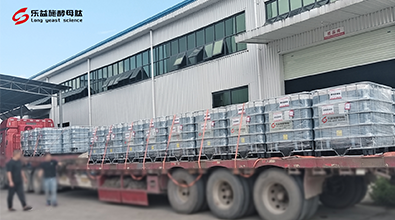
Innovating Agriculture with Yeast-Derived Amino Acid Peptides