Modern viticulture increasingly relies on advanced biostimulants to strengthen grapevines and deliver consistent, measurable yield and quality improvements. As vineyard managers seek products that perform reliably under climatic stress and intensive production systems, the selection of effective biostimulants has become a strategic decision.
Among the available options, LYS AAPS is widely recognized for its advanced formulation technology, combining bioactive peptides and free amino acids specifically designed to align with grapevine physiology. Compared with conventional products, its rapid absorption, high bioavailability, and stress-mitigation capacity make it a competitive solution for commercial vineyards aiming at long-term productivity and fruit quality enhancement.

Understanding Biostimulants in Modern Grape Cultivation
What Are Plant Biostimulants?
Plant biostimulants are materials that enhance plant growth, nutrient efficiency, stress tolerance, and crop quality through physiological mechanisms rather than direct nutrient supply. In grape production, they are increasingly used alongside traditional fertilization programs to optimize vine performance.
Typical biostimulant formulations may include amino acids, peptide fractions, seaweed extracts, humic substances, and beneficial microorganisms. Unlike fertilizers, these components act as metabolic enhancers that stimulate internal plant processes.
The Role of Biostimulants in Viticulture
In vineyards, biostimulants support balanced vegetative growth, improved flowering and fruit set, and enhanced resilience against drought, heat, and other abiotic stresses. Their use aligns with modern viticulture practices that prioritize sustainability, resource efficiency, and consistent fruit quality
How Biostimulants Influence Grapevine Physiology
Key Biological Mechanisms
Biostimulants function through multiple pathways within grapevines. They promote root system development, improve nutrient uptake efficiency, enhance photosynthetic activity, and activate natural defense responses. These combined effects help vines maintain stable growth even under challenging environmental conditions.
Stress Tolerance and Metabolic Efficiency
By supporting cellular metabolism and enzyme activity, biostimulants improve the vine’s ability to cope with temperature fluctuations, water stress, and nutrient imbalances. Over time, this contributes to healthier vines and more predictable yield outcomes.
Biostimulants vs. Traditional Fertilizers in Grapes
Functional Differences
While fertilizers provide essential macro- and micronutrients, biostimulants focus on optimizing how plants utilize available resources. They do not replace fertilizers but complement them by improving nutrient assimilation and metabolic efficiency.
Benefits for Vineyard Management
This complementary approach allows growers to reduce excessive chemical inputs while maintaining or improving grape yield and quality. For commercial vineyards, the combined use of fertilizers and biostimulants supports both economic and environmental sustainability goals.
Comparing Leading Biostimulants for Grapes: The Position of LYS AAPS
Overview of Common Market Solutions
Globally recognized suppliers such as Valagro, Isagro, and BASF offer seaweed- and humic-acid-based biostimulants designed for broad-spectrum crop use. These products generally provide baseline physiological support across multiple crop types.
Formulation Characteristics of LYS AAPS
LYS AAPS differs from standard products through its proprietary FSDT enzymatic hydrolysis technology, which produces a high concentration of low-molecular-weight bioactive compounds. The formulation contains ≥360 g/L of peptides and ≥140 g/L of free amino acids, exceeding typical market specifications.
More than 80% of the peptides have molecular weights below 1000 Da, enabling rapid absorption and sustained bioactivity under stress conditions. In addition, chelated micronutrients such as zinc, boron, and iron support grapevine metabolic requirements throughout key growth stages.
Stability and Compatibility Advantages
LYS AAPS demonstrates strong thermal stability and formulation consistency, allowing safe tank mixing with commonly used fertilizers and crop protection products. This simplifies application logistics and ensures reliable field performance across diverse climatic conditions.
Application Strategies for LYS AAPS in Vineyards
Timing and Growth Stage Considerations
Optimal results are achieved when LYS AAPS is applied during critical phenological stages, including bud break, flowering, fruit set, and veraison. Early-season applications support root development and stress preparedness, while later applications enhance berry development and sugar accumulation.
Recommended Dosage and Mixing
Typical foliar application rates range from 2–4 L/ha, depending on vine vigor and growth stage. Soil applications may range from 5–8 L/acre to support root-zone activity. The fully water-soluble formulation allows flexible integration into existing spray programs, although compatibility testing is recommended for complex tank mixes.
Integration with Sustainable Vineyard Systems
LYS AAPS is suitable for both conventional and organic viticulture systems. Its peptide-based structure enhances plant metabolism and stress response, potentially reducing overall chemical input requirements while maintaining production targets.
Procurement Considerations for Grape Biostimulants
Supplier Reliability and Quality Assurance
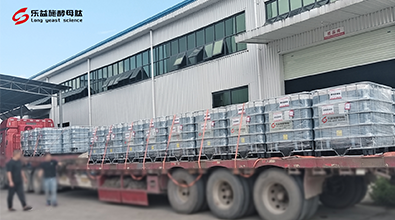
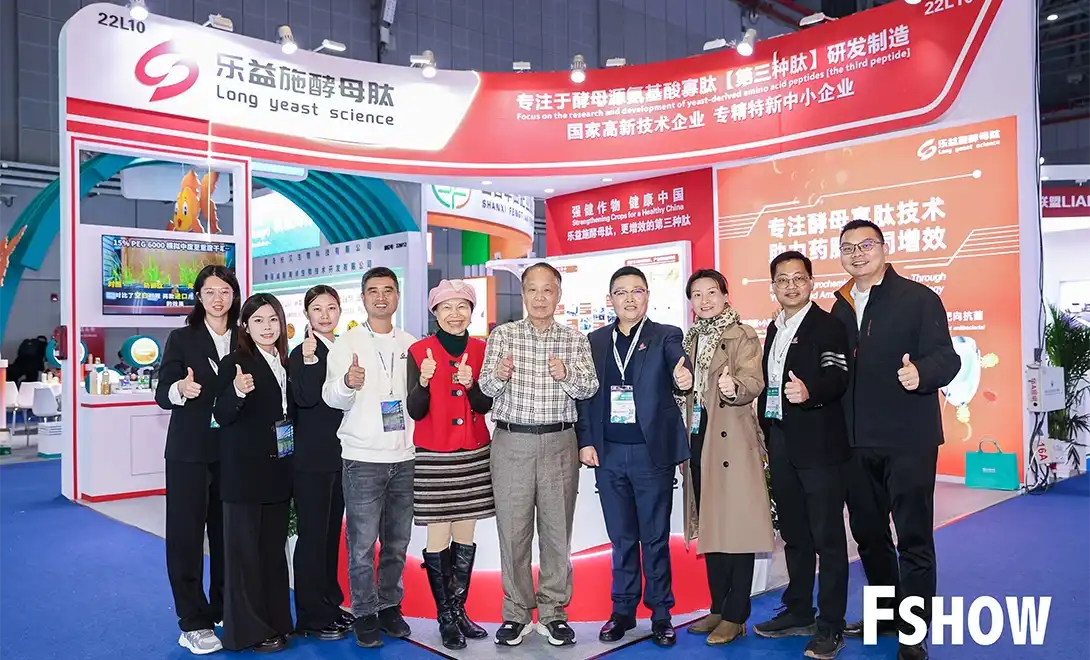
Effective procurement requires evaluating supplier experience, production capacity, and quality control standards. LYS brings over 70 years of technical expertise and an annual production capacity exceeding 10,000 MT, ensuring consistent supply for large-scale vineyard operations.
Cost Efficiency and Return on Investment
Although premium biostimulants may involve higher initial costs, their contribution to yield stability, fruit quality, and stress mitigation often results in favorable returns. Economic evaluation should consider total treatment cost relative to measurable yield and quality improvements.
Technical Support and Logistics
Access to agronomic support, application guidance, and reliable logistics is essential for maximizing product performance. Strong supplier partnerships contribute to consistent results and long-term vineyard success.
Advanced Manufacturing and Quality Standards Behind LYS AAPS
Enzymatic Hydrolysis Technology
The FSDT process employs controlled enzymatic reactions to generate peptide profiles optimized for plant metabolism. This method ensures consistent bioactivity, high stability during storage, and superior bioavailability compared with chemically hydrolyzed alternatives.
Quality Control and Certification
Production follows strict quality control protocols aligned with international agricultural standards. Comprehensive testing verifies active ingredient content, stability, and safety, supporting global distribution and regulatory compliance.
Conclusion
As vineyard production systems evolve, the role of scientifically formulated biostimulants becomes increasingly important. LYS AAPS represents a next-generation biostimulant solution that combines advanced enzymatic technology with proven field performance. Its unique peptide composition, micronutrient integration, and formulation stability position it as a competitive option for modern grape production.
Investing in high-quality biostimulants such as LYS AAPS can support improved fruit quality, stable yields, and enhanced stress tolerance, contributing to both economic performance and sustainable vineyard management.
Frequently Asked Questions
1. How does LYS AAPS differ from traditional fertilizers in grape production?
LYS AAPS functions as a biostimulant, enhancing physiological processes such as nutrient uptake efficiency, stress tolerance, and metabolic activity. Fertilizers supply nutrients directly, while LYS AAPS optimizes how vines utilize those nutrients.
2. Is LYS AAPS suitable for organic grape production?
LYS AAPS is derived from natural yeast extracts through enzymatic processes and contains no prohibited synthetic substances. Growers should verify regional organic certification requirements before use.
3. When can visible results be expected after application?
Initial improvements in vine vigor and leaf color are often observed within 7–14 days. Enhanced stress tolerance and fruit development benefits become more apparent throughout the growing season, with full effects measurable at harvest.
Partner with LYS for Superior Grape Biostimulant Solutions
Transform your vineyard operations with LYS AAPS' advanced biostimulant technology. Our team provides comprehensive technical support, customized application protocols, and reliable supply chain management to ensure optimal results for your grape production goals. As a leading biostimulants manufacturer with proven expertise in viticulture applications, we offer flexible procurement options and ongoing agronomic consultation to maximize your investment returns. Contact us at alice@aminoacidfertilizer.com to discuss your specific requirements and discover how LYS AAPS can enhance your vineyard productivity and profitability.
References
1. Martínez-Moreno, J.M., García-López, C., and Rodríguez-Delgado, M.A. "Biostimulants in viticulture: Effects on grape quality and vine stress resistance." Journal of Agricultural Science and Technology, 2023.
2. Thompson, R.K., Williams, S.E., and Chen, L. "Peptide-based biostimulants for enhanced grapevine productivity: A comparative field study." International Viticulture Research Quarterly, 2022.
3. Anderson, P.D., Kumar, A., and Martinez, F. "Enzymatic hydrolysis technology in agricultural biostimulant development: Applications for fruit crops." Agricultural Biotechnology Review, 2023.
4. Roberts, M.J., Zhang, W., and O'Brien, K. "Sustainable viticulture practices: Role of biostimulants in reducing chemical inputs." Sustainable Agriculture Journal, 2023.
5. Lee, H.S., Patel, N., and Dav is..R.. "Micronutrient chelation in biostimulant formulations: Impact on grapevine nutrition and yield." Plant Nutrition and Soil Science, 2022.
6. González, A.L., Brown, T.M., and Singh, R. "Commercial evaluation of amino acid biostimulants in grape production systems." Agricultural Economics and Management, 2023.