How Yeast Oligosaccharides Activate Plant Immune Recognition
PAMP Recognition and Receptor Activation
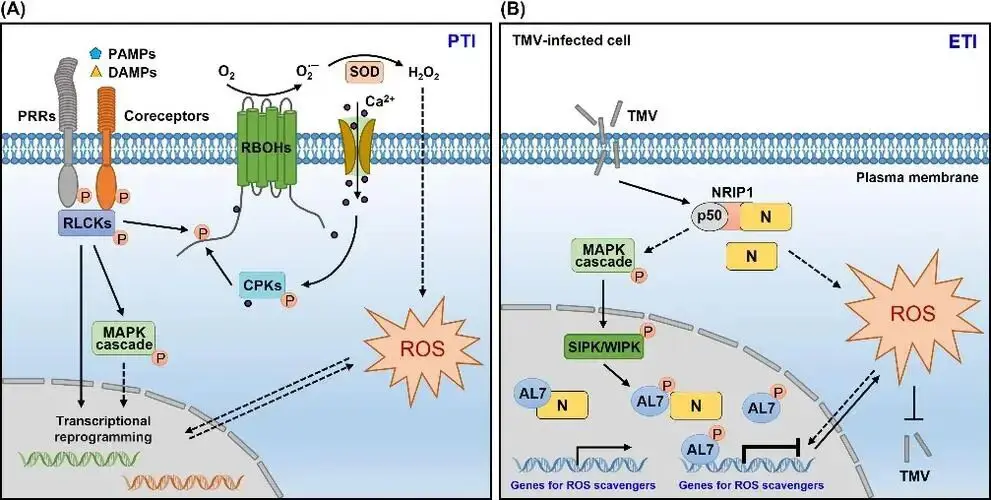
Yeast oligosaccharides—particularly β-glucans and mannans—are identified by plants as pathogen-associated molecular patterns (PAMPs). These molecules bind to pattern recognition receptors (PRRs) located on the plant cell membrane.
This recognition event is the critical first trigger in PAMP-triggered immunity (PTI), enabling the plant to detect imminent viral threats.
Signaling Cascades and Defense Activation
Once recognized by PRRs, yeast oligosaccharides initiate a sophisticated intracellular signaling network. Key early events include:
- Activation of mitogen-activated protein kinases (MAPKs)
- Rapid influx of Ca²⁺ ions
- Burst of reactive oxygen species (ROS)
- Generation of nitric oxide (NO)
These messengers propagate the signal, linking surface recognition to deeper immune responses. This early activation forms the foundation of the plant’s antiviral machinery.

Upregulation of Defense-Related Genes
Transcriptional Reprogramming
The signaling cascades triggered by yeast oligosaccharides activate transcription factors responsible for turning on defense-related genes. These genes encode proteins essential for antiviral immunity, including:
- Pathogenesis-related (PR) proteins with antiviral effects
- Biosynthetic enzymes for antimicrobial metabolites
- Cell-wall–reinforcing proteins, strengthening physical barriers to viral entry
This transcriptional reprogramming effectively reconfigures the plant at the molecular level, preparing it for rapid response to viral infection.
Strengthened Physical and Chemical Barriers
Through these gene expression changes, the plant enhances its defensive arsenal by:
- Producing antimicrobial compounds
- Hardening the cell wall
- Increasing membrane stability
- Boosting metabolic pathways linked to immunity
These improvements make the plant far less susceptible to viral invasion and systemic spread.
Induced Systemic Resistance (ISR) and Defense Priming
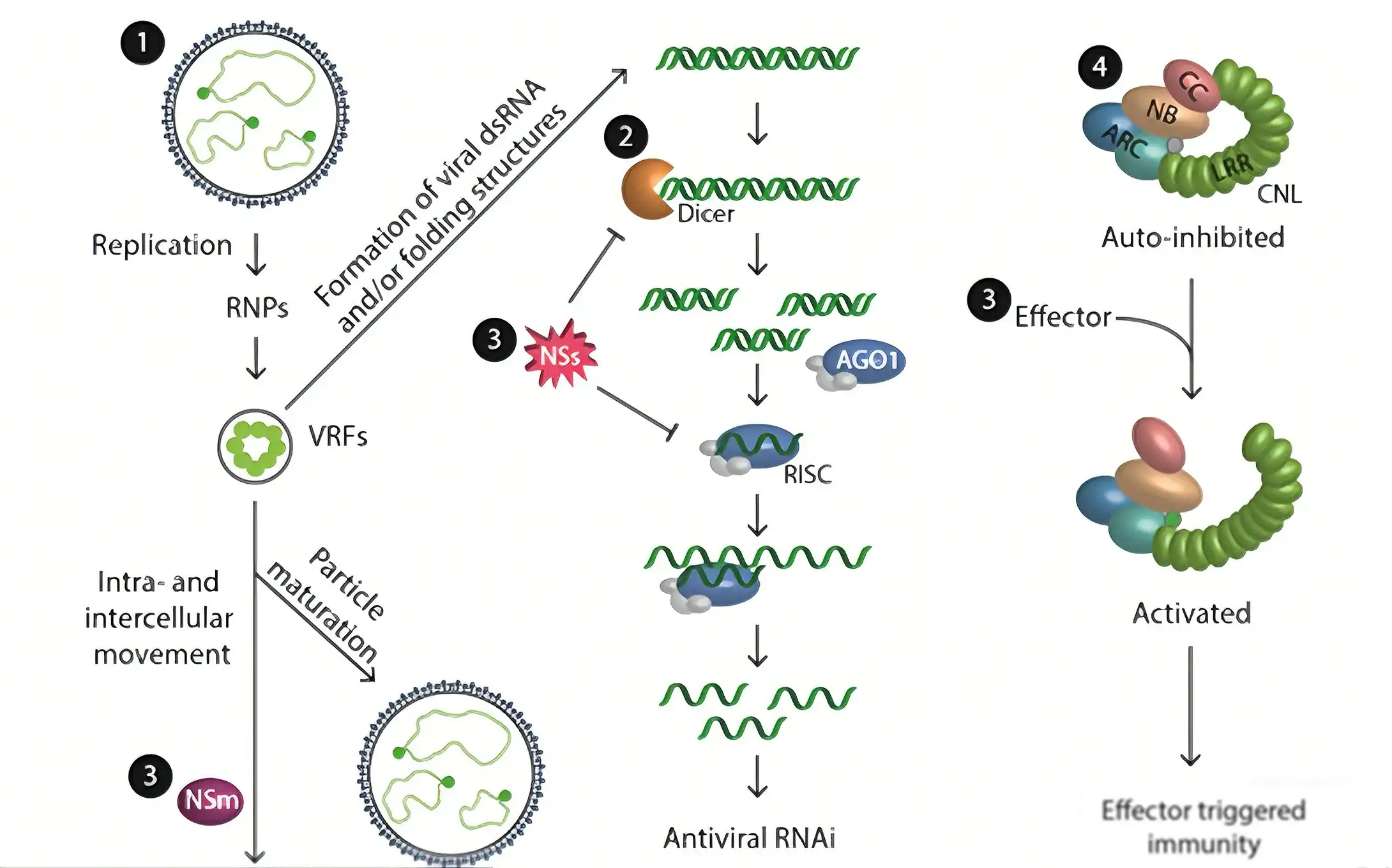
One of the defining strengths of yeast oligosaccharides in virus control is their ability to induce systemic resistance and prime plant immunity—two mechanisms that extend protection beyond local tissues.
Transmission of Systemic Signals
After the initial recognition, plants produce mobile defense signals—such as peptide messengers, hormonal regulators, and small RNAs—distributed through the vascular system.
This results in Induced Systemic Resistance (ISR), a broad and long-lasting form of protection effective against multiple viral pathogens.
Metabolic and physiological changes
Induced systemic resistance is accompanied by significant metabolic and physiological changes within the plant. These changes include:
- Increased production of antiviral secondary metabolites
- Enhanced enzyme activities linked to immunity
- Modifications to cell wall composition for improved structural defense
- Adjustments in signaling hormones such as jasmonic acid and salicylic acid
These systemic changes create an inhospitable environment for viral replication and spread, effectively limiting the impact of potential infections.
Defense Priming for Faster Response
Rather than maintaining costly high-level defense at all times, primed plants enter a “standby mode.”
When a virus attacks:
- Defense genes activate faster
- Antiviral compounds accumulate rapidly
- Plant immunity responds more robustly
This is crucial for preventing virus establishment during the early stages of infection.
Integrating Yeast Oligosaccharides with Peptides and Nucleotides
Complementary Roles in Multi-Layer Plant Immunity
Recent studies highlight the enhanced antiviral potential achieved by integrating yeast oligosaccharides with bioactive peptides and nucleotides. Each component contributes to a different layer of the plant immune system. Oligosaccharides act primarily as elicitors that initiate PRR-mediated signaling and ISR, while peptides—such as antiviral peptides produced through controlled fermentation—may directly interfere with viral replication or suppress viral enzymes. Nucleotides support these processes by promoting cell repair, activating metabolic pathways, and reinforcing physiological resilience.
Together, these molecules create a more robust antiviral environment. Oligosaccharides alert and prime the immune system, peptides provide functional biochemical support, and nucleotides strengthen cellular structures and recovery processes. This combination enables plants to respond more quickly to viral threats while maintaining growth and stability under stress.
Enhanced nutrient uptake and stress tolerance
Yeast oligosaccharides, bioactive peptides, and nucleotides synergistically enhance crop nutrition and stress tolerance through dual pathways of signal recognition and metabolic regulation. This combination optimizes root development and enhances nutrient absorption efficiency while activating systemic plant resistance. It induces the production of functional proteins and osmotic regulatory substances, significantly improving crop survival under stresses like drought and salinity. This achieves synergistic gains in both yield increase and stress tolerance.
Field Performance Across Diverse Cropping Systems
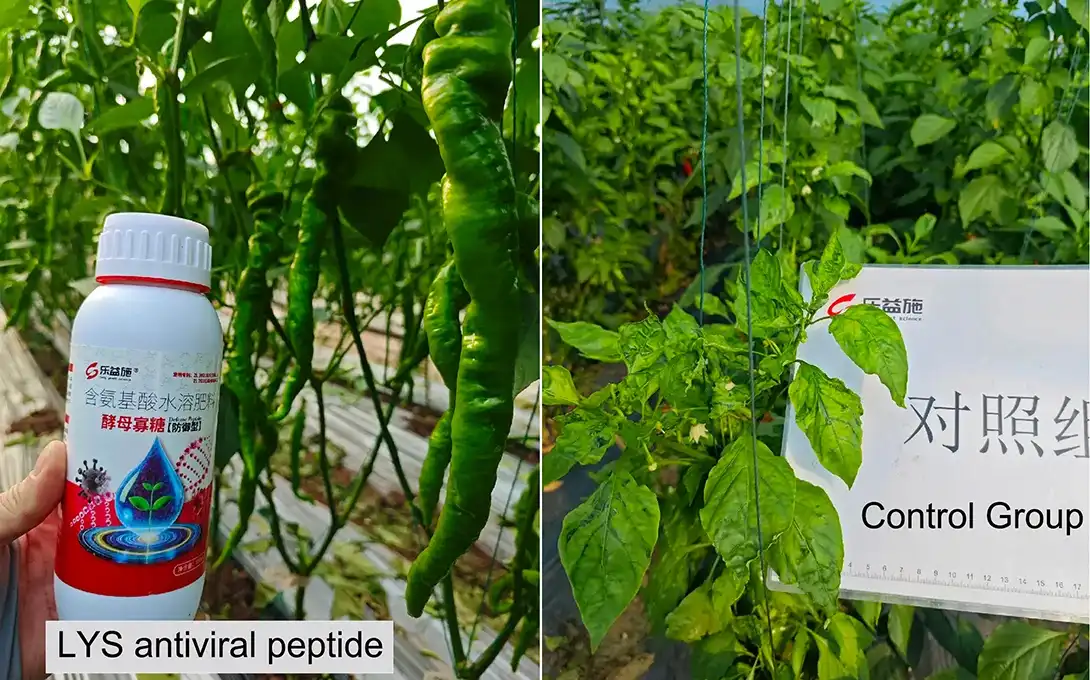
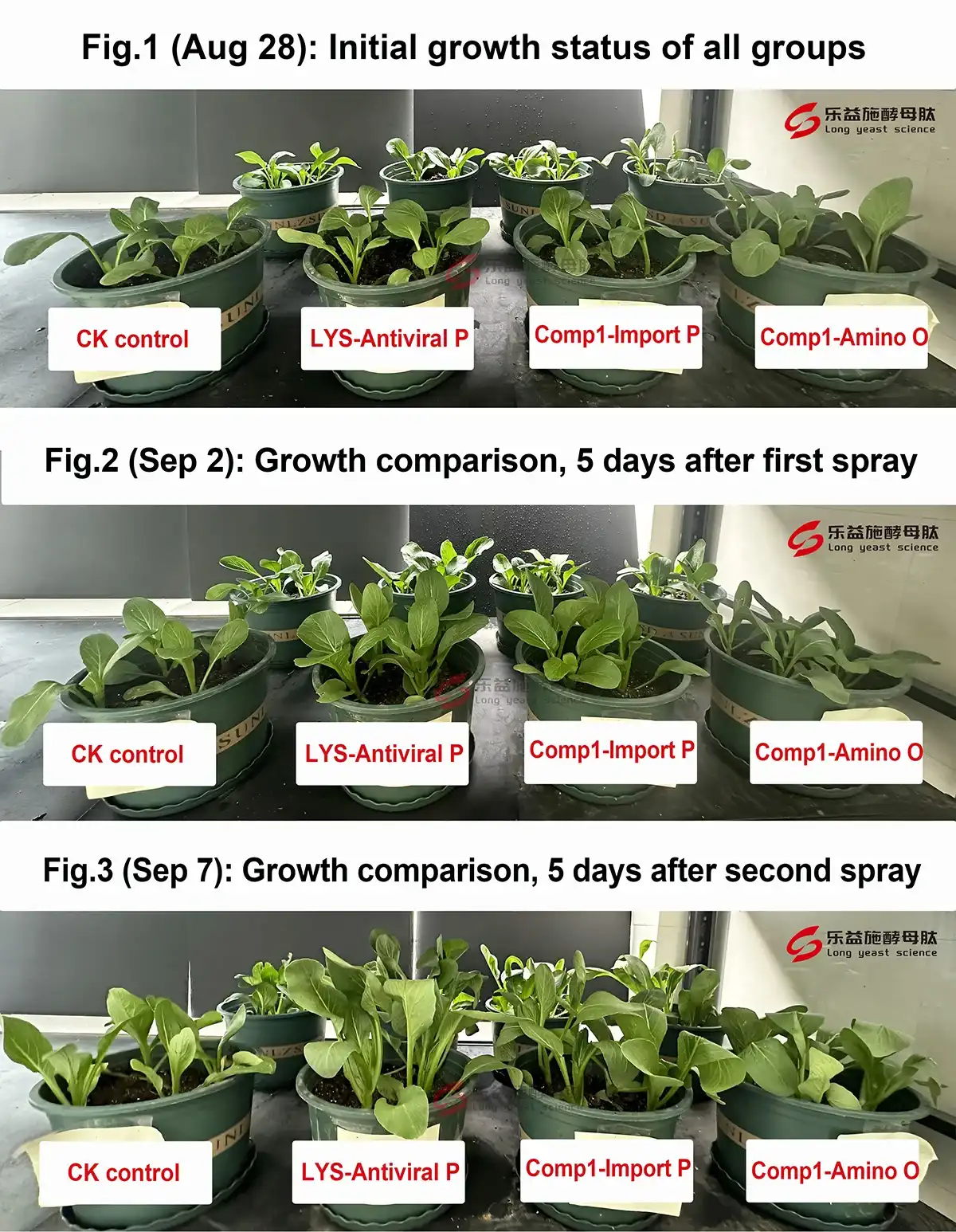
In field applications, such integrated formulations have shown notable improvements in crops highly susceptible to viruses. Enhanced defense readiness from oligosaccharides, coupled with the biochemical activity of peptides and nucleotides, has helped plants maintain vigor under viral pressure. Across fruit trees, cereals, and vegetables, growers have observed better resistance to early infection, reduced viral spread, and more stable yields under environmental challenges.
This integrated model aligns well with sustainable agricultural practices, offering a natural, multi-dimensional strategy for virus control without relying on synthetic chemicals.
Conclusion
Yeast oligosaccharides represent a significant innovation in sustainable virus control, functioning as natural elicitors that activate plant immunity at multiple levels. Their ability to trigger rapid defenses, induce systemic resistance, and prime the plant for future challenges makes them invaluable in modern crop management. When combined with peptides and nucleotides, yeast oligosaccharides form a comprehensive biological system that enhances antiviral protection while supporting plant growth and resilience.
As research progresses, these integrated biological solutions are expected to play an increasingly central role in eco-friendly plant protection strategies.
FAQs
Q1: How quickly do yeast oligosaccharides induce plant defense responses?
A: Initial immune responses appear within hours, while complete systemic resistance develops over several days.
Q2: Are yeast oligosaccharides effective against all types of plant viruses?
A: They provide broad-spectrum protection, though their effectiveness depends on the specific virus and crop species.
Q3: Can yeast oligosaccharides be used in organic farming systems?
A: Yes, Yes. As natural compounds, they are generally suitable for organic systems, subject to certification requirements. However, farmers should always verify the certification status of specific products with their local organic certification bodies.
Yeast Oligosaccharide Manufacturers: Advanced Solutions for Plant Health | LYS
Are you looking for innovative solutions to enhance your crop's resistance to viral pathogens and improve overall plant health? Shenzhen LYS Ecological Technology Co., Ltd. offers state-of-the-art yeast oligosaccharide formulations designed to meet the diverse needs of modern agriculture. Our products are backed by extensive research and field-proven results, ensuring optimal performance in a wide range of cropping systems.
To learn more about how our yeast oligosaccharide solutions can benefit your agricultural operations or to discuss potential collaborations, please contact our expert team at alice@aminoacidfertilizer.com. Let's work together to cultivate healthier, more resilient crops and drive sustainable agricultural practices forward.
Further Reading:
1. Yeast is a source of various bioactive components. Besides oligosaccharides, its peptide products are also attracting attention. For a comparison of yeast peptide powder and amino acid powder, please see "Yeast Peptide Powder vs Amino Acid Powder: Which Is More Effective?".
2. Another type of yeast-derived product is yeast nucleoside peptides. The differences between these and amino acid peptides are discussed in "Yeast Nucleoside Peptides vs Amino Acid Peptides: What’s the Difference?".
3. In the field of antiviral applications, peptides (such as LYS antiviral peptides) offer a different mode of action and contrast with chemical pesticides. See "What makes the LYS antiviral peptide different from chemical pesticides?" for details.
References
1. Zhang, S., et al. (2021). "Yeast-derived β-glucans in plant protection: Current knowledge and future prospects." Molecular Plant-Microbe Interactions, 34(5), 471-482.
2. Li, X., et al. (2020). "Mechanisms of yeast oligosaccharide-induced systemic acquired resistance in plants." Frontiers in Plant Science, 11, 512.
3. García-Brugger, A., et al. (2019). "Early signaling events induced by elicitors of plant defenses." Molecular Plant-Microbe Interactions, 32(8), 886-901.
4. Conrath, U., et al. (2022). "Priming for enhanced defense." Annual Review of Phytopathology, 60, 237-260.
5. Wang, J., et al. (2018). "Integration of biostimulants and synergistic compounds for sustainable crop production." Scientia Horticulturae, 235, 481-486.
6. Martinez-Medina, A., et al. (2023). "Harnessing plant immunity for sustainable agriculture: From molecular mechanisms to field applications." Nature Plants, 9(3), 262-276.