Water Soluble Fertilizer with Peptide Technology: Feeding Crops Efficiently
Agriculture is transforming. Increasing climate variability, widespread nutrient deficiencies, and pressure to reduce environmental impacts are driving farmers and agronomists to seek more efficient nutrition strategies. One technology gaining attention is the use of peptide-enhanced water soluble fertilizer, offering higher efficiency and improved plant resilience while aligning with sustainability goals.
Traditional fertilizer programs depend on mineral nitrogen, phosphorus, and potassium. While effective, these nutrients are often lost to leaching, volatilization, or soil fixation long before reaching plant tissues. The solution emerging across modern agriculture involves pairing soluble formulations with bioactive molecules that enhance nutrient use efficiency at physiological and cellular levels.
Peptide-based water soluble fertilizers represent this convergence of plant nutrition and biotechnology, enabling precise delivery while supporting stress tolerance, root development, and metabolic performance.
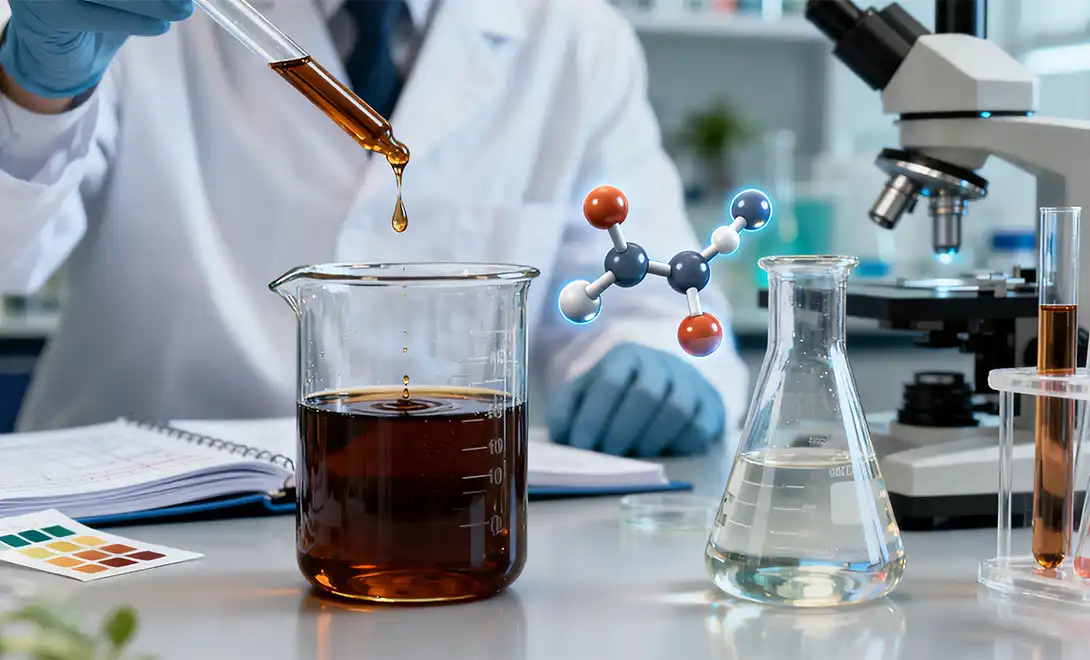
Why Peptides Enhance Water Soluble Fertilizer's Nutrition
Improved Bioavailability and Transport
Peptides—a class of small protein fragments—play an essential role in plant nutrient signaling. Unlike free amino acids alone, short-chain peptides interact with peptide transporters across plasma membranes, accelerating uptake through the root epidermis and leaf mesophyll during foliar feeding.
In a water soluble fertilizer, peptides remain dissolved and mobile, allowing rapid root and foliar absorption without immobilization in soil colloids. As a result, more nutrients reach the plant in bioavailable form, improving Nutrient Use Efficiency (NUE).
Chelation and Nutrient Stability
Many peptides form natural chelate complexes with micronutrients such as Zn and Fe. In solution, these complexes remain stable and less prone to precipitation or antagonism from bicarbonates, which commonly interfere with conventional ionic fertilizers.
Peptide chelation maintains solubility through fertigation systems, ensuring consistent nutrient delivery and minimizing pipe or emitter blockage.
Energy-Saving Metabolism
Plants synthesize amino acids from carbon skeletons and nitrogen sources at high metabolic cost. Exogenous peptide nutrition allows the plant to redirect metabolic energy towards growth, flowering, and fruit filling, particularly under stress. This biochemical advantage distinguishes peptide-enhanced fertilizers from mineral-only soluble formulations.
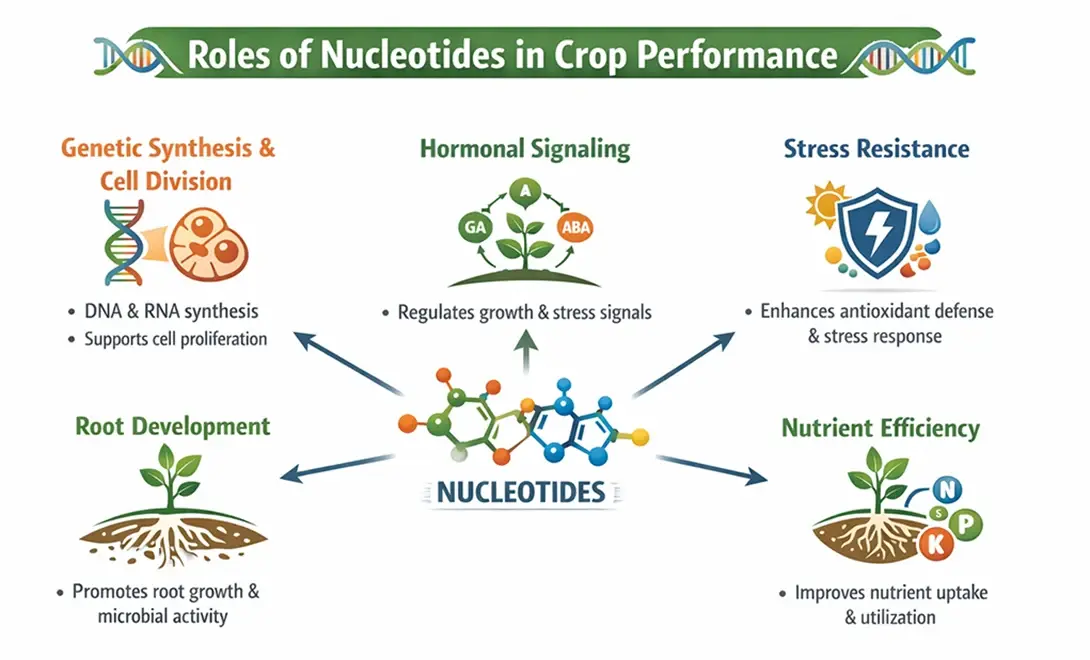
Water Soluble Fertilizer and Stress-Responsive Physiology
Abiotic stress—including drought, salinity, and heat—disrupts osmotic balance and accelerates oxidative damage.
Peptides as Signaling Molecules
Short peptides function in systemic acquired acclimation, activating antioxidant pathways and stress-responsive transcription factors. When delivered through water soluble fertilizer fertigation or foliar spraying, they help maintain photosynthetic efficiency and protect membranes from reactive oxygen species.
Cell Wall Strengthening and Root Adaptation
Some peptide fractions stimulate lignification and promote fine root proliferation. This strengthens root-soil contact, enhancing water and mineral access across heterogeneous soil profiles. Such effects help explain the consistent field results reported in horticulture and protected-crop systems when peptide-rich soluble fertilizers are incorporated.
Integrating Water Soluble Fertilizer into Fertigation Systems
Uniform Distribution and Reduced Loss
When dissolved completely, soluble fertilizers move evenly through irrigation water, providing uniform nutrient supply across the field. Because this delivery bypasses soil fixation, it lower losses from runoff and volatilization, especially in sandy or alkaline soils.
Precision Timing
Unlike granular fertilizers that release slowly and unpredictably, fertigated water-soluble formulations allow growers to synchronize nutrient delivery with phenological stages: seedling establishment, flowering induction, or fruit expansion. Frequent low-dose fertigation reduces osmotic stress and supports stable growth in controlled environments.
Compatibility and Systems Design
High-purity soluble fertilizers using peptide technology are compatible with drip lines and centralized irrigation systems, minimizing maintenance. Water quality, dilution ratios, and tank-mix compatibility remain critical factors for maximizing biological activity.
Best Practices for Peptide-Based Water Soluble Fertilizers
Dilution and pH Management
Follow precise dilution guidelines to maintain solubility and avoid nutrient burn. Water pH between 5.5 and 7.0 generally enhances peptide stability, while extreme alkalinity may reduce efficiency.
Application Timing
Apply early morning or late afternoon to minimize evaporation and UV degradation during foliar application. In fertigation systems, schedule delivery at moisture peaks to support physiological uptake.
Tissue and Soil Diagnostics
Continuous monitoring through leaf tissue analysis ensures balanced mineral nutrition and avoids excessive accumulation. Data-driven adjustment supports precision agriculture and sustainability objectives.
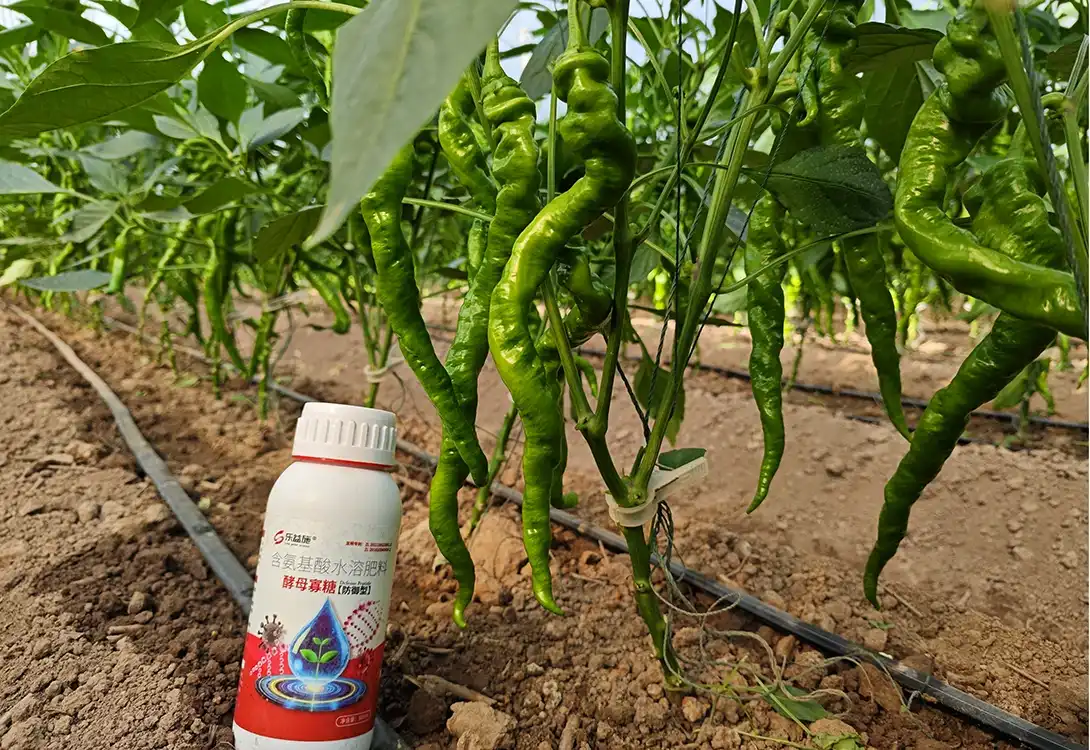
Toward a More Sustainable Fertilization Strategy
Peptide-enhanced water soluble fertilizer systems offer a route to high-yield agriculture without escalating environmental cost. By improving transport, reducing nitrogen waste, and supporting stress resilience, they help close the gap between fertilizer application and true plant utilization.
Manufacturers are now refining peptide fractions through advanced enzymatic hydrolysis, enabling high solubility, controlled molecular weight, and consistent bioactivity. Some producers like LYS Biotech use yeast-source peptides and nucleotides derived from fermentation technology to ensure purity and stable performance under fertigation conditions. These innovations, when integrated responsibly, can contribute significantly to resilient cropping in a changing climate.
FAQ
1. How are peptide-based water soluble fertilizers different from ordinary fertilisers?
Peptide-based water-soluble fertilisers have small pieces of protein that help plants absorb nutrients and make plants react in certain ways. They are better than regular fertilisers because they help plants deal with stress better, make nutrients work better, and give plants a more balanced diet. This often leads to enhanced agricultural yields and quality.
2. Is it okay to use peptide-based water soluble fertilizers in organic farming?
Many peptide-based water-soluble fertilisers come from natural sources. However, whether or not they are good for organic farming depends on the precise product composition and certification standards. It's best to go to the manufacturer or certifying agencies to find out if a given product meets organic agricultural requirements.
3. How often should you apply water-soluble fertilizers that are based on peptides?
How often you should use it depends on the weather, the type of crop, and the stage of growth. You can use these fertilisers more often, but in smaller amounts than normal fertilisers. To get the greatest results, you should follow the manufacturer's recommendations and alter things based on testing of the soil and plant tissue.

Expert Water Soluble Fertiliser Manufacturers | LYS
Do you want high-quality water-soluble fertilizers that use the latest peptide technology? LYS ECO is a reliable partner for new ways to feed your crops. We meticulously make our products so that they get the most out of nutrients and help crops grow better. We have the right answers for you, no matter if you are a distributor, a manufacturer, or a large-scale grower. Don't use normal fertilisers; instead, use LYS Biotech's new water-soluble fertilizers to make your farming better. Email us at alice@aminoacidfertilizer.com today to find out how our products can improve the way you feed your crops and help you succeed in farming.
References
1. Johnson, A. R., and Smith, B. T. (2023). Advancements in Peptide-Based Fertilisers for Sustainable Agriculture. Journal of Agricultural Innovation, 45(2), 178–195.
2. Chen, L., & Wang, X. (2022). A Comparative Analysis of Nutrient Absorption Efficiency in Crops Treated with Peptide-Enhanced Water-Soluble Fertilisers. Plant Nutrition Science, 33(4), 412–428.
3. Rodriguez, M. E. et al. (2023). How peptide-based fertilisers affect how well crops can handle abiotic stress. Environmental Stress Biology, 18(3), 289-305.
4. Kumar, P., & Patel, S. (2022). A Review of How to Enhance Fertigation Systems Using Advanced Water-Soluble Fertilisers Irrigation Science and Technology, 40(1), 67–84.
5. Zhang, Y., et al. (2023). In modern farming, peptide-enhanced fertilisers are used to control nutrients in a way that is favourable for the environment. Agronomy for Sustainable Development, 43(2), 215–232.
6. Brown, C. D., & Taylor, J. L. (2022). Economic Analysis of the Adoption of Peptide-Based Water-Soluble Fertilisers in Commercial Crop Production. Agricultural Economics Review, 37(3), 356–372.

Tell us your needs — we’ll provide the right solution for your crops and markets.
Innovating Agriculture with Yeast-Derived Amino Acid Peptides