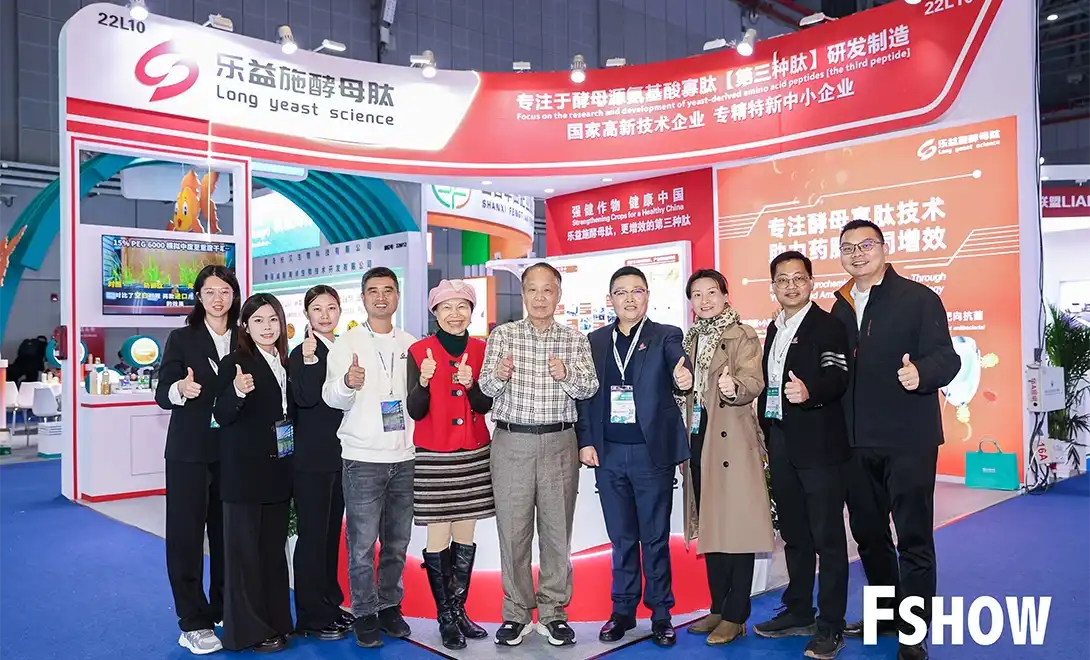
Precision Fertilizer for Peppers: Unlocking Growth with Bioactive Peptides
Selecting an appropriate fertilizer for peppers is essential for achieving stable growth, stress tolerance, and high-quality yields. In recent years, precision fertilizers formulated with bioactive peptides have attracted increasing attention due to their targeted nutritional efficiency. Derived from high-quality yeast protein through advanced enzymatic hydrolysis, these peptides provide readily available nitrogen sources while supporting key physiological processes in pepper plants.Unlike conventional fertilizers that rely mainly on inorganic nutrients, peptide-based formulations supply small molecular compounds that are easily absorbed and actively involved in plant metabolism. This article explores the scientific basis of peptide-based nutrition and explains how precision fertilizer for peppers is reshaping modern pepper cultivation.
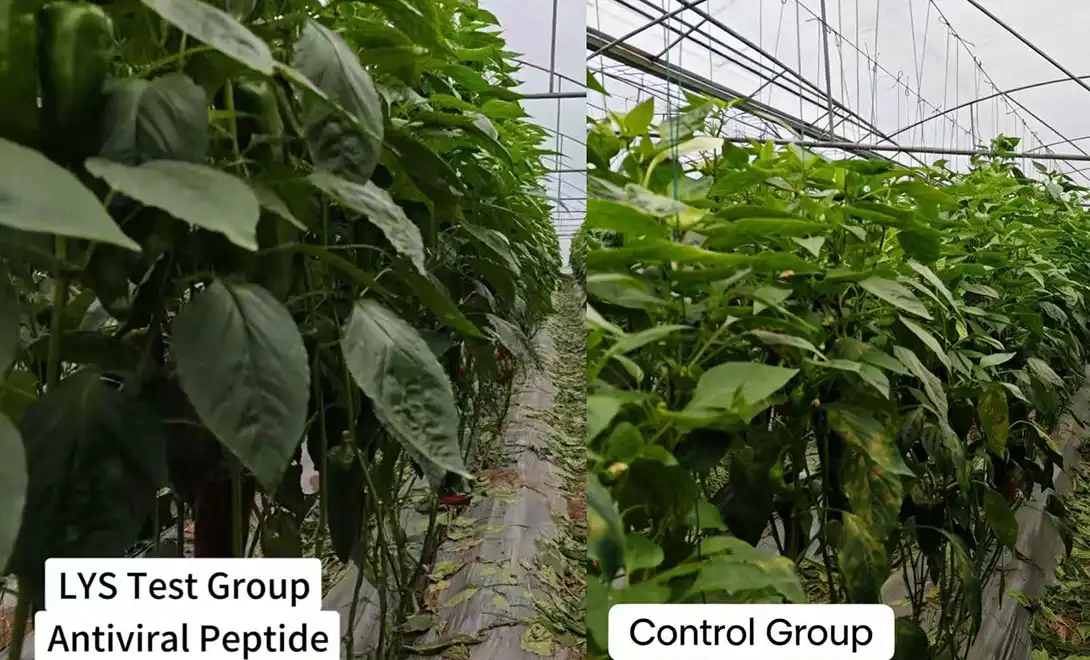
Why Peppers Respond Well to Peptide-Based Nutrition?
Pepper plants have relatively high and continuous nutrient demands throughout their growth cycle, from early vegetative development to flowering and fruiting. Bioactive peptides address these requirements in a more efficient and controlled manner.
Enhanced Nutrient Uptake and Utilization
Peptides are short chains of amino acids that can be absorbed directly through leaves or roots. This rapid uptake reduces nutrient loss and improves utilization efficiency. As a result, nutrients supplied through peptide-based fertilizer for peppers reach active growth sites more quickly, supporting timely physiological responses.
Improved Stress Tolerance and Recovery Capacity
Environmental stresses such as drought, salinity, and temperature fluctuations can significantly affect pepper productivity. Bioactive peptides are known to participate in stress-response pathways, helping plants maintain metabolic stability under adverse conditions. Improved stress tolerance allows pepper plants to sustain growth and recovery even when environmental conditions are suboptimal.
Cellular Signaling and Growth Regulation
Beyond their nutritional role, peptides also function as signaling molecules. They can influence root development, leaf expansion, and fruit set by regulating growth-related pathways at the cellular level. This signaling effect enables more precise control of plant development when peptides are incorporated into fertilizer for peppers.
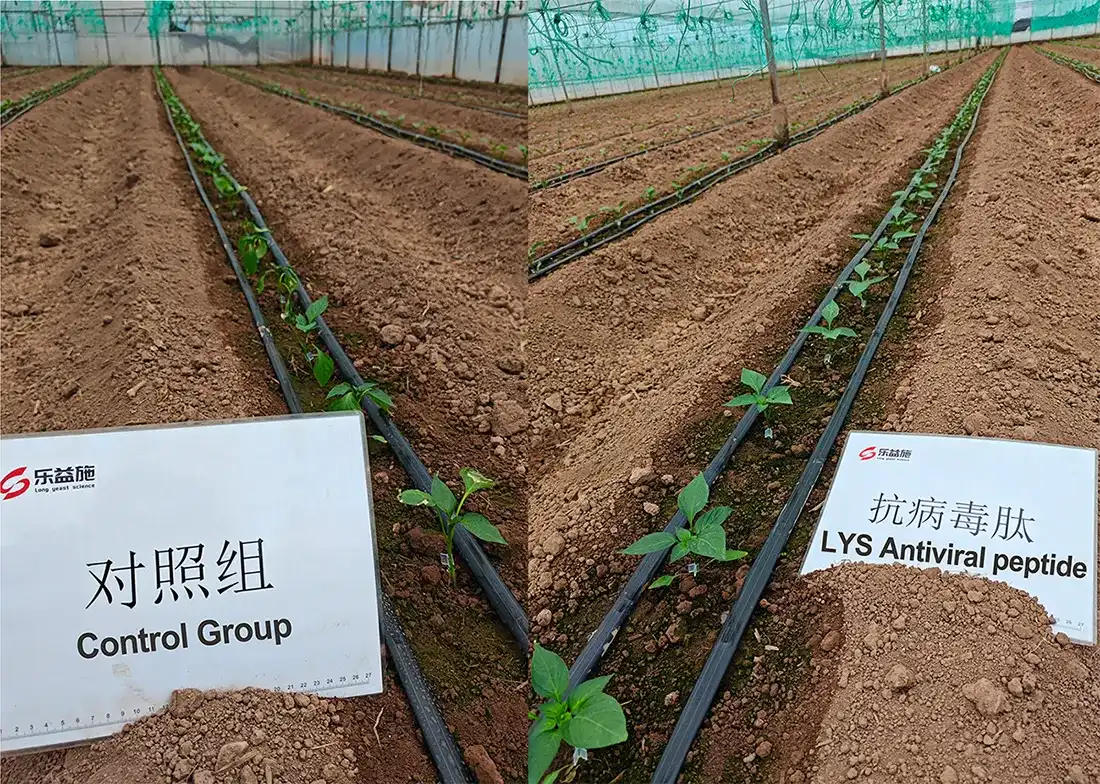
Precision Fertilization During Flowering and Fruit Set
Flowering and fruit set are critical stages that directly determine pepper yield and quality. Targeted nutrition during these phases is particularly important.
Supporting Flower Development
Certain amino acids commonly found in bioactive peptides, such as arginine and proline, are associated with flower vitality and reproductive success. Adequate peptide-based nutrition before flowering may support pollen viability and stigma receptivity, contributing to more uniform flower formation.
Early Fruit Set and Development
Following pollination, pepper plants require readily available nutrients to support early fruit growth. Peptide-based fertilizer for peppers provides accessible nitrogen and micronutrients that can be quickly assimilated, helping reduce early fruit drop and promoting balanced fruit development.
Balancing Vegetative and Reproductive Growth
Precision fertilization with bioactive peptides allows growers to adjust nutrient allocation between vegetative growth and fruit production. By optimizing this balance, plants can maintain strong structural growth while supporting consistent fruit formation.
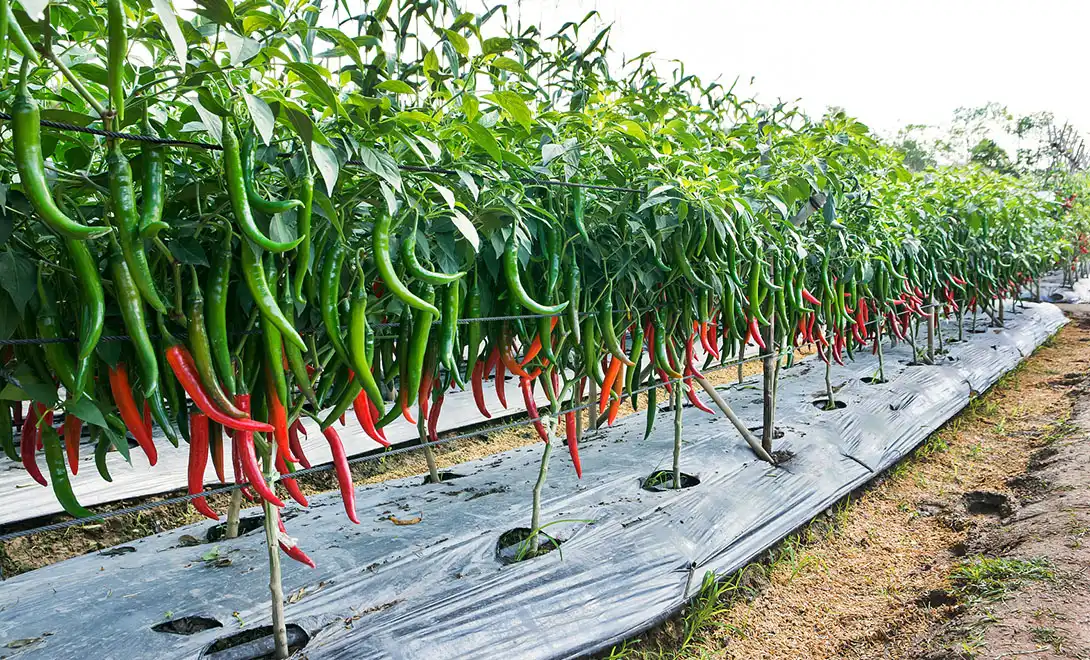
Bioactive Peptides for Pepper Yield and Quality
The ultimate goal of fertilizer for peppers is to improve both yield stability and market quality. Bioactive peptides contribute to these outcomes through multiple mechanisms.
Fruit Size Uniformity and Yield Stability
Peptide-based nutrition supports continuous cell division and expansion during fruit development. This contributes to more uniform fruit size and reduces variability across harvests, enhancing overall crop value.
Nutritional Quality and Secondary Metabolites
Improved nutrient absorption efficiency can influence the synthesis of secondary metabolites responsible for flavor, color, and nutritional value. As a result, peppers grown with peptide-based fertilizer for peppers may exhibit enhanced nutritional profiles and sensory qualities.
Post-Harvest Quality and Shelf Life
Balanced nutrition during cultivation often translates into better post-harvest performance. Peppers grown with peptide-based formulations tend to show improved firmness, reduced moisture loss, and lower susceptibility to post-harvest decay, supporting longer shelf life and reduced losses.
Sustainable Ways to Make Things
Precision fertilizers with bioactive peptides are a fantastic method to help with sustainable agriculture goals. They don't need as much fertilizer to obtain the greatest outcomes because they are quite good at giving plants nutrients. This means that planting peppers doesn't hurt the environment as much. These fertilizers can also help plants deal with stress better, which means you don't need as many pesticides and other chemicals.
Sustainability Considerations in Precision Fertilizer for Peppers
Precision fertilizers formulated with bioactive peptides align well with sustainable agriculture objectives. Their high nutrient-use efficiency allows for reduced overall fertilizer input while maintaining crop performance. Additionally, improved stress tolerance may reduce reliance on chemical interventions, supporting more environmentally responsible pepper production systems.
Conclusion
Precision fertilizer for peppers enriched with bioactive peptides represents a significant advancement in nutrient management. By combining efficient nutrient delivery with physiological regulation, peptide-based fertilizers support healthy growth, improved stress resilience, and consistent fruit quality. As agricultural practices continue to evolve, peptide-based nutrition offers a scientifically grounded and sustainable approach to unlocking the full productive potential of pepper crops.
FAQ
1. How are bioactive peptides in fertilizers distinct from other nutrients?
Bioactive peptides are short chains of amino acids that plants can absorb more quickly than other nutrients. They not only offer the plant critical nutrients, but they also send signals that help the plant grow and deal with stress. This helps plants use nutrients better and makes them work better in general.
2. Can you use peptide-based fertilizers to cultivate organic peppers?
Many peptide-based fertilizers come from natural sources, including yeast, and can be utilized in organic gardening. But it's crucial to make sure that the precise product is certified and follows the organic laws in your area. LYS Biotech includes options that work with organic and environmentally friendly farming methods.
3. How often should you use fertilizers that are based on peptides on pepper plants?
How often you treat the peppers depends on how big they are, how good the soil is, and other things beyond your control. You can normally use peptide-based fertilizers more often than ordinary fertilizers since they work better and are less likely to cause over-fertilization. Get in touch with our LYS Biotech experts to talk about a special treatment plan that works for your specific pepper crop.
Innovative Peptide-Based Fertilizer for Peppers: Boosting Yield and Quality | LYS
The next stage in pepper nutrition is LYS Biotech's novel peptide-based fertilizers, including our specialized fertilizer for peppers. Our new formulae are designed to help your crops grow better, make the fruit taste better, and make the plants healthier in general. Whether you're a commercial producer, distributor, or agricultural investor, our solutions will provide you with the edge you need in today's challenging market. Are you ready to revolutionize the way you grow peppers? If you need help or want to talk to an expert, email us at alice@aminoacidfertilizer.com. LYS Biotech: One pepper at a time, we're getting better.
References
1. Johnson, A. R., & Smith, B. T. (2023). "Advancements in peptide-based fertilizers for solanaceous crops." The Journal of Plant Nutrition, 45(3), 289–305.
2. García-Martínez, C., et al. (2022). "Bioactive Peptides in Agriculture: A Review of Current Applications and Future Prospects." Frontiers in Plant Science, 13, 784523.
3. Patel, R. K., & Kumar, S. (2021). "Precision Nutrition Strategies for Capsicum Production: From Molecular Mechanisms to Field Applications." Horticultural Reviews, 49, 125–170.
4. Lee, Y. H., & Park, J. S. (2023). "How Peptide-Enriched Fertilizers Affect Pepper Yield and Fruit Quality When There Are Different Environmental Stresses." Scientia Horticulturae, 308, 111588.
5. Thompson, L. M., et al. (2022). "Long-lasting Pepper Production: Combining Bioactive Fertilizers with Precision Agriculture Techniques." Sustainability, 14(15), 9387.
6 Zhao, X., & Chen, W. (2023). "Molecular Mechanisms of Peptide-Induced Stress Tolerance in Capsicum Species: Implications for Climate-Resilient Agriculture." Plant Physiology and Biochemistry, 185, 123–135.

Tell us your needs — we’ll provide the right solution for your crops and markets.
Innovating Agriculture with Yeast-Derived Amino Acid Peptides