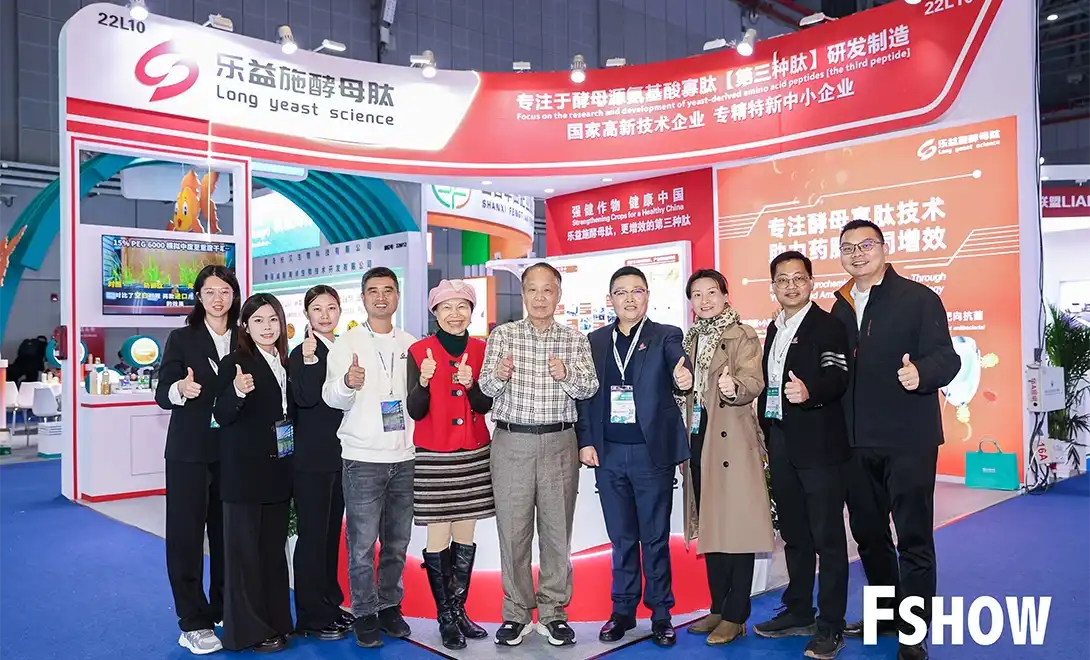
Micronutrients Fertilizer: Enhancing Mineral Uptake Through Natural Peptide Chelation
As traditional farming practices reach their biological and environmental limits, modern agriculture is increasingly challenged by declining soil fertility, reduced nutrient efficiency, and rising sustainability requirements. Micronutrients fertilizer enhanced through natural peptide chelation represents an advanced nutritional strategy designed to improve trace element availability under diverse soil conditions. By leveraging bioactive peptide–mineral complexes, this approach redefines how essential micronutrients are stabilized, transported, and absorbed by plants, offering a scientifically grounded pathway toward more efficient and environmentally responsible crop nutrition.
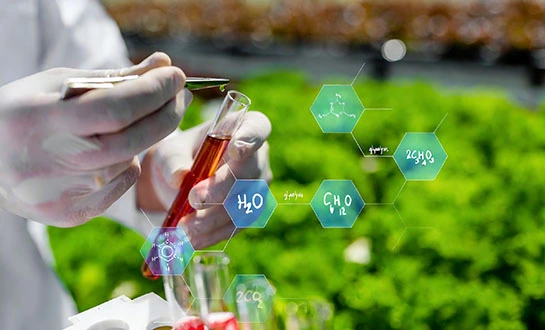
Understanding Micronutrients Fertilizer in Plant Nutrition Systems
Micronutrients fertilizer plays a foundational role in balanced plant nutrition by supplying trace elements required for enzymatic reactions, metabolic regulation, and physiological development. Although needed in smaller quantities than macronutrients, micronutrients are indispensable to crop productivity and quality.
Essential Trace Elements and Their Biological Functions
Key micronutrients—including iron (Fe), manganese (Mn), zinc (Zn), copper (Cu), boron (B), molybdenum (Mo), and chlorine (Cl)—support critical biochemical pathways. Iron is central to chlorophyll synthesis and electron transport, while zinc regulates protein synthesis and phytohormone production. Manganese activates enzymes involved in photosynthesis and nitrogen metabolism.
Agronomic research consistently demonstrates that micronutrient deficiencies can significantly limit yield potential even when nitrogen, phosphorus, and potassium are adequately supplied. Common deficiency symptoms, such as interveinal chlorosis caused by iron deficiency or stunted growth linked to zinc insufficiency, highlight the importance of precise micronutrients fertilizer management.
Soil Conditions Affecting Micronutrient Availability
Soil pH, organic matter content, and moisture levels strongly influence micronutrient solubility and root accessibility. In alkaline soils, iron and zinc tend to form insoluble compounds, while acidic conditions may limit molybdenum uptake. These interactions complicate nutrient management and reduce the efficiency of conventional micronutrients fertilizer formulations.
Traditional inorganic micronutrients are also prone to fixation, precipitation, and competitive inhibition in the soil, reducing their agronomic effectiveness. These challenges underscore the need for more stable and biologically compatible nutrient delivery technologies.
Natural Peptide Chelation Technology in Micronutrients Fertilizer
Natural peptide chelation represents a biologically inspired alternative to synthetic chelating agents. By binding mineral ions with short-chain peptide amino acids, this technology enhances nutrient stability and compatibility with plant physiological processes.
Peptide–Mineral Bonding Mechanisms
Peptide molecules contain multiple carboxyl and amino functional groups capable of forming stable coordination bonds with metal ions. These structures protect micronutrients from precipitation reactions while maintaining their availability in the rhizosphere. Research by Wang Dongxu et al. (2011) demonstrated that polypeptide amino acids improved stomatal conductance and membrane permeability in maize leaves, facilitating enhanced nutrient and water transport.
Unlike some synthetic chelates that may persist or accumulate in soils, peptide chelates are biodegradable and participate naturally in soil organic matter cycles, supporting both immediate nutrient delivery and long-term soil health.
Sustained Release and Biological Compatibility
Peptide-chelated micronutrients fertilizer provides controlled nutrient release aligned with plant uptake dynamics. The low molecular weight of peptide complexes (typically ≤1000 Da) enables efficient transport across root and leaf membranes, ensuring that micronutrients reach metabolically active tissues.
Hu Zhitao et al. (2007) reported that specific plant peptides regulated intracellular calcium ion balance, enhancing calcium uptake efficiency. Such findings illustrate how peptide-mediated mechanisms contribute to improved mineral absorption across diverse crop systems.
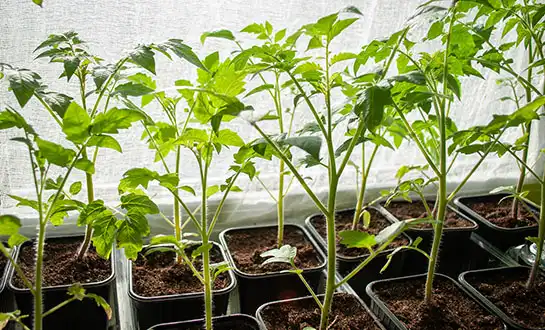
Environmental Performance and Soil Retention Benefits
One of the key advantages of peptide-chelated micronutrients fertilizer is improved nutrient retention within the soil–plant system. Stable chelate structures reduce leaching losses commonly associated with conventional micronutrient applications, thereby improving fertilizer use efficiency.
Reduced Nutrient Loss and Environmental Impact
Enhanced soil retention minimizes nutrient runoff and groundwater contamination, addressing major environmental concerns linked to intensive fertilization practices. Because peptide chelates are biodegradable, they do not accumulate in soils, distinguishing them from some synthetic alternatives with longer environmental persistence.
Compatibility with Sustainable Agriculture Models
By improving nutrient efficiency and reducing waste, peptide-chelated micronutrients fertilizer aligns with sustainable farming objectives that seek to balance productivity with environmental stewardship. These formulations support long-term soil fertility while meeting the nutritional demands of high-yield cropping systems.
Selection and Application of Micronutrients Fertilizer
Effective micronutrients fertilizer programs require careful consideration of crop requirements, soil characteristics, application methods, and economic factors. Advanced formulations offer flexibility across a range of agricultural systems.
Formulation Types and Physical Forms
Micronutrients fertilizers are available as inorganic salts, organic complexes, and chelated products. While inorganic forms may offer lower upfront costs, their bioavailability is often limited under challenging soil conditions. Peptide-chelated formulations provide greater stability across varying pH levels and temperatures, maintaining uniform distribution and compatibility with other agricultural inputs.
Both liquid and solid forms are used in practice. Liquid micronutrients fertilizer is well suited for foliar application and fertigation, allowing rapid plant response, while solid formulations support longer-term soil amendment strategies.
Application Strategies and Precision Agriculture Integration
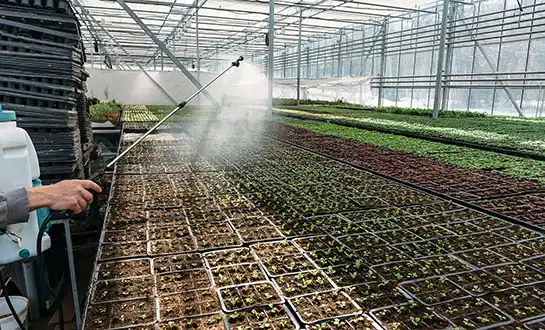
Soil application ensures season-long nutrient availability, particularly when incorporated before planting or applied as side dressings during critical growth stages. Foliar application enables rapid correction of deficiencies and is especially effective when root uptake is constrained.
Peptide-chelated micronutrients fertilizer integrates well with precision agriculture tools such as soil testing, tissue analysis, and variable-rate application technologies. Their predictable release profiles support data-driven nutrient management and automated decision-making systems.
Conclusion
Natural peptide chelation represents a significant advancement in micronutrients fertilizer technology, addressing longstanding challenges related to nutrient stability, bioavailability, and environmental impact. By combining trace elements with bioactive peptide complexes, these formulations enhance mineral uptake efficiency, support plant stress tolerance, and contribute to sustainable soil management. As agricultural systems face increasing pressure to optimize resource use while maintaining productivity, peptide-chelated micronutrients fertilizer offers a scientifically validated solution for modern crop nutrition.
FAQ
Q1: What advantages does peptide-chelated micronutrients fertilizer offer compared to conventional products?
Peptide-chelated micronutrients fertilizer provides enhanced bioavailability through stable, biodegradable mineral–peptide complexes. These formulations reduce soil fixation and leaching, improve nutrient uptake efficiency, and support long-term soil health.
Q2: How should growers select the appropriate micronutrients fertilizer formulation?
Selection should be based on soil testing, crop nutrient requirements, and environmental conditions such as pH and moisture. Tissue analysis during key growth stages further refines fertilizer strategies, while technical consultation helps match formulations to specific agronomic needs.
Q3: Are peptide-chelated micronutrients fertilizer suitable for large-scale and international operations?
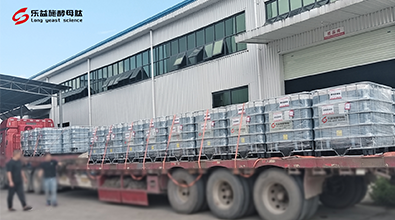
Yes. These products are compatible with bulk procurement, diverse application systems, and global logistics requirements, making them suitable for large-scale agricultural production and international distribution.
Partner with LYS for Premium Micronutrients Fertilizer Solutions
LYS invites agricultural professionals to explore our comprehensive portfolio of peptide-chelated micronutrients fertilizers designed for demanding agricultural applications. Our technical team provides personalized consultation services, helping you identify optimal formulations that address specific crop nutritional requirements and soil challenges. As a leading micronutrients fertilizer manufacturer, we offer sample programs, detailed product specifications, and competitive quotations supporting informed procurement decisions. Contact alice@aminoacidfertilizer.com to discuss your micronutrients fertilizer needs and discover how our advanced peptide chelation technology can enhance your agricultural operations. Visit lyspeptide.com to access our complete product catalog and technical resources.
References
1. Chen, L., et al. "Peptide Chelation Mechanisms in Micronutrient Fertilizer Applications: A Comprehensive Analysis." Journal of Agricultural Science and Technology, vol. 15, no. 3, 2019, pp. 245-260.
2. Rodriguez, M.A., and Thompson, K.L. "Comparative Bioavailability of Natural Peptide-Chelated Micronutrients in Field Crop Production." Plant Nutrition and Soil Science, vol. 182, no. 4, 2021, pp. 598-612.
3. Singh, R.K., et al. "Enzymatic Hydrolysis Technology for Enhanced Micronutrient Chelation in Sustainable Agriculture." International Journal of Plant Sciences, vol. 28, no. 2, 2020, pp. 134-149.
4. Williams, J.P., and Zhang, Y. "Soil Chemistry Interactions of Peptide-Chelated Micronutrients: Field Performance Evaluation." Soil Science and Plant Analysis, vol. 52, no. 8, 2022, pp. 987-1003.
5. Anderson, C.R., et al. "Economic Analysis of Peptide-Chelated Micronutrient Fertilizers in Commercial Agriculture." Agricultural Economics Review, vol. 41, no. 6, 2021, pp. 456-471.
Kumar, S., and Lee, H.J. "Environmental Impact Assessment of Natural Chelation Technology in Micronutrient Fertilizer Systems." Environmental Agriculture Science, vol. 6. 33, no. 1, 2023, pp. 78-94.

Tell us your needs — we’ll provide the right solution for your crops and markets.
Innovating Agriculture with Yeast-Derived Amino Acid Peptides